

Reviewed · SKIP THE LINE
Rome: Castel Sant’Angelo Skip-the-Line Guided Tour
Castel Sant’Angelo has papal secrets. This guided tour is interesting because you get skip-the-line entry and access areas that are normally closed off. One ticket also sets you up to understand how the fortress became a tomb, a popes’ residence, a state treasury, and even a place of imprisonment and execution.
I like the fact that the guide doesn’t treat the castle like a pile of walls. You move through standout stops tied to real moments in Rome, including the Olearie area, the historical prisons, and the theater of Clemente VII. The main drawback is physical: expect stairs to reach the panoramic terrace, and the tour is not suitable for wheelchair users.
Key Things I’d Prioritize Before You Go
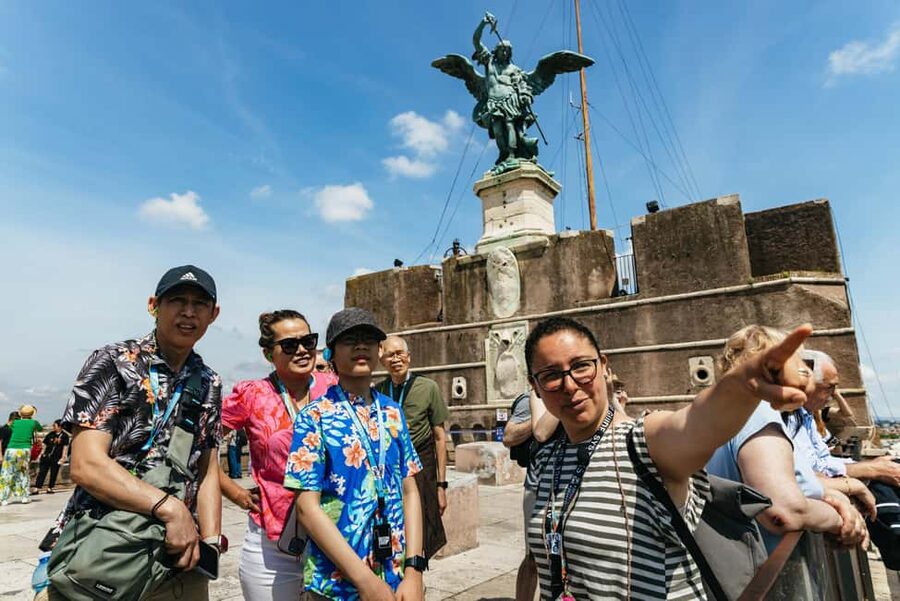
- Skip-the-line entry saves time so you spend more of your visit inside the fortress
- Restricted-access areas like the Olearie, prisons, and Clemente VII’s theater make it more than a standard walk
- Popes, prisons, and a state treasury give you the full “how this place kept changing” story
- Rome views from the terrace are a strong payoff, especially if your time slot lines up with better light
- Headsets if needed help you hear your live guide clearly in busy areas
A Fortress That Actually Changes Roles
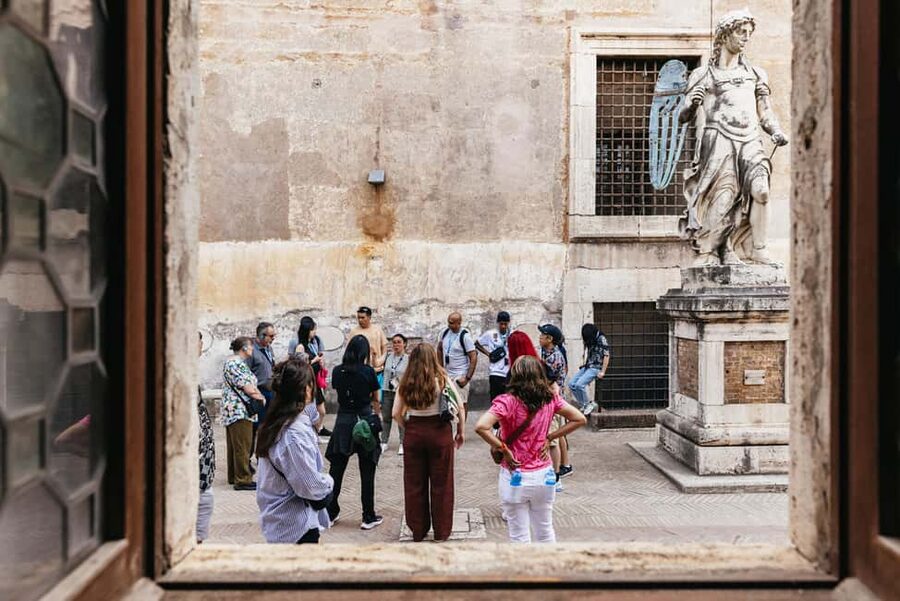
Castel Sant’Angelo is one of those Roman buildings where the job description keeps getting rewritten. You start with the founding idea, Emperor Hadrian’s tomb, and you quickly see the plot twist: the site shifts into something popes and the state can use day to day.
That role-changing history is exactly why a guided tour matters. On your own, it’s easy to get “pretty walls and stairs” without connecting the dots. With a guide, each room and corridor feels purposeful. You learn what was stored, where leaders lived, where people were held, and how the castle’s architecture supported those uses.
And yes, you still get the payoff view. The terrace is the kind of spot where Rome looks spread out for your mental map. Even if you’ve seen the city from other viewpoints, this one feels extra convincing because you understand what you’re looking at and why the fortress was built here in the first place.
You can also read our reviews of more guided tours in Rome



Skip-the-Line Entry, Meeting Point, and the Real-World Timeline
This is a 1 to 2 hour tour, and the exact start time depends on availability. The big practical win is the skip-the-line entry through a separate entrance. That matters at Castel Sant’Angelo because lines and crowding can turn a short visit into a “why are we waiting” experience.
Meet in front of the main entrance to the Lungotevere Castello. Look for a Loving Rome representative holding a Loving Rome flag. After the tour, you end back at the same meeting point.
Two timing realities to plan around:
- Late arrivals or no-shows will not be accommodated or refunded, so be early enough to handle the quick moment of locating the group.
- You will climb a series of stairs, including the route to the panoramic terrace, so build in the expectation of slower movement than you might have outdoors.
If you like being unhurried in Rome, this tour works best when you schedule it earlier in your day or after a meal, not as a last-minute squeeze between timed tickets.
Inside Hadrian’s Tomb, Then the Popes’ Apartment
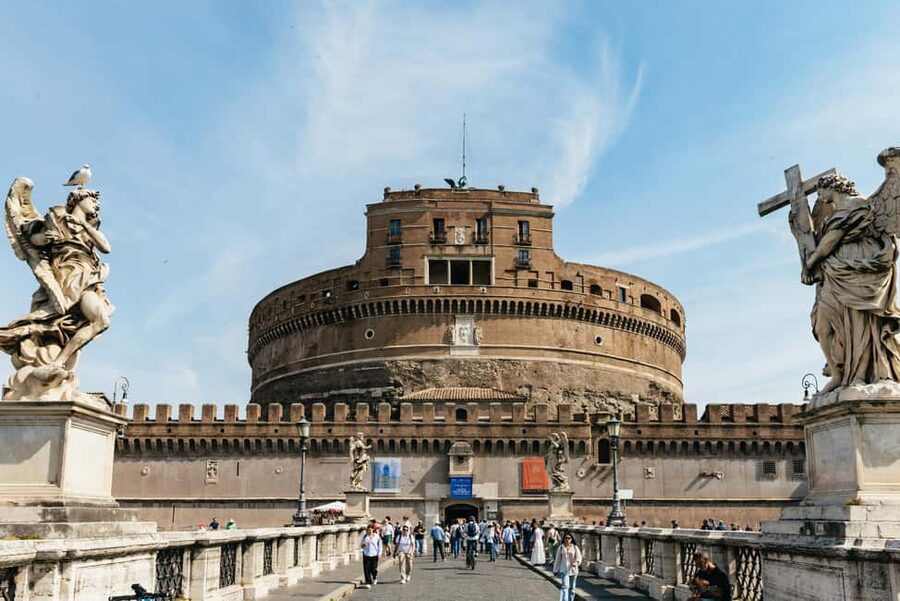
The tour begins with a straightforward orientation: Castel Sant’Angelo was erected by the Roman emperor Hadrian as his tomb. But the story doesn’t stop there. You’ll learn how the building later served as:
- a private residence for popes
- a treasury of the state
- a prison
- a public execution site
That sequence is what makes the castle feel alive. You are not just touring a monument. You’re walking through the same walls across different eras of power.
As you explore, you’ll see key areas tied to the castle’s changing roles, including the burial place of the late emperor and the pope’s apartment. These stops help you understand the castle as a political tool, not only an impressive structure.
One practical note: don’t expect to treat this like casual strolling. Even though it’s only about 1 to 2 hours, the castle includes interior movement and stair climbing. Comfortable shoes are not optional here.
The Olearie Area and the Castle’s Less-Instagram Side
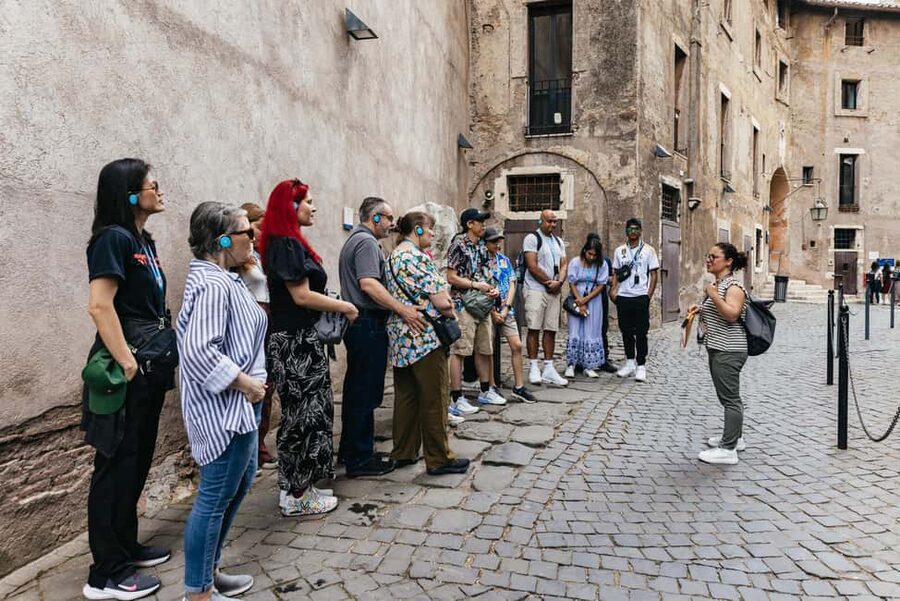
The tour includes access to the Olearie area, which is one of the spots that tends to feel different from the obvious “tomb and view” angle. This is the kind of stop that reminds you a fortress had a working side, not only a dramatic side.
What I like about including areas like the Olearie is that you get a more complete sense of how the castle functioned. It turns the visit from a straight history lecture into a place you can visualize as a machine that supported daily life and big decisions.
Even if your favorite part of Rome is art and views, this is the kind of stop that gives you context for why certain rooms exist and why corridors lead where they do.
Prisons That Put the Fear in the Architecture
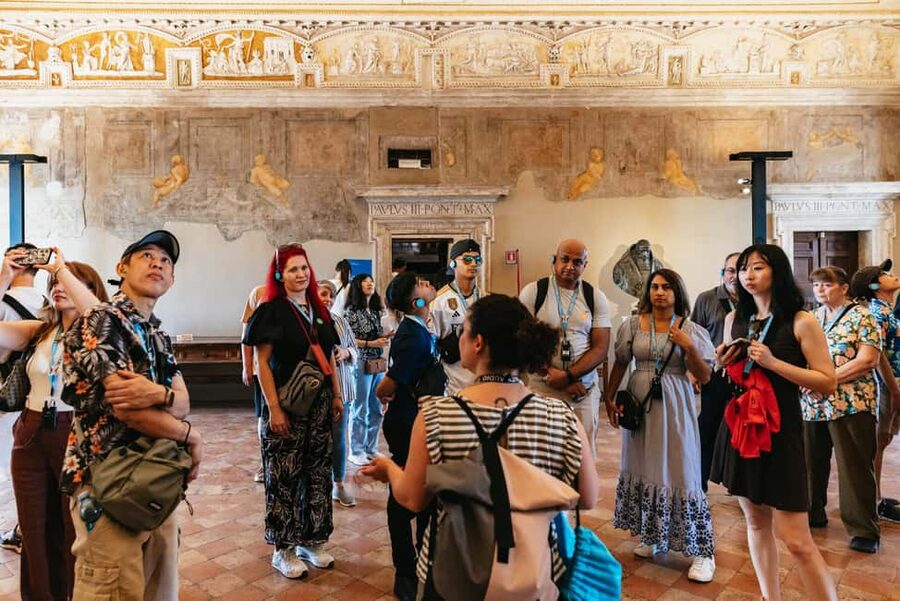
You’ll also explore the historical prisons. This part of the tour is where the castle’s darker purpose becomes more concrete. It’s not just a fact you hear, it’s an environment you experience while listening.
The value here is interpretation. A good guide connects the design choices to the function. You learn how confinement worked in that setting and why a fortress like this made sense when authorities needed control and secrecy.
This is also where you may appreciate the headset support. When you’re inside tighter spaces, it can get noisy and echoey. The tour provides headsets if needed, so you can keep your attention on the guide’s explanation instead of straining to hear.
A few more Rome tours and experiences worth a look
- Skip-the-Line Group Tour of the Vatican, Sistine Chapel & St. Peter’s Basilica
★ 4.5 · 12,779 reviews






Clemente VII’s Theater, Then the Art Around It
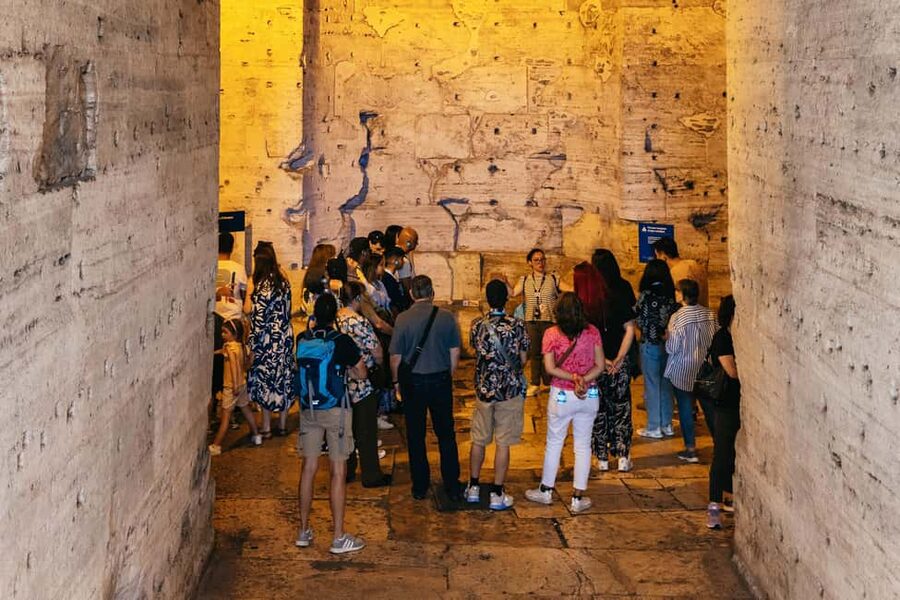
Another standout stop is the theater of Clemente VII. It’s an intriguing contrast to the prison sections, and that contrast helps the castle feel real. Rome’s elite could hold ceremonies and stage performances, but the same complex could also serve harsher needs.
Along the route, you’ll admire magnificent sculptures and paintings and other masterpieces surrounding the castle. You’ll also hear what these artworks mean within the setting, not as separate museum objects.
That’s a big reason this tour gets strong results from people who care about more than just photo angles. You’re not only collecting views. You’re building a story that ties people, politics, and art together in one place.
The Treasury Room and Why It Matters
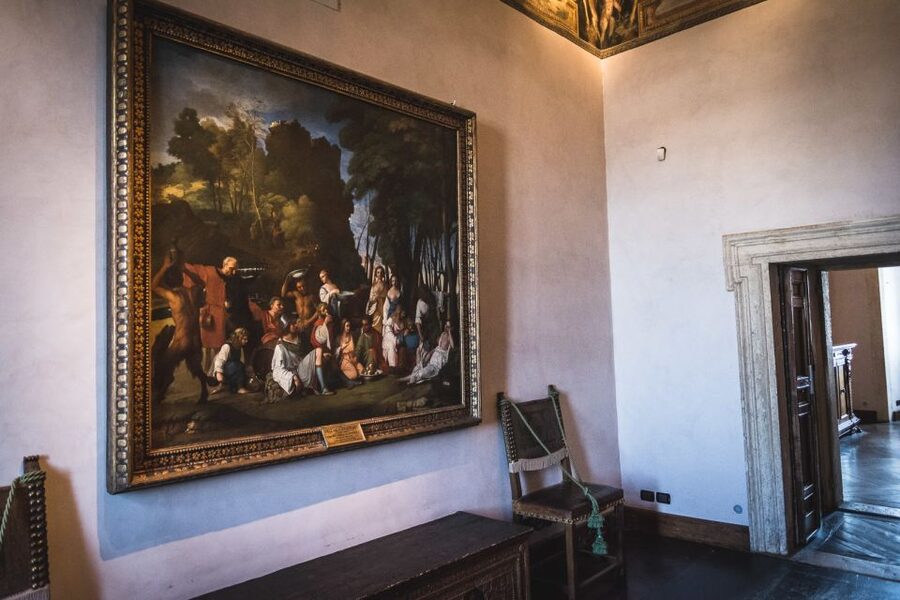
You’ll see the treasury room as part of the guided experience. This stop helps explain the fortress as an instrument of state power.
When a building holds money, records, or valuable items, it becomes strategic. The treasury function also ties back to the castle’s location and defensive strength. A fortress can look like a monument from outside, but inside it makes sense as an operating center for authority.
This is a good moment to slow down mentally. If you’re the type who likes to understand a place, take a beat here and picture what it would have meant to move something valuable within those walls.
Rome From the Terrace: Photos, Breath, and Timing
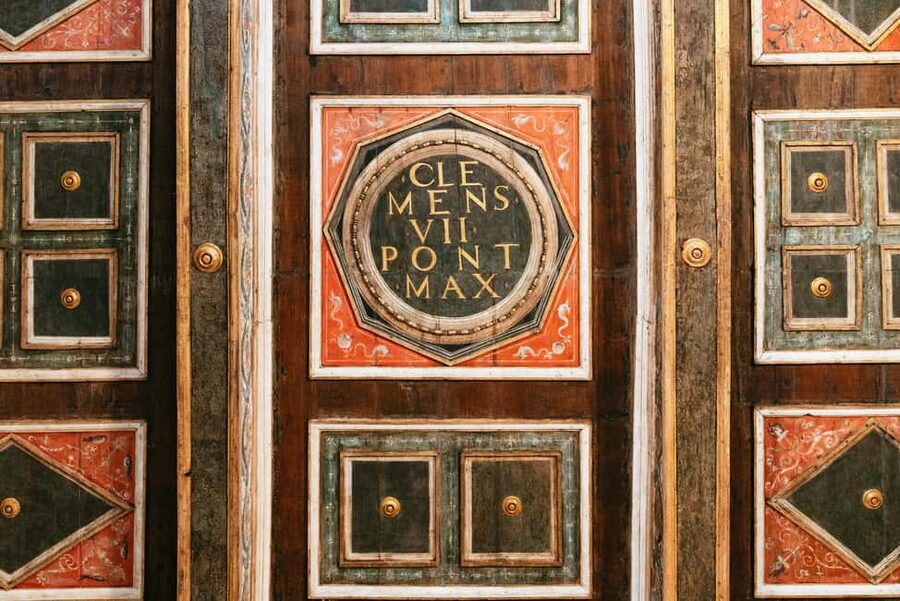
The tour ends with panoramic views from the castle’s terrace. The view is the classic payoff, but your experience will depend on when you go and how much you want to take in.
One useful tip: if you catch a time slot near sunset, the view can be especially memorable. There’s at least one winter-schedule experience where people described the sunset over Rome as gorgeous. In other words, check the available times and try to pick one that matches your preferred light.
Plan for the stairs. You will need to climb a series of stairs to reach the terrace, so bring your steady pace and don’t rush the final climb. Once you’re there, take your time with photos, but also look without the phone for a minute. The terrace gives you a geographic sense of the city that’s hard to get from street level.
The Guide Makes or Breaks It, and Here You Have Proof

This tour is run in English with a live guide, and headsets are available if needed. The quality of guides seems consistently high based on the names people mention after the tour.
You might be guided by professionals like Alex, Alec, Donatella, Alicia, Oleg, or Angnese. What comes through in the way people describe these guides is not just facts, it’s delivery. They keep the pace moving, add humor, and answer questions while still making the castle’s timeline make sense.
I also appreciate that people talk about clear audio and guide presence. One advantage of headsets is that you can hear your guide without constantly turning your head to compete with other conversations.
If your biggest concern is getting lost in Rome history, this tour style is designed to prevent that. You don’t just read about the castle, you learn why it mattered, then you walk through the spaces where that meaning is physically there.
Practical Tips That Keep the Tour Stress-Free
Here’s how to set yourself up for a smooth visit.
Wear:
- Comfortable shoes, because the route includes stair climbing
Plan around rules:
- No food and drinks
- No luggage or large bags
- Unaccompanied minors are not allowed
Bring:
- Your passport or valid ID
- The full names of participants must be provided exactly as they appear on your passport or valid ID during booking
Know this before you go:
- Late arrivals or no-shows will not be accommodated or refunded
- The tour is not suitable for wheelchair users
If you’re traveling with friends, one useful mindset is to treat this like a guided walk with stops, not like a choose-your-own-adventure. Staying close to the group keeps the timing tight and makes the guide’s explanations easier to follow.
Value Check: What You’re Really Paying For
At $66.05 per person, this is not a “cheap ticket and see what happens” kind of outing. The value comes from three places:
1) Skip-the-line access
You’re paying to lose less time outside and spend more time inside the castle.
2) Access to areas typically closed off
Areas like the Olearie area, the historical prisons, and the theater of Clemente VII are exactly the kind of stops that can be hard to reproduce on your own.
3) A live guide plus audio support
The inclusion of headsets if needed is a quiet but real value. Clear audio makes the difference between remembering the story and just thinking you heard something important.
If you’re the type who enjoys architecture and wants context, the ticket price starts to feel fair. If you’re mainly chasing the easiest views and don’t care about the story, you might feel this is more structured than you need. But if you want your visit to connect into one coherent narrative, this is the better way to do it.
A Great Add-On: Aperitivo After the Tour
The tour includes an optional idea: add a traditional aperitivo in a bar nearby after the visit. That’s a smart way to extend the experience without turning your day into museum fatigue. You can sit, decompress, and talk through what you just saw, plus it’s an easy rhythm shift from castle stairs to city life.
Pick a place that’s convenient to where you’ll be walking next, and keep it simple. Aperitivo is best when it feels like part of your Rome day, not a chore.
Should You Book This Castel Sant’Angelo Skip-the-Line Guided Tour?
Book it if you want more than the basics. I’d especially recommend it if:
- you care about how a site changed roles over time, from tomb to prison to treasury
- you want access to areas generally closed to the public
- you prefer a guide who keeps the pace lively and explanations clear
- you want panoramic views plus the context that makes those views meaningful
Skip it or reconsider if:
- stairs are a major issue for you
- you strongly prefer self-guided wandering with zero structure
- you’re short on time and want only the fastest possible outdoor viewing
If you’re on the fence, one practical test is this: do you want the castle to make sense as a story? If yes, this tour is a solid choice.
FAQ
How long is the Castel Sant’Angelo skip-the-line guided tour?
It lasts about 1 to 2 hours. Start times vary, so you’ll need to check availability for the specific slot you want.
What’s included in the price?
Your ticket includes skip-the-line entrance to Castel Sant’Angelo, a live guide, and headsets if needed.
Where do we meet for the tour?
Meet in front of the main entrance to the Lungotevere Castello. Look for a Loving Rome representative holding a Loving Rome flag.
Is this tour wheelchair accessible?
No, it’s not suitable for wheelchair users.
Do I need to bring ID?
Yes. You’ll need to provide the full name(s) of each participant exactly as they appear on your passport or valid ID, and you should bring your passport or valid ID for verification.
Are food and drinks allowed during the tour?
No, food and drinks are not allowed.
Can I bring luggage or large bags?
No, luggage or large bags are not allowed.
What happens if I arrive late or miss the tour?
Late arrivals or no-shows will not be accommodated or refunded.
More Guided Tours in Rome


More Tours in Rome


More Tour Reviews in Rome
Not for you? Here's more nearby things to do in Rome we have reviewed








Skip the Line, compared.
 ★ 4.4Vatican Museums & Sistine Chapel Skip-the-Line Entry TicketFrom $4313,838 reviews
 ★ 4.5Skip-the-Line Group Tour of the Vatican, Sistine Chapel & St. Peter’s BasilicaFrom $3012,779 reviews
 ★ 4.2Vatican Museums & Sistine Chapel Skip-The-Line TicketFrom $4111,708 reviews
 ★ 4.5Vatican, Sistine Chapel & St. Peter’s Skip-the-Line TourFrom $587,770 reviews
 ★ 4.2Vatican: Vatican Museums Sistine Chapel Skip-the-Line TicketFrom $716,682 reviews
 ★ 4.4Castel Sant’Angelo Skip-the-Line Ticket & Audio GuideFrom $203,500 reviews
 ★ 4.4Castel Sant’Angelo Skip-the-Line TicketFrom $343,040 reviews
 ★ 4.8Borghese Gallery Guided Tour with Skip-the-Line EntryFrom $842,649 reviews