
Reviewed · MUSEUMS
Rome: Capitoline Museums Private Guided Tour
Great museums start with a great guide, and this private Capitoline Museums tour pairs an art historian with efficient skip-the-line timing. I especially loved seeing Marcus Aurelius in the museum setting, then getting Rome’s Roman Forum views from inside the museum route.
I also love the Pinacoteca Capitolina stop, with major painting names like Caravaggio and Titian in an easy-to-follow storyline. One consideration is that at $201.65 per person, the visit is tightly paced, so you will not wander slowly through every room on your own.
Key things you will notice right away
- A true private-group format with a max of 20 people, plus a professional art historian guide
- Skip-the-line access so Rome’s ticket lines do not eat your time
- Marcus Aurelius plus Roman Forum views reached via an underground route through the Tabularium area
- Oldest public collection energy at the Pinacoteca Capitolina, with paintings by Caravaggio, Guido Reni, and more
- Iconic Roman statues in context, including the Capitoline Wolf and the Spinario
- Castellani collection of about 700 Greek and Etruscan vases, a rare chance to focus on everyday ancient objects
A private Capitoline Museums tour that actually makes the art click
If you have ever stared at a statue in a museum and thought, Wait, what am I supposed to notice?, this is the kind of tour that answers that question fast. The Capitoline Museums are Rome’s big art brain, but they can feel like a lot if you go solo. With a guide, the building stops being just a container for masterpieces, and starts turning into a map of Roman power, taste, and storytelling.
You get a 2.5-hour guided route that mixes sculpture, paintings, and the museum’s two historic seats. The pacing is brisk, but not rushed. Your guide points out what matters, and then explains why it mattered. Also, Rome’s ticket lines can be a grind, so skip-the-line access is not a luxury here. It is time you can spend looking instead of waiting.
One thing I appreciate from real tour experiences: the guide team can be flexible if something human happens. In one rainy-day case, a name sign at the entrance caused confusion, and help was quick when someone called. Later, when a guest felt light-headed about 90 minutes in, the guide paused for water and then added extra time so the tour still felt complete. That mix of professionalism and care is the difference between a checklist tour and a good one.
You can also read our reviews of more guided tours in Rome



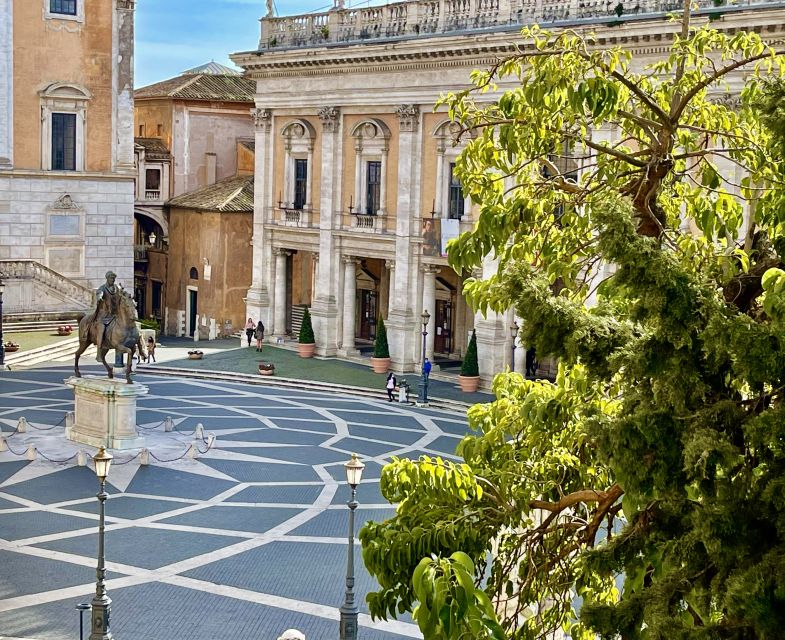
Starting at the right spot: the equestrian statue and smart first moments
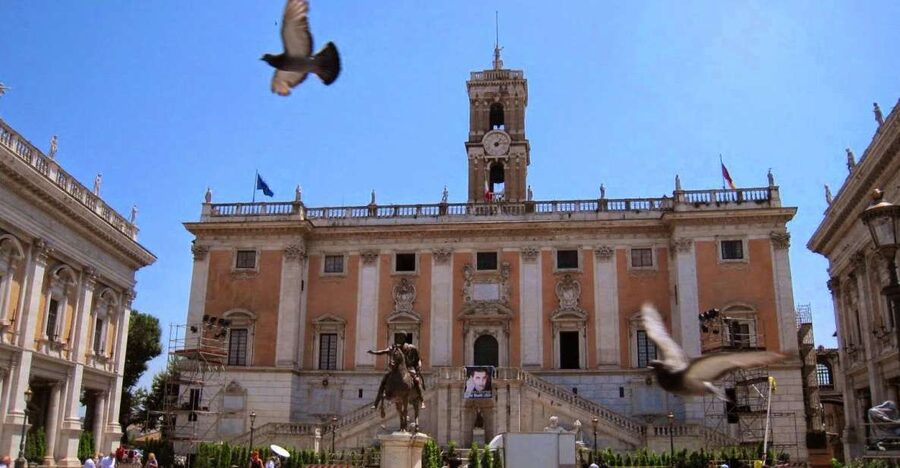
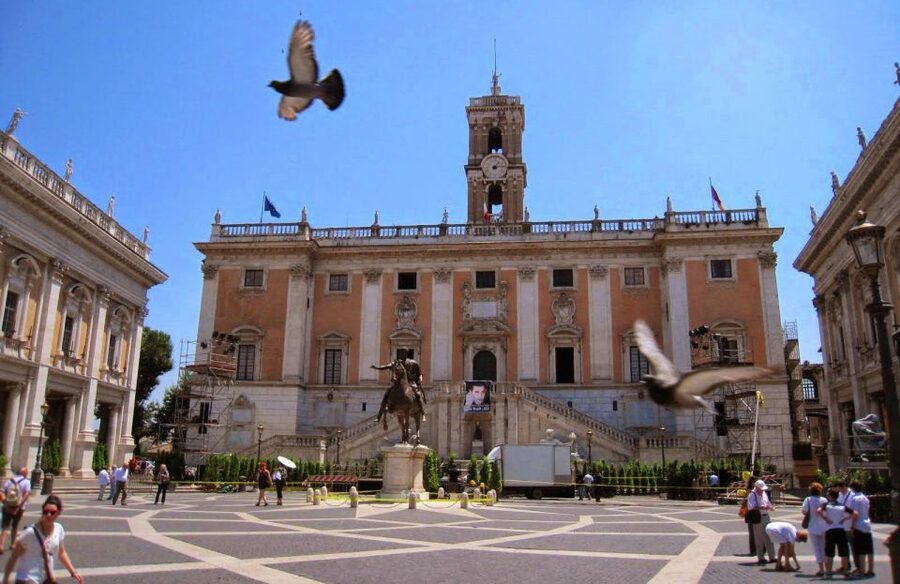
The tour begins at the Capitoline Museums, with your guide waiting for you at the entrance holding a sign with your name. This is not a vague meetup point. You can actually find the person, even if it is busy.
From there, you start near the equipping point for the whole visit, the area connected with the museum’s famous equestrian presentation. Even if you only have 2.5 hours, this start matters because it sets the theme: Rome loves images of authority, and the Capitoline Museums keep bringing you back to that idea.
You will wear comfortable shoes for this day. The site involves indoor stairs plus walking between the two historic sections, and the route is designed to move you efficiently. It is also a good moment to do a quick mental reset. Rome museums can be intense, and a guide helps you process the pieces in a calm order rather than in a blur.
Palace of the Conservatives: where the Roman classics start talking
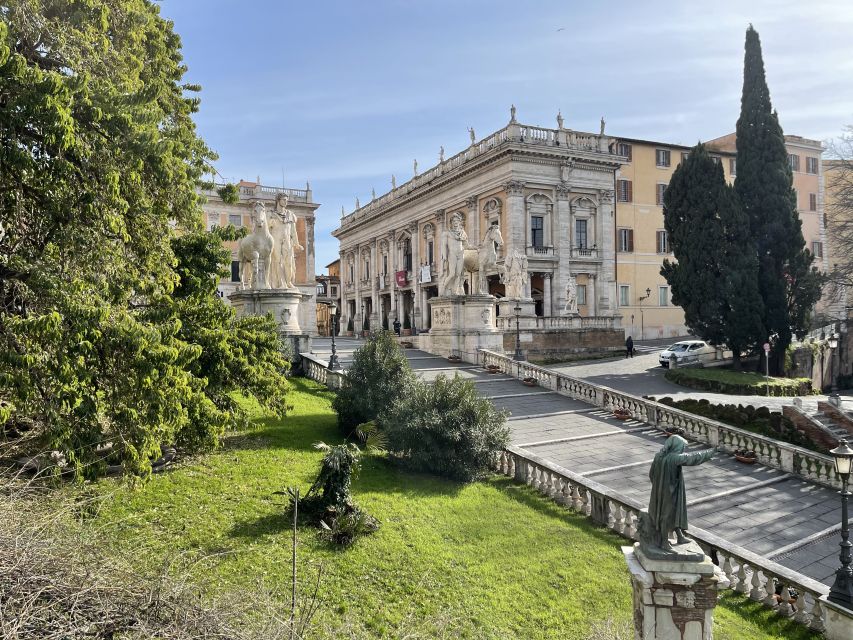
The heart of the visit begins at one of the museum’s historic seats, the Palace of the Conservatives. This is where the tour earns its value: you do not just see objects, you see how the museum arranges Roman identity.
In the courtyard area, you can spot the remains of a colossal acrolith representing Constantine. This is the kind of detail that is easy to miss if you are reading labels alone. With a guide, it becomes a story about how monumental images and religious-political shifts landed in real public spaces.
Then you move through key sculptural moments, including:
- Capitoline Brutus, a bust that anchors the theme of Roman virtue and civic identity.
- Spinario, the Greco-Roman bronze boy withdrawing a thorn from his foot. It is small compared to some museum giants, but it is emotionally readable. Your guide’s explanation helps you see the expression and the realism.
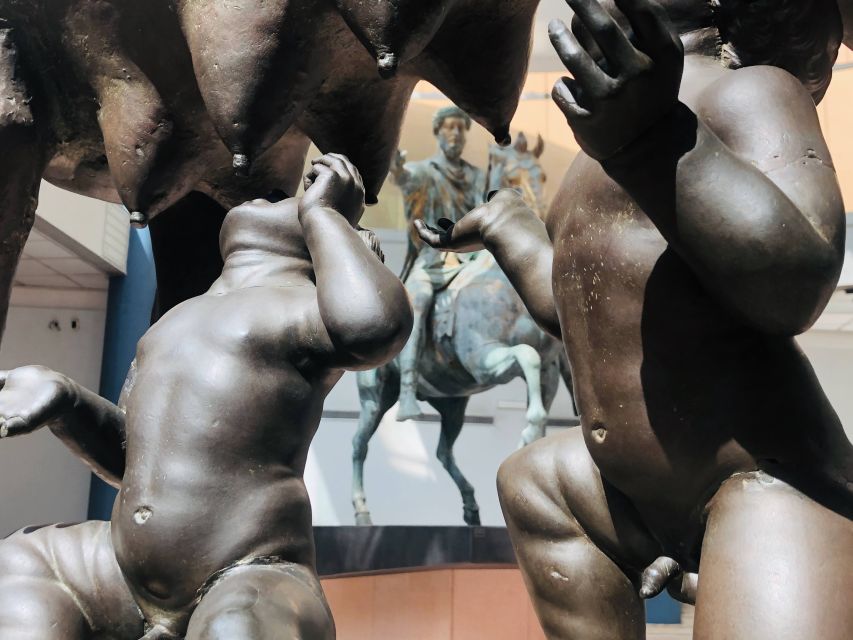
- Capitoline Wolf, the bronze she-wolf nursing Romulus and Remus, which has become a symbol of Rome itself. This is the sort of object that feels familiar because the story is famous, yet it is still powerful in person.
- The Castellani collection with about 700 Greek and Etruscan vases. This is a big hit for anyone who likes ancient daily life, not just the big myth statues.
What I like about this part of the tour is the mix. You get myth, power, and craft. You also get the guide doing the quiet work of linking pieces so your brain stops treating the museum as random art fragments.
Pinacoteca Capitolina: painting that is old, but explained clearly
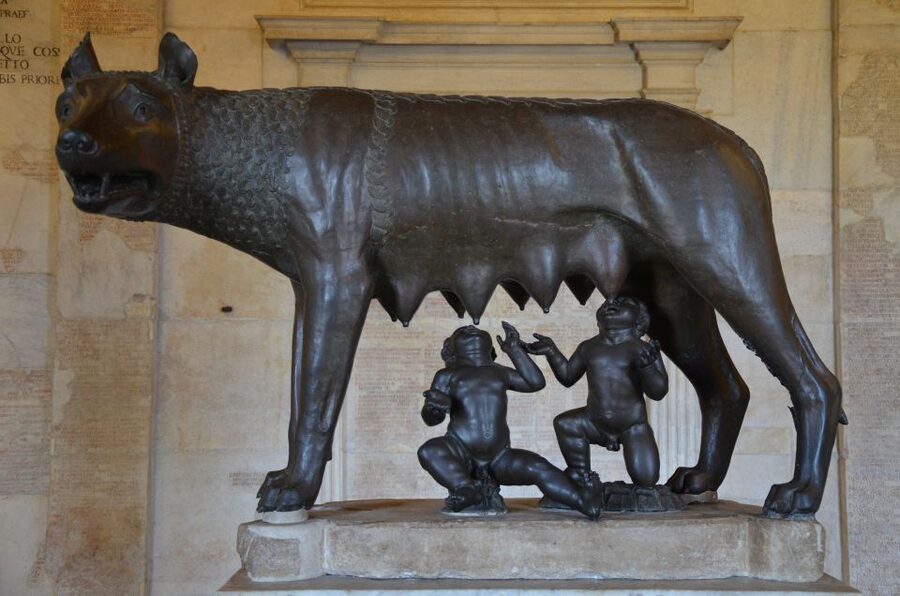
After the sculpture-heavy early stretch, the tour shifts to the second floor and the Pinacoteca Capitolina. This is the oldest public painting collection in the world, and it feels that way once you are in the room. It can be tempting to treat paintings as background, especially when you are already excited about statues. A good guide makes you slow down.
Here you will see works by major artists such as Caravaggio, Guido Reni, Carracci, Guercino, Domenichino, Veronese, Titian, Tintoretto, Rubens, and Pietro da Cortona. That is a big roster, so the guide matters even more. You want someone to help you sort style and themes, not just name-drop.
This is also where you get a more complete picture of Rome as a place where artists borrowed from antiquity and then rewrote the rules. The tour then connects you to frescoes and sculptures from Renaissance and Baroque Rome. If you have ever wondered how medieval and Renaissance taste grew out of classical foundations, this section is a practical way to see it.
A practical tip: if you are the kind of person who reads every label, this will still feel satisfying. The guide points out what to look for visually, so you get more out of the time spent in front of each painting.
Ground floor and the Marcus Aurelius moment you will remember
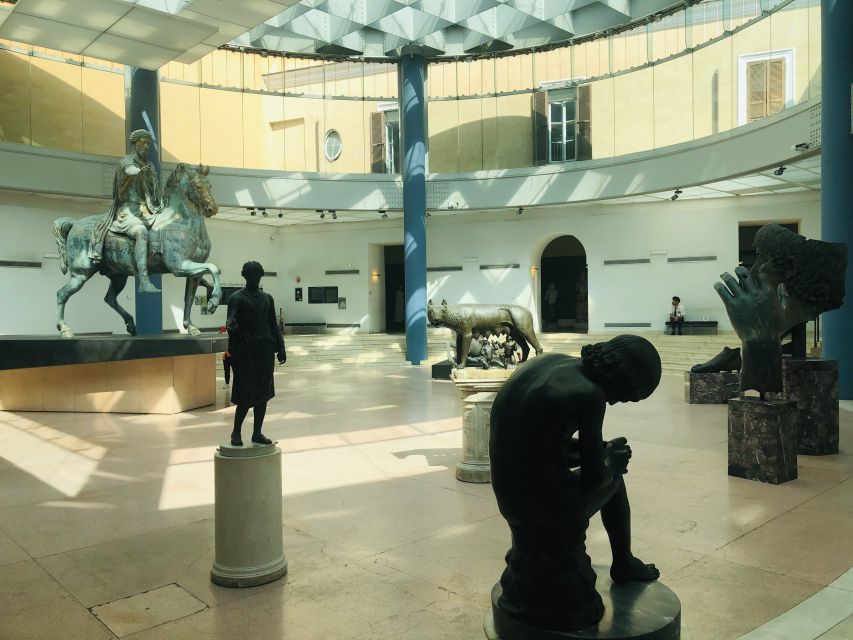
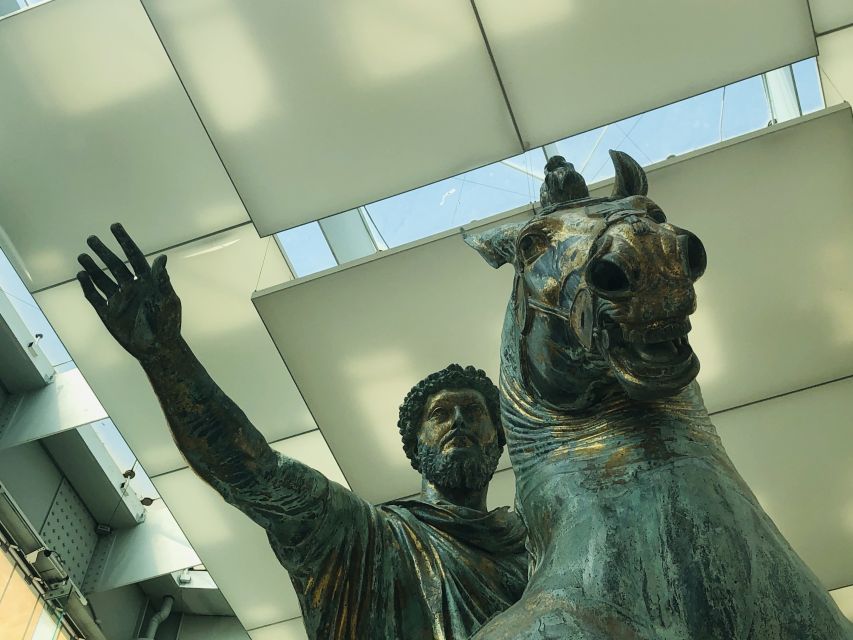
After the Pinacoteca, the route moves to the ground floor. This is where you get the exedra featuring the equestrian statue of Marcus Aurelius.
You may have seen this statue in books, but in the museum it lands differently. The guide helps you appreciate the placement and the setting. Even more interesting is that you also see ruins of ancient temples still visible in the building structure. That detail is a reminder that this museum sits on layers of Rome, not in a sealed-off fantasy space.
This part is a good time to take a breath. Your guide is likely walking you through what you are seeing, but the physical context also does some work for you. Roman ruins inside an art museum can feel surreal. With the right explanation, it becomes logical.
You can also read our reviews of more private tours in Rome


The underground route through the Tabularium and the Roman Forum views
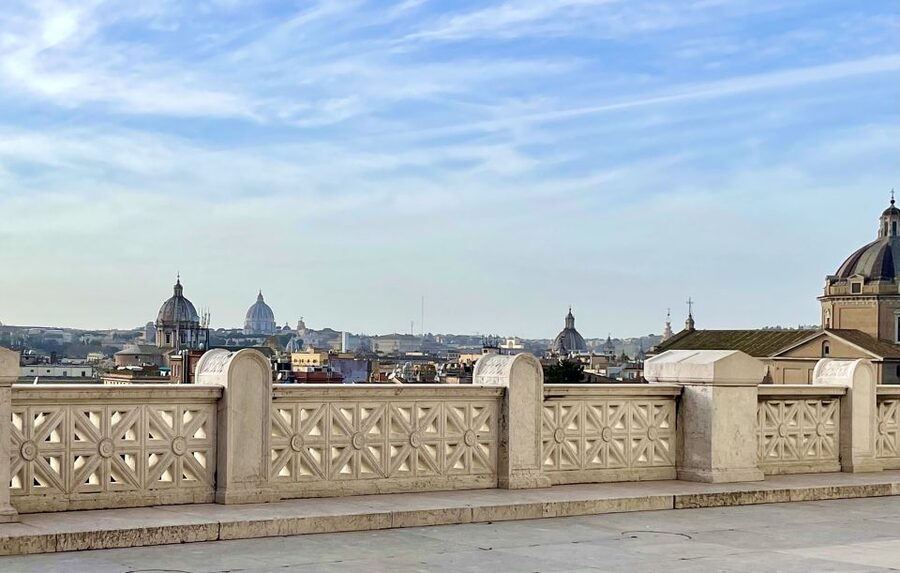
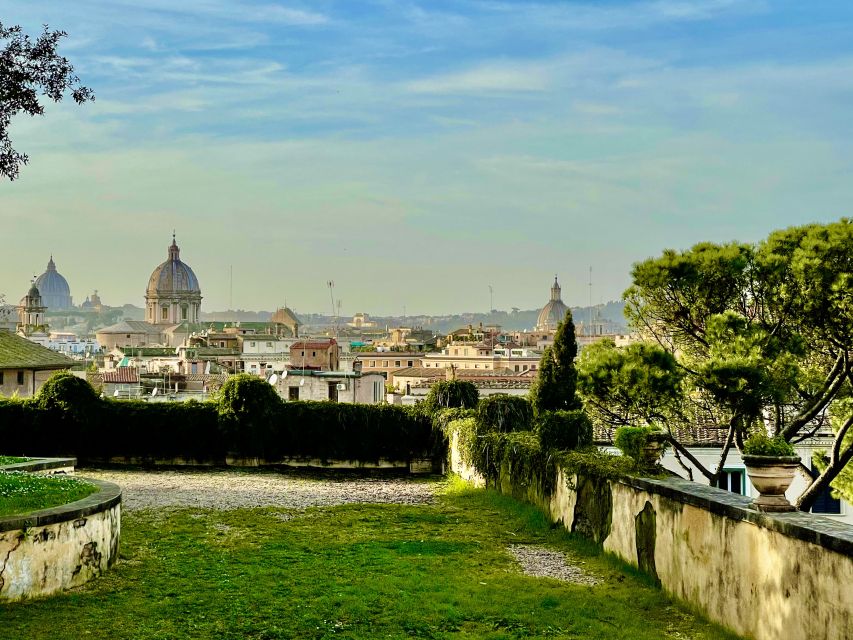
One of the most satisfying parts of this tour is the transition from museum rooms to an outdoor-feeling moment. Your guide leads you through an underground tunnel that crosses the Tabularium.
From there, you get magnificent views over the Roman Forum. This is one of those moments that changes the whole day. You start with sculptures and paintings, then suddenly your eyes land on Rome’s civic heart. It makes the museum artifacts feel less like museum objects and more like pieces that once belonged to public life.
If you care about Roman history, you are getting two things at once:
- A guided interpretation inside the museum.
- A visual connection outside, without adding a separate sightseeing scramble.
Also, because the tunnel route is built into the tour flow, you are not doing guesswork about how to connect sights on your own. You just follow the plan.
New Palace: the second historic seat and the Roman artifact lineup
Next comes the second historic seat of the museum, the New Palace. This is where the tour expands beyond sculpture into a broader artifact mix, including statues, inscriptions, sarcophagi, busts, mosaics, and other ancient Roman objects.
This section is especially good if you like variety. You are not stuck in one category for the whole day, and your guide is likely shaping a narrative that links the objects to Roman identity and memory.
Highlights here include:
- Marforio, another famous statue connected to Rome’s mythology and symbolism.
- The Dying Gaul, a standout sculpture that communicates defeat and pathos in a way that is hard to forget once you see it.
- Cupid and Psyche, which brings a softer, myth-loving side to the collection.
The tour’s real value is how the guide helps you notice patterns. Roman art is not just decoration. It is persuasion, propaganda, taste, and storytelling, all at once. When you understand that, even the most crowded galleries feel less overwhelming.
Price, timing, and what you get for $201.65 per person
Let’s talk money in a grounded way. At $201.65 per person, this is not the cheapest way to see the Capitoline Museums. But you are paying for a package that matters in Rome:
- A professional art historian guide for about 2.5 hours total.
- Skip-the-line access, which protects your time and reduces stress.
- A route that’s clearly designed to connect major works across both museum seats and then tie you into Forum views.
If you go without a guide, you can still enjoy the museums. But you will likely spend more time figuring out what you should prioritize, and you will miss a lot of the “why.” In a museum like this, “why” is most of the experience.
Timing also matters. The museum part is about 2 hours, plus a short 20-minute scenic segment tied to the Forum views. That pacing is a plus if you have limited time in Rome or you want a structured introduction.
Who this private Capitoline Museums tour fits best
This tour is a strong match for you if you:
- Want a guided start-to-finish route through both palace sections in 2.5 hours
- Appreciate art context, not just object photos
- Like Roman icons and want them explained in a clean order
- Prefer a private-group format instead of wandering alone
It may be less ideal if you:
- Want to spend the whole day at the museum with no schedule at all
- Plan to bring oversize luggage or walking frames, since those are not allowed
For most people, it hits the sweet spot: a guided hit of Rome’s art and archaeology without turning your day into a logistics puzzle.
Should you book the Capitoline Museums private tour?
I would book it if you want the fastest path to feeling like you understand what you are seeing. The combination of sculpture, painting at the Pinacoteca Capitolina, and the built-in Roman Forum views makes it more than a museum walk. It is a Rome story told through objects, in a logical route.
Skip-the-line access also makes it feel like you are respecting your time. And if you have ever worried about finding guides in crowded places, the name-sign meetup is a simple, practical detail that helps.
If you are a budget traveler who is happy reading labels and moving at your own pace, you can DIY this museum. But if you want art and history to land with clarity, this private guided approach is a very solid value for what you get in 2.5 hours.
FAQ
Where do I meet the guide for the Capitoline Museums tour?
Meet at the Capitoline Museums entrance. Your guide will wait for you with a sign with your name, and the tour ends back at the same meeting point.
Is this a private tour?
Yes. It is a private group tour, with a maximum of 20 persons per booking.
How long is the Capitoline Museums guided tour?
The duration is about 2.5 hours. You should check availability to see the starting times.
Does the tour include skip-the-line access?
Yes. Skip-the-line access is included.
What is included in the ticket price?
You get the Capitoline Museums entry ticket, skip-the-line access, and a professional art historian guide.
What should I bring and wear?
Bring a passport or ID card and wear comfortable shoes. The dress code is smart casual.
Are there restrictions on luggage or equipment?
Yes. Oversize luggage is not allowed, and walking frames are not allowed.
What is the cancellation policy?
You can cancel up to 24 hours in advance for a full refund.
More Guided Tours in Rome


More Tours in Rome


More Tour Reviews in Rome
Not for you? Here's more nearby things to do in Rome we have reviewed












Museums, compared.
 ★ 4.5Vatican: Museums & Sistine Chapel Entrance TicketFrom $38144,003 reviews
 ★ 4.3Vatican Museums & Sistine Chapel Tour with Optional BasilicaFrom $7967,413 reviews
 ★ 4.5Vatican Museums, Sistine Chapel & St Peter’s Basilica Guided TourFrom $2239,149 reviews
 ★ 4.3Vatican Museums, Sistine Chapel & Basilica TourFrom $13013,872 reviews
 ★ 4.4Vatican Museums & Sistine Chapel Skip-the-Line Entry TicketFrom $4313,838 reviews
★ 4.7Vatican Museums, Sistine Chapel & Basilica TourFrom $7213,217 reviews
Vatican Museums & Sistine Chapel Guided TourFrom $11812,117 reviews
 ★ 4.2Vatican Museums & Sistine Chapel Skip-The-Line TicketFrom $4111,708 reviews