
Reviewed · VATICAN TOURS
Vatican: Guided Tour Vatican Museums and Sistine Chapel
One ticket. Two icons. That is the real appeal here: you get smart, guided time in the Vatican Museums and the Sistine Chapel, without spending your whole day stuck in lines. This is a focused tour route, built to cover major rooms and masterpieces in a tight 2.5 hours.
I like that you start with priority admission to the Vatican Museums and Sistine Chapel, plus entrance tickets included. I also like the practical audio setup, the included headphone set that helps you hear the guide clearly even when the crowd noise spikes.
The one thing to watch is timing and rules. In peak season, security can slow you down by up to 30 minutes, and if you are late you cannot join or reschedule, so plan to arrive early and dress correctly for a religious site.
Key things to know before you go
- Priority, skip-the-line entry that uses a separate entrance
- Headphones included so you hear the guide without leaning in
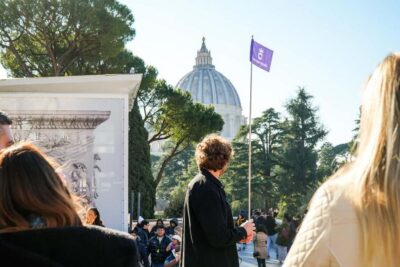
- Small group size (up to 10) for a more manageable pace
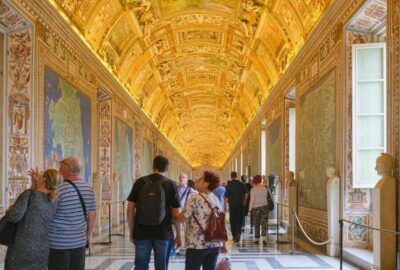
- Major highlights covered, including the Gallery of Maps and the Sistine Chapel
- Authorized guide in multiple languages, including English
Vatican Museums in 2.5 hours, the “right amount” of focus
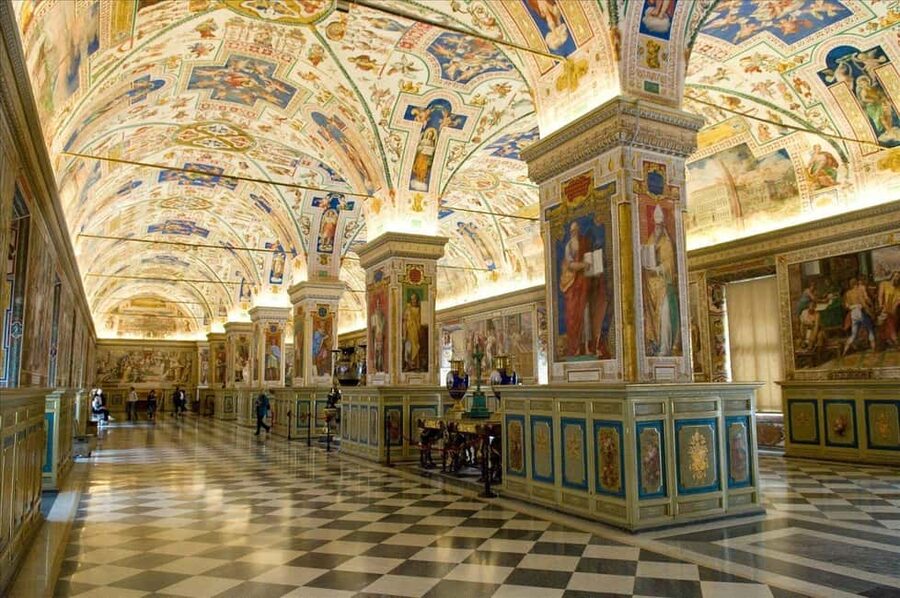
The Vatican Museums are big. Like, you-can-get-lost-big. That is why a guided route matters, even if you think you could wander on your own. With this tour, you are not trying to see everything. You are seeing the pieces that make the museum collection feel organized, and you get context for what you are looking at.
You also get a clear, timed payoff. You spend the morning or early slot moving through major galleries, then you land at the Sistine Chapel when the tour has done its job: you understand what you are about to see, and your visit is not just a quick stare from the doorway.
The value is in the included extras. Priority entrance tickets and headphones are doing real work for you. They reduce friction, cut down waiting, and make the guide’s explanations easier to follow. And because the group is limited to 10 people, you are less likely to feel like you are being dragged through rooms at an airport speed.
Price check: $95.78 per person for 2.5 hours is not bargain-bin, but it is not just a “tour chat” either. You are paying for priority access, an authorized guide, museum and chapel entry, and audio. If you have ever tried to assemble a self-guided museum plan at the last minute, you know how much time and hassle can add up.
You can also read our reviews of more guided tours in Rome



Where you meet and how early you should arrive
The meeting point is at Habemus Tours, Via Del Mascherino 37/41. After booking, everything is arranged, but you still need to show up, check in, and use your reservation code to pick up your tickets. You should arrive 30 minutes before the booked departure time.
This matters more than people think, because the tour is structured for a fast entry flow. Also, the Vatican security process can take up to 30 minutes in peak season. You do not want your day built around a guess about the line, so arrive early and treat it like a theater curtain time.
One more heads-up that helps you plan: the tour is not suitable for wheelchair users, and you should bring a passport or ID card (a copy is accepted). If you have a student card, bring it too.
Priority admission and headphones that actually help
The best part of this setup is that you are not forced to join the same slow, unpredictable line as everyone else. The tour includes skip-the-line through a separate entrance and priority admission for both the Vatican Museums and the Sistine Chapel. In plain terms, it helps you start sightseeing sooner, and you protect your time inside the museum.
Inside, the headphone set is a small detail that makes a big difference. Vatican crowds are loud, and rooms can be echoey. With headphones, you do not have to keep “trying” to hear your guide over everyone else’s footsteps and murmurs.
The tour languages include Spanish, Portuguese, Italian, English, and French, so you should be able to find your comfort zone. And the guide format is consistent with what you want in this kind of museum: you hear the explanation, you see the work, you move on.
Vatican Museums route: how the highlights connect
This tour moves through a classic core route. Instead of randomly bouncing between rooms, you follow a sequence that builds meaning. The Vatican Museums can feel like a warehouse of famous names if you do not get any framing. A good guide turns the scattershot feeling into a storyline, from where the art came from to why it mattered to the popes who collected it.
I especially like that the tour calls out major sculptures and gallery landmarks. When someone tells you what you are looking at, you start noticing details you would otherwise miss, like the way a statue’s pose and surface wear can communicate age, restoration, and even original placement.
And because this is a small group, you can actually pause. You are not stuck taking photos while your group leader is already aiming for the next room.
Cortile del Belvedere: the museum’s “reset point”
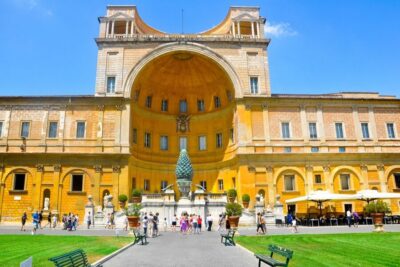
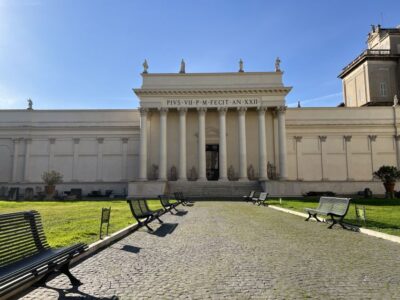
The itinerary includes Cortile del Belvedere, a guided stop that works like a breather before the denser museum rooms. Courtyards inside the Vatican Museums can help you reset your eyes and your pace. You catch the scale of the complex, and you get a sense of how the collections were displayed over time.
Drawback? Courtyards can still be busy. If you are sensitive to crowds, keep your expectations realistic. This tour is designed for quick movement through highlights, not for a quiet, slow experience.
You can also read our reviews of more museum experiences in Rome



Museo Pio Clementino: where statues feel less like “objects”
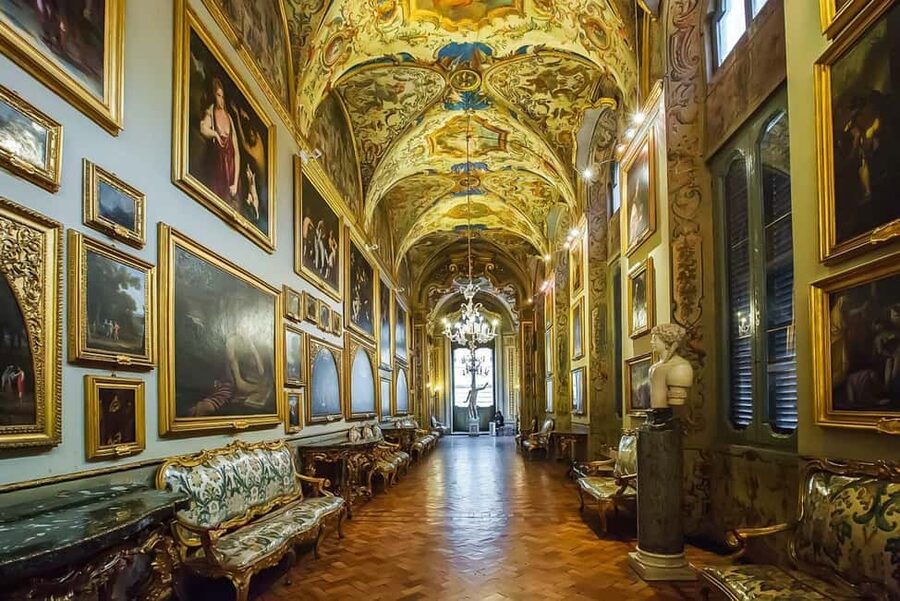
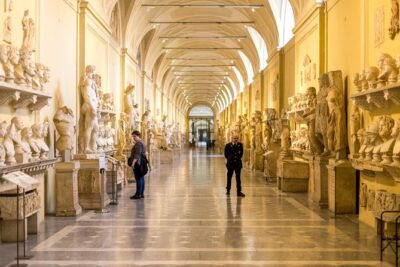
One of the tour stops is Museo Pio Clementino, and this is the kind of space where a guide helps you look smarter. You will see that the museum does not just display art. It organizes art in a way that affects how you interpret it, like grouping works so you can compare styles, subjects, and sculpture techniques.
You also get access to famed examples named for you in the tour description, including Laocoon and His Sons, Apollo Belvedere, and the Belvedere Torso. Even if you have seen photos before, the physical presence hits differently when you are standing close and someone explains what you should be noticing.
Practical tip: give yourself permission to look up as well as straight ahead. In rooms like this, details in composition and framing can matter as much as the headline subjects.
Gallery of the Candelabra and Gallery of Tapestries: spectacle with context
The tour passes through the Gallery of the Candelabra and the Gallery of Tapestries. These stops are important because they broaden your view beyond sculptures.
The Candelabra gallery is about ornate display and visual rhythm. You learn how the museum builds drama into the viewing experience, and you get used to how crowded galleries can be managed by design. The Tapestries gallery shifts your attention to textiles and scenes, which can be harder to appreciate in a quick self-tour because you might not know what story to connect to what you are seeing.
Value of a guided stop here: without a guide, it is easy to treat these rooms as scenic corridors between “real stuff.” With guidance, they become part of the museum’s argument about taste, power, and collecting.
Gallery of Maps: your break from art-as-usual
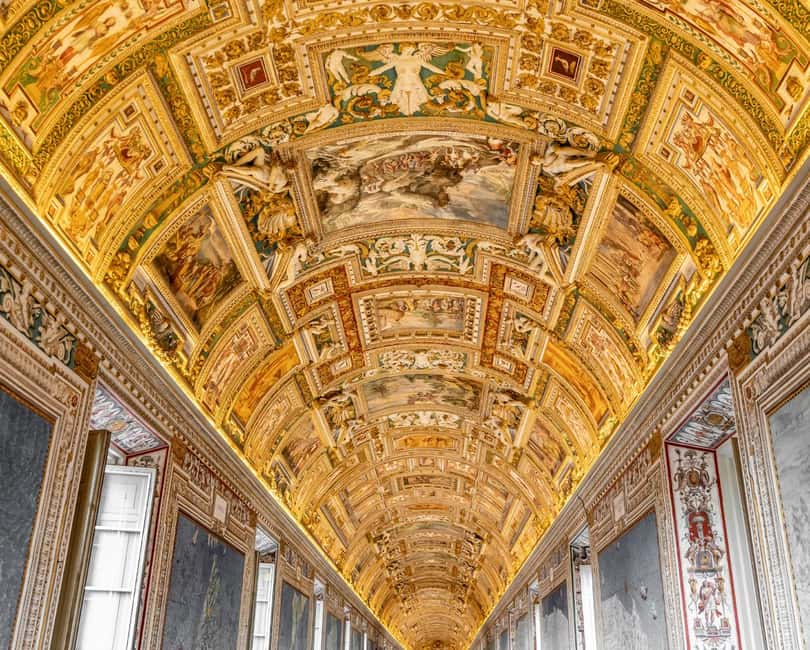
A standout included stop is the Gallery of Maps. This gallery is famous in its own right, and it is a nice change in pace because it is visual, educational, and less intimidating than purely sculptural rooms.
In a fast tour, you want at least one stop that feels like a mental reset, and the Gallery of Maps often does that. You are not only reading images, you are building a sense of the world as it was understood by the people who commissioned and curated such works.
If you like history that connects to what you see, this is a good place for it. If you only want religious art and frescoes, you might think this is “extra,” but it is actually the kind of detour that makes the whole visit feel more coherent.
The Sistine Chapel: how to make your minute count
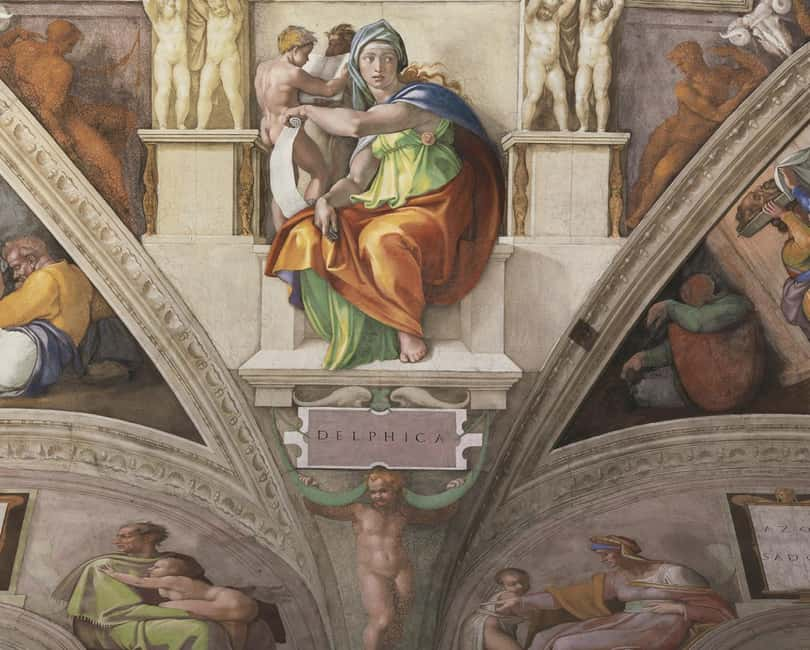
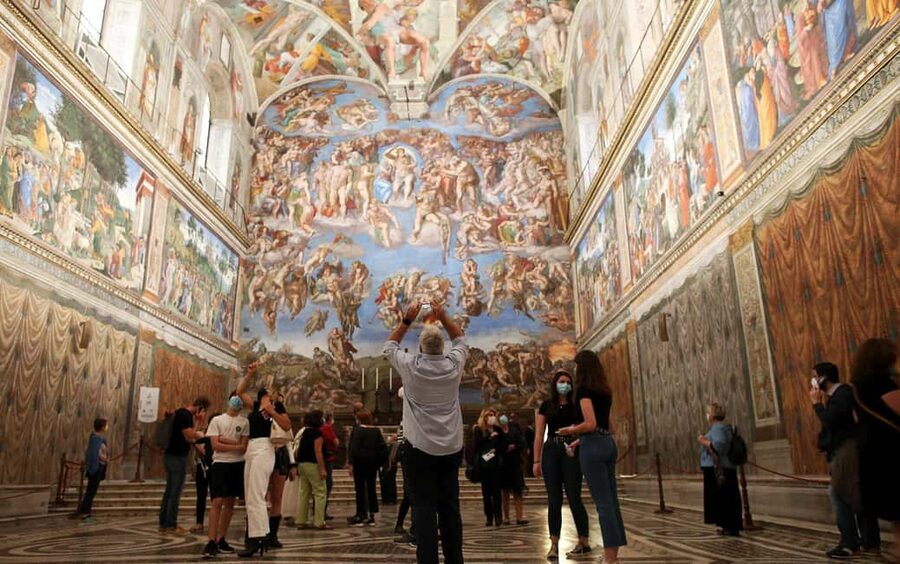
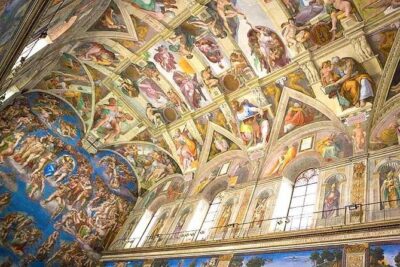
Then you reach the big finish, the Sistine Chapel. This is where the tour earns its name. Your guide gives you time to admire the frescoes on the walls and ceiling, and you focus on Michelangelo’s biblical scenes.
The descriptions you get in the chapel matter, because the ceiling can look overwhelming if you are just scanning. With the guide’s direction, you are more likely to understand what you are seeing, not just that it is famous. The tour also points you toward the sense of drama that culminates in Michelangelo’s Last Judgment.
One consideration: the chapel is a religious site and dress rules apply. You need to follow the basics: shoulders and knees covered. That means no short skirts and no sleeveless shirts. It is worth checking your outfit the night before so you are not dealing with last-minute clothing changes.
Also, because it is busy, keep your expectations realistic about crowding. Your goal is to absorb the art, not to get an empty-room moment.
What the guides do right, and why it shows
A tour lives or dies on the guide. The strong word that comes through is clarity and passion. I have seen this kind of feedback around guides like Sarah and Dané, where people singled out professional knowledge and a passionate, engaging approach. Another name that comes up is Silvia, praised for being informative and service-minded.
You might not get the exact same guide every time, but this does tell you something important about the operator’s approach. You are not buying a quick escort. You are buying interpretation, and the headphone system helps you actually keep up.
For me, that is the difference between leaving the Vatican museums remembering a few famous images and leaving with the feeling that you understood what you saw.
Who this tour is best for
This is a smart fit if you want:
- A high-impact highlights route without planning every turn yourself
- A guided explanation for sculptures, galleries, and the Sistine Chapel
- A manageable group size that does not feel like a school field trip
- Priority access when you want to protect your time
It may not be ideal if you:
- Need wheelchair access (the tour says it is not suitable)
- Want an unhurried, self-paced museum day
- Are planning to arrive late or you hate rules around dress and timing
Small-group pace in a crowded museum
Because the group is capped at 10 participants, you get a pace that is usually easier to follow than larger tours. You move through major rooms, but you still get moments to stop and look. The headphone set also reduces that frantic “wait for the guide to catch up” feeling.
Still, remember the museum is among the most visited in the world, so crowds are part of the deal. If you are traveling during peak season, your biggest enemy will be security time, not the art itself.
Should you book this Vatican Museums and Sistine Chapel tour?
If you want a high-value Vatican day that gets you into the museum and the chapel with less hassle, I would book it. The combination of priority admission, authorized guide, and headphones is exactly what you want when the Vatican is crowded and time is limited.
Book this tour if you are realistic about the pace and you are ready for the dress code and timing rules. Show up early, cover your shoulders and knees, bring your ID, and you will get a focused, satisfying overview of the Vatican’s biggest hits, finished with the Sistine Chapel in a way that actually helps you understand it.
FAQ
What does the tour include?
The tour includes priority entrance tickets for the Vatican Museums and the Sistine Chapel, an authorized live guide, and a headphone set to hear the guide clearly.
How long is the Vatican Museums and Sistine Chapel guided tour?
The duration is 2.5 hours. Starting times depend on availability.
Where do I meet the tour?
Meet at the Habemus Tours office at Via Del Mascherino 37/41. After booking, you check in there using your reservation code.
How early should I arrive?
You should arrive 30 minutes before your booked departure time to check in and be escorted to the Vatican Museums entrance.
What languages are offered for the guide?
The live tour guide is available in Spanish, Portuguese, Italian, English, and French.
Is there an included ticket for the Sistine Chapel?
Yes. Entrance tickets for both the Vatican Museums and the Sistine Chapel are included, with priority access.
Does the tour skip the line?
Yes. The tour includes skip-the-line access through a separate entrance.
What should I wear for the religious sites?
You must follow the dress code: shoulders and knees covered. Short skirts and sleeveless shirts are not allowed.
What identification should I bring?
Bring a passport or ID card (a copy is accepted). If you have one, bring a student card too.
What items are not allowed during the visit?
The activity states that weapons or sharp objects are not allowed.
Is this tour wheelchair accessible?
No. It is not suitable for wheelchair users.
More Guided Tours in Rome


More Tours in Rome
More Tour Reviews in Rome
Not for you? Here's more nearby things to do in Rome we have reviewed












Vatican Tours, compared.
 ★ 4.5Vatican: Museums & Sistine Chapel Entrance TicketFrom $38144,003 reviews
 ★ 4.3Vatican Museums & Sistine Chapel Tour with Optional BasilicaFrom $7967,413 reviews
 ★ 4.5Vatican Museums, Sistine Chapel & St Peter’s Basilica Guided TourFrom $2239,149 reviews
 ★ 4.3Vatican Museums, Sistine Chapel & Basilica TourFrom $13013,872 reviews
 ★ 4.4Vatican Museums & Sistine Chapel Skip-the-Line Entry TicketFrom $4313,838 reviews
★ 4.7Vatican Museums, Sistine Chapel & Basilica TourFrom $7213,217 reviews
 ★ 4.5Skip-the-Line Group Tour of the Vatican, Sistine Chapel & St. Peter’s BasilicaFrom $3012,779 reviews
Vatican Museums & Sistine Chapel Guided TourFrom $11812,117 reviews