
Reviewed · TRASTEVERE TOURS
Trastevere Food Tour Prime Edition
Trastevere food hits different when it comes with context. This 3-hour prime tour mixes classic Roman street food and Trastevere food-shop culture with the kind of history you can actually taste, including the story of how the freshest food reached the emperor’s table from this side of the Tiber. I especially like the personalized approach, with guides steering stops around your tastes and asking questions as you go. One thing to consider: the format is a full food fest, so you really do need to show up hungry, not during a casual snack-and-wander mood.
I also like how the stops cover more than one “theme.” You get street bites, a cured-meat and cheese tasting, a historic pizza moment, fresh pasta, espresso, and proper gelato, plus an orange spritz where you sit together and slow down for a minute. The one possible drawback is that with all that food packed in, you’ll want to plan your timing for the rest of the day, because you’ll likely be set for hours.
If you enjoy walking Rome, eating your way through neighborhoods, and learning why certain foods became local favorites, this is a strong match. It’s built for small group attention, led by local guides in Italian, German, English, and Spanish, and it stays centered on the Trastevere area.
Key highlights at a glance
- Small private group, big attention so you can ask questions and adapt to your tastes
- Traditional market visit that helps you understand what you’re eating and why it matters
- Suppli and Roman arancini with a behind-the-name story tied to French and Arabic influences
- Old Trastevere pizza stop tied to sourdough from 1824 and a classic, simple approach
- A full finish with espresso, fresh pasta, patisserie pastry, and proper gelato
- Orange spritz + sitting together to make the tour feel like a meal, not a sprint
Trastevere’s food story, from Adrian’s wall to your plate
Trastevere’s reputation is earned. This neighborhood has long been tied to everyday people, trades, and the movement of goods across the Tiber. The tour frames it with a historical setup that starts at the second wall circle under Emperor Hadrian, then zooms into the idea that fishermen, traders, and merchants made sure the freshest food reached the emperor’s table first.
That matters because it changes how you experience the eating. Instead of treating each stop like random samples, the day connects the dots: why street food is portable and practical, why shops specialize in repeatable products, and why Trastevere’s food culture is less about one fancy dish and more about a whole system of flavors.
It also gives you an easy mental map. You’re walking through a food district where the culinary roles feel inherited. That makes the tastings more fun, because you’re not only sampling, you’re picking up the logic behind what locals buy and share.
You can also read our reviews of more food & drink experiences in Rome

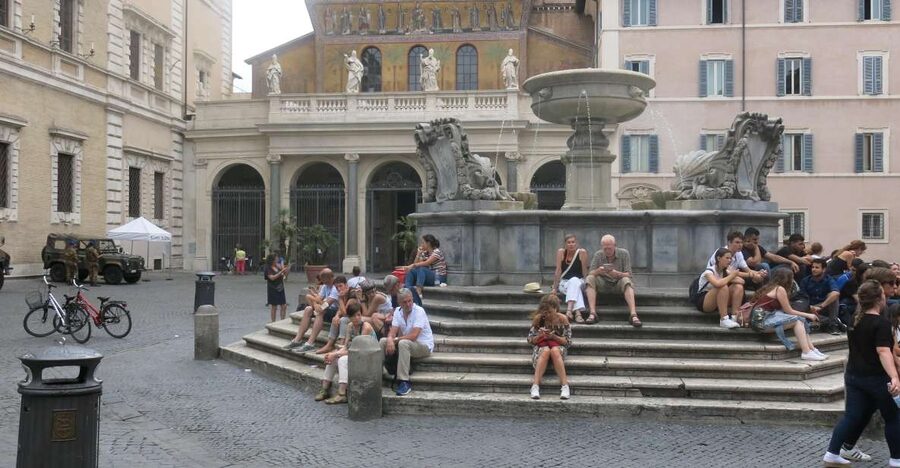
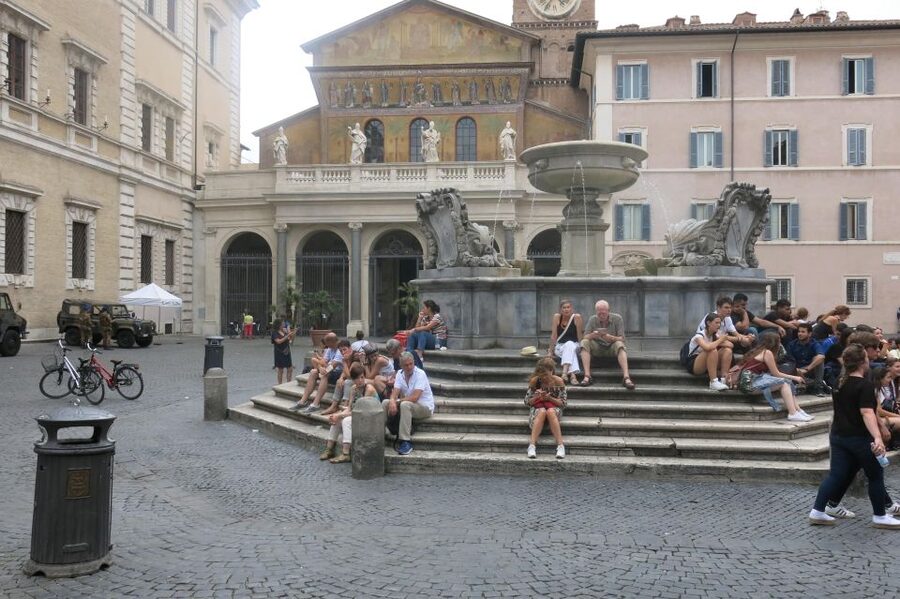
Meeting at Santa Maria in Trastevere and the 3-hour walking rhythm
You start at the front of the only church gate on the square for Santa Maria in Trastevere. The tour ends back at the same meeting point, so you don’t have to worry about figuring out transit afterward.
At 3 hours, the pace is steady. This is not a slow “linger and chat only” walk. It’s paced to fit multiple food stops plus a market look and enough conversation to make the history and food culture click. If you like structure, you’ll appreciate that. If you hate rushing, you’ll still be fine, but keep your expectations realistic.
One practical tip: wear shoes you can handle for a few hours of street-level walking. Trastevere’s charm is real, but the streets are still streets, not a flat museum floor.
The tour is set up as a private group experience, which usually means you get more direct interaction with your guide. That matters for picky eaters too, because you can steer toward your preferred flavors instead of forcing it.
The traditional market stop that powers the whole tour
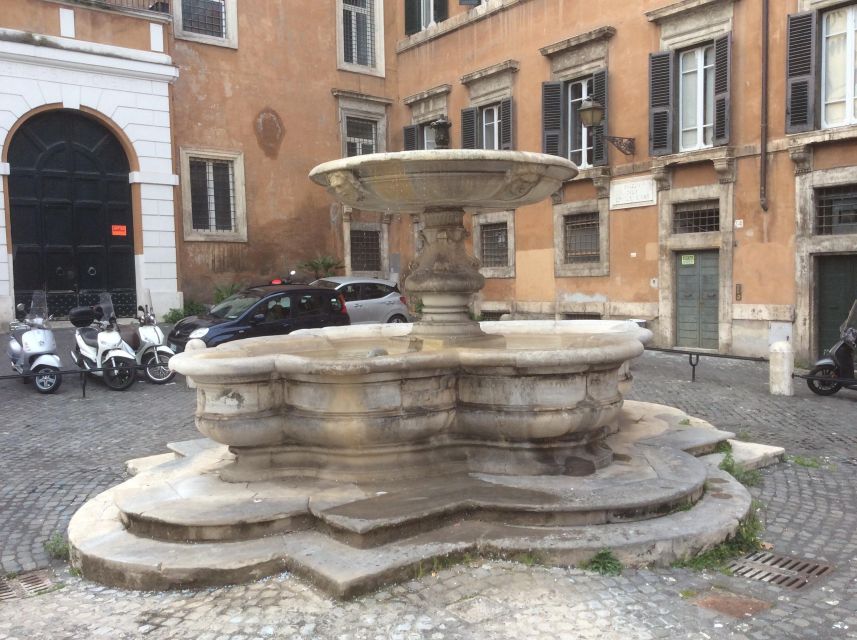
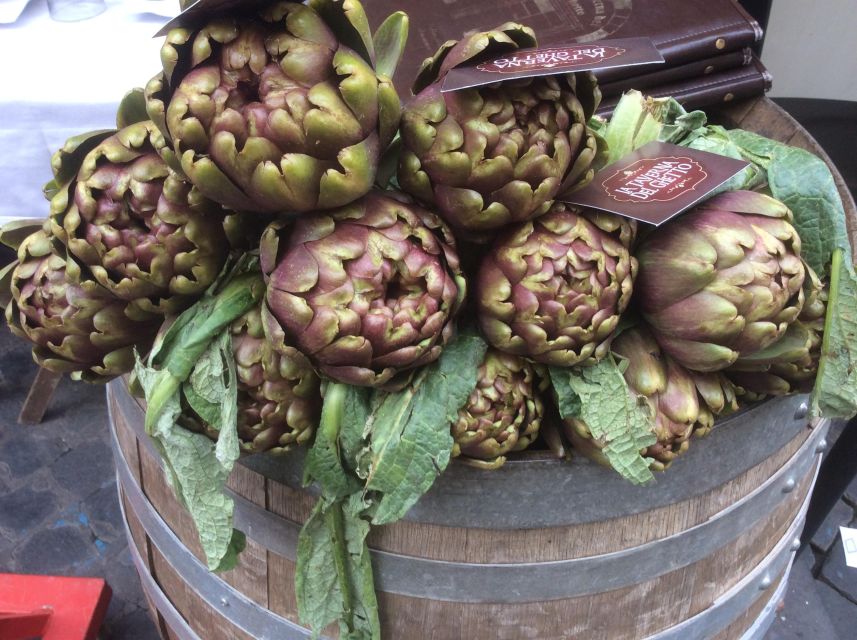
One of the most useful parts of this experience is the visit to a traditional local market. Markets do two jobs on a food tour: they show you ingredients and they show you habits.
On a day like this, the market stop sets your sense of what “fresh” means in Roman cooking. You’re not just eating end products. You’re seeing how the neighborhood sources and shops, which helps you understand why certain foods are so common and why shopkeepers and stall favorites keep their loyal customers.
You also get a stronger sense of place. Trastevere can feel like a postcard from a distance, but markets remind you it’s lived-in. You’ll likely notice the energy of people selecting, bargaining, and building their day around what’s available. Even if you don’t buy much, the observation itself makes the rest of the tastings feel more grounded.
If you’re the type who wants to go home with a few “next time I’m in Rome” rules, this is where you build them. You start to pick up what to look for and what to order without second-guessing.
Suppli and Roman arancini, street food with a name story
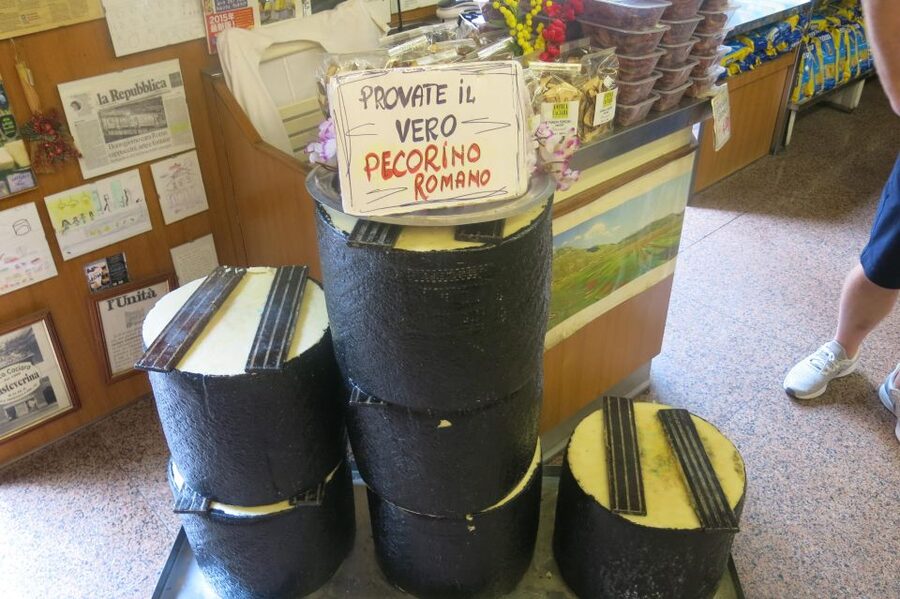
The tour’s big street-food anchor is suppli, also described alongside Roman arancini. This is the kind of snack that feels simple, but it has a strong identity in Roman food culture.
What I like here is the way the tour doesn’t treat the bite as a mystery. It frames the suppli as the most popular Roman street food and points you toward the real recipe, plus the background about the French name and Arabic influence. That type of detail turns a fried comfort food into a conversation about how food traditions travel, transform, and get adopted locally.
There’s also a practical reason this stop works early or mid-tour. Suppli is portable, hearty, and satisfying. It helps you build momentum, so you enjoy the next tastings instead of getting to them already “done.”
Possible consideration: since it’s street food, it’s best enjoyed warm and soon. This is not the stop where you should expect a slow sit-down pace. If you tend to eat fast anyway, great. If you’re someone who wants longer pauses, you might find the timing a bit tight, but the payoff is the variety that follows.
L’Antica Drogheria: cured meats and aged cheese, slow-savor style
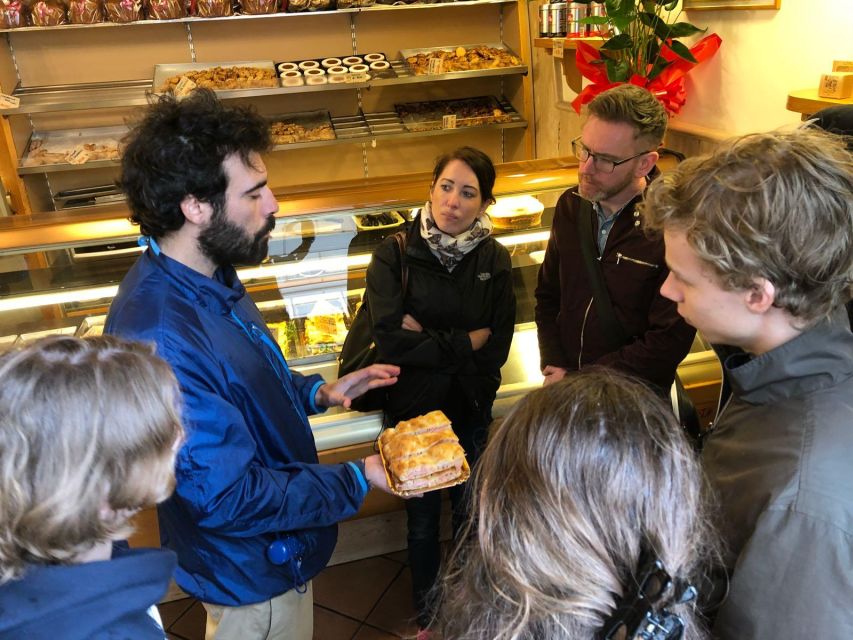
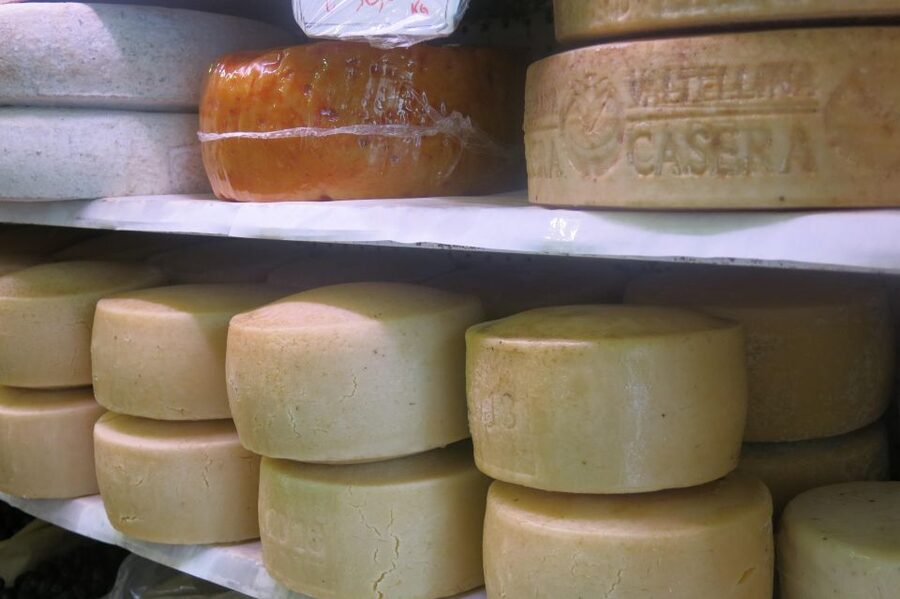
Then you shift gears to l’antica drogheria, a shop framed as a 100-year-old family business focused on cured meat and aged cheese. This is a classic “shop culture” stop, the kind that’s hard to stumble into casually if you don’t know where to look.
The highlight here is the tasting of the shop’s most precious delicacies, served in a way that encourages you to slow down and notice flavors. Cured meats and aged cheese are all about texture, salt balance, and how aroma changes as you take each bite. When a tour guide is there with context, the whole tasting becomes easier to appreciate.
This stop also helps balance the tour’s fried and dough-heavy elements. After suppli and pizza later on, cheese and cured meats feel like a palate reset. You get savory depth instead of more crunch and dough.
If you’re a cautious eater, this is still a good stop because the tasting format is designed for variety. If you’re someone who hates tasting, though, you should know this is not a single-dish experience. You’re meant to try multiple items in the shop’s selection.
A few more Rome tours and experiences worth a look




Pizza in Trastevere: sourdough from 1824 and the simple Roman approach
Next comes the pizza moment, and it’s one of the stops that sounds like it comes straight from local pride. The tour highlights the oldest bakery in the hood and mentions the same sourdough from 1824. That’s the kind of detail that tells you what this stop is really about, continuity.
The pizza described here is the simplest Roman-style pizza, with only a few toppings. That matters because it forces attention onto the foundation: dough character, bake quality, and the flavor of a restrained combination.
There’s also a fun interactive element in the description: you get to choose your best Roman recipe and savor it. That’s the difference between “watch them make it and eat what you’re given” and a more participant-friendly experience. Even if you aren’t choosing anything dramatically different, having a say changes how you feel about the food.
One consideration: because Roman pizza can be light compared to some tourist-heavy styles, if you go in expecting thick, loaded slices, you might feel underwhelmed by the simplicity. But if you like classic technique over excess toppings, you’ll probably love it.
Patisserie, espresso, fresh pasta, and proper gelato
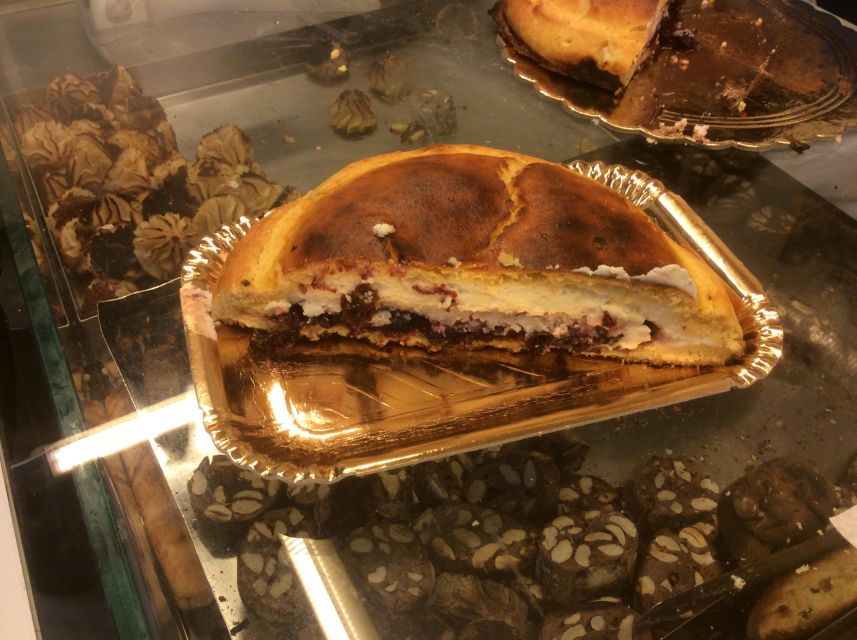
The middle-to-late part of the tour builds a full Rome meal sequence: patisserie, espresso, fresh pasta, then gelato.
First, you visit the oldest patisserie in Trastevere and try a Caesar favorite pastry. The name in the description points to a specific favorite association, and the point is clear: this is a shop with enough tradition to build a story around a signature pastry. Even if you don’t care about the legend, you’ll likely care about the quality you get when a place has stayed in business long enough to earn repeat customers.
Then comes real Italian espresso. On food tours, espresso can sometimes feel like an afterthought. Here it’s presented as a “proper” coffee moment, which usually means you’ll taste it as locals do, not as a generic caffeine stop.
After that, you get pasta fresca with a choice of size and shape. The tour also says you’ll be suggested the sauce. That’s helpful because shape often pairs with sauce behavior, like how ridges and cut shapes hold onto flavors. If you’ve only eaten pasta in standard “spaghetti with tomato” mode, this is a way to get more Roman texture awareness without needing a cooking degree.
Finally, you end with proper gelato, with the note that it is not ice cream. That line is funny, but also true. Gelato is smoother and generally lighter, and the best places don’t treat it as a dull dairy dessert. On a tour packed with savory foods, gelato is also a smart palate close. It cools down the day without being heavy enough to ruin your appetite for later.
Sitting together in Trastevere with an orange spritz
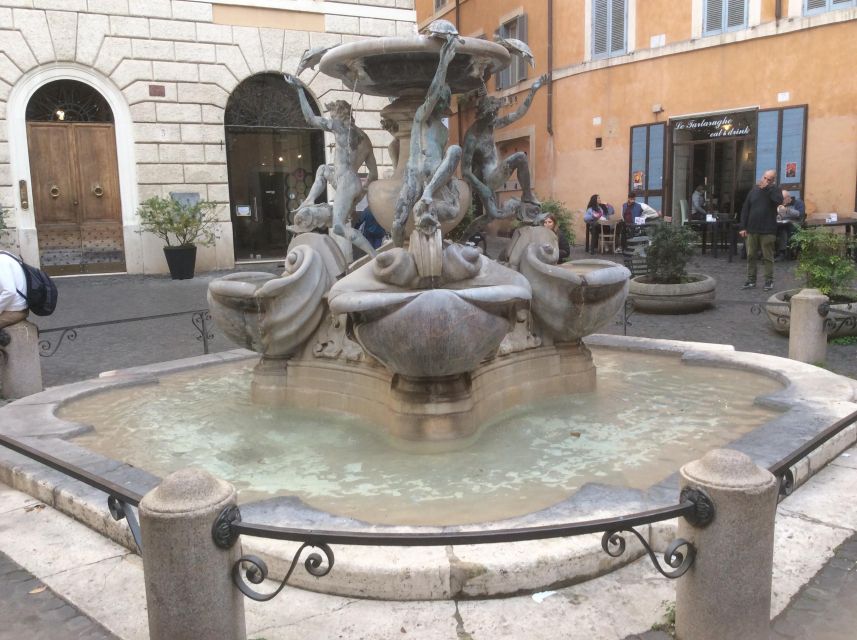
The tour doesn’t just keep you on your feet. It includes a moment where you seat together and sip an orangy spritz in the streets of Trastvere.
This matters more than it sounds. Food tours can turn into a nonstop “take the bite, move on” routine. A sit-down drink gives you a chance to talk with your guide, ask follow-ups, and compare notes with your group. It also gives your stomach a breather, which makes the final gelato feel like a finish rather than a final punishment.
If you enjoy being outdoors in a neighborhood atmosphere, this part is a nice payoff. You’re not leaving Trastevere to go somewhere else for “the experience.” You’re eating where the neighborhood lives, which is the whole point.
Price and whether $131.41 makes sense for what you get
The price is $131.41 per person for a 3-hour experience. That’s not cheap, but it’s also not out of line with food tours that include multiple specialist stops and guided tastings.
Here’s where the value comes from, in practical terms:
- You get a lot of distinct food categories, not just one repeated snack. Suppli, cured meat and aged cheese, pizza, patisserie pastry, espresso, fresh pasta, and gelato are all separate stops with separate specialists.
- You also get a market visit, which is more educational than a basic “walk past storefronts” tour. Markets are where you learn ingredients and routines.
- The tour is presented as a private group, which tends to improve the quality of the guide interaction. If you’re traveling with friends or family and want a more personal pace, the price can feel easier to justify.
If you’re someone who already knows what to order and can self-tour Trastevere with confidence, you could save money by doing it on your own. But if you want the shortcuts, the structured tastings, and the food-and-history connection, this price is paying for time, access, and explanation.
One more small note: the tour says do not eat before coming, it’s a fest. That’s a real cost-benefit factor. You’re likely to skip a normal meal before, because the tour is doing the heavy lifting.
Who this Trastevere Prime food tour is best for
This works especially well if you:
- Want a focused walk in Trastevere rather than a big “cover all Rome” day
- Like Roman classics like suppli, pizza, fresh pasta, espresso, and gelato
- Appreciate food history that connects directly to what you’re eating
- Prefer a private group format where your guide adjusts to you
It might not be your best match if you:
- Hate eating a lot in one sitting. The tour is clearly designed as a fest.
- Want hands-off flexibility. This is organized around tastings and timing.
- Are mostly interested in museums or landmarks first. The emphasis here is food, with history woven around it.
Also, keep an eye on guide style. Feedback notes an Orso leading in the mix, and a top rating suggests the guide delivery can really shape the experience. Since guides operate in Italian, German, English, and Spanish, you’re likely to find a language fit that helps you ask the right questions fast.
Should you book this Trastevere Food Tour Prime Edition?
I’d book it if you want a structured, local-feeling Trastevere food day that doesn’t just hand you samples. The combination of a market stop, a cheese and cured meat tasting at a long-running shop, a historic pizza moment with sourdough dating back to 1824, plus fresh pasta and proper gelato is a strong lineup for a short 3-hour window.
Skip it if you’re trying to keep food light or you prefer to explore without guided pacing. Also, plan your day so you’re not immediately hungry again after, because this tour is built to fill you up.
If you show up ready to eat, bring good walking shoes, and come with curiosity about why Roman food tastes the way it does, this one is a solid value.
FAQ
How long is the Trastevere Food Tour Prime Edition?
The tour lasts 3 hours.
Where does the tour start?
You meet in front of the only church gate on the square at Santa Maria in Trastevere. The tour ends back at the meeting point.
Is this tour a private group experience?
Yes, it is described as a private group experience.
What languages are the guides available in?
The live tour guide is available in Italian, German, English, and Spanish.
Is the tour wheelchair accessible?
The activity is listed as wheelchair accessible.
What food and drinks are included?
Included items mentioned are suppli (Roman street food), a tasting at l’antica drogheria with cured meat and aged cheese, pizza, a pastry from an old patisserie, espresso, pasta fresca, gelato, and an orange spritz.
Do I need to eat before the tour?
No. You’re advised not to eat before coming, since it’s a fest.
Does the tour include a market visit?
Yes, it includes a visit to a traditional local market.
What is the cancellation policy?
There is free cancellation up to 24 hours in advance for a full refund.
Can I reserve without paying right away?
Yes, reserve now & pay later is listed as available.
More Food & Drink Experiences in Rome
More Tours in Rome






More Tour Reviews in Rome

Not for you? Here's more nearby things to do in Rome we have reviewed












Trastevere Tours, compared.
 ★ 4.8Trastevere or Jewish Quarter Street Food TourFrom $513,839 reviews
 ★ 4.9Trastevere & Campo de Fiori Street Food Walking TourFrom $512,768 reviews
 ★ 4.8Guided Food Tour in TrastevereFrom $1122,266 reviews
 ★ 4.9Trastevere Guided Food and Wine Tour with 20+ TastingsFrom $1461,022 reviews
 ★ 4.8Small Group Trastevere Food Tour with DinnerFrom $132719 reviews
 ★ 5.0Rome Trastevere Pasta Making Class with Eating EuropeFrom $100505 reviews
 ★ 4.9Twilight Trastevere Food Tour with Wine TastingFrom $123490 reviews
 ★ 4.8Food & Wine Tour of Campo de Fiori, Ghetto, TrastevereFrom $81413 reviews
Browse the lists this tour appears in