
Reviewed · WALKING TOURS
Rome Walking Tour
Rome can feel like a blur.
This walk turns the big names into a route you can actually enjoy, moving from Vatican City sights to central Rome in about 3 hours. You’ll get an English-speaking guide to explain what you’re seeing, not just point at it.
I especially liked the small-group size (up to 10), which keeps the pace relaxed and the questions coming. I also love that the tour ends at Piazza di Spagna, so you can keep your afternoon for wandering, shopping, and repeat visits. The main catch to plan for: a few stops have admission notes (one is listed as included, others are listed as free or not included), so check what you might need to pay for before you go.
Key highlights at a glance
- Up to 10 people: easier pace, more back-and-forth, less waiting around.
- Mobile ticket: less paperwork, simpler day-of check-in.
- Big-sight coverage in 3 hours: St. Peter’s Square, Pantheon, Trevi, and more on one route.
- A morning schedule: designed to leave your afternoon open for your own route.
- Guide-led context: you’ll understand why Bernini, Andrea del Pozzo, and the classic Romans matter.
A 3-Hour Rome Walk That Starts in St. Peter’s Square
This is the kind of Roman tour that helps you stop guessing. You begin at St. Peter’s Square at 9:30am, then the route moves steadily toward some of Rome’s most photographed landmarks. In a short morning window, it gives your day a spine, which is great if it’s your first time in the city.
The timing also matters. Morning light can make stone details pop, and you’ll often hit the most popular areas before the crowds feel fully out of control. If you like building an itinerary that doesn’t feel rushed, this one is set up that way.
You’re also not stuck on one neighborhood. You get the Vatican zone energy first, then you walk into the center of Rome and keep going until Piazza di Spagna.
You can also read our reviews of more tours and experiences in Vatican City.
Why the Small-Group Pace Works (and Who It Suits)
A max group size of 10 travelers changes the feel right away. In a crowd, you can lose the thread. In a small group, you can actually hear the guide and stay oriented as you move from stop to stop.
This format suits first-timers who want structure, but it also works if you’ve been in Rome briefly already and just want to plug gaps. If you’re the type who likes to ask, this tour’s setup makes it easier to get answers without being shuffled along.
One more practical point: you’re walking between major sights, so it fits people who can handle a solid morning on foot. If you’re recovering from an injury or you hate walking long distances, you might prefer a slower half-day option.
St. Peter’s Square: Getting Oriented Before You Hit the Main Sights
You start with St. Peter’s Square, right at Piazza San Pietro. The stop is short, about 15 minutes, so the goal is orientation, not a full sightseeing marathon. Think of it as a warm-up for what comes next.
Here’s how to get the most from this stop: look outward before you look upward. Notice how the square frames the main church area, and pay attention to the overall layout you’ll recognize again later when you hear the guide connect it to the broader Vatican story.
Also, this isn’t a ticketed stop on your end. The session is about seeing and understanding the setting, and then you move on while the day still feels fresh.
Castel Sant’Angelo and the Bridge by Bernini in a Quick Stop
Next you pass through the area tied to Castel Sant’Angelo, including its bridge connection associated with Bernini. This stop is listed at about 10 minutes, so it’s a look-and-learn moment.
In a short time, you want your brain to do one thing: link the site to the big idea the guide gives you. The castle and its approaches sit in a key position in Rome’s river corridor, so even when you’re not spending hours there, you can still understand why it matters.
A quick caution: 10 minutes sounds short because it is. If you want a deep visit inside the museum or long views from every angle, you’ll need extra time on your own. This stop is designed to spark interest and then move you along.
Piazza Navona and Bernini’s Four Rivers Fountain
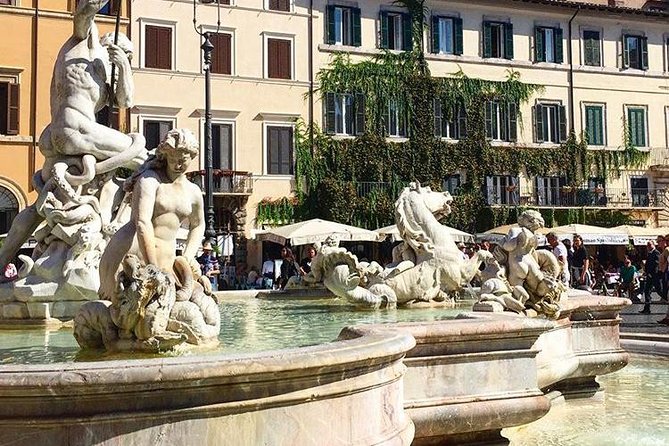
Then you arrive at Piazza Navona. This is where the tour leans into the dramatic side of Rome. The stop runs about 20 minutes and includes time at the famous fountain associated with Bernini and the four rivers theme.
What I like about this stop is how the guide can help you read the details. A fountain is never just decoration in Rome, and understanding the symbolism makes your photos better. Even if you’ve seen images online, standing there in person helps you notice how the whole square is shaped around that centerpiece.
One logistical note: this stop shows admission ticket included. The exact thing covered isn’t spelled out here, but it’s a signal to plan for at least one stop where entry is part of the experience. When you arrive, follow what the guide or your mobile ticket indicates.


Pantheon Dome Time, Plus the Fastest Way to Make It Mean Something
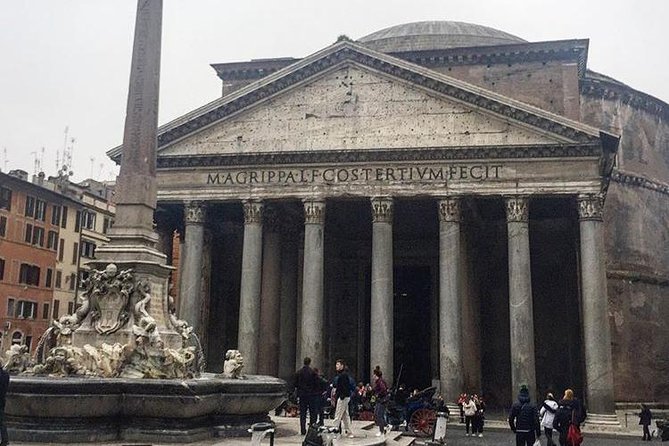
After Navona, you head to the Pantheon, with about 30 minutes on site. This is one of the best uses of limited time in Rome because you get to experience scale and symmetry without needing hours of planning.
The Pantheon is famous for its dome, and it’s also famous because it still looks like it belongs to the modern world. Standing inside helps you understand how people once solved problems with stone, geometry, and light. The guide’s job here is to point you toward what to notice so you’re not just walking through a pretty building.
This stop is listed as free for admission, which is a nice win. Still, don’t treat it as casual. Go in with one goal, like spotting how the interior lighting works or figuring out the dome’s central focus. That turns 30 minutes into real recall.
Trevi Fountain Stops and What to Do With the Crowds
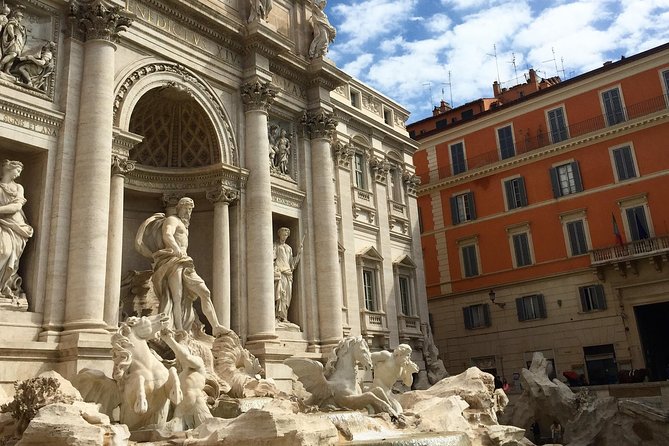
Next: Fontana di Trevi. You’ll have about 30 minutes, which is useful because this is one of those places where you can’t control crowd levels. The trick is to use your time on purpose.
If you’re trying to see the fountain properly, give yourself moments when you step back instead of only staring at it up close. The guide can also help you understand what you’re looking at so it feels more than a photo stop.
Since admission is listed as free, this is mostly about timing and attention. You’ll feel the energy here. Then the good part is you’re not stuck there all day. You keep moving, and the rest of the route stays enjoyable.
Chiesa di Sant’Ignazio di Loyola: Andrea del Pozzo’s Ceiling
Now you get a quieter kind of wow at Chiesa di Sant’Ignazio di Loyola. The stop is about 15 minutes and focuses on the church’s ceiling artwork by Andrea del Pozzo.
This is the kind of stop I love on short tours because it’s memorable even when you don’t have much time. The ceiling artwork is meant to be looked at from a certain way, and a guide helps you understand what the illusion is doing and why it was so impressive when it appeared.
This stop is listed as free for admission. Still, treat it like a sit-down moment, even if you’re standing. Look slowly, then look again. You’ll catch new details once your eyes adjust to the way the artwork pulls you upward.
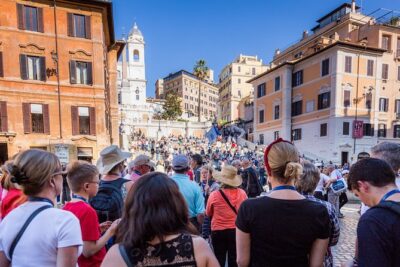
Piazza di Spagna: The Spanish Steps Final Photo Window
The tour ends at Piazza di Spagna. You’ll get about 20 minutes here, which gives you just enough time to enjoy the area and take your final images without feeling cut off mid-chase.
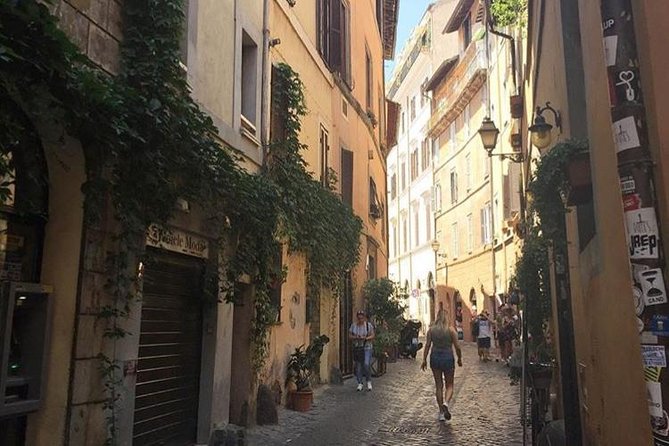
This location choice is smart because it’s a natural springboard into an afternoon of exploring. Once you’re here, you’re well placed for strolling and returning to any nearby streets that catch your eye.
Practical tip: because this is the finish line, some people slow down for the last photos. If you want shopping time, keep moving at a steady pace so you can start your independent wander right away.
Price and Value: Is $192.04 Worth It?
At $192.04 per person, this isn’t the cheapest way to see Rome. But it can be strong value if you care about context and not wasting hours.
Here’s why the price can make sense:
- You get a guided route focused on major sites, with about three hours of built-in structure.
- The group size is capped at 10, which usually means less chaos and better listening.
- You’re saving time. If you were piecing this together alone, you’d spend more time figuring out what to see and how to connect it in a logical order.
Where the price might feel heavy is if you only want photos. In that case, you could compare against self-guided visits and decide how much interpretation you personally need.
Also, watch the ticket notes. Some stops are listed as free, some as not included, and at least one includes admission. That means the final “all-in” cost could vary. The upside: you’ll find out quickly what you need to budget for once you check your tour’s guidance for each stop.
Mobile Ticket, English Guide, and How the Day Actually Flows
You’ll use a mobile ticket, and the tour is offered in English. Confirmation is received at booking time unless you book within one day of travel, in which case you’ll receive confirmation as soon as possible, subject to availability.
The meeting point is clear and easy to find on a map: Piazza San Pietro, 00120. The start time is 9:30am. Near public transportation is listed, so you should be able to get there without too much fuss once you’re in the Vatican area.
After the tour, you finish at Piazza di Spagna, Piazza di Spagna, 00187 Roma RM, Italy. Plan on using transit or a longer walk from there depending on where you’re staying. Ending in a busy central area is convenient, but it also means you’ll want to be ready for lively streets right at the finish.
What I’d Do Before You Go (So the Morning Feels Effortless)
Even when a tour is well organized, you still control your comfort level. I recommend treating this like an outdoor morning: comfortable shoes, water, and a plan for sun or rain.
Because you’re visiting multiple major landmarks back-to-back, I’d also think about your personal priorities. If you really want extra time at one place, choose which stop gets more attention later. With only about three hours total, you’re not going to get equal depth everywhere, and that’s normal.
If you’re the type who likes to pair experiences, this tour can act as your setup. Guides in this style often help you connect Vatican sights into one story. That makes it easier to understand other Vatican experiences you might add on separate days.
One small note from what I’ve seen with guides in this company style: the team behind the tour has a reputation for being responsive and helpful during planning. In particular, Sara has been described as very friendly, professional, and good at connecting the dots between experiences. Another guide, Matteo, also appears in accounts of excellent on-site guiding.
Book It If You Want Structure, Not a List
This is a smart pick if you want a Rome walking tour that keeps you moving through the city’s headline sights without turning your day into a stressful checklist. It’s also a good fit for first-time visitors who want quick orientation, and for anyone who knows they’ll want a free afternoon afterward.
I’d lean toward booking if:
- You like small-group tours with real interaction.
- You want St. Peter’s Square, Pantheon, Trevi, and more in one connected route.
- You’d rather spend your energy exploring than figuring out logistics.
I’d think twice if:
- You dislike walking and you only want a slow sightseeing pace.
- You want deep time inside museums or multiple long church visits. This is a fast, focused morning, not an all-day Rome museum crawl.
If you’re choosing between DIY and a guided sprint, this one is designed for the sprint. And when you finish near Piazza di Spagna, you’re already positioned for the next phase of your day.
FAQ
How long is the Rome walking tour?
It runs about 3 hours (approx.).
What time does the tour start, and where do we meet?
Start time is 9:30am. You meet at St. Peter’s Square, Piazza San Pietro, 00120.
Where does the tour end?
The tour ends at Piazza di Spagna, Piazza di Spagna, 00187 Roma RM, Italy.
Is the tour in English?
Yes, it is offered in English.
How many people are in the group?
The tour has a maximum of 10 travelers.
Are entrance tickets included?
Admission is listed as not included for St. Peter’s Square and Museo Nazionale di Castel Sant’Angelo, admission is listed as included for Piazza Navona, and admission is listed as free for the Pantheon, Trevi Fountain, Chiesa di Sant’Ignazio di Loyola, and Piazza di Spagna.
Are service animals allowed?
Yes, service animals are allowed.
Can I cancel for a full refund?
Yes. Free cancellation is available if you cancel at least 24 hours before the experience’s start time.
What if I’m booking last minute?
If you book within 1 day of travel, confirmation is received as soon as possible, subject to availability.
More Tours in Vatican City
More Tour Reviews in Vatican City
Not for you? Here's more nearby things to do in Vatican City we have reviewed



Walking Tours, compared.
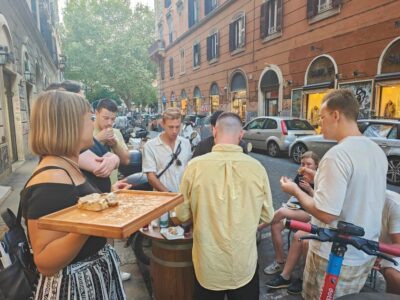 ★ 4.9Trastevere & Campo de Fiori Street Food Walking TourFrom $512,768 reviews
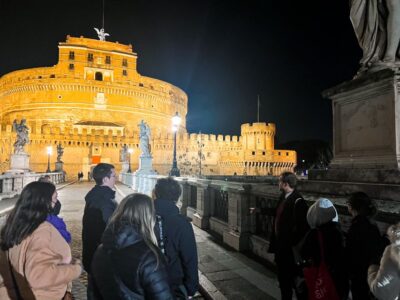 ★ 4.9Paranormal Night Walking Tour & Secret BackstreetsFrom $341,921 reviews
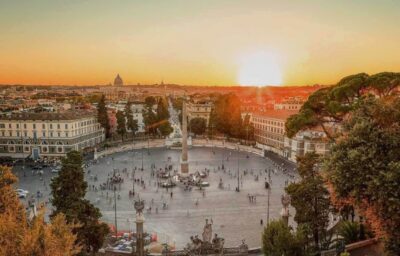 ★ 4.4Guided City Center Evening Sightseeing Walking TourFrom $46953 reviews
 ★ 4.5Best of Rome Walking Tour including Trevi FountainFrom $4923 reviews
 ★ 4.8Under the Moonlight Evening Walking TourFrom $28852 reviews
 ★ 4.9Forbidden History Walking Tour & Pub Crawl with DrinksFrom $61688 reviews
 ★ 5.0Guided Small Group Walking Tour of City HighlightsFrom $30682 reviews
 ★ 4.5Rome Walking Tour with Piazza Navona, Trevi Fountain and PantheonFrom $35676 reviews
Browse the lists this tour appears in