Reviewed · ROME
Urban Hike to the Aqueduct Park in Rome
Rome runs on water, literally. This urban hike threads through real neighborhoods and ancient engineering, guided by Salvatore Benintende as you follow Rome’s aqueduct story. You start in Pigneto, then walk out toward the parks where the city noise thins out.
Two things I really like: you get a break from the crowds without leaving Rome behind, and the route is built around major aqueduct landmarks, not just a single viewpoint. The parks also do double duty, giving you shaded stops plus skyline views while you learn how the water system worked.
One consideration: this is an outdoor walk for people with moderate fitness, so you should wear comfortable shoes and expect to be on your feet for most of the 3 hours.
Key tour highlights at a glance
- Small group size (max 15) so you actually hear the explanations and can ask questions
- Pigneto start with a local feel, coffee shops, and the morning market vibe
- Aqueduct Felice tracking across the route, almost all the way to the park area
- Porta Furba + Pope Clement XII fountain for the gate history and a direct link to the Felice water supply
- Two park segments that mix nature time with ancient-stone moments: Parco degli Acquedotti and Tor Fiscale
Pigneto to the Aqueduct Parks in 3 Hours (Starting 8:30 AM)
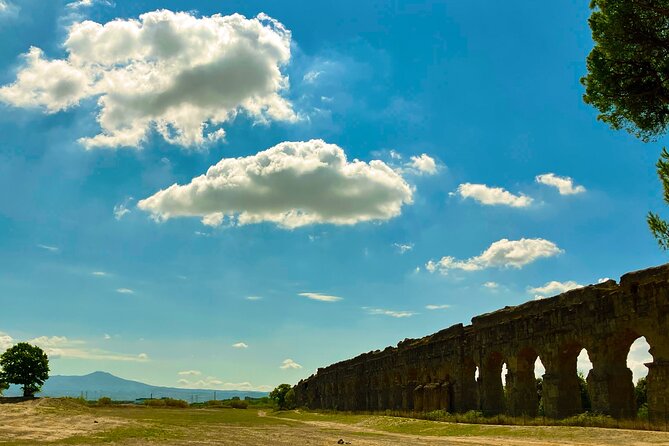
If you want ancient Rome without spending your day in lines, this is a smart format. It’s a focused 3-hour urban hike that pairs neighborhood streets with the big aqueduct park areas, all with a small group capped at 15 people. You meet in Pigneto at 8:30 am, then end near public transport, so you are not stuck far from the subway afterward.
The meeting point is in the Pigneto area (listed at Pigneto00176), and the experience is designed to be easy to find. Ending at Via Lemonia 214 puts you close to the subway station Giulio Agricola on the A-Line, which helps if you are continuing your day around central Rome.
What makes this work well is the pacing. You are not trying to speed-run Rome. The stops are short and purposeful, with guide time at each landmark so you get context while your legs are still happy.
You can also read our reviews of more hiking tours in Rome

Pigneto Morning Market Energy, Then Out Toward the First Aqueduct
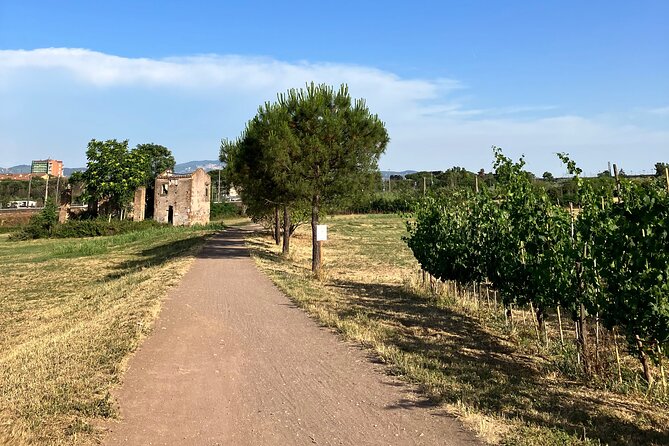
The tour kicks off in Pigneto, a trendy neighborhood that still feels local in the morning. You get a look at the morning market scene, plus coffee shop culture as you start moving toward the first aqueduct. Even if you are not a market person, this first section is a great way to shake off the main-tourist rhythms and start in a place where Romans actually start their day.
This first stop is only about 15 minutes, so it is not a lecture. It sets the tone: you are walking with a guide who is pointing out what you might miss on your own, like how the city edge can shift from street life into the aqueduct story.
One practical upside: starting in a lively area means it is easier to grab a coffee or quick snack beforehand. Another upside: you are warming up before the route gets more historical.
Aqueduct Felice: Following Ancient Engineering Like a Water Detective
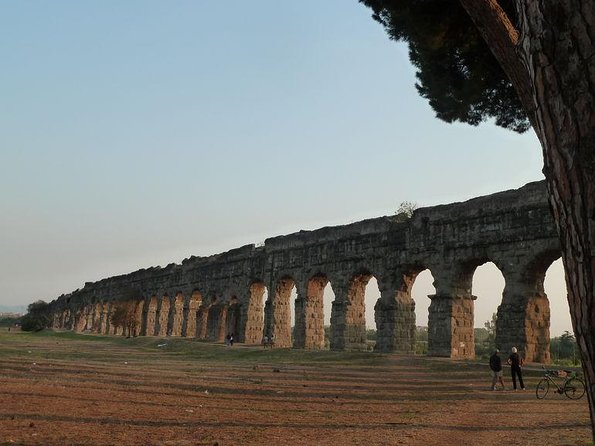
Aqueduct Felice is the backbone of the experience. This section is about 25 minutes, and the description is clear that it guides you almost all the way to the Aqueduct Park area. That matters because it turns the aqueduct from a distant monument into something you track while you walk.
This is where the history becomes more than names on a map. You get explanations tied to how the aqueduct system worked, including construction details and sources. In other words, the guide helps you understand why aqueducts were so important: moving water over distance was not a casual feat. It was how Rome kept neighborhoods, fountains, and daily life running.
The best way to enjoy this part is to stay alert to what the guide points out. Aqueducts can be easy to overlook when you are focused on buildings and street corners. When you can see the line of the structure guiding you forward, everything clicks.
Potential drawback here: if you prefer big, dramatic ruins you can climb through, this stage is more about walking with the structure and learning. It is still impressive, but it is a “follow the story” kind of visit, not a “stand on one platform and take photos for an hour” kind of stop.
Porta Furba and Pope Clement XII’s Fountain Connection
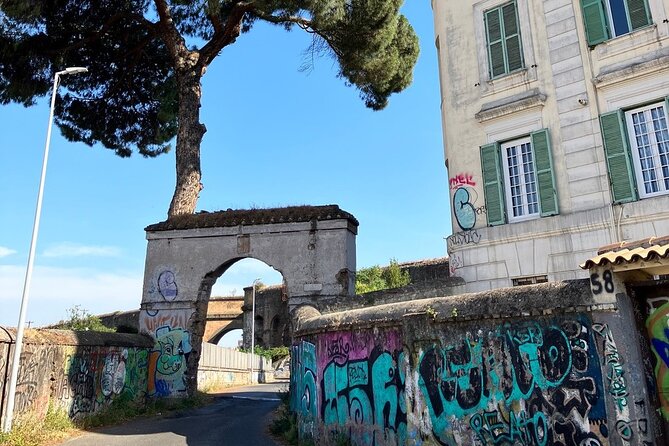
Next comes Porta Furba, one of Rome’s main entrance gates. The stop is about 15 minutes, and it is a clever pivot from aqueduct infrastructure to city access and urban planning. Gates matter because they show how Rome organized movement, control, and entry points. In this case, you are also connecting it to water.
Right at this stop, you will pause at the fountain of Pope Clement XII. This fountain matters because it took its water from the Felice aqueduct. That specific link is the kind of detail that makes the hike feel grounded, not generic. You are not just learning that aqueducts existed. You are learning how the water route connected to visible public features in the city.
I like this segment because it adds a “so what” angle. Aqueducts were not only technical achievements. They were part of how Rome served people in daily life, through fountains and public supply.
Parco degli Acquedotti and Appia Antica: Views, Shade, and Big Ruin Scale
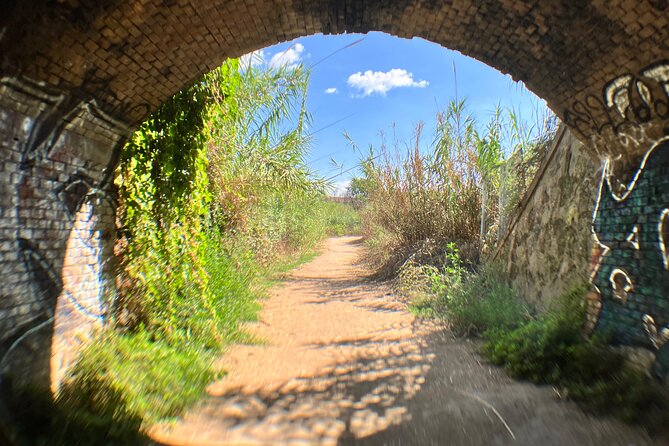
Now you shift into the park zone, starting with Parco degli Acquedotti, part of the Parco Archeologico dell’Appia Antica. This stop runs about 45 minutes, which is the longest stretch in the itinerary before Tor Fiscale.
This is the section where you get the reward for all that walking. The guide focuses on the highlights and helps you find the best viewpoints. That is important, because in large park areas, it is easy to wander and miss the best angles on the aqueduct structures.
You also get a break from the dense city feel. Even though you are still in an urban context, the park setting changes the mood. Expect more open space, nature time, and that slow realization that Rome’s engineering was built to last, not to impress for one tourist season.
A small caution: you are outdoors for a good chunk here. If you do not like walking on uneven paths, plan to go at a careful pace. The tour is set up for moderate fitness, but parks are still parks.






Tor Fiscale Park: Nature and Aqueducts Under One Roof
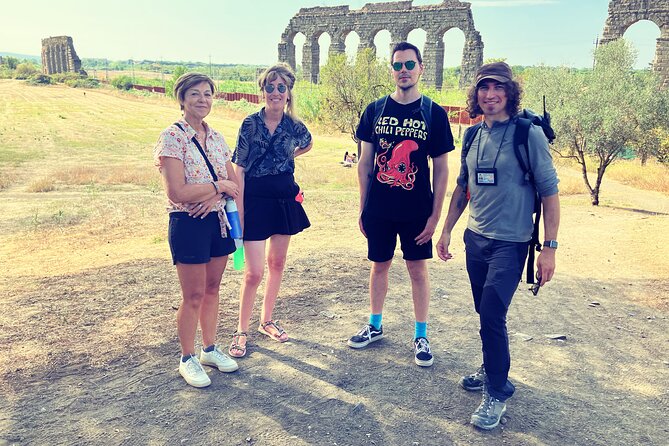
The final stop is Parco Di Tor Fiscale, also part of the Parco Archeologico dell’Appia Antica. This segment is about 30 minutes and focuses on the blend of nature, history, and aqueducts.
Tor Fiscale is a nice finishing act because it does not feel like a repeat. The aqueduct theme stays present, but the park experience adds a different texture to the day. This is also a good moment to slow down and take in what you learned earlier, since you have now seen the aqueduct line, a major gate, a fountain connection, and the central aqueduct park viewpoints.
If you like photos, this is where you usually start noticing how the stone structures interact with vegetation and open air. If you prefer less picture time, the park is still valuable because the guide can point out meaningful spots and connect them back to the water system story.
Price and Value: Why $35.49 Makes Sense for This Route
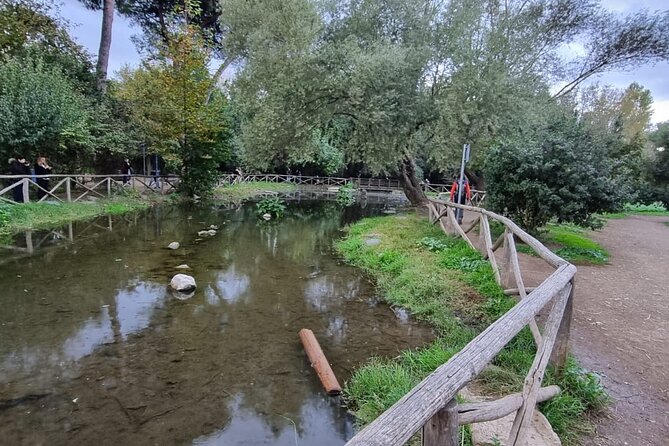
At $35.49 per person, this tour is priced like a short guided experience rather than a full-day excavation. What makes the price feel reasonable is the combination of things you get in only about 3 hours: a small group (max 15), a guide, and multiple landmark stops tied to the aqueduct system.
You also have a practical bonus baked in. The stops listed along the way show admission ticket free, which helps you avoid surprise add-on costs during the walk. You are not paying to enter each segment. You are paying for the guided route and the context that helps you see what the aqueducts represent.
Another value point: it is a complete loop experience in a tight time window. You start in Pigneto at 8:30 am and end near Giulio Agricola, making it easier to keep your day structured. That matters in Rome, where time spent traveling between far-flung sites adds up quickly.
Logistics That Matter: Getting In, Getting Out, and What to Expect
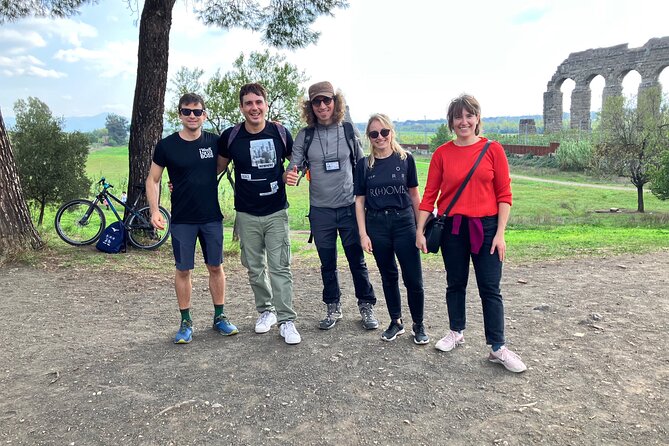
This tour uses a mobile ticket, which is the modern kind of simple. You do not have to worry about paper tickets or last-minute printing.
The route is described as near public transportation at both ends. You finish at Via Lemonia 214, close to Giulio Agricola on the A-Line. From there, returning to Pigneto is straightforward: take the subway back to San Giovanni, switch lines, then continue to Pigneto on the C-Line.
That end location detail is more than trivia. It helps you plan a smooth next stop for lunch or a museum visit without backtracking the entire way.
As for walking, the tour asks for moderate physical fitness. That usually means you should plan for steady walking on outdoor paths and comfortable footwear. Bring a light layer too, since mornings can feel cooler than you expect, and you will be outside through multiple segments.
Finally, it’s good to know the group is capped at 15 travelers. Smaller groups tend to keep the pace friendly and the guide’s attention more focused on you and your questions.
Who Should Book This Aqueduct Hike (and Who Might Skip It)
I think this tour is ideal for:
- Ancient-history fans who want the aqueduct story connected to actual places you can walk between
- People who want a morning active plan that is not a museum day
- Travelers who like small groups and appreciate a guide who can explain connections, like aqueducts to gates to fountains
- Anyone who gets tired of being stuck in the busiest core areas and wants a quieter Roman routine
I would hesitate if:
- You only want dramatic, fully enclosed archaeological ruins with minimal walking
- You dislike being outdoors for a full chunk of time
- You are looking for a very long, deep dive style tour with extended stops at each site (this one is intentionally tight and moving)
If you are in Rome for a short stay, this is a good use of time because it covers meaningful stops without stealing an entire day.
Should You Book It? My Practical Recommendation
Book it if you want an early, efficient aqueduct-focused walk with small-group energy and a route that actually connects the dots between engineering and city life. The best part, in my view, is the combination of place and explanation: you start in Pigneto, then you end in a park world that makes the aqueducts feel alive, not distant.
Also, keep one thing in mind: this is popular enough that it is commonly booked about 55 days in advance, so if your dates are fixed, grabbing a spot early is smart.
If you want history plus a little physical challenge, and you like getting away from the densest areas, this is a strong choice.
FAQ
How long is the Urban Hike to the Aqueduct Park in Rome?
The tour lasts about 3 hours.
What is the price per person?
The price is $35.49 per person.
What time does the tour start?
The start time is 8:30 am.
Where do we meet for the tour?
The start point is in Pigneto at Pigneto00176 Rome.
Where does the tour end?
The tour ends at Via Lemonia, 214, 00178 Roma RM.
Is it easy to get back to the subway after the tour?
Yes. The finish point is close to the subway station Giulio Agricola on the A-Line, which you can use to return toward Pigneto with a switch at San Giovanni.
How far is the group size limited to?
The tour has a maximum of 15 travelers.
What fitness level do I need?
The tour is for travelers with a moderate physical fitness level.
Is the ticket digital?
Yes, it uses a mobile ticket.
Are there admission fees at the stops?
The stops listed for the tour show admission ticket free.
What is the cancellation policy?
You can cancel for free up to 24 hours in advance for a full refund.