
Reviewed · PANTHEON TOURS
Pantheon: The Iconic Ancient Roman Temple – Semi-Private Tour
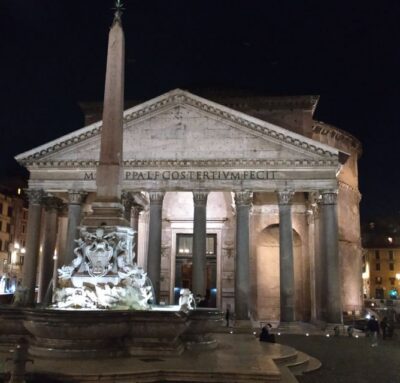
The Pantheon still has a wow factor. This semi-private visit, led by archaeologist Olga di Cagno, starts with an easy meetup at Piazza della Rotonda and turns ancient Roman symbols and building genius into something you can actually picture.
I really like two things here. First, you get an archaeologist guide, so the explanations of Roman architecture and engineering feel specific, not generic. Second, the format works for adults and kids, with Olga’s energy and clear teaching style.
One thing to consider: the tour is short, around 50 minutes to 1 hour, so if you want to linger for lots of photos on your own, you may feel slightly time-pressed.
Key takeaways before you go

- Archaeologist-led storytelling with visuals: Olga uses iPad visuals and reference drawings to explain how the Pantheon works.
- Easy meetup at Piazza della Rotonda: you know exactly where to meet and where you finish.
- Small semi-private group: capped at a small number (maximum 10 is stated), so questions are actually possible.
- Free Pantheon admission included: the activity includes a free admission ticket.
- Dress for the interior: you need shoulders covered, even if you are only stepping inside.
- Good for mixed ages: the pace is friendly for families without turning into a kid-only lecture.
The Pantheon is ancient Rome at full volume
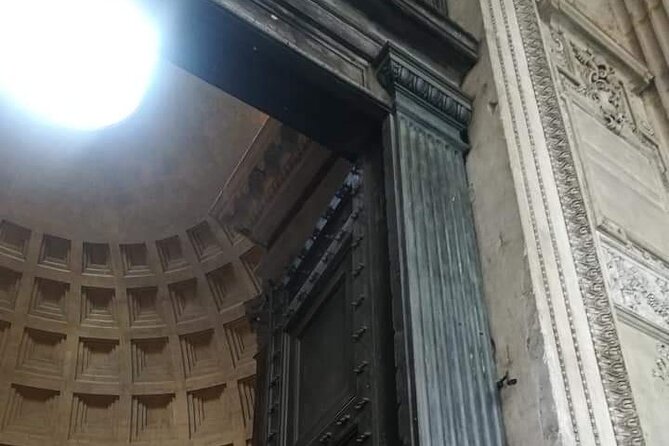
When people talk about the Pantheon, they usually mean one of two things. Either it is the monument that survived when so much else did not, or it is the feeling you get standing inside and realizing how huge and precise the builders were. This tour leans into both.
You will walk into a space where Roman architects and engineers built something meant to project power through monumentality. And because it has survived almost completely intact, it does not feel like a ruin you have to guess about. Instead, you get a strong sense of what the builders were trying to do, in real space, not in a textbook.
What I like about the tour approach is that it does not treat the Pantheon like just another stop on a checklist. The guide focuses on symbols, architectural traditions, and what you should actually notice as you move through the building, plus how the meaning layered over time.
You can also read our reviews of more private tours in Rome


Meeting Olga di Cagno at Piazza della Rotonda
The meetup point is Piazza della Rotonda, and the experience ends right back there. That matters more than it sounds, especially in Rome where wandering for 20 minutes can turn into 45.
This is also a semi-private style tour, so you are not part of a giant crowd with a guide shouting through the noise. The small-group size makes it easier to keep together, ask questions, and hear the guide’s explanations without constantly turning your head to find the next thing.
Practical tip: arrive a few minutes early. With the Pantheon area always busy, you want a calm buffer to locate Olga and confirm the group.
Entering the Pantheon with the right focus
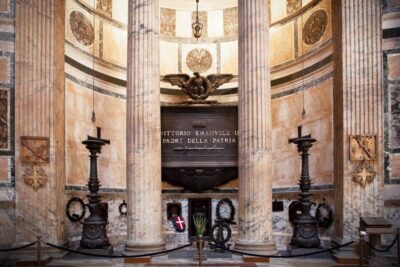
Once you are inside, the tour turns attention to the details most people miss when they rush in to take photos. You will get guided context on why the Pantheon is so special in Roman building history, and what architectural traditions you are looking at in front of you.
The guide’s style is part lecture, part explanation, part pointing out what your eyes should track. That is where the “archaeologist” angle really helps. You are not just hearing opinions. You are getting a structured view of the monument, including how the Pantheon’s design reflects Roman ideas about what a monumental temple should communicate.
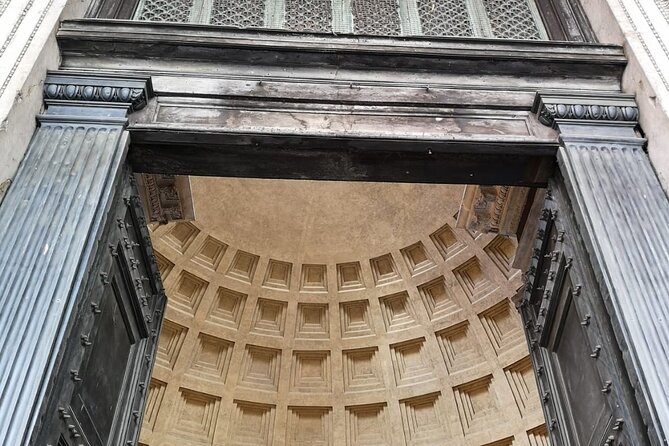
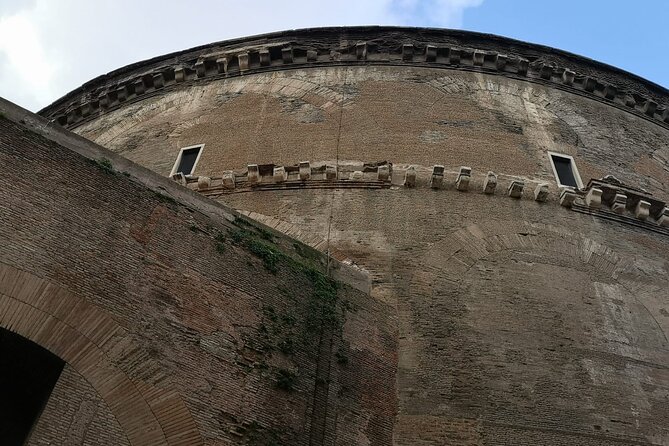
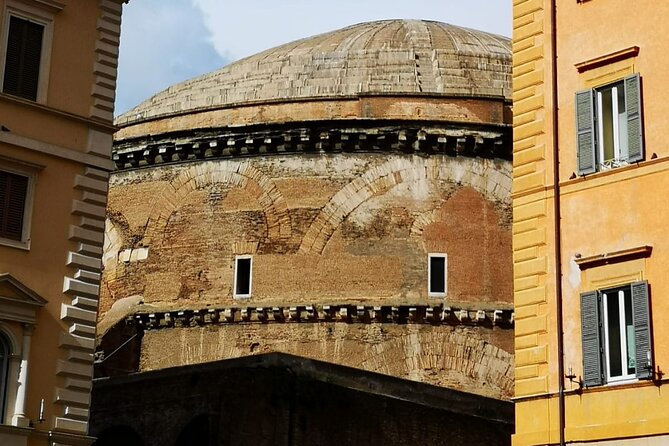
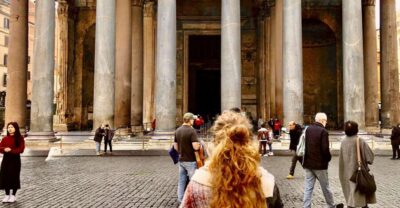
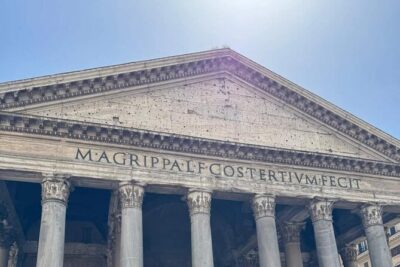
Also, you will see both the interior and exterior. That combo is important. The exterior helps you understand scale and intention, while the interior is where you really sense the original impact, and where the guide’s storytelling can connect construction choices to the overall effect.
What you learn about Roman symbols and building mastery
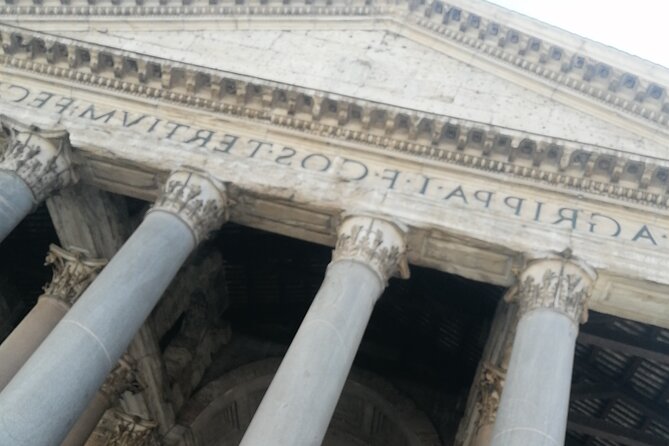
The Pantheon is often described as iconic, but “iconic” can be vague. The tour gives you concrete ways to read the building.
Here is the kind of interpretation that makes a guided visit worth your time:
- Roman symbols you can connect to how the monument was meant to be understood.
- The architectural traditions that shaped its design, so it does not feel random or purely aesthetic.
- The role of Roman architects and engineers and the building choices behind that sense of monumentality.
And because Olga brings in visuals, the explanations stick better. Multiple reviews highlight iPad graphics and archaeological drawings used to support what you are seeing. That is a smart way to handle a place that can feel overwhelming at first. Instead of trying to interpret everything at once, you get a few clear anchors.
One more layer you will hear about is the Pantheon’s long life through history. The guide frames it as a monument that carries meaning across centuries, including the way it later connects with Christian worship. That matters because the Pantheon is not frozen in the past. It is a living monument that people still use.
The short duration is the point, not a problem
This tour runs about 50 minutes to 1 hour. On paper, that sounds quick. In reality, it can be the best way to experience the Pantheon, especially if it is your first time there.
Why short works:
- You stay focused on the guide’s key observations instead of getting lost in every corner.
- You can still spend time after the tour doing your own slow looking.
- You avoid the fatigue that comes from standing in a very crowded Rome landmark for too long without structure.
Just be realistic. If you plan to treat the Pantheon like a museum you want to study line by line, you might want extra time before or after. The tour gives you the “meaning and mechanics” version, then you decide how much extra time you want.





Small-group semi-private: when questions actually happen
The experience is limited to a small number of people. The information you are given includes a maximum of 10 travelers, and a separate note indicating limited to 15 travelers. Either way, it is clearly meant to be intimate.
That small-group cap affects your experience in a practical way. You are not just listening. You can ask questions, and the guide can adjust explanations to the group’s level and interests.
It is also friendly for families. One theme in the feedback is that Olga engages multiple ages. If you are traveling with kids, that is a big deal. A guided structure keeps attention from wandering, and you are not stuck trying to translate the Pantheon into a story on the spot.
Dress code and etiquette: the easy checklist
There is one requirement you need to take seriously: you must cover your shoulders. This is not the time to wear a tank top just because it is hot.
If you do not meet the shoulder rule, you may have trouble entering, so build in a quick plan:
- Bring a light layer you can wear or hold.
- If you already have a scarf, keep it accessible.
You are also in the middle of a major transit area, so you can usually reach the meeting point without a complicated routing plan.
Price and value: what $66.54 buys you
At $66.54 per person, you are paying for more than a walk around. You are paying for an expert guide and a structured way to understand what you are seeing.
The biggest value points:
- Free Pantheon admission is included with the activity. That reduces the “extra fee” feeling and makes the total cost more straightforward.
- You get a specialist perspective from an archaeologist, not just a generalist commentary.
- The small-group setup helps you stay engaged instead of tuning out in the noise.
- The use of visuals means the tour can explain construction and meaning in a way that your brain can actually follow.
So is it worth it? If you care about architecture, symbolism, and the story of how Romans built for power, yes. If you only want a quick photo stop and you are happy with self-guided wandering, you might be able to do it alone. But you would miss the “how to read the building” guidance that makes the Pantheon feel more than impressive.
Who this tour is best for
This tour style fits best when you want structure, not just access.
It is a strong match if:
- You like history explained through building design and symbols.
- You want a guide who can answer questions and adjust to a mixed group.
- You are traveling with kids and want the tour to stay engaging for them too.
- You want to understand the Pantheon’s meaning through multiple time layers, including its connection to later Christian worship.
If you are the type who never wants to hear any explanation and would rather silently absorb a monument at your own pace, you might feel constrained by the one-hour flow. But most people come out feeling like they gained real understanding in a short time.
My booking advice: when to reserve
On average, this experience is booked 53 days in advance. That usually means there is decent demand, and small-group tours can fill up.
I suggest booking early if:
- You are visiting during a peak travel period.
- You want a specific day and time window around the rest of your Rome schedule.
- You prefer a smoother meetup with fewer timing surprises.
Also note: confirmation happens at the time of booking in most cases, unless you book within about a day of travel. So if you are doing a last-minute plan, expect the confirmation process to be subject to availability.
Should you book this Pantheon semi-private tour?
I would book it if you want the Pantheon to make sense, not just look stunning.
Choose this tour when you want:
- A focused, small-group guided experience
- An archaeologist-led approach with iPad visuals and drawings
- Free admission built into the experience
- A family-friendly pace that still covers serious architectural themes
Skip it only if your priority is pure wandering time, with no desire for guided explanations, and you are already happy reading monuments on your own.
If you land in the middle, this is the kind of short guided visit that tends to leave you feeling like you understood what you saw before you moved on.
FAQ
Where does the tour meet?
The tour meets at Piazza della Rotonda, 00186 Roma RM, Italy.
How long is the Pantheon tour?
It runs approximately 50 minutes to 1 hour.
Is the Pantheon admission included?
Yes. The experience includes an admission ticket, and admission is listed as free.
What language is the tour offered in?
The tour is offered in English.
What is the group size?
The tour is capped at a maximum of 10 travelers, and it is also described as limited to a small number.
Do I need to cover my shoulders?
Yes, it is necessary to cover your shoulders.
Are service animals allowed?
Yes, service animals are allowed.
Is public transportation nearby?
Yes, the meeting point is near public transportation.
What is the cancellation policy?
You can cancel for a full refund up to 24 hours in advance. If you cancel less than 24 hours before the start time, the amount paid is not refunded.
More Private Tours in Rome


More Tours in Rome



More Tour Reviews in Rome
Not for you? Here's more nearby things to do in Rome we have reviewed










Pantheon Tours, compared.
 ★ 4.9Pantheon Timeless Marvel Guided Tour with Entry TicketFrom $214,002 reviews
 ★ 4.1Pantheon Priority Entry Ticket & Audio Guide AppFrom $63,234 reviews
 ★ 4.9Pantheon Small-Group Guided Tour with Entry TicketFrom $481,094 reviews
 ★ 4.7Pantheon Small Group Tour and Skip-the-Line TicketFrom $531,008 reviews
 ★ 4.2Pantheon Guided Tour with Skip-the-line TicketFrom $28816 reviews
 ★ 4.5Rome Walking Tour with Piazza Navona, Trevi Fountain and PantheonFrom $35676 reviews
 ★ 4.5Pantheon Roma Fast-Track Entry TicketsFrom $7540 reviews
 ★ 4.9Spanish Steps, Trevi, Navona and Pantheon Sunset TourFrom $46522 reviews
Browse the lists this tour appears in