
Reviewed · WINE TOURS
Shades of Italian Terroir – a tasting of minimal intervention wines
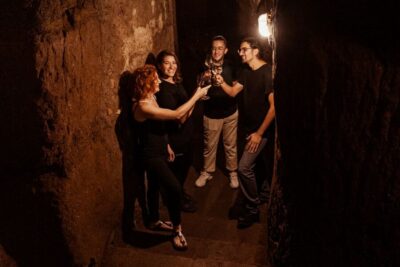
Six small pours, big ideas about Italy. This Rome tasting spotlights low-intervention winemaking and how terroir shapes flavor, with a certified sommelier guiding you through six Italian wines in English.
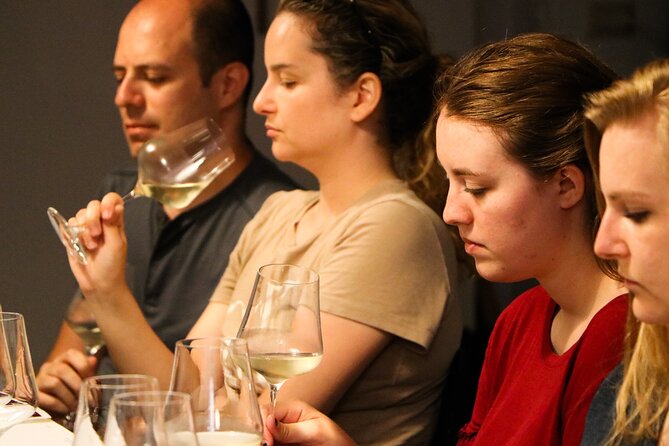
I especially like the 12-person max size, which keeps things personal and question-friendly. I also like the teaching style, where the sommelier (in past tastings, it has included Frank) explains the why behind each wine, so you learn how to taste better on your own.
A consideration: at $96.12 for about two hours, it is best when you actually want wine education and tasting time. If you are mostly in Rome for classic landmarks and want zero wine homework, this might feel like a pricier detour.
Key Things To Know Before You Go
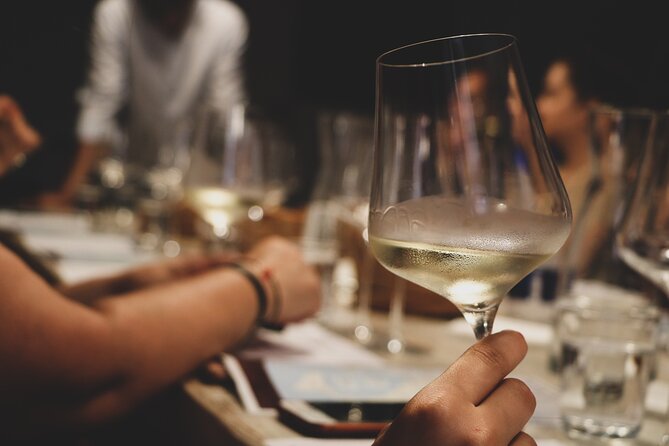
- Six low-intervention Italian wines with pairing finger foods in a short, focused session
- A certified sommelier and wine educator leads you, in English, with a lively, casual vibe
- You start with a quick refresher on tasting steps, then move through very different styles from across Italy
- You learn how regions, soils, climate, and techniques translate into what you taste in the glass
- Printed info and learning materials are provided, so the notes do not have to stay in your phone
- The atmosphere is intimate, with a maximum of 12 people, so the pacing is human, not factory-fast
VinoRoma’s Rome Setup, Small Room Energy
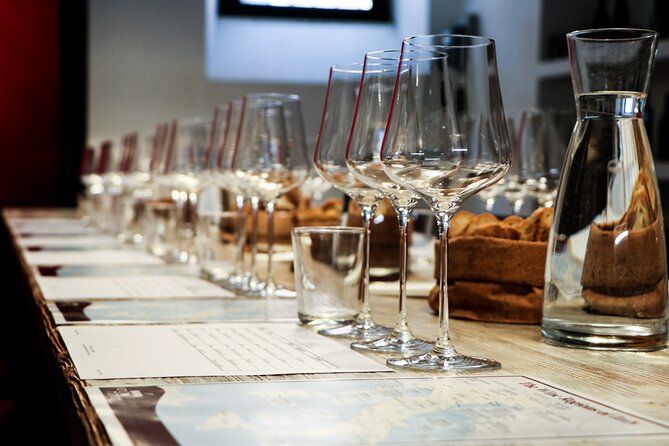
This is the kind of wine experience that makes sense in Rome, because it feels like a real neighborhood studio, not a tourist production. The tasting meets at VinoRoma Wine Studio & Social Club on Via in Selci, 84/G, and it finishes back where you started, so your evening stays simple.
The experience is offered in English and runs about two hours, starting at 5:00 pm. That timing is handy if you want wine before dinner without losing your whole night to a long tour. Plus, the venue is near public transportation, which matters in Rome where walking can be charming and exhausting in the same hour.
One more practical point: this is a mobile ticket situation. That saves you the extra step of hunting for paperwork, and it is one less thing to manage when you are juggling tickets for sights.
You can also read our reviews of more food & drink experiences in Rome

What “Low-Intervention” Tasting Teaches You (Beyond Trends)
You will hear a lot about terroir and farming here, but the bigger value is how the tasting frames your senses. Low-intervention wine is not a single flavor style. It is a philosophy of making wine with minimal interference, and that can change how the wine behaves in your glass.
This is why the session is structured the way it is. You start with a tasting refresher, then you move through wines that are different on purpose. The goal is not just tasting interesting bottles. It is learning what you personally notice, then linking those impressions back to the vineyard and winemaking choices behind them.
You also learn about organic and sustainable agricultural practices, and you may hear broader concepts like neuro-enology as the discussion evolves. That is a nice reminder that wine is partly craft and partly perception. In a good tasting, you leave with better language for what you like, not just more facts you forget later.
And yes, based on the experience focus and past wine selections, you should expect a natural or low-intervention leaning rather than a strictly classic, heavily manipulated wine lineup. If you are curious about that world, this is a solid entry point.
The 2-Hour Flow, From Tasting Basics to Italy’s Contrasts
The session is paced like a guided lesson, but it stays relaxed. You begin with a quick refresher on the steps of wine tasting. Even if you have done tastings before, that reset helps, because it gives you a method you can reuse later in shops or on restaurant lists.
Then the real fun starts: you taste six Italian wines, each one introduced with a specific angle on character and story. The educator breaks down why that wine tastes the way it does, tying it to factors like grape choice, soils, climate, and winemaking techniques.
A key benefit here is the discussion is flexible. If you are new, you get the basics clearly. If you are already into wine, you get pushed one step further. That matters because wine education can easily go two ways: either too basic or too technical. The tone here is geared toward meeting you where you are and then gently steering you.
The “why” is the backbone of the pacing. You do not just get a list of traits. You learn how regions and methods translate into aroma, taste, and overall vibe. Over six wines, it becomes a mini course in Italian styles, but it still feels like a social tasting, not a lecture.
Six Wines, Six Lessons About Terroir in Your Glass
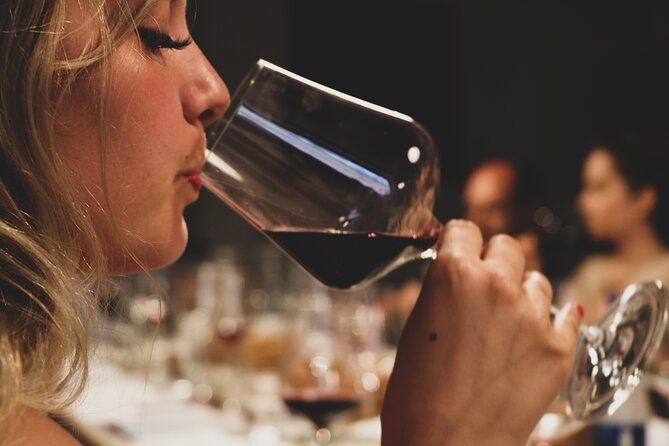
One of my favorite parts of this style of tasting is that it treats terroir like something you can actually taste, not a marketing word. You learn how different parts of Italy can lead to different outcomes, even when you are tasting wines that fall under a low-intervention umbrella.
The educator covers the chain of cause and effect:
- Region and climate influence ripeness and structure
- Soils can affect mineral feel and how flavors come across
- Grape traits shape the baseline style
- Winemaking techniques influence how much the wine shows its character directly versus how much it is softened or altered
That is the part that sticks after the tasting. When you later order a bottle or pick something off a list, you have a framework for why one wine feels more delicate, while another feels more structured or more expressive.
Also, you will be encouraged to notice your own perceptions. The session explicitly uses the idea that your perception matters. That sounds obvious, but in practice it is not always how tastings are run. Here, the educator uses the wines as teaching tools to show you how your palate reads the glass.
Pairing Finger Foods With Minimal Intervention Wines
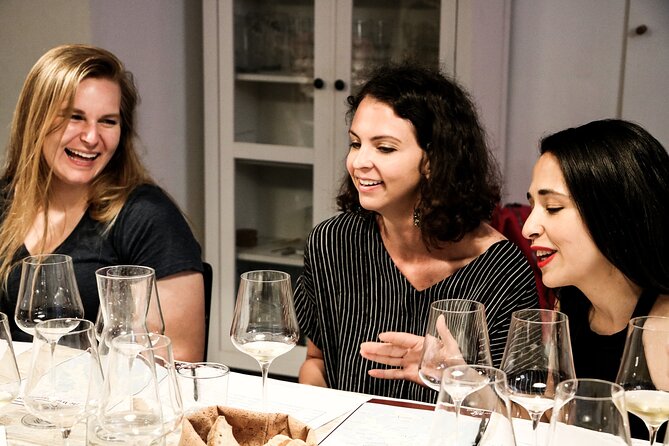
The wines are paired with finger foods, and that is a smart choice for this format. Finger foods keep the tasting casual and keep you from spending the whole night on cutlery and pacing.
The value is practical: you get real-life pairing guidance in the middle of tasting education, instead of leaving pairing tips to memory later. The educator also shares general guidelines for pairing wines with food, with a focus on how the style of the wine interacts with flavor and texture.
If you usually struggle with pairing, this is where a tasting like this earns its place. You learn not just what goes with what, but how to think about taste balance. For low-intervention wines in particular, pairing can matter because the flavor profile may be more direct, more nuanced, or sometimes more earthy than what you expect from mainstream styles.
You can also read our reviews of more wine tours in Rome




Who This Is Best For (And Who Might Want Another Option)
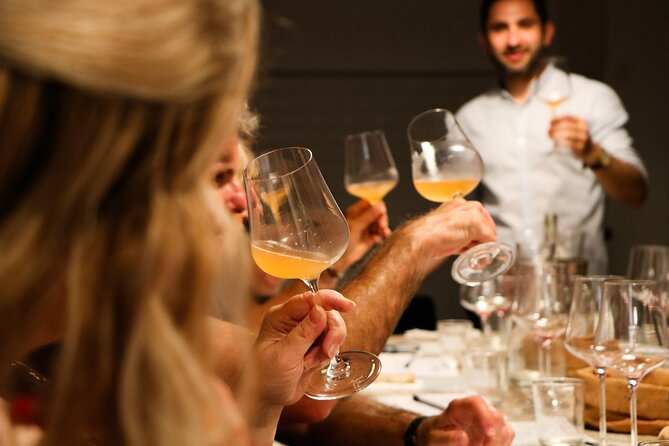
This tasting is best for you if you want:
- A guided Rome wine experience that stays focused on wine, not a long route
- A small group setting, with maximum 12 people
- A real explanation of terroir and technique, not just casual wine talk
- A chance to taste multiple styles quickly, especially low-intervention options
It is also a great pick for travelers who are staying in Rome around the 5:00 pm slot and want something that feels like a Roman activity, not a checklist stop.
There are a couple of “maybe not” cases:
- If you want a full evening of sights and this feels like too much wine time, it may not match your plan
- If you are not interested in low-intervention or natural-leaning wines, the whole concept may not land for you
Family note: children under 12 are not admitted on the premises. Ages 12 to 16 may be present, but they cannot take part in the tasting and have to pass the time quietly. So plan accordingly if you are traveling with kids.
Value Check: Is $96.12 Worth It?
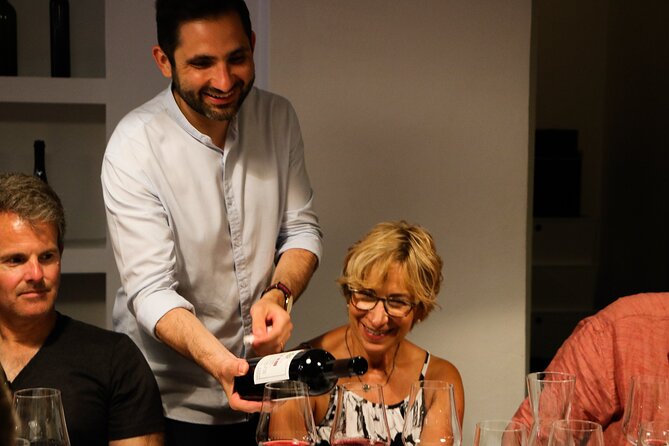
Let’s talk money. At $96.12 per person, this is not the cheapest way to drink wine in Rome. But for what you get, it is reasonably priced for an educational tasting with a professional sommelier and a group capped at 12.
What you are paying for is not just six wines. You are paying for:
- A guided walkthrough of tasting technique
- Explanations that connect flavor to region, soils, climate, and technique
- A structured experience that covers six different wines in a short time
- Printed learning materials to take away
If your usual plan is to spend an evening at a bar ordering one bottle and hoping the waiter can explain the choices, this tasting is a smarter use of time. You also get better odds of leaving with clearer preferences, which makes future wine spending easier.
The session is about two hours, so the cost is spread across a real block of guided time. And since free cancellation is available up to 24 hours in advance, you can book with confidence and adjust if your Rome schedule shifts.
One more value angle: this experience tends to book up. It is on average reserved about 30 days in advance, so if you want your preferred date, I would not wait until the last week.
How to Get the Most Out of Your Tasting
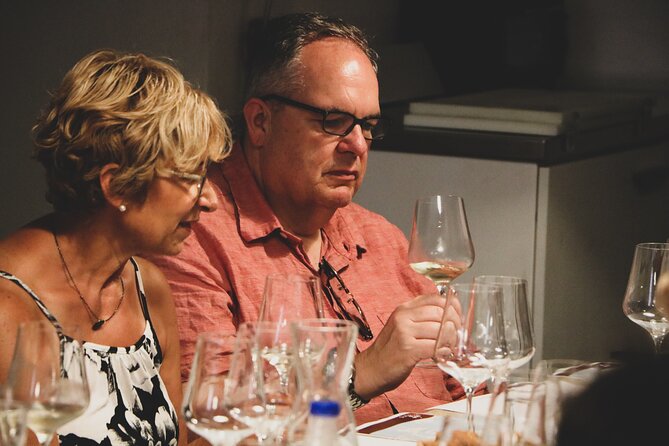
You will get more out of this if you treat it like learning, not just sipping. A few practical moves help:
- Arrive a few minutes early so you can settle in and start relaxed
- Take quick notes on what you like or dislike, even if it is just simple words like tart, earthy, floral, or dry
- Ask the sommelier about what you notice, not just what you want to memorize
- Pay attention to how the educator links the glass to the vineyard, because that is the real skill transfer
Since the group is small, your questions actually matter. The discussion is designed to follow your interest, whether you are brand new to tasting or already know the basics.
Also, since this is a wine-centered evening, plan your next stop accordingly. Have your transport lined up so you do not have to sprint afterward.
Should You Book Shades of Italian Terroir?
If you like wine education, enjoy learning how flavor connects to place, and want to taste six low-intervention Italian wines in a small group, I think this is a strong book. It is also a smart choice if you only have a couple of evenings free in Rome and want something that feels local in spirit, not just touristy on a route.
Skip it if your priority is landmark hopping with minimal structured time, or if the whole low-intervention concept does not interest you at all. In that case, you might be happier with a more classic tasting where the style expectations match what you already know.
FAQ
How long is the wine tasting experience?
The experience lasts about 2 hours.
What wines will I taste?
You will taste six Italian low-intervention wines.
Is the tour offered in English?
Yes, the experience is offered in English.
Where does the tasting start?
It starts at VinoRoma Wine Studio & Social Club at Via in Selci, 84/G, 00184 Rome, Italy.
What food is included?
The wines are paired with finger foods.
What is the group size limit?
The experience has a maximum of 12 travelers.
Are children allowed?
Children under 12 are not admitted on the premises. Children 12 to 16 may be present, but they cannot take part in the tasting and must pass the time quietly.
How far in advance should I book?
On average, this experience is booked about 30 days in advance.
Is there free cancellation?
Yes. You can cancel for free up to 24 hours before the experience starts for a full refund.
Do I receive a mobile ticket?
Yes, you’ll receive a mobile ticket.
More Wine Tours in Rome
More Food & Drink Experiences in Rome

More Tour Reviews in Rome


Not for you? Here's more nearby things to do in Rome we have reviewed







Wine Tours, compared.
 ★ 4.9Pasta & Tiramisu Class with Fine Wine by the VaticanFrom $414,852 reviews
 ★ 4.9Pasta Making Class with Wine, Limoncello, and DessertFrom $483,177 reviews
 ★ 4.8Fettuccine and Tiramisu Cooking Class with WineFrom $672,013 reviews
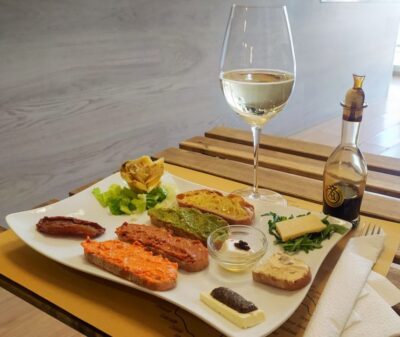 ★ 4.8Food Tour with Unlimited Food and Barolo WineFrom $861,883 reviews
 ★ 4.9E-Bike Night Tour with Food and Wine TastingFrom $891,131 reviews
 ★ 4.6From Rome: Bagnoregio & Orvieto Day Trip with Wines & LunchFrom $931,075 reviews
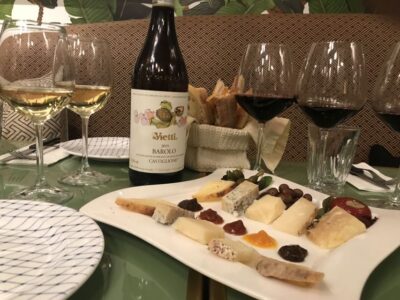 ★ 4.9Trastevere Guided Food and Wine Tour with 20+ TastingsFrom $1461,022 reviews
 ★ 4.9Pasta Making with Wine Tasting and Dinner in FrascatiFrom $35979 reviews
Browse the lists this tour appears in