
Reviewed · DAY TRIPS FROM ROME
From Rome: Pompeii and Herculaneum by High-Speed Train
Two ancient cities in one well-run day. You get high-speed train time-saving plus an archaeologist-led tour with plaster casts and key sights. One consideration: it is a long day and there is about one mile of walking in Pompeii and half a mile in Herculaneum, so build in some patience.
I like that this trip is built for real sightseeing, not just sitting on a bus. You will also get headsets for the group, which makes the explanations easier to follow when crowds get loud. Plan for rain or shine, and expect the schedule to move, with free time in Pompeii that can feel limited if you want extra museum or photo time.
Key highlights and why they matter
- Two sites, one Vesuvius storyline: you see both places in a single day to connect the eruption impact across the region
- Archaeologist explanations at both ruins: you learn the Roman city story and what happened to the people buried by Vesuvius
- Pompeii plaster casts of victims and animals: a powerful stop that turns ruins into human scale
- Herculaneum highlights like the House of Neptune and Amphitrite: preserved homes and street-level glimpses
- Beach area with hundreds of preserved skeletons: a memorable, sobering ending to the day
- Fast train + shared minibus transfers: fewer hours stuck in transit, more time on the ground
From Roma Termini to Naples, fast enough to matter
This is a Rome to Campania day trip with a simple idea: spend your energy where it counts. The trip starts at Roma Termini, and you travel independently by high-speed train with pre-booked tickets to Naples Central Station in about 70 minutes. That is the big win. Instead of losing half a day to slow transport, you arrive with enough time to actually tour.
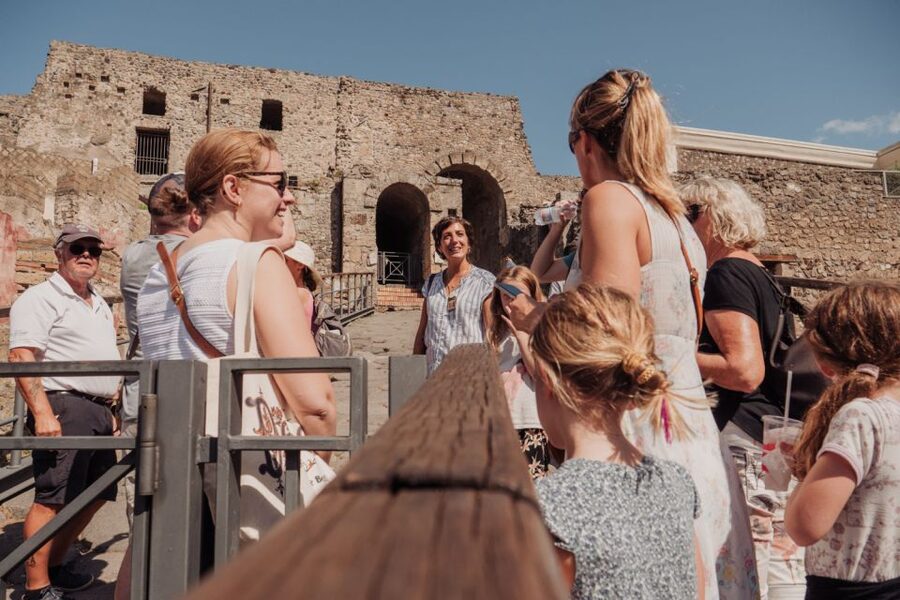
When you get to Naples, you meet your group in front of the STARHOTEL TERMINUS entrance located opposite the station. Look for your guide holding an ASKOS TOURS sign. The next leg is a short ride by comfortable van or minibus, then you are at the ruins.
Two practical touches help you feel organized right away. First, headsets are provided for all participants, so you can hear your English guide without pressing in close. Second, you are doing a set sequence, so you do not need to constantly re-plan how to get between sites.
One quick reality check: this is not a sleepy afternoon outing. It is an 8.5-hour structure built around train timing and timed entry, so you should arrive mentally ready for a packed but efficient day.
You can also read our reviews of more tours and experiences in Rome.



Pompeii on a tight schedule: what you will actually see
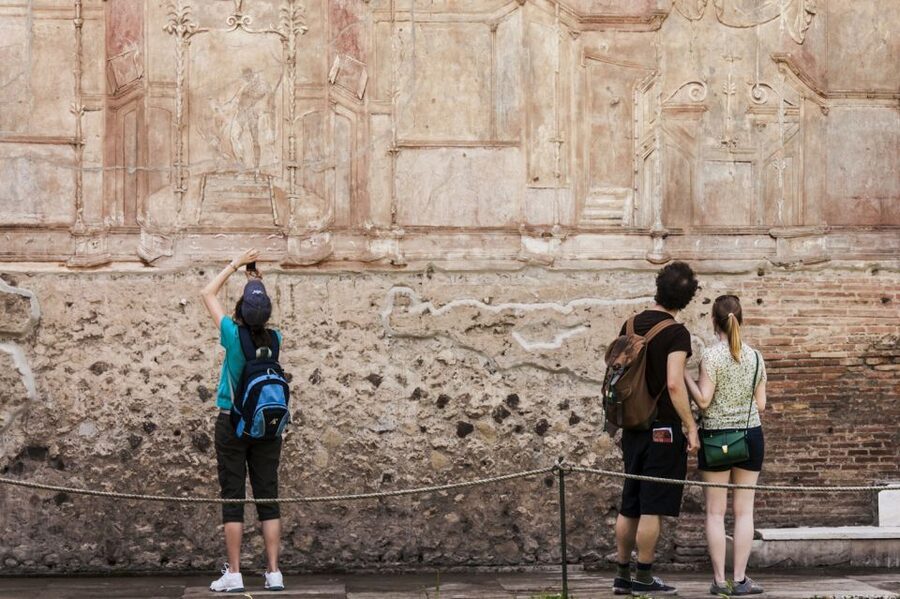
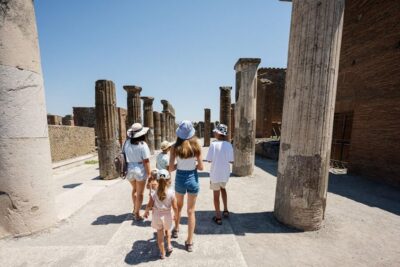
Pompeii gets the first main guided block of the day, about two hours with your archaeologist guide, plus a later 30 minutes of free time. The guide focuses on the highlights, including places that help you picture daily life and the city layout.
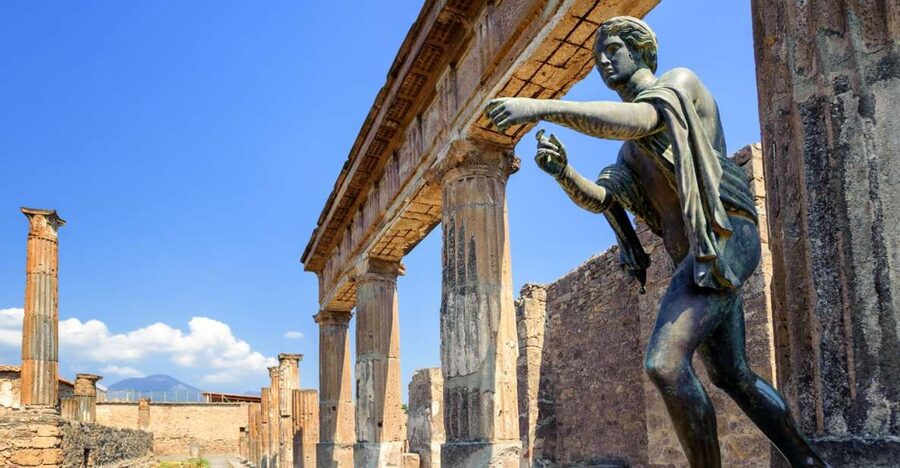
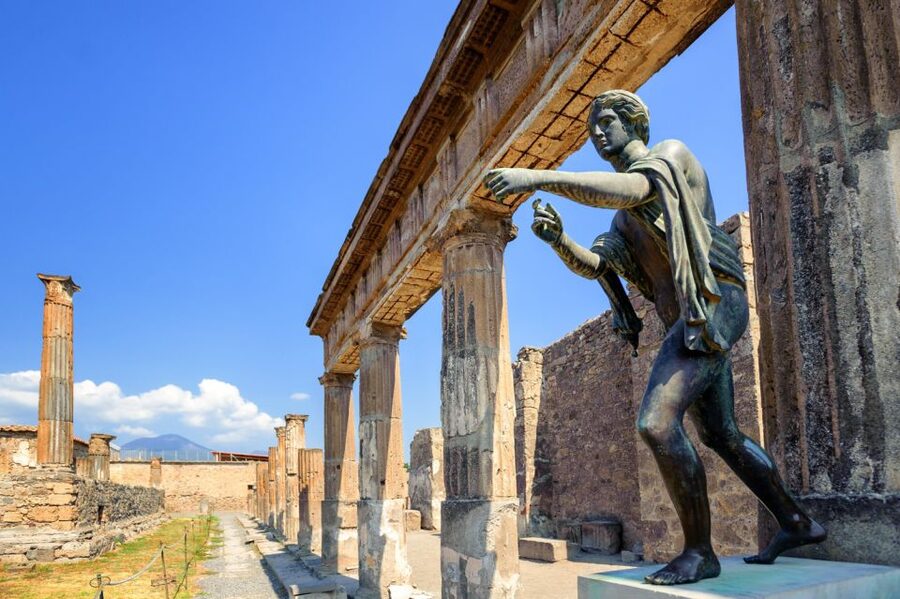
In Pompeii, you should expect the tour to cover the big, memorable landmarks in a way that is meant to be understood, not just photographed. The included stops you can look forward to are newly-opened houses, the plaster casts of victims and animals, and the brothel, along with other key buildings.
The plaster casts deserve special attention. The tour promises casts of animals and people who died in Pompeii. That is the kind of exhibit that changes how you experience the ruins. Instead of only seeing stone outlines, you get bodies and animals rendered in a way that makes the tragedy harder to distance yourself from.
What could feel like a drawback is pacing. Two hours is enough to hit the most famous areas with a guide, but it is not enough to wander for hours. One common sticking point is that some people want more time to slow down, especially around major areas and any on-site museum-style material you might run into along the route. If your priority is wandering at your own pace, this schedule may feel brisk.
Still, if you like guided context, this is a strong fit. The archaeologist angle matters here because the guide is not only pointing out what you see, they connect it to the Roman city and the eruption story.
Pompeii free time: shopping and lunch, but keep expectations realistic
After the first guided tour, you get about 30 minutes of free time at Pompeii for shopping or lunch. This is a helpful break, especially since the morning starts with a train ride and then moves into site walking.
But 30 minutes is tight. You will want to plan your day around it. If you want a full sit-down meal, this is probably not the moment. If you want a snack, a quick lunch bite, or time to buy small souvenirs near the entrance, you can usually make it work.
Here is a practical way to think about it: if you spend your free time lining up for food or finding seating, that time has to come from somewhere. And since the schedule then moves to Herculaneum, there is little room to stretch later.
Also, note the walking. The tour is described as requiring about one mile of walking in Pompeii. That does not mean it is a marathon, but it does mean you should keep your shoes comfortable and your legs ready. If you are the kind of person who likes to stop every few minutes for photos, 30 minutes of free time can feel even shorter.
Herculaneum after Pompeii: why the second site hits differently
Then comes the shift. You take a quick transfer by minibus to Herculaneum for about a two-hour visit with your archaeologist guide. This is not just a repeat of Pompeii. It is a different kind of experience.
Herculaneum is known for being more intimate, and the tour is designed to show you that difference through specific stops. Included highlights include the House of Neptune and Amphitrite and the beach area where hundreds of skeletons are preserved. Those two stops do a lot of emotional work, especially after Pompeii.
The House of Neptune and Amphitrite is included by name because it represents the home-life side of Herculaneum. If Pompeii feels big and public, Herculaneum tends to feel closer to everyday spaces. That is part of why doing both sites in one day can be so effective. You see the story from two angles rather than only one.
Then you move to the beach area with preserved skeletons. The tour description calls out that you will stop where hundreds of skeletons are preserved. That is a sobering highlight, and it is the kind of place where an archaeologist guide can help you understand what you are looking at in a grounded way, not just as scenery.
Your total walking in Herculaneum is about half a mile, which is shorter than Pompeii. That helps, because by this point you have already spent hours in the day.
The walking, shoes, and weather reality check
This tour takes place rain or shine. I would treat that like a planning instruction, not a warning. Bring a raincoat so you can keep your pace without getting soaked and slowed down by slippery ground or wet clothing.
Footwear matters. The tour states that sandals or flip flops are not allowed, and high-heeled shoes are not allowed. You should plan on sturdy, comfortable walking shoes. Also note that luggage or large bags are not allowed. Bring what you can carry easily and expect to move with less baggage than a normal day.
Mobility is another key consideration. This tour is not recommended for people with limited mobility, and it is not suitable for wheelchair users. Even though Herculaneum is the shorter walk, both sites include uneven, stone-paved areas and real walking time between stops.
Finally, expect the group pace to be steady. You are doing two major ruins with guided segments and transfers. That means fewer long detours and fewer chances to “just stay” in one place. Headsets help, and a good archaeologist guide helps more, but the structure is still structured.





What you pay: value for $222.77
The listed price is $222.77 per person, and the value is not just about entrance tickets. What you get includes:
- round-trip fast-train tickets from Rome to Naples
- Pompeii Express entry tickets
- Herculaneum entry tickets (16 euros each)
- guided tours with an archaeologist in both Pompeii and Herculaneum
- transportation by van or minibus between Naples, Pompeii, and Herculaneum
- headsets for every participant
When you compare that to doing parts of the day on your own, the biggest cost saver is time and logistics. You do not need to solve train schedules, manage transfers, and figure out how to get into two major sites while trying to keep your day from spiraling.
In other words, your money buys you a managed day. That includes the skip-the-ticket-line element for the included entries, which is important at these sites when lines can eat your schedule.
Is it expensive? Yes, it is a premium one-day outing. But you are paying for two guided archaeological visits plus the train and transfers. If you are the type of traveler who hates logistics on vacation, this price starts to look reasonable fast.
Who this Rome Pompeii and Herculaneum day trip fits best
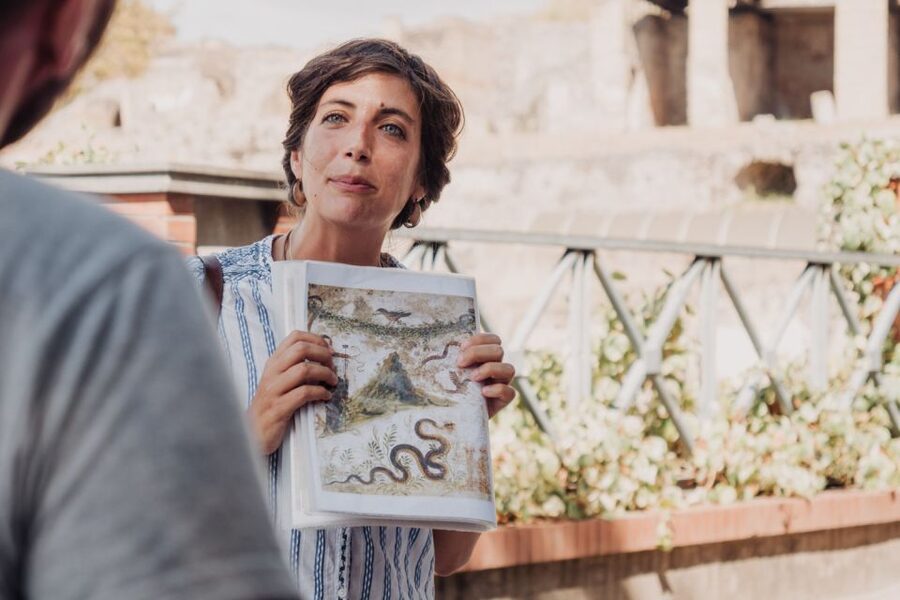
This tour is built for travelers who want more than a highlight photo run. If you like learning from an archaeologist guide, you will probably enjoy the way the tour connects what you see to the story of the Roman cities and the people impacted by the Vesuvius eruption.
It is also a good option if you want both sites without changing hotels or adding another travel day. The fast train and return trip back to Roma Termini keep this within one long day.
On the flip side, if you strongly prefer slow, wandering museum-style time and lots of free browsing, you might find the built-in timing and walking requirements limiting. Also, if you have mobility concerns, this is not the right choice.
If you are visiting Rome with only a short window and want the “Vesuvius impact” experience without the hassle, this is a smart way to do it. It is also a solid choice for couples and friends traveling together, since the pace is guided and the headsets help everyone hear the explanations.
Should you book this tour?
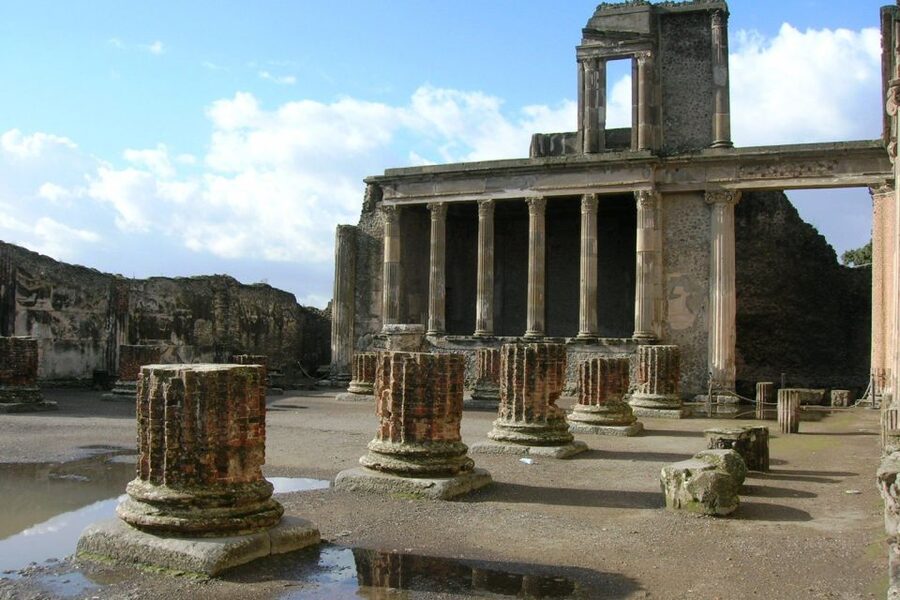
Book it if your top goal is a focused day seeing Pompeii and Herculaneum together, with an archaeologist guide and organized transport from Roma Termini. The schedule is efficient, the included stops like plaster casts and Herculaneum’s House of Neptune and Amphitrite and preserved skeletons at the beach are exactly the kind of details that turn ruins into a real story.
Skip or choose another format if you need lots of downtime, you want long free exploration, or you have limited mobility. Also, plan for the walking and the tighter Pompeii free time, and bring rain protection.
If you match the tour to your style, this one-day setup is a strong use of time in Campania.
FAQ
How long is the Pompeii and Herculaneum day trip from Rome?
The tour lasts about 8.5 hours, depending on the starting time you select.
How do I get from Rome to Naples?
You use pre-booked high-speed train tickets provided by the tour. You depart from Roma Termini and arrive at Naples Central Station in about 70 minutes.
Where do we meet our guide in Naples?
Meet your guide in front of the STARHOTEL TERMINUS entrance, which is opposite Naples Central Station. Look for the guide holding an ASKOS TOURS sign.
Is the tour guided at both Pompeii and Herculaneum?
Yes. You get a live guided tour with an archaeologist at Pompeii and again at Herculaneum, in English. Headsets are included for all participants.
How much walking is involved?
The tour description estimates about one mile of walking in Pompeii and about half a mile in Herculaneum.
What should I wear or bring?
Bring a passport or ID card. Sandals or flip flops and high-heeled shoes are not allowed, and luggage or large bags are not allowed. The tour takes place rain or shine, so a raincoat can be helpful.
Is this tour suitable for wheelchair users or limited mobility?
No. It is not recommended for people with limited mobility, and it is not suitable for wheelchair users.
More Tour Reviews in Rome
Not for you? Here's more nearby things to do in Rome we have reviewed











Day Trips from Rome, compared.
 ★ 4.6From Rome: Pompeii, Amalfi Coast, and Sorrento Day TripFrom $797,031 reviews
 ★ 4.6From Rome: Pompeii, Amalfi Coast and Positano Day TripFrom $996,620 reviews
 ★ 4.6From Rome: Pompeii Day Trip with Optional Vesuvius and LunchFrom $885,067 reviews
 ★ 4.4Amalfi Coast & Positano Day Trip with Coastal CruiseFrom $1342,511 reviews
 ★ 4.5From Rome: Villa D’Este and Hadrian’s Villa Tivoli Day TourFrom $772,060 reviews
 ★ 4.4From Rome: Day Trip to Pompeii with TicketsFrom $1111,161 reviews
 ★ 4.4From Rome: Sorrento & Pompeii Day Trip with Guide or TicketFrom $1071,131 reviews
 ★ 4.6From Rome: Bagnoregio & Orvieto Day Trip with Wines & LunchFrom $931,075 reviews
Browse the lists this tour appears in