
Reviewed · TOURS
Rome’s Dark Side Ghosts and Legends Tour
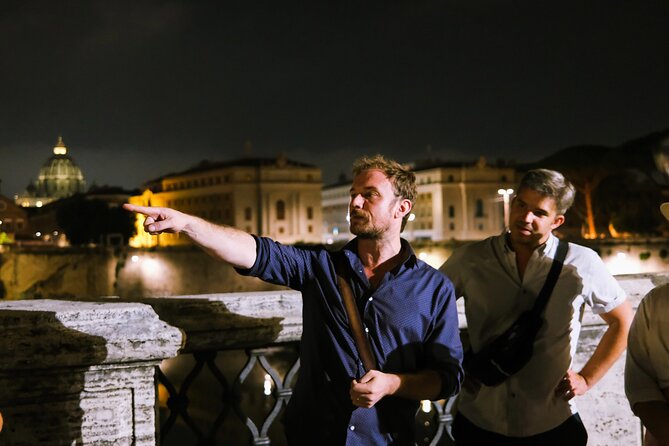
Dark stories in Rome sound fun, but this tour adds the right amount of night atmosphere and real legendary detail as you walk. I like that it is built like a proper storytelling route, not just a list of famous stops, and it keeps you moving through the historic center after hours. You also get a small-group feel, so the guide can keep the pace tight and the tone engaging, with guides like Arielle and Ben setting that smart, funny rhythm.
The second thing I really like: you cover places that most daytime walks skip, including Campo de’ Fiori, the alleys near Vicolo delle Grotte, and the final storytelling moment at Castel Sant’Angelo. The tour price, $24.19 for about 2 hours, feels fair for an English-speaking professional storyteller plus a gelato experience along the way. One drawback to consider is simple: this is a walk on uneven surfaces and cobblestones, and some people find it harder to keep up than they expected.
Key things to know before you go
- Start time is 8:00 pm: you get calmer streets and a Rome-at-night vibe without baking in the sun.
- Max 15 people: the small group size helps you hear every story and keeps the pace manageable.
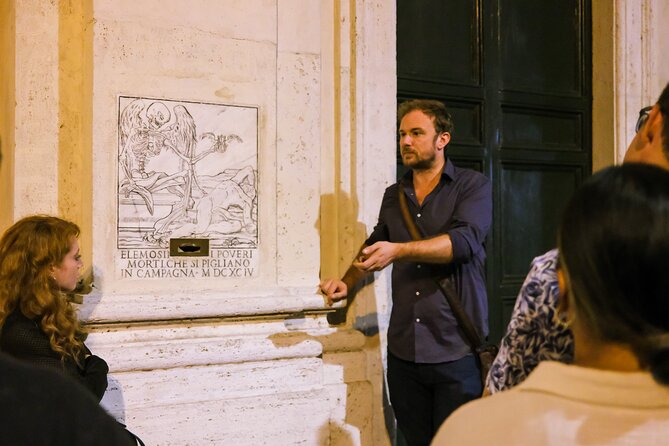
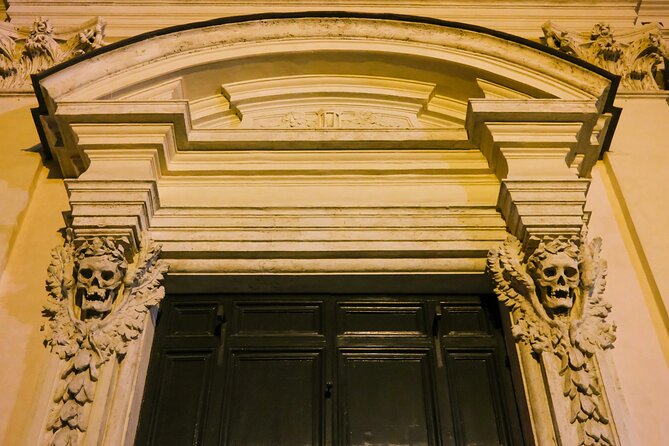
- Full storytelling route: executioners, prisons, notorious popes, and haunting legends tied to specific streets.
- Gelato stop included in the highlights: you end up sampling from a shop with a dark past.
- Cobblestones and narrow lanes: expect standing, turning corners, and some uneven walking.
Entering Campo de’ Fiori at 8:00 pm
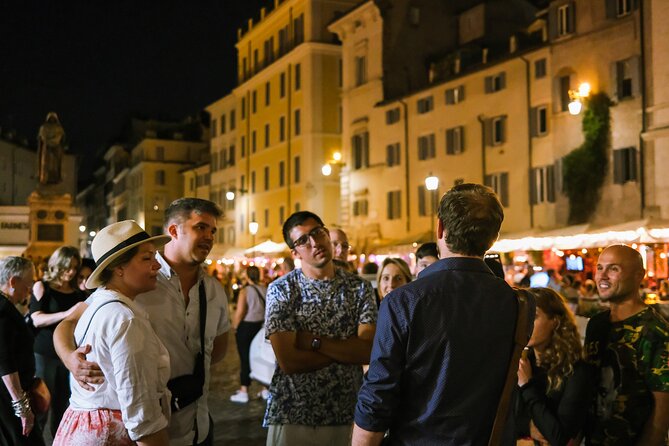
You meet in Campo de’ Fiori, and the tour starts right away at night. That matters. Daytime Rome can be a lot of lines, loud tour groups, and heat. At 8:00 pm, you get the city at a slower speed, and the stories land better because the streets feel quieter and more mysterious.
Campo de’ Fiori is a smart starting point because it is central and easy to orient yourself. It also sets the tone. Your guide launches with the first story, and from there the route keeps steering you away from the obvious “big sights only” rhythm.
If you are trying to fit one evening activity that feels different from a museum visit, this is a strong candidate. It is compact, about 2 hours, and it is designed to be entertaining while still grounded in the recognizable fabric of old Rome.
You can also read our reviews of more tours and experiences in Rome.



Piazza Farnese: palace vibes with the side nobody mentions
Next comes Piazza Farnese, where the renaissance palace scenery does its job, even in the dark. This stop feels like a breather, but it is not just scenery. The guide connects the area to history in a way that adds texture to what you see: the buildings, the streets around them, and why this corner of Rome has its own character.
I like that this tour does not treat the piazza like a backdrop. It gives you a lens. When you later walk through this area on your own, you tend to notice details you would have missed, like how the spaces were shaped for power, movement, and status.
One practical note: this is a short stop. You should expect quick, focused storytelling, not a long lecture. If you are the type who likes to linger, you will probably want to add time on your own after the tour.
Vicolo delle Grotte: the 18th-century magician haunting the alley feel
Then the tour shifts into smaller streets, including Vicolo delle Grotte. This is where the tour earns its name. Narrow lanes plus night sound effects from the city itself make the ghost stories more believable. You are also physically moving through “backstreet Rome,” not just passing monuments.
The specific legend here centers on an 18th-century magician and the idea that he still haunts the area. Whether you take the legend literally or as folklore, the tour uses it to point out the kinds of places where people once lived, hid, worked, and vanished. That is what makes these stories useful. They explain how Rome functioned in messy human terms, not just as a postcard.
The main drawback at this point is also practical: the streets are tight, and you might spend more time standing than you expected. If you plan ahead with comfortable shoes, you will enjoy the stop more and worry less about your footing.
Ponte Sisto: the woman who ruled Rome and a bridge myth
Ponte Sisto is the stop that feels like a movie scene. Your guide tells the tale of the woman who ruled Rome, her rise to power, and why the legend says she still haunts the bridge. This is a classic Rome move: take something architectural and turn it into a story about control, danger, and rumor.
Even if you have seen bridges in Rome before, this one gets a different framing. You are not just looking at the view. You are thinking about how the city’s power systems moved from person to person, street to street.
I also like that this tour does not only focus on spooky villains. It includes complicated figures, political ambition, and the way people gained influence. That makes the myths feel less like random horror and more like an alternate version of the city’s biography.
Via Giulia: an order of monks with a macabre task
At Via Giulia, the tone shifts toward something more unsettling. You hear about a mysterious order of monks and a macabre task they are linked to. This is one of those stops where the guide’s delivery matters. The facts, the implications, and the human stakes all need to land at the right moment.
Why this stop is valuable is that it shows how Rome’s institutions were built on systems that could be cruel. You are not only hearing ghost stories, you are also learning how fear and punishment were woven into daily life.
If you like history that reads like real life, this part usually hits hardest. You get the sense that the city’s shadows come from human choices, not only supernatural ones.






Via di Monserrato: a prison story and the notorious Pope
Via di Monserrato is where the tour gets particularly heavy, in the best sense if you like darker narratives. You hear about one of history’s worst prisons, then the story of a notorious pope, and his family, and how the legend says he haunts the area now.
This stop is useful because it gives you a direct connection between place and consequence. You see the streets and you understand that they were not always neutral spaces. They held power, suffering, and official punishment.
Just be ready for emotion here. You do not need to be squeamish to enjoy it, but if you prefer gentle sightseeing after a long day, you may want to pace yourself. It helps to remember that the tour is meant to be entertaining and “chills” is part of the promise, but it is still rooted in real-world themes of incarceration and authority.
Via dei Banchi Vecchi: the gelato shop with a poisoning past
Then you reach Via dei Banchi Vecchi, and you get one of the most fun contrasts on the route: gelato. The tour highlights that the modern gelato shop was once run by prolific poisoners, which turns a simple treat into a story you remember.
This is clever tourism value. You are not spending the whole time absorbing gloom. You get a sensory reward right in the middle of the dark themes, and it also keeps the pace feeling lighter.
A practical way to enjoy this stop: keep your hands free for the walk, take a quick photo if you want, and then listen closely while you eat. The guide typically uses this moment to tie the legend back to how people lived, worked, and exploited trust in old Rome.
Via del Banco di Santo Spirito: the executioner’s house story
Via del Banco di Santo Spirito shifts focus to the person most people do not want to imagine in a city like Rome: an executioner. Your guide tells the story of Rome’s most famous executioner at his house.
This is one of those stops that reframes the idea of “famous people.” In most tourist routes, you meet emperors and artists. Here, you meet someone tied to violence, duty, and the grim logistics of punishment.
I like this stop because it adds balance. Rome’s beauty is undeniable, but so is the fact that the city’s systems could be brutal. Hearing these stories helps you understand the full range of what shaped the streets you are standing on.
Castel Sant’Angelo: from an emperor’s tomb to executions
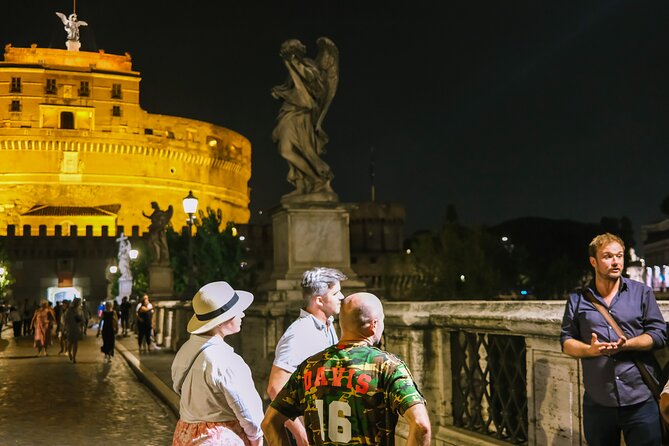
At the final stop, you reach Castel Sant’Angelo, and the tour’s last stories bring everything together. You hear the site’s origins as an emperor’s tomb, then how it became a place tied to executions, and you get one of the tragic tales connected to where you stand.
This ending works because Castel Sant’Angelo is already one of the most visually dramatic places in the area. After walking through smaller streets and lesser-known corners, you end with a landmark that feels like the payoff.
Also, having the tour end near Ponte Sant’Angelo is practical. Your guide gives direction so you can get where you need to go next, whether that is dinner, a hotel, or a ride back.
Why the small-group night format is the real value
This tour is priced at $24.19 and lasts about 2 hours. That is not just about cost. It is about time value. You are paying for a route plus a storyteller, and the short duration keeps it from turning into a tiring slog.
The small group size, up to 15 people, is also a big part of the experience quality. With fewer people, the guide can keep eye contact, adjust pacing, and keep the mood steady. In the comments you can tell that guides like Arielle and Ben were able to hold attention the whole time, mixing humor with historical detail.
One more value point: the night setting. Multiple people note that Rome feels better at night, less crowded and cooler. Even if you do not care about heat, the city’s nighttime sound and lighting help the legends land.
What to wear and how to pace yourself
The tour is easy-going in tone but real in walking effort. You should plan for narrow streets, cobblestones, and standing during certain story beats. If you have limited mobility, you might still be able to join, but you should assume it can be difficult to keep up if the pace is brisk.
My best practical advice is simple: wear comfortable shoes you trust on uneven ground, and keep water or a light snack in mind earlier in the day so you are not running on empty.
If you get tired easily, consider booking this for a day when you are not also doing a long daytime archaeology day. The tour timing is night, so it is tempting to stack it right after big daytime plans, but it is still a walking experience.
Who this tour suits best
This tour is ideal if you want:
- a fun, story-led evening instead of another museum entry
- Rome’s darker themes paired with recognizable landmarks
- a small-group guide who can keep the energy up and the jokes balanced
It is also a solid choice for your first or last night, depending on your style. If it is your last night, you end the trip with stories that make the streets feel personal. If it is your first night, the legends can act like a lens for your days afterward.
If you strongly dislike scary tales, this might still work because the tone is described as entertaining with humor, not pure horror. That said, some stops involve prisons and execution-related stories, so the subject matter is dark by nature.
Should you book Rome’s Dark Side Ghosts and Legends Tour?
Book it if you want a compact, English-speaking night walk with high storytelling energy, a gelato moment, and access to streets and legends most people never connect to the bigger Roman sights. The guides have a clear talent for turning “what happened here” into something you can picture, and the small group size helps you actually enjoy the route instead of fighting for attention.
Skip or reconsider if you know cobblestones and standing are hard for you, or if you plan to run your day super packed with long daytime tours in hot sun. This is not a sit-down show. It is a walking story, so your comfort level will shape your enjoyment.
If you want one evening activity that feels like Rome, not just about Rome, this tour is an easy recommendation.
FAQ
What is the duration of Rome’s Dark Side Ghosts and Legends Tour?
The tour runs for about 2 hours.
What time does the tour start?
The start time is 8:00 pm.
Where does the tour begin?
The tour starts at Campo de’ Fiori, 00186 Roma RM, Italy.
Where does the tour end?
The tour ends near St. Angelo Bridge, Ponte Sant’Angelo, 00186 Roma RM, with directions provided by your guide.
Is the tour offered in English?
Yes, the tour is offered in English.
How big is the group?
The tour has a maximum of 15 travelers.
What is included in the price?
Included features are an English speaking expert guide, a small group (max 15), entertainment and chills, and it is led by award-winning guides and professional storytellers. A mobile ticket is used.
Is food included?
Food and drink are not included. A cafe break stop is offered during the tour.
Are service animals allowed?
Yes, service animals are allowed.
Can the tour accommodate sign language needs?
Sign language interpreters can often be provided if you tell them in advance.
What is the cancellation policy?
Cancellation is free if you cancel up to 24 hours in advance for a full refund. If you cancel less than 24 hours before the experience starts, the amount paid is not refunded.
More Tours in Rome
More Tour Reviews in Rome
Not for you? Here's more nearby things to do in Rome we have reviewed












Tours, compared.
 ★ 4.3Vatican Museums & Sistine Chapel Tour with Optional BasilicaFrom $7967,413 reviews
 ★ 4.5Vatican Museums, Sistine Chapel & St Peter’s Basilica Guided TourFrom $2239,149 reviews
 ★ 4.8Colosseum, Palatine Hill and Roman Forum Guided TourFrom $5232,814 reviews
 ★ 4.7Guided Tour of Colosseum, Roman Forum & Palatine HillFrom $5527,897 reviews
 ★ 4.5Colosseum, Roman Forum and Palatine Hill Guided TourFrom $5923,903 reviews
 ★ 4.3Vatican Museums, Sistine Chapel & Basilica TourFrom $13013,872 reviews
 ★ 4.4Colosseum, Forum & Palatine Hill Tour & Optional ArenaFrom $5813,839 reviews
★ 4.7Vatican Museums, Sistine Chapel & Basilica TourFrom $7213,217 reviews