

Reviewed · TRASTEVERE TOURS
Trastevere & Campo de’ Fiori Street Food Tour, Eat Like a Local
Rome tastes better on foot. This 2.5 hour street food tour links Campo de’ Fiori and Trastevere with practical tastings and stories that help the neighborhoods make sense fast, plus gelato is included. The big tradeoff is simple: it is still a walking tour, and drinks are not included, so you will want to plan for that.
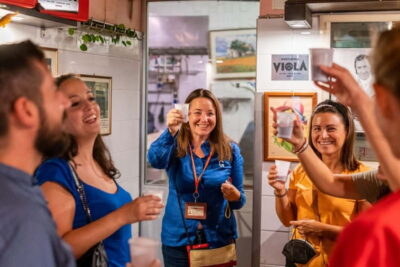
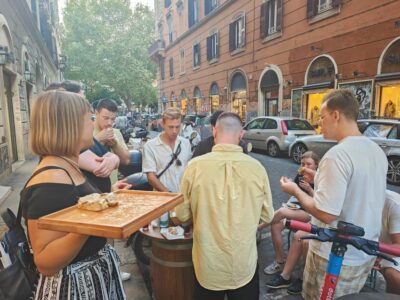
I like the small-group feel here. With a maximum of 14 travelers, you get more than just a line of people moving from one counter to the next, and your guide can actually answer questions as you go.
One more thing to keep in mind: the tour cannot be done for celiacs. If you are gluten free, this one is a hard no, even if you are hoping the guide can adjust.
Why this tour is a smart Rome food move (even on a busy trip)
- Small-group attention (up to 14 people): better pacing, easier questions, and more personal tips as you snack.
- Market + neighborhood mix: you get a market area like Campo de’ Fiori and then the older lanes of Trastevere, so it feels like Rome, not a food court.
- Gelato is built in: you are not hunting for dessert at the end, and it gives a perfect finish to a walking route.
- You cross the Tiber on Ponte Sisto: the bridge stop adds skyline views while you are already in the right mood for photos.
- Food stop variety (with classics named often): expect Roman street favorites, and you may see items like suppli, pizza, porchetta, and maritozzi depending on the day.
- Walking shoes matter: you will cover ground, with several alley-like sections and a bridge crossing.
Trastevere and Campo de’ Fiori, the Rome combo that actually works
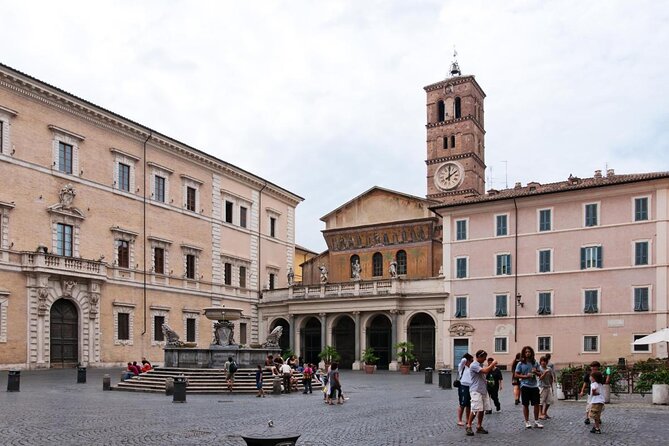
If you want one Rome food tour that does not feel stuck in a single neighborhood, this route is a strong pick. You start on the Campo de’ Fiori side of the city, then make your way toward Trastevere, crossing the Tiber on Ponte Sisto along the way. That one shift alone changes the vibe from busy market life to older, more lived-in street scenes.
Campo de’ Fiori is where Rome shows its daily food rhythm. Trastevere is where you feel the city slow down, with narrow lanes, old buildings, and a lot of local social energy. When your tastings match those shifts, the whole experience feels grounded, not random.
This tour is also good for people who want value without turning it into a full day project. In about 2 hours 30 minutes, you get multiple food stops plus gelato, with a guide who keeps you moving and helps you understand why these places and foods fit here.
Starting at Piazza di San Simeone, and why the route begins with a fountain
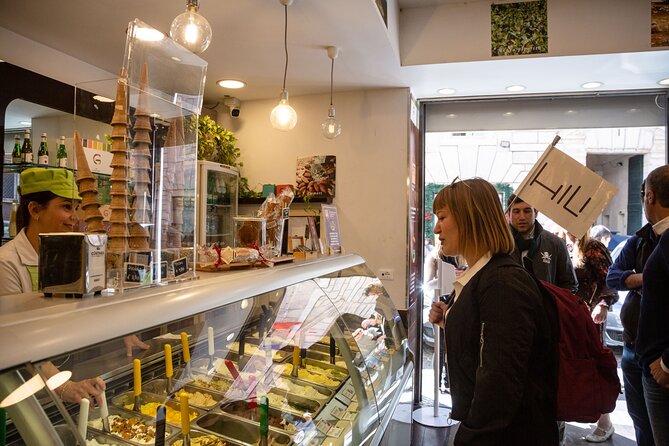
The meeting point is Piazza di San Simeone, right by the fountain at the start of the walk. That is a nice way to begin, because you are not thrown into chaos immediately, and you can get oriented before you start threading through streets.
From there, the next stretch takes you along Via del Governo Vecchio, described as one of Rome’s more picturesque street views. Even if you do not care about architecture, these early lanes help set the tone. Rome’s best street food experiences feel like a stroll through real neighborhoods, not a checklist.
One practical note: the tour is offered in English, so your guide can explain both what you are eating and what is going on around you. That matters because food here is tied to local habits, market life, and how Romans actually snack between meals.
You can also read our reviews of more food & drink experiences in Rome

Campo de’ Fiori market stops: how to enjoy the food without getting rushed
Campo de’ Fiori is the oldest market of Rome, and it is especially active in the morning. Even if you arrive with a simple plan like, Eat first, think later, this stop is still worth your attention. Market snacks are often about ingredients and everyday choices, not fancy restaurant plating.
In past tastings for this tour, you can encounter market-style bites and condiments alongside other Roman classics. That is a big reason this stop feels useful: you learn how flavors get built in everyday Roman cooking, not just how they taste in one final dish.
A realistic consideration: market areas and food tours can get busy. If you are sensitive to crowds, keep your expectations flexible during the Campo de’ Fiori segment. The guide’s job is to keep you moving, and your job is to let the snack pace set the rhythm.
Ponte Sisto: views of St. Peter and the Tiber, with a food-tour reset button
Ponte Sisto is one of Rome’s popular bridges and a key visual moment on this route. Crossing the Tiber here gives you a great perspective toward St. Peter’s Church and the wider Rome skyline. It is also a mental breather: you go from market noise and alley energy to a wider open span with better sight lines.
This bridge stop helps the tour feel like a real walk across Rome’s layers. You are physically moving from the historic center side of the river toward Trastevere, and the view gives you context while you are still in the middle of eating.
When you hit a scenic pause like this, it is a good time to slow down, take a photo or two, and drink a little water before the next wave of street turns. That simple reset makes the second half of the tour more comfortable.
Walking into Trastevere: why the heart of Rome feels different on a food route
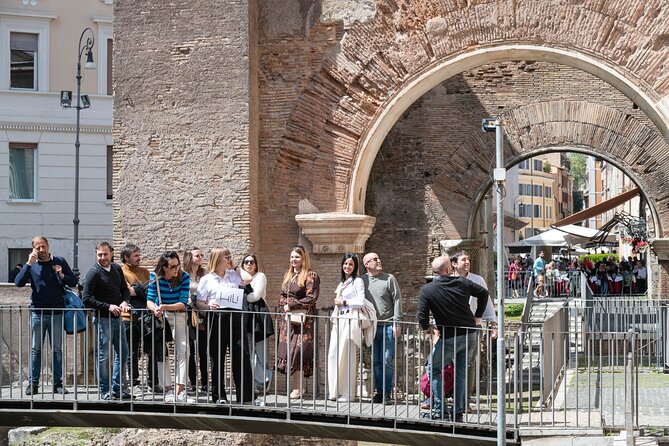
Once you enter Trastevere, the character changes. This district sits on the west side of the Tiber, south of the Vatican City, and it keeps an authentic charm that feels older than the main tourist corridors. The streets are tight, the buildings have that lived-in patina, and the whole area has a reputation for past traditions and present-day hangouts.
This is where a guided walk earns its keep. Trastevere looks picturesque, sure, but the guide helps you connect the streets to the food. When you understand that Romans come here for boutiques, craft shops, and friend meetups, you stop thinking of it as only scenery. It becomes a neighborhood where people actually eat, chat, and linger.
Also, if you love local recommendations for the rest of your trip, Trastevere is the right place to get them. Guides on this tour have a track record of sharing favorite spots, with helpful follow-up ideas so you can keep eating after the tour ends.
Santa Maria in Trastevere area: the fountain legend you can actually picture
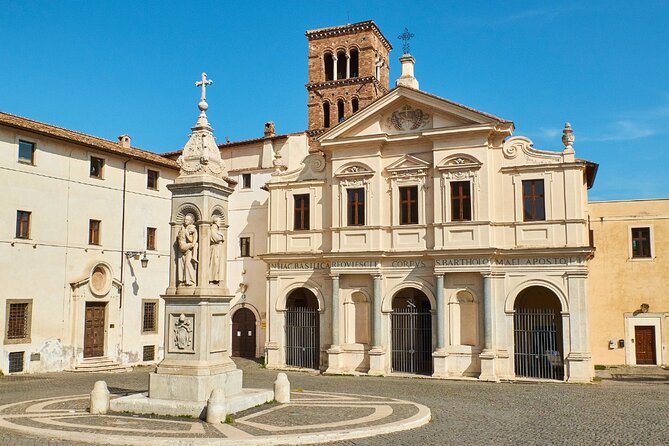
The walk includes the Basilica di Santa Maria in Trastevere area, and the story that comes with it is tied to a fountain nearby in Piazza Santa Maria in Trastevere. The legend says it dates back to the 8th century, though the exact construction date is not known. There is also a historical clue from a city map drawn in 1471 by Pietro del Massaio, where the fountain design shows two basins pouring water into a lower one.
Even if you do not care about dates, this kind of stop is not fluff. It helps you see Rome’s layering pattern: long traditions, repeated water features, and art references that survived centuries. And because this sits in a food-tour route, the storytelling feels like part of the neighborhood texture, not an extra lecture you did not ask for.
One more reason I like this stop: it breaks up the food intensity. After multiple tastings, a short historical pause lets your appetite reset so you can enjoy what comes next.
A few more Rome tours and experiences worth a look


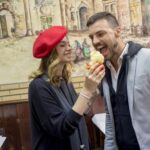

Food tastings and gelato: what you can expect to eat, and how to pace yourself
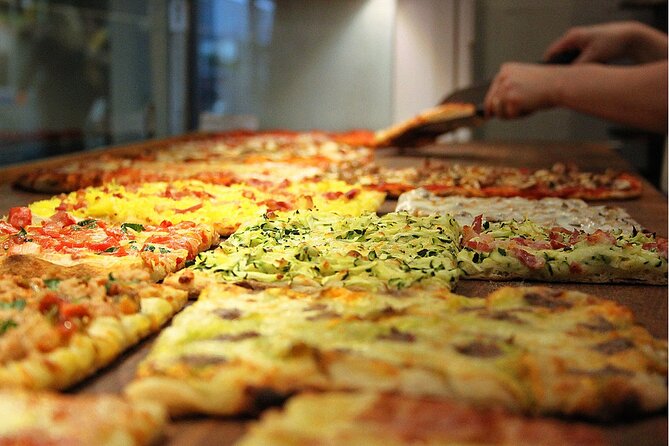
The tour includes food tastings and gelato, and drinks are not included. That sounds straightforward, but it affects how you manage your appetite. If you drink soda or wine with your meal elsewhere that day, you might not want to overdo alcohol before the tour, because you will already be sampling several items.
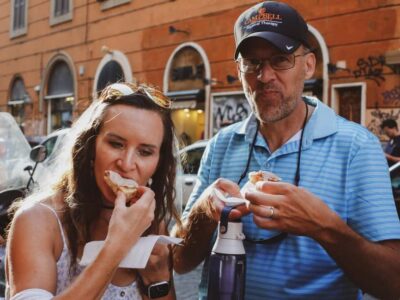
From the tastings described for this experience, you may run into Roman street favorites such as suppli, pizza (sometimes offered in different flavors), porchetta or pork sandwich styles, and maritozzi. Limoncello sampling also comes up, and gelato is consistently part of the finish.
Here is the key practical tip: eat, then slow down just a bit. Street food tours often move fast, and a big part of enjoying Rome is not shoving bites in like it is a race. You have a guide steering you, but you still control how quickly you chew between stops.
Also, be aware of a potential mismatch point for some people: at least one stop can feel more shop-like, where you get samples and then the sales energy kicks in. If you prefer strictly “eat and go” street stalls with less retail pressure, you may want to focus on the tastings and keep an eye on the vibe as you approach each counter.
The guides make the difference: personalization, humor, and follow-up tips
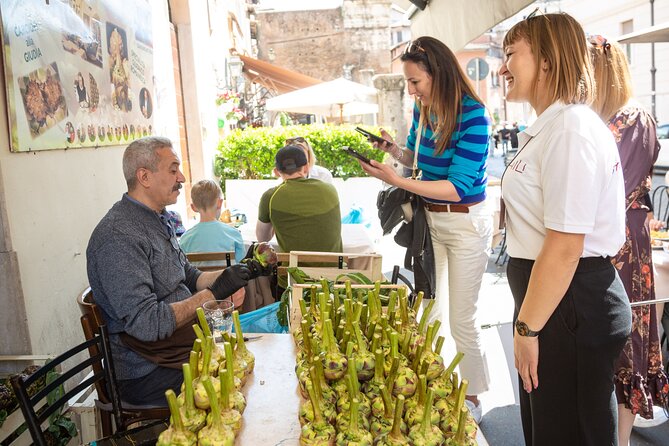
This tour caps at 14 travelers, which means the guide can actually read the room. Many guides associated with this experience are known for blending local food know-how with storytelling, humor, and real context for why the food fits the neighborhoods you are walking through.
You will see different guide styles. Some lean heavy on Roman culinary history details, while others keep things lighter and more joke-and-snack focused. Either way, the common thread is that they try to help you eat like a local, not just point you at food.
If you get a guide like the ones often named for this tour, you can end up with great add-on value: the kind of restaurant suggestions that help you plan the rest of your Rome days. That is a big reason food tours can beat guessing on your own. You get a second brain for a couple of hours.
My advice is simple, ask questions when you see a chance. If the guide offers context, it often connects directly to what you should order later, which makes your whole trip taste better.
Price and value: what $53.23 buys you in real Rome terms
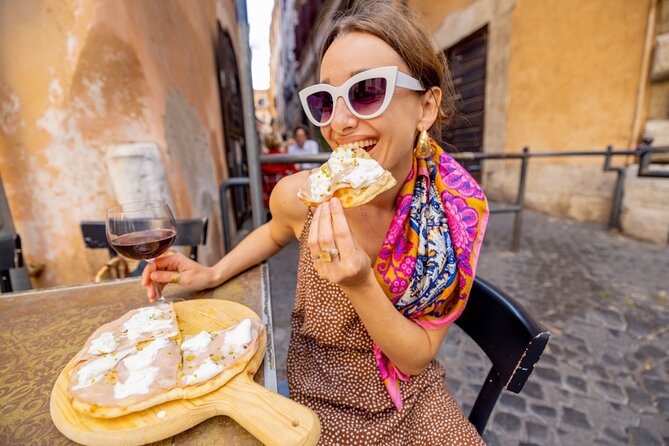
At $53.23 per person for about 2 hours 30 minutes, this tour sits in the “worth it if you use it right” category. You are paying for three things at once: guided routing through two neighborhoods, multiple food tastings, and included gelato. Add in the small-group cap, and it starts to make sense compared with piecing together several market snacks and a dessert on your own.
The value gets better if:
- You want variety in a limited time window.
- You do not want to spend your vacation researching where to eat.
- You enjoy walking and want the neighborhoods to make sense as you go.
The value drops a bit if you expected a full-on food culture lecture with zero shop stops or drinks included. Drinks are not part of the package, and the education style can vary. If that is your priority, go in knowing you are mainly buying tastings plus guided context, not a long classroom-style session.
Who this tour fits best, and who should choose another plan
I think this tour fits best if you:
- Enjoy walking and want to see Trastevere beyond the postcard corners.
- Like trying multiple Roman snacks in one go, including gelato.
- Want practical recommendations you can use after the tour ends.
I would steer you away if:
- You are looking for a gluten-free tour option. This one cannot be done for celiacs.
- You want drinks included in the price. Drinks are not included.
- You prefer a slower pacing with lots of in-depth food culture talk every step, because some tours can feel more focused on tasting than extended explanation.
If you are traveling solo or as a couple, the small-group size usually helps. If you are with friends, it can also be a fun way to share opinions on pizza, sweets, and the little market bites.
Should you book the Trastevere and Campo de’ Fiori street food tour?
Yes, if your goal is a smart Rome snack sampler that also teaches you how the neighborhoods connect to what you eat. The route makes sense, the pacing works for a half-to-three-quarter day mindset, and the included gelato is a nice guaranteed win.
Book it especially early in your trip if you want restaurant ideas for the rest of your stay, because a good guide will set you up to eat well after the tour day.
Skip it if gluten-free is your non-negotiable need, or if you want drinks included and deep food culture lecture time at every stop. In those cases, you will likely feel like you paid for tastings but not enough of what you wanted most.
If you are flexible, wear comfortable shoes, and go hungry with a calm, curious attitude, this is exactly the kind of Rome experience you will keep thinking about when you find yourself craving suppli, pizza, or gelato later.
FAQ
How long is the Trastevere and Campo de’ Fiori Street Food Tour?
It runs about 2 hours 30 minutes.
Where does the tour start and end?
It starts at Piazza di San Simeone in Rome and ends at Piazza di San Giovanni della Malva.
What food is included in the tour?
The tour includes food tastings and gelato.
Are drinks included?
No, drinks are not included.
Is the tour suitable for celiacs?
No. This tour cannot be done for celiacs.
How many people are in the group?
There is a maximum of 14 travelers.
What language is the tour offered in, and do I get a mobile ticket?
The tour is offered in English, and you receive a mobile ticket.
What happens if weather is bad?
This experience requires good weather. If it is canceled due to poor weather, you will be offered a different date or a full refund.
More Food & Drink Experiences in Rome
More Tours in Rome




More Tour Reviews in Rome
Not for you? Here's more nearby things to do in Rome we have reviewed







Trastevere Tours, compared.
 ★ 4.8Trastevere or Jewish Quarter Street Food TourFrom $513,839 reviews
 ★ 4.9Trastevere & Campo de Fiori Street Food Walking TourFrom $512,768 reviews
 ★ 4.8Guided Food Tour in TrastevereFrom $1122,266 reviews
 ★ 4.9Trastevere Guided Food and Wine Tour with 20+ TastingsFrom $1461,022 reviews
 ★ 4.8Small Group Trastevere Food Tour with DinnerFrom $132719 reviews
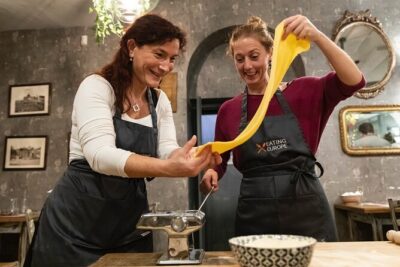 ★ 5.0Rome Trastevere Pasta Making Class with Eating EuropeFrom $100505 reviews
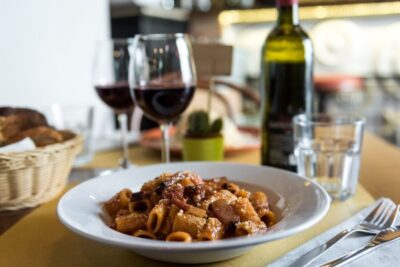 ★ 4.9Twilight Trastevere Food Tour with Wine TastingFrom $123490 reviews
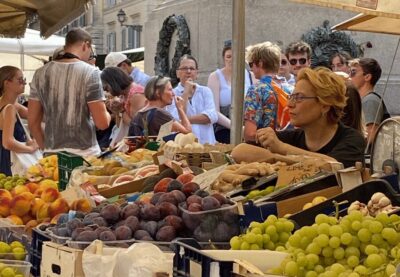 ★ 4.8Food & Wine Tour of Campo de Fiori, Ghetto, TrastevereFrom $81413 reviews
Browse the lists this tour appears in