
Reviewed · ROME
Popes and Artists: sex, lies and betrayals in the 1600s
Rome has a second side, the one with secrets. This walking tour focuses on the 1600s Baroque art scene through the human mess behind it, including popes, duels, courtesans, and rivalries. I love the way it connects famous masterpieces to the streets you actually walk, not just big-name landmarks.
What also works is the art talk itself, especially the stop built around Caravaggio’s famous paintings and their story. A fair heads-up, though: it is a mostly-walking, church-heavy experience with steps, so it is not a great fit if mobility is an issue.
You’ll also want to dress smart for churches. No sleeveless shirts, and comfortable shoes matter, because the value here is in getting your feet on the ground.
Key things to know before you go
- Small group (max 10): you get closer to the guide’s explanations, not just general narration.
- Baroque artists with drama: Bernini, Borromini, and Caravaggio show up as people with conflicts and consequences.
- Start at Trevi, finish near Piazza Fiammetta: you cover a compact slice of the historic center in 2.5 hours.
- Church entrances included: you are not just looking from the street.
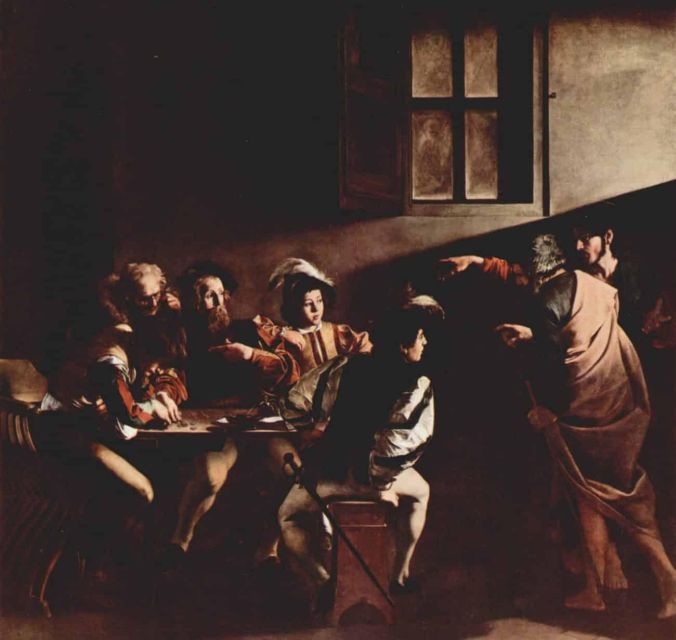
- Caravaggio stop with a story: you’ll get context for the paintings at the Church of St. Louis of the French.
- Built-in art explanations: the tour includes painting explanations, not only broad history.
Why this tour feels like Roman gossip with footnotes
If you only see Rome as postcard stonework, you’ll miss the other half. This tour is about how Baroque art grew in a city where power, money, and reputation moved fast, and where artists could become court favorites, targets, or both in the same season.
I like the promise in plain terms: you’ll walk through the historic center and learn the “adventurous life” side of the main artists of Italy who worked in Rome during the golden centuries of the Baroque. That includes Bernini and Borromini as more than names, and Caravaggio as someone whose paintings carried stories of their own. The tour leans into scandal, competition, and revenge, but it keeps the focus on why the art happened.
You can also read our reviews of more tours and experiences in Rome.



A quick value check on the $59 price
At $59 per person for 2.5 hours, you’re not paying for a long day or a bus ride. You are paying for a live guide, a small group size (max 10), church access, and painting explanations. In Rome, church entry and good explanation are exactly where tours can add real value, because you save time and you avoid the awkward guessing game of what you are looking at.
This is especially fair if you want more than “here’s a building, here’s a date.” The tour structure is compact, so the guide can spend energy on the stories behind the art, not just rushing you from one billboard to the next.
Meeting at Accademia S. Luca, then straight into the stories
You’ll meet at Via della Stamperia, 72, in front of the Accademia S. Luca Academy of Painting. That meeting point matters because it signals the tone of the tour. This is not a museum-only route. It’s built as an on-foot history walk, with stops chosen to explain art in context.
The group is limited to 10 participants. That small size is a big deal here. When the guide tells quick, specific stories about artists and popes, you want to actually hear the details. You also want a format where you can ask something if a name or a painting doesn’t click.
Languages are English and Italian, so you can pick based on comfort. The guide is live, not audio. And based on the way the guide is described in past experiences, the delivery is the star feature, with energetic storytelling rather than a lecture pace.
What to bring (and what can trip you up)
Bring comfortable shoes. You’ll be moving between several church interiors and major squares, plus the walk between stops in the center of Rome.
Also, plan your outfit for churches: no sleeveless shirts. If you show up in tank tops, you may run into a rule that stops you from going in comfortably, and that can mess with the whole flow of the tour.
Trevi Fountain: the tour opener and the city’s power center vibe
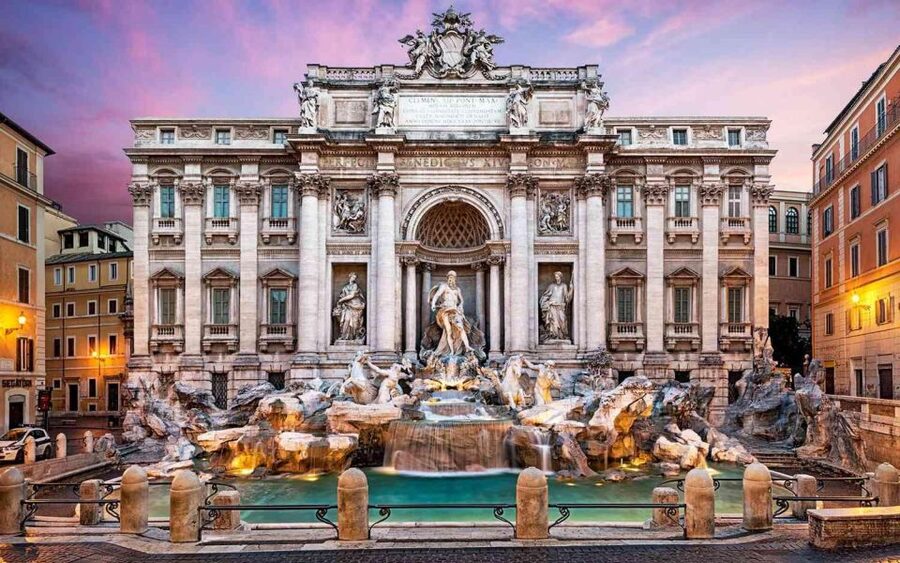
You start at Trevi Fountain, with about 15 minutes there. This is a smart opening choice because Trevi is already famous, so nobody feels lost on day one. But the tour keeps Trevi from becoming just a photo stop.
Think of Trevi as the “social stage” intro. From here, the story shifts from tourist Rome to the Rome of patrons, popes, and artists moving through networks of influence. Even if you know the fountain, you’ll get a new angle: not only what it looks like, but why this kind of artistry mattered in the Baroque era, when reputation was currency.
Practical tip: arrive ready to look up and around. Trevi works better when you take in the space, not only when you shoot the perfect shot.






Piazza di Pietra: the small square that sets the tone
Next is Piazza di Pietra for about 15 minutes. This is the kind of place that feels quieter than the big landmarks nearby, which makes it perfect for a tour built on secrets and lesser-seen connections.
This stop supports the broader theme: Baroque Rome was not just one dramatic church after another. It was also the in-between streets and corners where people talked, negotiated, and sometimes settled rivalries.
If you like your history with human stakes, you’ll enjoy this transition. You’re still in the Rome of art, but you’re learning to read the city like a map of relationships.
Sant’Ignazio di Loyola: where a church stop becomes part of the art plot
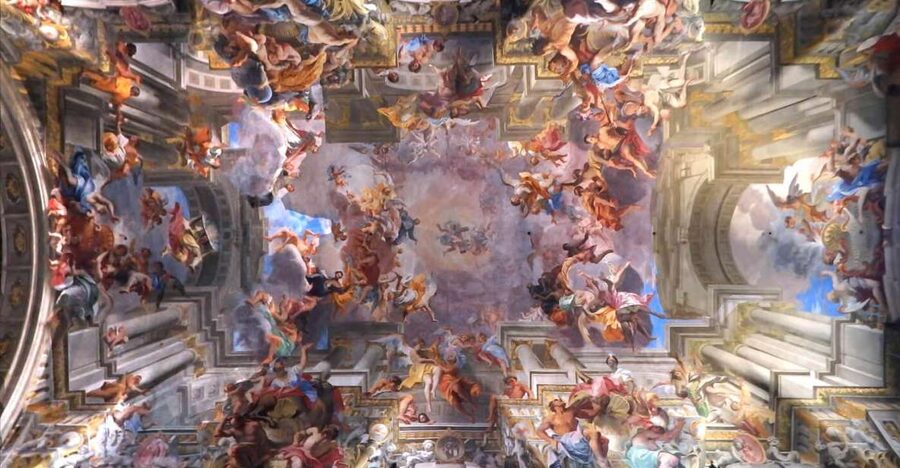
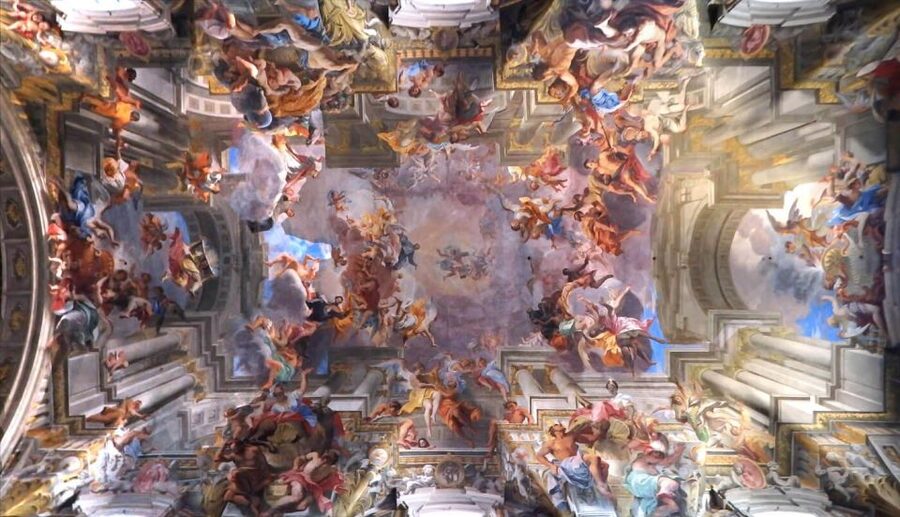
You then move to the Church of Sant’Ignazio di Loyola for about 20 minutes, including a guided visit. Churches are where this tour gets its teeth, because Baroque art is inseparable from religious and political power.
This is the moment when you’ll feel the “art + scandal” approach most clearly. The guide connects the architecture and decoration choices to the personalities behind them. You’re not just told what’s there. You’re told why it would impress, persuade, or even intimidate the people who mattered.
If you’ve ever walked into a church and thought, I get the vibe, but I’m missing the why, this stop aims to solve that. You’ll leave with a better sense of how art functioned in the 1600s, especially in a city where popes and cardinals had real leverage.
Pantheon and the tomb of Raphael: fame, memory, and artistic legitimacy
The tour reaches the Pantheon for about 10 minutes, with a guided visit. This is a short stop by design. The Pantheon is too important to ignore, but the tour is trying to keep your focus on what connects artists to the broader story of status and recognition.
One specific detail the tour highlights is the tomb of Raphael. That matters because it turns the Pantheon from “historic building” into “art history power symbol.” Raphael’s presence in this space makes a point: Rome has always kept a tight grip on who gets remembered.
You’ll likely spend most of this time orienting yourself and understanding what you are seeing, not just taking in the dome. Ten minutes goes fast, so be ready to listen closely.
Practical tip: the Pantheon area can be crowded. If you struggle with crowds, arrive with patience and plan to stand where the guide tells you.
Church of St. Louis of the French: Caravaggio’s trilogy and the stories behind it
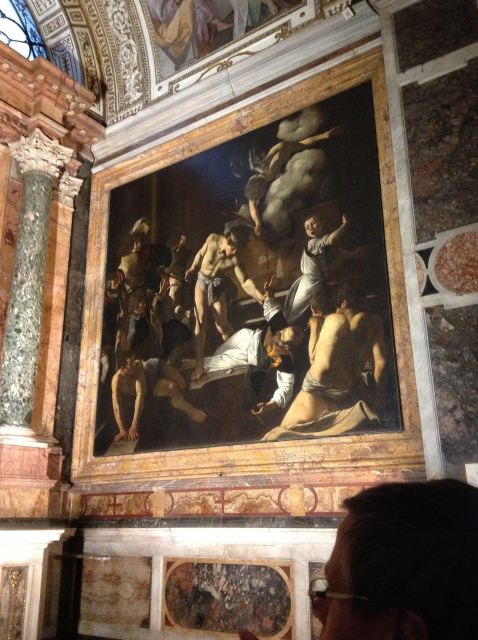
Here’s a major highlight: the Church of St. Louis of the French, visited for about 15 minutes with guided explanation. The focus is Caravaggio’s paintings there, specifically a trilogy of works with a very unbelievable story behind them.
This is where the tour earns its title. Caravaggio is famous, yes, but the point isn’t only that he painted well. It’s that the paintings came from a world of conflict, tension, and high-stakes attention. The guide’s art explanations turn the church into a narrative space, so you’re looking at paint while thinking about consequences.
Why this stop is so valuable: Caravaggio’s work is often described through famous style traits, but you’ll get the human side that helps the paintings land. You’ll understand the role of patrons and the way reputation could shift quickly.
Also, church interiors tend to work best when you take your time. Don’t rush your looking to the point where the story goes in one ear and the images go by too fast. This stop asks you to do both.
Piazza Navona: duels of art, competition, and the sculptors’ rivalry angle
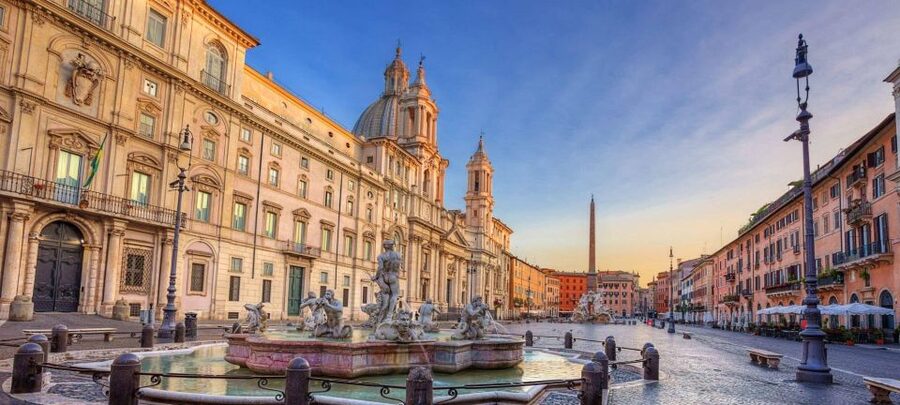
After that, the tour moves to Piazza Navona for about 20 minutes. This stop is built around competition, with the story of two famous sculptors and how their rivalry played out in the Baroque city.
Piazza Navona is already photogenic and full of energy, but the guide’s angle is what changes your experience. You’re not only watching street life or admiring fountains. You’re learning to interpret the square like a stage where artistic prestige became public.
If you like art history that feels like a plot line, this part should click. You’ll connect what you see on the ground and in the surrounding art world to the idea of competition among major creators.
Practical tip: bring a “stand and listen” mindset here. Piazza Navona can pull your attention in ten directions at once, so try not to let the visuals drown out the story.
Ending at Piazza Fiammetta: House of Fiammetta and the duels-for-love thread
The tour finishes in front of the House of Fiammetta at Piazza Fiammetta. This final stop brings the story back to something personal: a beautiful woman of the 1500s, plus duels for her love.
It’s a fitting closing note because it ties back to the tour’s core theme of sex, lies, and betrayals in the 1600s, even when the woman’s story reaches back a bit earlier. The guide uses her presence as a way to explain how gossip, power, and reputation could shape artists and patrons alike.
If you walk away thinking that Baroque art was made by geniuses only, you might miss the social machinery behind it. This ending pushes you to see Baroque Rome as a place where personal stories and public commissions could collide.
What makes the guide style so important here
The best thing about this tour is how it is delivered. In past experiences, the guide is described as open, enthusiastic, and able to connect the art to the surrounding drama.
You should expect a storyteller, not a voice reading dates. The guide’s approach helps you remember names, locations, and the reason a painting matters. It also helps you understand why the same artist could be celebrated and attacked, or protected and ignored, depending on who controlled the room.
And there’s another practical advantage. The stories are not generic. They connect to the exact places you are walking past, including secret streets and lesser-known buildings. You get the sense that you are seeing Rome with a local’s attention, not a checklist mindset.
Who this tour suits best (and who should pick something else)
This is a good fit if you:
- want Baroque Rome art history with real human stakes
- like hearing how artists and popes interacted, including competition and scandal themes
- prefer a small group walk that stays energetic for 2.5 hours
- enjoy painting explanations you can actually picture while you look
You might want to choose a different format if you:
- have mobility impairments and need a fully accessible route
- hate walking between multiple church interiors and outdoor squares
- want a calmer, quiet museum style tour
For couples, solo travelers, and art lovers who want a break from the usual “only masterpieces” approach, this one works well. It’s also a nice option for first-time visitors to central Rome who already know the big sights and want deeper connections.
Quick planning tips so you enjoy every stop
This is a walking tour in Rome’s historic center, so plan to move at a steady pace for the full 2.5 hours. Wear comfortable shoes and keep an eye on what the guide is pointing out. The stories are tied to specific visuals, so listening is part of the sightseeing.
If you are visiting in warm weather, you’ll still spend time indoors at churches. Bring light layers so you can handle temperature swings. And again, avoid sleeveless shirts to prevent church entry issues.
Should you book Popes and Artists: sex, lies and betrayals in the 1600s?
If you like your Rome with personality, this is an easy yes. The combination of small group size, church entrances, and painting explanations gives the tour substance beyond the usual walking routine. The Caravaggio-focused church stop, plus the ending at Piazza Fiammetta, creates a storyline arc that makes the city feel alive.
Book it if you want to understand why Baroque art was made, not just what you are looking at. Skip it if you need a calm, fully accessible experience or you only want mainstream facts without the scandal and rivalry angle.
FAQ
How long is the tour?
The tour lasts 2.5 hours.
Where does the tour start?
You meet at Via della Stamperia, 72, in front of the Accademia S. Luca Academy of Painting.
What language is the guide available in?
The live tour guide offers English and Italian.
What is included during the tour?
The tour includes entrance to churches and painting explanation.
Is the tour suitable for people with mobility impairments?
No, it is not suitable for people with mobility impairments.
What should I wear?
Wear comfortable shoes. Sleeveless shirts are not allowed.











