
Reviewed · TOURS
Roman Walkin Foodies Tour
Rome rewards the hungry mind. This private 3-hour walk pairs Roman tastings with stops at big-name sights and places many visitors skip. You get a guided route through the city center, with food already chosen for you.
I like that the price includes a real lunch, not just a couple of bites, plus coffee or tea and bottled water. I also like the pacing, since the walk mixes well-known views with out-of-the-way historical spots, so you get variety without feeling rushed.
One drawback to think about: it’s still a walking tour. If your feet are sensitive, plan for a solid stroll between stops and come with comfortable shoes.
Key highlights to look forward to
- Lunch plus coffee or tea included, so you can eat like a local instead of hunting for meals
- Private tour setup, meaning you get more one-on-one time with your guide
- Food chosen in advance so you do not waste energy deciding what to try
- Off-the-beaten-path restaurants mixed with central Rome landmarks
- Guides named in reviews like Vanessa and Sabina, both praised for energy and pacing
- Alcohol not included, so you can budget extra if you want wine or beer
Why this Roman food walk makes sense for first-timers
This tour is built for the common Rome problem: you want to see things, but you also want to eat well. Instead of doing it in separate blocks of time, you get a guided walk where the sights and the food tasting happen together.
The big value is that you do not arrive cold. The food you try is already selected, and it includes classic Roman dishes, including some you may have trouble finding outside the city. That matters because Rome food is everywhere, but the best plates are not always the easiest to spot fast.
You also get a guide who can connect the route dots. In reviews, guides such as Vanessa and Sabina are described as engaging and well-paced, with the kind of conversational help that makes a walk feel like a mini tour with a friend who actually knows the menu.
The trade-off is simple: it is a walking experience. It is offered in English and most travelers can participate, but you still want to come ready to walk the historical center.
You can also read our reviews of more tours and experiences in Rome.



Starting at Campo de’ Fiori, then moving off the main track
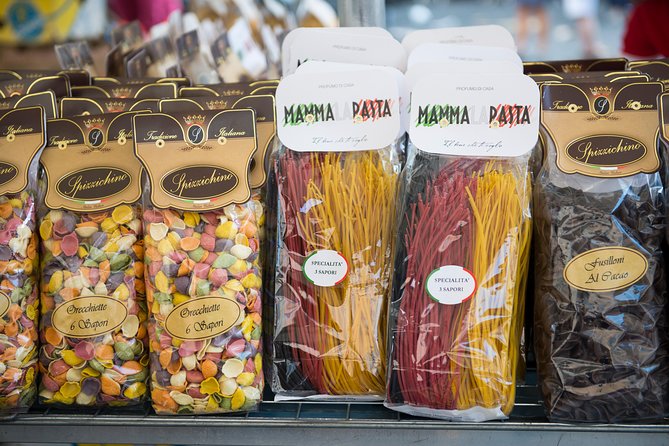
You begin at Piazza Campo de’ Fiori, which is a handy way to start if you want your trip to feel instantly “Rome.” From there, the tour routes you through central streets rather than setting up in one restaurant and calling it a day.
What I like about this approach is the pacing of the experience. You get that first sight-and-smell hit early, then you shift into quieter lanes where the restaurant choices feel more local and less like a theme park food stop.
One practical note: since you are starting in the city center, it is smart to wear shoes you trust. A review that specifically called out comfortable shoes is not overkill. This kind of food walk only feels great if your feet are happy.
Antico Quartiere Ebraico stop: tasting while you learn the route
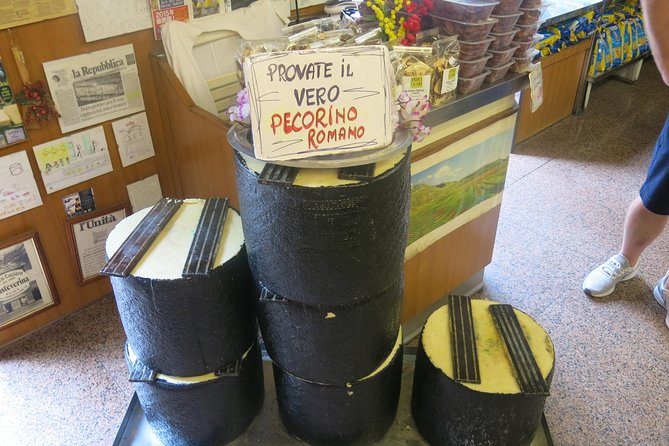
A highlight stop on the itinerary is the Antico Quartiere Ebraico. Even if you are not looking for a deep lecture, the value here is that your guide can point you toward how different parts of Rome fit together.
This is the tour style you should expect: you walk, you pause, you eat, and you get context as you go. The restaurants and tastings are the focus, but the landmark stops help you build a mental map fast.
If you like your history light but meaningful, this kind of pacing is a good match. You are not stuck in a classroom, and you are not just chasing photos. You are moving through the city while your guide ties food and place together.
Possible consideration: if you are the type who likes long museum-style stops, this will feel more like short stops and steady motion. The tour is designed for time-pressed travelers who want a complete experience in about three hours.
Fontana del Monte di Pieta, then on to Piazza Farnese
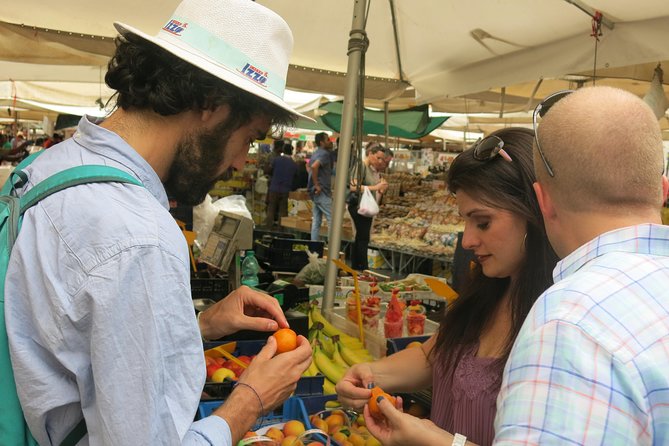
Next up is Fontana del Monte di Pieta, followed by Piazza Farnese. These stops keep the walk grounded in recognizable Rome while still allowing you to drift into areas that many people miss.
What this does for you is variety without chaos. You get changes of scenery, so it does not feel like you are walking in a straight line toward one final meal. And because food tastings happen along the way, the pauses are purposeful.
A key point for planning your own day: since lunch is included, you should treat the mid-walk tastings as part of that meal build. Do not plan to snack heavily right before you meet your group, or you may end up too full to enjoy everything at a comfortable pace.
If you are traveling with someone who cares more about views than food (or the reverse), this format helps. You are doing both at once, and your guide can keep the conversation moving so nobody feels bored.
Via del Governo Vecchio and Rione Parione: where the walk feels most Roman
The itinerary continues along Via del Governo Vecchio, then moves to Rione Parione. This is where the “get off the beaten path” promise really starts to feel real.
Rome can be crowded at street level, especially around the most famous landmarks. What makes this tour appealing is that it still stays in the center, but the restaurant stops are aimed at the kind of places people pass by without thinking.
In practice, this can make your Rome trip better even if you have only one or two days in the city. A food tour like this gives you insider guidance on where to eat later, because you experience the vibe first hand.
Also, the guide matters here. In reviews, Sabina is praised as engaging and enjoyable to walk with, and participants highlight that the tour includes both well-known and out-of-the-way historical sights between bites. That blend is what keeps the stroll from feeling like a constant line of errands.





Area Sacra di Largo Argentina: a memorable finish with atmosphere
The route ends at Area Sacra di Largo Argentina, one of the stops on the final stretch. The tour finishes back at the meeting point, so you keep the route simple and avoid logistics headaches.
Why this matters: finishing near a major historical area makes it feel like your walk has a clear story arc. You start at a lively square, move through layered neighborhoods and landmark moments, and then cap it with a sight that carries strong Rome atmosphere.
If you plan to keep exploring after the tour, build in a little buffer. You will likely want time to process what you just ate and where you just walked, then choose your next stop with a better sense of direction.
What you actually eat, and how to come prepared
The tour includes lunch, coffee and/or tea, and bottled water. Alcoholic beverages are not included, so if you want wine or beer you should expect to pay separately.
The tastings cover quintessential Roman dishes, including options you may not find outside the city. That phrasing matters because it signals you are not just getting tourist-safe classics. You are sampling a range meant to represent Roman eating habits, not just whatever is easiest to serve.
Here are a few practical tips to make sure the food part lands well:
- Go hungry, but do not overdo it earlier that morning. You still have multiple tastings before and during lunch.
- Bring water habits with you, since bottled water is included but you will be walking in Rome heat and sun at times.
- If you have dietary restrictions, confirm them through the booking channel before you go. The tour notes that food is selected in advance, so details matter.
From the reviews, the guides are clearly a big part of the experience quality. Vanessa is singled out for being wonderful and catering to the group, and Sabina is described as exceptional for her energy and pacing. That is a good sign that you are not just buying food, you are buying good guidance with it.
Price and value: what $118 covers, and what it does not
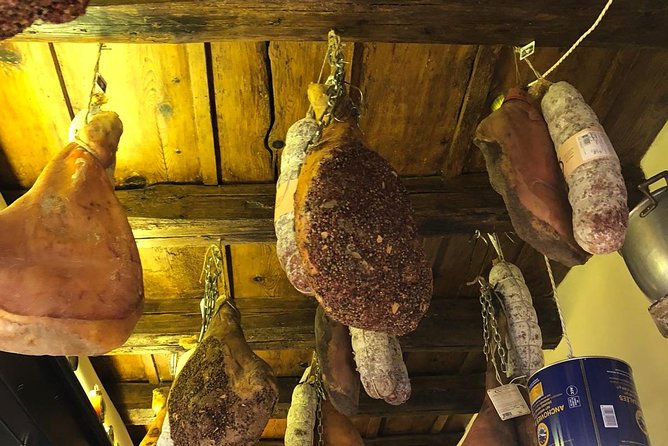
At $118 per person for about three hours, you are paying for several things at once. You are getting a private guided walk, a structured route through landmark areas, and included meals and drinks.
The value angle is this: lunch, coffee or tea, and bottled water are covered. That usually makes a food tour more cost-effective than piecing together multiple stops yourself, especially in a city where menus can vary wildly by location and convenience.
You are not getting alcohol included. That is not a negative, but it affects your budgeting. If you plan to drink, you should factor in extra spending because the tour is built around food and non-alcoholic drinks.
The other value point is the guide attention. The tour is described as private, meaning only your group participates. In real Rome terms, that often means fewer rushed moments, more tailored answers, and a smoother flow between stops.
Finally, the booking pattern is telling: on average it is booked 105 days in advance. That does not guarantee availability, but it suggests this experience is popular enough that you should not wait until the last week.
Private guide perks, and why it changes the whole tone
With a private tour, the experience shifts. Your group does not have to synchronize with a bunch of unrelated schedules, and the guide can adjust pacing if your questions run long or if you want extra time at a specific stop.
Reviews back up that tone. Participants praised the guide quality and described the tour as fun and well-paced, with both famous and tucked-away historical sights woven between tastings. When you get that balance right, the walk feels light, not logistical.
One additional detail from a review is worth noting. In at least one case, when an originally assigned guide did not show up, a local arranger stepped in and the group still received a fantastic introduction to Roman food culture and Rome history. That kind of handoff matters because it shows the operation tries to protect the experience, not just the schedule.
How to plan your day around a 3-hour walking tour
This is a walking tour of about three hours, offered in English, and it runs in the central city area. The meeting point is Piazza Campo de’ Fiori, and the tour ends back at the same location.
So plan your schedule like this:
- Put the tour somewhere central in your day, not at the very start when you still need coffee and bearings.
- After the tour, give yourself time to wander. Food tours make you hungry in a good way, then you naturally want to explore the neighborhoods you just walked through.
- If you have a reservation later, do not book something right on the back end with no buffer.
Since it is near public transportation, you can connect easily if you are hopping between sites. Still, I would treat the tour as the main anchor on that half of your itinerary.
Who should book this tour (and who might skip it)
This is a strong fit if you want:
- A time-efficient way to combine food tasting with key Rome landmarks
- A guided route so you do not waste time figuring out where to eat
- Private attention with included lunch and a relaxed pace
It may not be your best match if:
- You hate walking and prefer slow, seated sightseeing
- You want deep museum-style stops rather than short landmark pauses
- You want alcohol-focused dining. Alcohol is not included.
If you are traveling solo, a couple, or a small group, the private format usually feels like a good deal, because you are paying for fewer compromises. If you are with kids or older travelers, make sure everyone is comfortable with steady walking.
Should you book the Roman Walkin Foodies Tour?
I would book it if your goal is a smart, guided “eat and see Rome” experience that does not force you to choose between food and sightseeing. The included lunch plus coffee or tea and water makes the price feel more grounded, and the landmark stops help you leave with direction, not just satisfaction.
If you are picky about pace and you want everything slow and flexible, you might prefer a different style of tour. But if you come hungry, wear comfortable shoes, and want a local-food route with strong guide energy, this is one of those experiences that makes Rome feel easier fast.
More Tours in Rome
More Tour Reviews in Rome
Not for you? Here's more nearby things to do in Rome we have reviewed












Tours, compared.
 ★ 4.3Vatican Museums & Sistine Chapel Tour with Optional BasilicaFrom $7967,413 reviews
 ★ 4.5Vatican Museums, Sistine Chapel & St Peter’s Basilica Guided TourFrom $2239,149 reviews
 ★ 4.8Colosseum, Palatine Hill and Roman Forum Guided TourFrom $5232,814 reviews
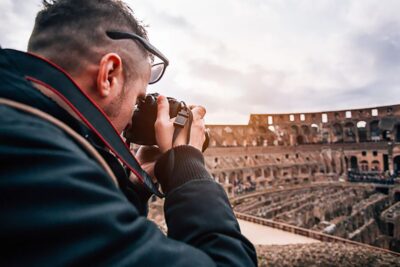 ★ 4.7Guided Tour of Colosseum, Roman Forum & Palatine HillFrom $5527,897 reviews
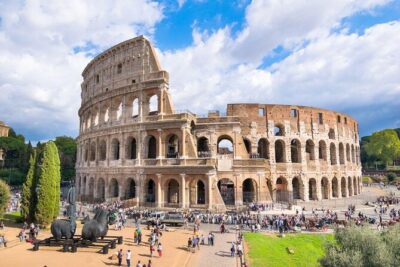 ★ 4.5Colosseum, Roman Forum and Palatine Hill Guided TourFrom $5923,903 reviews
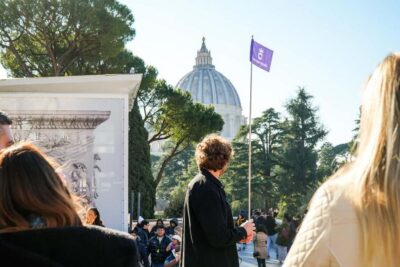 ★ 4.3Vatican Museums, Sistine Chapel & Basilica TourFrom $13013,872 reviews
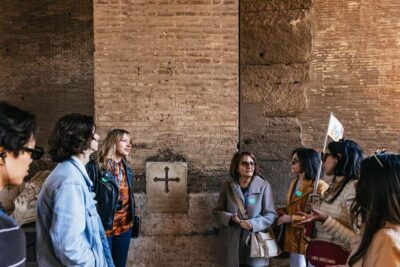 ★ 4.4Colosseum, Forum & Palatine Hill Tour & Optional ArenaFrom $5813,839 reviews
★ 4.7Vatican Museums, Sistine Chapel & Basilica TourFrom $7213,217 reviews