
Reviewed · MUSEUMS
Rome Etruscan Museum of Villa Giulia
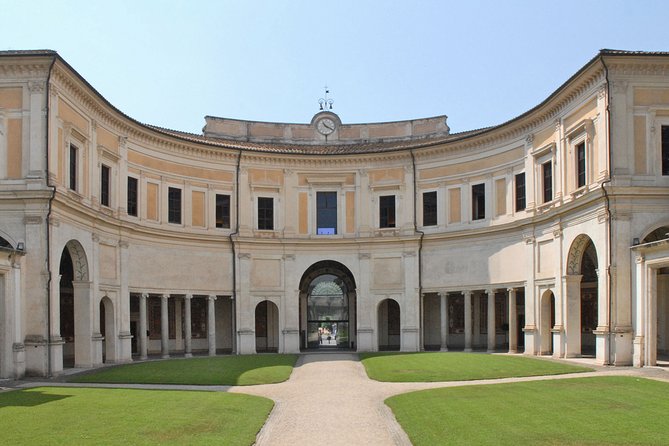
Etruscans deserve their own spotlight. At the Museo Nazionale Etrusco di Villa Giulia, you get an easy, ticketed museum visit centered on Etruscan civilization before Rome. I especially liked the way it brings the story forward through real ancient sculpture and major finds, not just general facts.
I also really appreciated the museum’s mix of Etruscan masterpieces and high-level Greek products, which helps you see how connected the region was. The third thing I liked: you can spend a flexible 1 to 3 hours, which makes it a good fit even on busy days.
One possible drawback to keep in mind: a few people ran into problems when their audio or tickets were not handled correctly. If you’re going this route, plan to have the official ticket you were given ready to show at entry.
Key Things I’d Plan For
- Plan on 1 to 3 hours, enough time to see the key works without rushing.
- Sarcophagus of the Spouses is the big must-see, with terracotta artistry and storytelling built into the scene.
- Etruscan culture before the Roman Empire is the main focus, so you’ll learn a different Rome story.
- Expect both Etruscan sculpture and important Greek works, showing exchange across cultures.
- The English digital audioguide is optional, and I’d treat it as a “use it or skip it” choice, not a guarantee.
Villa Giulia Museum: Etruscans Before the Roman Empire

Rome gets all the attention, but the Etruscans had their own world first. Villa Giulia is one of the best places in the city to understand that difference, because the museum focuses on a culture that flourished in Italy before the Roman Empire took over.
What makes this experience feel practical is that you are not forced into a rigid day plan. You simply show up, enter, and spend the time you need. If you like museums that answer big questions with objects in your hands, this fits.
And there is a specific bonus here: the exhibits connect the Etruscans to larger Mediterranean trade and art. That means you get more than “local artifacts.” You get evidence that these people were part of a wider world, with influences and shared craftsmanship.
You can also read our reviews of more museum experiences in Rome



Price and Timing: A Straightforward Ticketed Museum Visit
At $25.26 per person, this is priced for a simple outcome: admission to the Museo Nazionale Etrusco di Villa Giulia. Since admission is included, you are not paying extra “just to be inside.” You’re paying to get into the collections without extra friction.
Duration is listed as 1 to 3 hours. That range is actually useful for real planning, because it matches two common museum styles:
- If you love details, you can linger.
- If you want the key works, you can keep it tight and move on.
One note from the experience info: confirmation is received within 48 hours of booking, subject to availability. That’s a comfort if you’re booking close to your date, but it also means you should not treat it as instant.
What You’ll See: Etruscan Sculpture and Top-Tier Greek Works
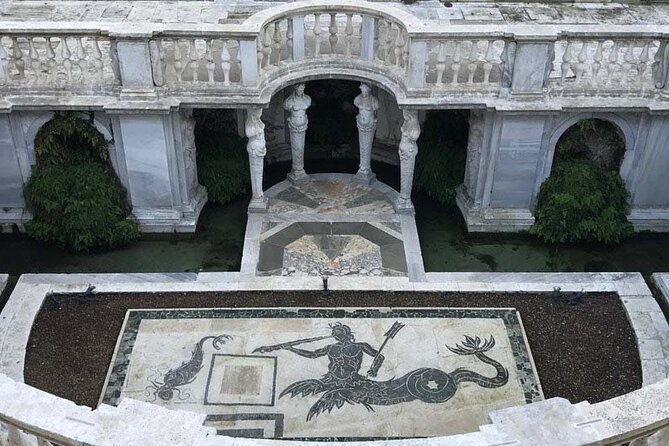
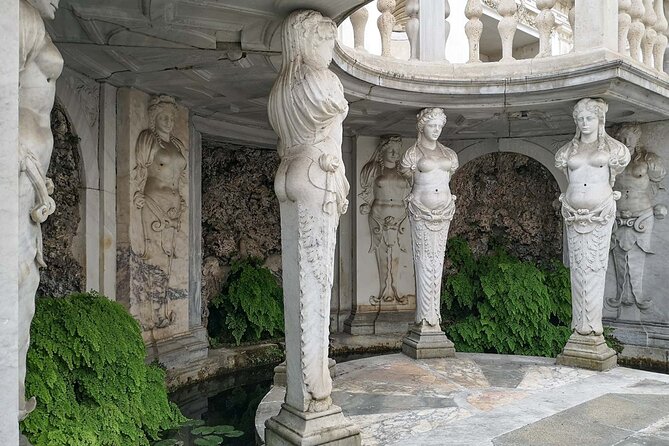
The museum is built around Etruscan art and artifacts. You’ll see ancient sculpture that represents what people valued and how they portrayed life, power, and identity. For many first-time visitors, the biggest surprise is how expressive the work can be, especially when you compare it to what people expect from “pre-Roman” art.
A highlight is the museum’s collection strength. The experience description emphasizes that Villa Giulia is the most important museum of Etruscan civilization, and you can feel that in how the visit is organized around major works rather than filler.
Then there is the extra layer that I like: Greek products at a high level. This is where your visit becomes more than a single-culture story. Seeing Greek artistry in an Etruscan setting helps you understand the Etruscans were not sealed off. They were connected enough to receive or commission world-class material, and that influences how you read the Etruscan pieces.
If you’re the type who enjoys museums that change your mental map, this collection can do that fast.
The Sarcophagus of the Spouses: The Terracotta Moment to Track Down
Let’s talk about the name people remember. The terracotta Sarcophagus of the Spouses is called out as one of the featured works, and it’s for a reason. A sarcophagus is not just an object, it is a statement about the people inside it and the world that expected such representation.
In practical terms, you should treat this as your “anchor piece.” Go in with it in mind, then let everything else support it. When you find it, pause long enough to see what the artist chose to emphasize. Even without a long lecture, the visual choices can tell you what mattered to the makers and patrons.
What I like about putting this piece near the top of your plan is that it gives your brain a reference point. Once you’ve seen how the Etruscans represented figures in terracotta, you start noticing patterns in other sculptures more easily, including how faces, posture, and storytelling work across the collection.
Digital Audioguide in English: Optional, So Choose Intentionally
An English digital audioguide is offered as an optional upgrade. That is a nice option if you prefer interpretive help, especially in a museum where symbolism can be hard to decode at a glance.
Still, because it is optional, I’d make a choice based on how you personally tour museums. If you enjoy reading and learning while you walk, the audioguide can save you time by guiding you to what matters and explaining themes you might miss. If you prefer just looking and letting the objects speak, you can skip it and still have a strong visit.
One important caution comes from the experience feedback. A couple of issues were reported, including audio problems. So if you do buy the audioguide upgrade, do two small things:
- Confirm audio is working right away after starting.
- If it fails, address it immediately rather than waiting until you are done.
That simple habit can save a lot of disappointment.





Ticket Entry, Official Documents, and Avoiding Costly Mistakes
Here is the real-world headache to avoid. Some people reported trouble with entry because their tickets were not accepted. The provider’s guidance is clear: access is possible only by showing official tickets provided by them, and other documents like copies of payment, a receipt, or similar items do not allow entry.
So treat your official ticket like a passport. Keep it accessible on your phone or in whatever format you received it, and double-check it before you stand in line.
Also, there was a complaint about people paying far more by buying in another way on site. Whether or not that applies to your exact situation, the lesson is simple: compare your total price before you repurchase anything, and don’t assume “more expensive” means “better access.”
Getting There and Staying Flexible Once You’re Done
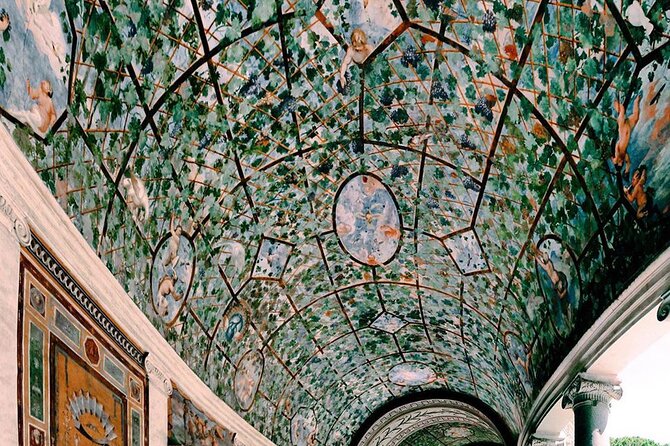
The experience is described as near public transportation. That matters in Rome, where walking is great but not always efficient when you are bouncing between attractions. If you’re traveling across neighborhoods, having a museum that’s reachable by transit helps keep the day smooth.
Once you finish, you’ll like the immediate follow-up plan. The highlight notes that you can easily visit the Villa Borghese gardens, a top Rome attraction, after your visit. That pairing makes sense because you get museum time indoors, then you get fresh air and open space right afterward.
In other words, this is a good “think, then walk” combo. If you want a quiet decompression after looking at ancient art, Villa Borghese is a natural next stop.
Who This Experience Fits Best
This works especially well for:
- History buffs who want to understand Italy before Roman dominance.
- People who like art that tells a story, not just art that looks pretty in photos.
- Visitors who enjoy museums where Etruscan culture is treated as significant in its own right, not just as a prelude to Roman history.
It also suits anyone who wants a museum plan that doesn’t consume an entire day. At 1 to 3 hours, you can slot it between other major sights without feeling like you lost the whole afternoon.
If you’re traveling with kids, it can still work, as long as your group is okay with a more art-and-object focused pace. Just be aware that this is not a hands-on science museum. It’s an art and civilization visit, which rewards patience.
Should You Book This Rome Etruscan Museum Tour?
If your goal is to understand the Etruscans in a focused way, I think this booking is a solid choice. The value is strongest because admission is included, the visit length is realistic, and the museum is anchored by truly memorable pieces like the terracotta Sarcophagus of the Spouses. Add in the fact that you’ll see both Etruscan and high-quality Greek works, and it becomes more than a single-culture stop.
Book it if:
- You want an organized way to get into Museo Nazionale Etrusco di Villa Giulia without extra planning.
- You’re excited about learning how Italy worked before Rome took over.
- You like the idea of pairing it with a relaxing walk in Villa Borghese gardens afterward.
Skip or rethink it if:
- You’re likely to misplace documents or struggle to show the official ticket at entry. The entry guidance is strict.
- You need audio help but get frustrated when technology fails. In that case, decide whether you’d rather rely on your own reading than a digital guide.
If you go in with your official ticket ready and treat the Sarcophagus of the Spouses as your main target, you’ll likely leave satisfied, not just “because it was Roman,” but because you finally got the Etruscans on their own terms.
FAQ
How much does the Rome Etruscan Museum of Villa Giulia experience cost?
It costs $25.26 per person.
How long should I plan for the visit?
Plan for about 1 to 3 hours.
Is English available?
Yes, the experience is offered in English.
What is included in the price?
The entrance ticket is included.
Is the digital audioguide included?
A digital audioguide is offered as an optional upgrade.
When will I get confirmation after booking?
You should receive confirmation within 48 hours of booking, subject to availability.
Is the location easy to reach using public transportation?
Yes, it is near public transportation.
Are changes or cancellations allowed?
The experience is non-refundable and cannot be changed for any reason.
More Museum Experiences in Rome

More Tour Reviews in Rome

Not for you? Here's more nearby things to do in Rome we have reviewed












Museums, compared.
 ★ 4.5Vatican: Museums & Sistine Chapel Entrance TicketFrom $38144,003 reviews
 ★ 4.3Vatican Museums & Sistine Chapel Tour with Optional BasilicaFrom $7967,413 reviews
 ★ 4.5Vatican Museums, Sistine Chapel & St Peter’s Basilica Guided TourFrom $2239,149 reviews
 ★ 4.3Vatican Museums, Sistine Chapel & Basilica TourFrom $13013,872 reviews
 ★ 4.4Vatican Museums & Sistine Chapel Skip-the-Line Entry TicketFrom $4313,838 reviews
★ 4.7Vatican Museums, Sistine Chapel & Basilica TourFrom $7213,217 reviews
Vatican Museums & Sistine Chapel Guided TourFrom $11812,117 reviews
 ★ 4.2Vatican Museums & Sistine Chapel Skip-The-Line TicketFrom $4111,708 reviews