Reviewed · ROME
La Traviata The Original Opera by Giuseppe Verdi
A church stage is not what most people expect. I like this one because La Traviata feels close and personal in St. Paul Within the Walls, and because you get live orchestra and dancers as part of the production. The catch is that church pew seating is real seating, so comfort and view can vary a lot.
You meet at St. Paul’s Within the Walls, Via Nazionale 16a, and the start time is 8:30 pm. It runs about two hours, the performance is offered in English, and dress is smart casual. Seats are assigned by the box office, so you will not know your exact spot until near the date.
Key points before you go
- A classic Verdi opera, staged inside an actual historic church: fewer distractions, more focus on voices and story.
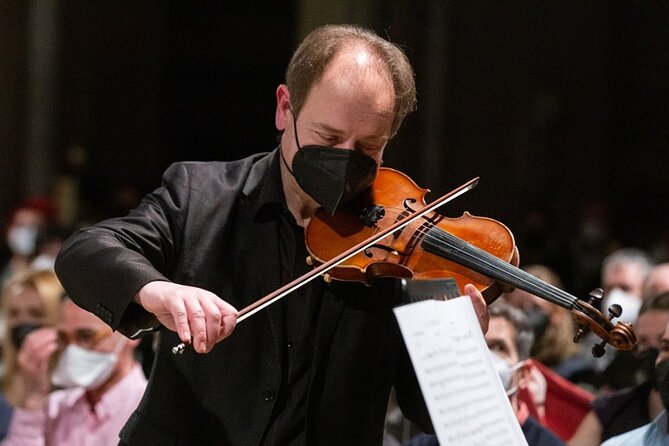
- Live orchestra plus choir, led by Maestro Elvin Dhimitri: the sound carries through the building in a very specific way.
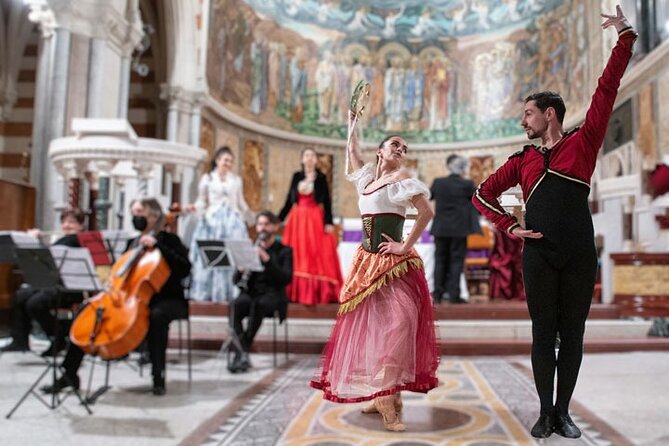
- Dancers are part of the show: many people say seeing them up close makes the whole evening feel special.
- Pick front, middle, or back, but expect tradeoffs: some seats have pillars or sightline limits because this is not a purpose-built theater.
- Plan for temperature swings: several performances have felt very hot in summer, and the church can be cold in winter.
- Do a little synopsis prep: a few people reported confusion or missing programs, even if they loved the singing.
La Traviata in Rome at 8:30 pm, right in St. Paul’s Within the Walls
St. Paul’s Within the Walls is one of those Roman landmarks that makes you slow down even when you have dinner plans. The big advantage here is that the show is timed for an evening start, 8:30 pm, so you can spend the daytime doing serious sightseeing, then switch modes for romance and music.
Your ticket pickup is at the church itself, Via Nazionale 16a, near public transportation. I recommend building in extra walking time because this area is active, and you do not want to rush in when you are trying to find your assigned section.
Because this is a church, the vibe is different from a normal opera house. You are seated among ancient surroundings, not behind curtains and stage tech. That can be a plus if you want an unusual night out. It can also mean less “theater comfort” than you might expect, especially once you are seated on pews for the full running time.
You can also read our reviews of more tours and experiences in Rome.
Who performs Verdi’s La Traviata, and what you are really seeing
This is Giuseppe Verdi’s La Traviata, a three-act opera with an Italian libretto by Francesco Maria Piave. Verdi first pushed for an original, provocative idea for the Venice premiere, and the story traces back to La dame aux Camélias (1852), adapted from Alexandre Dumas fils.
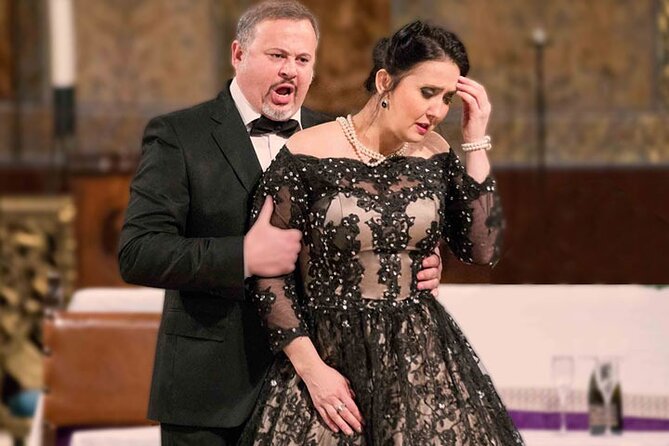
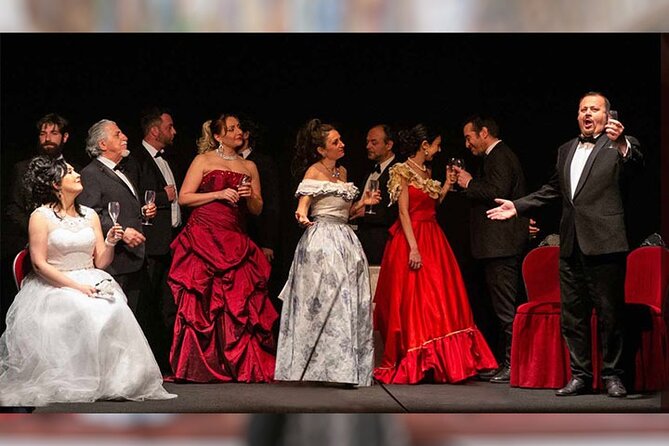
The production you will see is presented by Opera e Lirica soloists from important Italian theaters and music academies. The music is performed with choir and orchestra, and the orchestra is conducted by Maestro Elvin Dhimitri. In other words, you are not just watching a staging with recorded sound. You are hearing the real thing in a real building.
One more detail that matters: the show includes ballet dancers as part of the performance. A number of people praised those dancers because they help turn big emotional moments into something you can follow even if you are still getting used to opera rhythms.
If you are seeing opera for the first time, this format can be a gentle entry point. It is a full opera, but in an intimate venue where you can hear individual voices more directly than you might in a huge auditorium.
The church venue: why sound can be superb, but seating still matters
Here is the honest part. St. Paul’s Within the Walls is beloved for its atmosphere and acoustics, and many people say the sound quality is excellent. When the voices line up and the orchestra is balanced well, the building does a nice job of carrying music.
But reviews also point out a reality of this setup: church architecture can interfere with sight lines. Some seats can be close to the action and still have a limited view if you end up behind a pillar or if dancers move across your line of sight. A few people said they could barely see everything unless they were in the first rows.
Comfort is another practical issue. Expect pew seating for about two hours. Some people note cushions help, but if you know you get uncomfortable on hard benches, plan accordingly. This is also where choosing front, middle, or back matters. Front seats can be amazing for watching details, while middle and back seats may trade view clarity for atmosphere.
Quick seat strategy, based on what people reported:
- If you can, choose the front or middle over the back, unless cost is the only driver.
- If you are specifically worried about view, aim for a section with clear lines to the performance area, not behind structures.
- If you are tempted by a premium upgrade, remember that a better price does not always beat a bad sight line in a church.
English performance, plus a practical plan to follow La Traviata
The performance is offered in English, which helps a lot if your Italian is rusty. Still, opera is not like a movie. The story is carried through singing, gestures, and pacing, so subtitles and translations do not automatically make it effortless.
A few people ran into program issues, like not receiving a program or finding the program confusing. That tells me you should not depend on perfect printed materials.
My advice: do a light prep before you go.
- Read a short synopsis in advance.
- While you watch, focus on recurring character moments, not every lyric detail.
- If you like to follow along, have the story summary open on your phone.
Also arrive early enough to settle in before the singing starts. In a church setting, you do not want to be still scanning for your exact seat when the performance begins.
Timing, dress code, and the reality of church air
This show starts at 8:30 pm and runs roughly two hours. The timing is convenient for your Rome evening, but the building can set the mood in a very physical way. Multiple reviews describe heat during performances, with fans that did not always make it feel comfortable. Another person mentioned the church can be cold in winter.
Dress code is smart casual, so you do not need formal attire. But you do need to dress for conditions you cannot fully control. Think layers you can handle, not just one outfit. If you go in summer, light clothing is usually your friend. If you go in cooler months, bring something warm enough that you do not spend the first act thinking about your coat.
Also keep in mind this is a historic site that cannot be adjusted like a modern theater. That is part of the charm, and it also explains why comfort can vary.


Price, value, and whether seat upgrades are worth it
The price is $39.54 per person, and the experience includes admission and live entertainment. For Rome, that is a strong value if you want a real opera performance without shelling out big-theater money.
Two reasons the value feels real:
- You are paying for live orchestra, choir, and soloists, not a simplified experience.
- You get an iconic venue that is genuinely different from a typical opera house.
One more detail: this is booked on average about 31 days in advance. That means popular dates can fill, so you should not wait until the last minute unless you are flexible on seating choice.
About upgrades: some people thought paying for priority or front seats was not worth it, mainly because their view was restricted by the church layout. That does not mean front seats are bad. It means you should treat seat selection as a view problem, not just a comfort problem.
If you are choosing between spending more and staying within budget, I would prioritize spending enough to get a seat near the front or middle with a clear view. If your only upgrade is being closer but still blocked by architecture, the extra cost might not help.
Who should book, and who might want a different opera night
I would book this if you want:
- A romantic, unusual Rome evening with a famous Verdi opera.
- A first opera experience, where the intimate space makes it easier to connect.
- A night that feels like something you can tell friends about, because the church changes how the music lands.
I would think twice if you:
- Hate the idea of being on hard pews for two hours.
- Need guaranteed visibility of every performer at every moment.
- Get annoyed by sound quirks. Some people love the acoustics, while others mention echo or balance issues depending on seating.
In plain language, this is not about luxury staging. It is about voices, music, and the atmosphere of a historic church.
Should you book La Traviata at St. Paul’s Within the Walls?
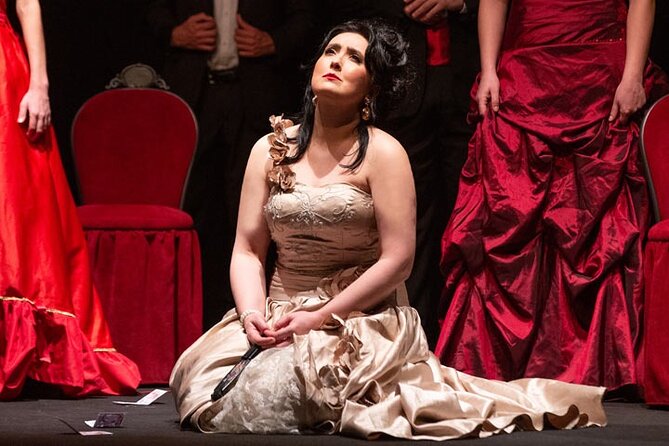
Yes, if you want affordable, real opera in one of Rome’s most atmospheric settings and you are okay with the venue being part of the deal. The biggest payoff is the intimate experience, especially with live orchestra, choir, and dancers, and the way the church makes the whole evening feel closer than a traditional theater.
Hold off or choose carefully if you are very sensitive to comfort or sight lines, because church seating is not adjustable like modern theaters. If you do book, do two things that make it smoother: pick your seat with view in mind, and read a short synopsis before you arrive so the English performance lands fast.
FAQ
Where is the ticket redemption point?
Ticket redemption is at St. Paul’s Within the Walls, Via Nazionale 16a, 00184 Roma RM, Italy.
What time does the performance start?
The start time is 8:30 pm.
How long is the experience?
It lasts about 2 hours.
Is the performance offered in English?
Yes, it is offered in English.
What is the dress code?
Dress code is smart casual.
Will I know my seat in advance?
No. Seats are assigned by the theater box office and you will not know them in advance of the performance date.
Is lunch included?
No, lunch is not included.
Can I bring a service animal?
Yes, service animals are allowed.
What if I need to cancel?
You can cancel up to 24 hours in advance for a full refund.
Is this suitable for most people?
Yes, most travelers can participate.