
Reviewed · WINE TOURS
Course in Rome: Wine Education with Food – mini sommelier course
Rome turns wine education into an evening lesson. In about three hours, you do four wine tastings with a professional sommelier and learn how to taste with structure, not guesswork. You also get hands-on food pairing, so the wine makes more sense after the last sip, not just during it.
One thing to plan for: the start point is Via Ardeatina 237, and there is no private transportation. If you are staying in the center, you will want to map your own route and arrive a bit early so the lesson starts smoothly.
Key highlights
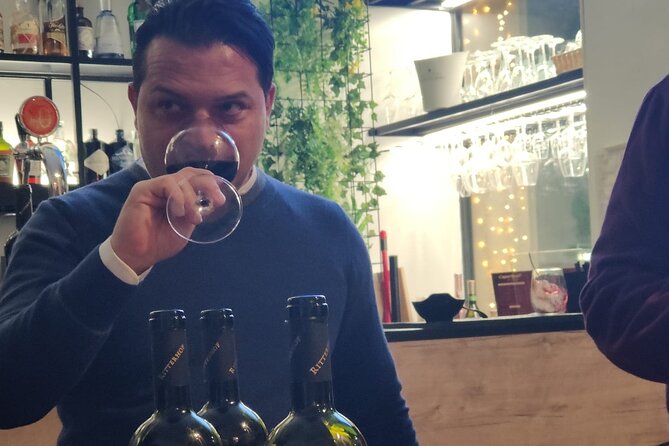
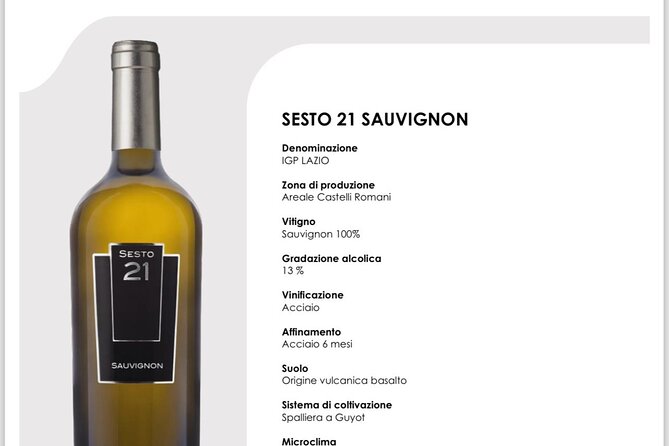
- Four tastings (prosecco, rosè, white, red) designed to build real tasting confidence
- Sommelier-led training on how to recognize wine qualities and use simple tasting tips
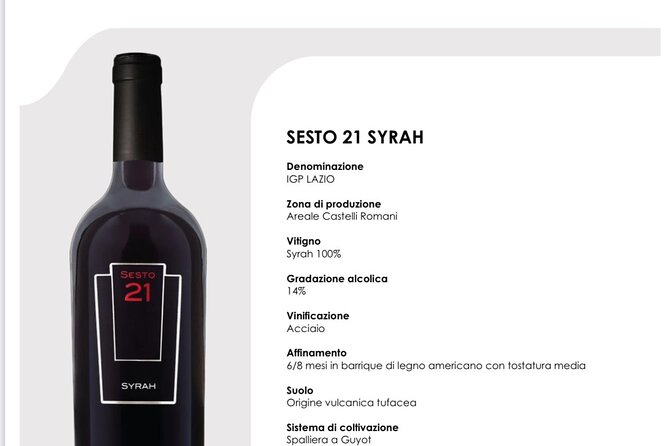
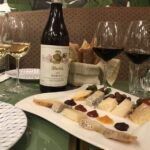
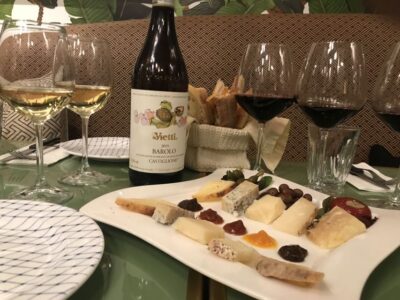
- Roman-style pairings with salumi and cheese, plus focaccia, desserts, and gelato
- Private group format so your questions do not get lost in the background
- English course with a mobile ticket for easier check-in
- A popular pick early on, often booked about 83 days in advance
What This 3-Hour Mini Sommelier Course Gets Right
This is not a fancy wine quiz where you either know the right words or you feel lost. The point here is to help you learn a repeatable way to taste and talk about wine. In a short, focused session, you go wine by wine, pairing each glass with food that is meant to highlight the wine’s character.
I like that you get four distinct wines rather than one token tasting flight. You come away with a broader sense of how style changes across a glass of sparkling, a rosè, a white, and a red. That matters because Rome is all around you with wine ads, menus, and store displays. After this, you can approach those choices with more confidence and less shrugging.
I also like the mix of wine and food. The included pairing spread is built around Italian staples, not just bread and water. You get salumi and cheese, freshly baked focaccia, plus sweets and gelato. That combination turns the lesson from head knowledge into something you can feel on your tongue.
The biggest consideration is location and logistics. Since private transport is not included and the meeting point is Via Ardeatina 237, build in time to get there and back using public options. The experience ends back at the same meeting point, so you do not need to solve a complicated end-of-tour puzzle, just a simple ride plan.
You can also read our reviews of more food & drink experiences in Rome
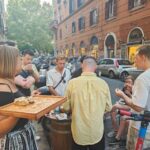

The Four Tastings: How the Lesson Builds Skill, Not Trivia
The course is structured around four tastings, and that is the backbone of the experience. You start with a prosecco style pour, then move through rosè, white wine, and finally a red. The sommelier guides you through what to notice, using practical language you can actually reuse later.
Here is why that order makes sense. Sparkling wines are often about brightness and texture. Rosè and whites can teach you how acidity and fruitiness show up differently. Reds then bring in richer factors like tannins and deeper aromas. If you only taste one style, you miss the comparisons that make learning stick.
Prosecco-style start: train your palate for brightness
Early on, you are likely to focus on how the wine feels as bubbles hit your mouth. Even if you are not a wine nerd, you can notice basic contrasts quickly: dry versus sweet, crisp versus soft, light versus fuller body. This sets a baseline for how the rest of the flight will evolve.
Rosè: learn what changes when color does
Rosè often gets people stuck in the simple idea of it being a warm-weather drink. In a lesson like this, you can do better. You can pay attention to aroma and flavor intensity, then notice how the wine behaves with food. Pairing is key here, because rosè is often chosen for eating, not just sipping.
White wine: the acidity lesson that helps you order in restaurants
Whites can be where your learning gets practical fast. Acidity is one of those things you can taste immediately once someone points it out in plain terms. When you understand acidity, you can match wines to dishes more easily back on your trip, especially with lighter Italian plates.
A few more Rome tours and experiences worth a look



Red wine: tannins and aroma, explained without the intimidation
Reds are the step where many people either get curious or get intimidated. You do not need a chemistry degree. The sommelier explains how to recognize the qualities of the different wines and gives tips so you can describe what you sense. You will likely notice structure, body, and that slightly drying feeling that tannins can bring.
A smart move for you during any wine education session is to take tiny notes in your phone. Not a novel, just a few words per glass. Later, when you are staring at a wine list, those keywords will help you translate the menu into something you already understand.
Food Pairings in a Roman Setting: Salumi, Cheese, Focaccia, Sweet, Gelato
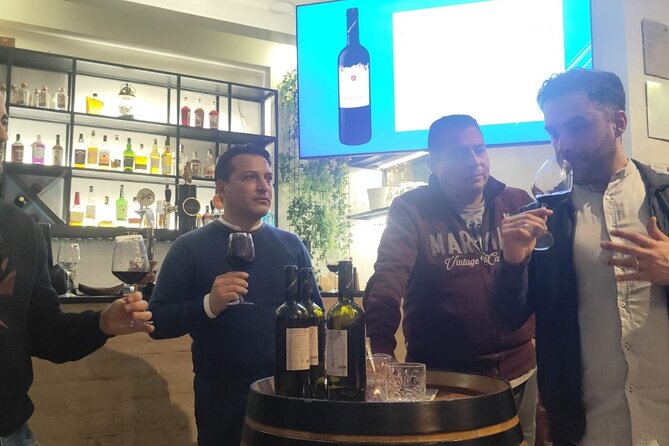
The food is not an afterthought here. It is designed to support the tastings. You get a gourmet selection of dishes with the wines, including national cold cuts and cheeses. Then you add freshly baked focaccia, desserts, and refreshing gelato.
Salumi and cheese: why this pairing works
If you have ever had salumi and cheese and wondered why they pair so well with wine, you get the reasoning in a simple way. Salty, fatty, and savory flavors can soften sharp edges and bring out fruit or spice notes. Cheese also has enough richness to change how the wine tastes in a very noticeable way.
You do not have to memorize pairing rules. What you want is the feeling of how the wine changes after a bite. That is what helps you order smarter later. Next time you see a cheese board or a cured-meat appetizer on a Roman menu, you can connect it to the tasting logic from your course.
Focaccia: the comfort anchor
Focaccia is included, and I think that is a smart choice. Bread helps you reset your palate between sips. It also keeps the experience from feeling like pure alcohol and theory. In a short course, that kind of food pacing makes the session easier to enjoy.
Desserts and gelato: closing with balance
At the end, sweets and gelato are part of the included spread. This matters because the final flavors can teach you how wine sweetness versus dryness works on the palate. Even if you do not become a dessert wine expert, you learn how to think about pairing instead of simply following what sounds tasty.
If you know you get hungry late in the day, consider arriving on time. A 3-hour session with multiple tastings and a food spread can feel like a mini meal, but it will still be easier if you start without an empty stomach.
Your Sommelier Guide: Ask Better Questions and Taste More
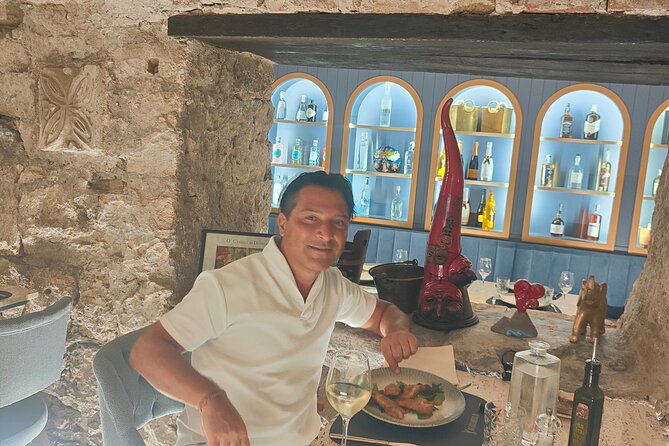
A big reason this course scores so high is the human factor. The tastings are led by a professional sommelier, and one guide name that comes through clearly is Christian. His approach comes across as welcoming and enthusiastic, and that makes a difference in a group setting.
When a sommelier is relaxed and friendly, you get to ask questions without feeling like you need a script. That is how you learn the fastest. You also get better tips on how to taste, not just what to taste.
Here are a few questions you can bring up that stay grounded in what a mini sommelier course is meant to teach:
- How do I tell if a wine is dry just by taste and texture?
- What should I notice first: aroma, acidity, or body?
- How do I connect what I taste to an Italian dish on a menu?
The course is designed for real-world use, since the goal is confidence you can keep after your trip ends. That means the best outcome is not collecting facts, it is learning a repeatable method.
Price and Value: Is $96.02 Worth It?
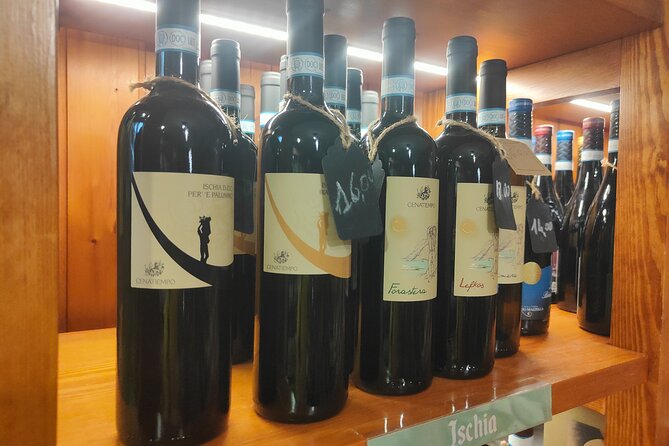
At $96.02 per person for about 3 hours, the value comes from what is included, not from a long list of extras.
You get:
- Four wine tastings, including prosecco, rosè, white, and red
- Water
- Salumi and cheese pairings
- Focaccia
- Desserts and gelato
- A sommelier explaining how to recognize wine qualities and giving practical tips
If you price that out separately, you would quickly feel why this works. You are paying for instruction plus a planned food-and-wine pairing flight. You are not paying just for alcohol. You are paying for guidance that helps you interpret what you are drinking.
Also, the format matters. It is a private tour/activity, and only your group participates. Private does not automatically mean better, but it usually means your questions get attention instead of getting swallowed by a larger crowd. For a wine course, that personal interaction often turns a fun evening into actual learning.
One more value detail: the experience is offered in English, so you can follow the explanation closely without translating everything in your head.
Location, Timing, and How to Plan Your Ride
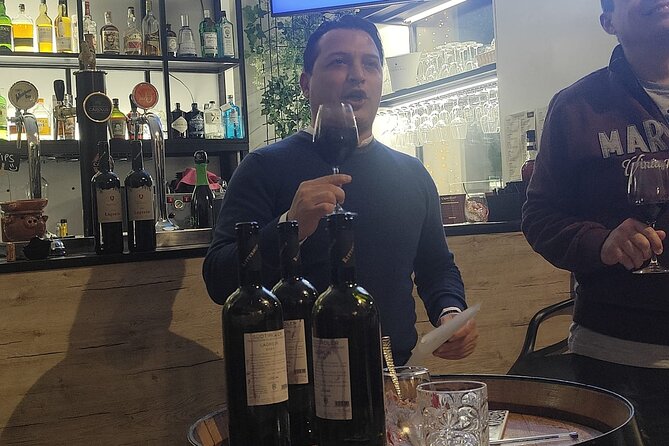
Meeting point: Via Ardeatina, 237, 00179 Roma RM, Italy. The activity ends back at the same meeting point.
Because private transportation is not included, plan your transit before you go. Rome can be easy when you are near the center and slower when you are not. Via Ardeatina is not presented as a “step off the bus and you are there” location, so give yourself extra time.
A practical strategy for you:
- Choose a calm arrival window, not a sprint time.
- If you are using public transportation, confirm schedules the day before.
- Wear something comfortable. You are tasting, walking is not the main feature, but you will still be moving around enough.
Duration is about 3 hours. That is a sweet spot, long enough to learn and eat without dragging into a half-day commitment.
Also note the legal age: 18 is required to participate in the wine tasting. If you are traveling with mixed ages, plan accordingly.
Who Should Book This Course (And Who Might Not)
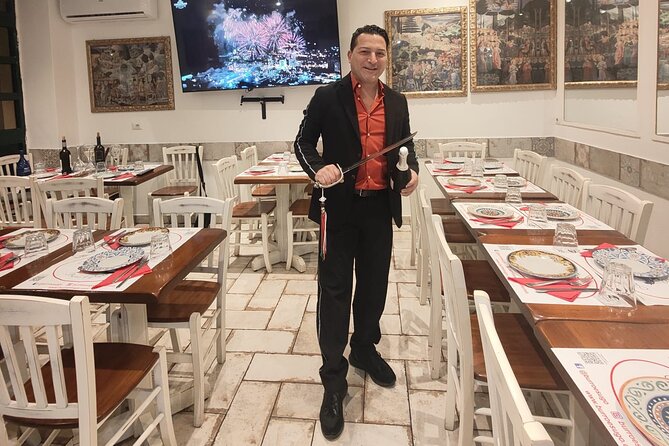
This mini sommelier course fits best if you want a structured introduction to Italian wine while you are in Rome, and you want something more useful than wandering into a wine bar and hoping for the best.
You will likely enjoy it if:
- You like wine but want a clearer way to describe it
- You enjoy food and want pairing logic you can reuse
- You prefer guided learning with a professional sommelier
- You want a private group experience in English
- You want an evening that feels both social and practical
It might not be the right fit if:
- You are short on time and want a quick stop rather than a 3-hour session
- You do not want to arrange your own transport to Via Ardeatina 237
- You are under 18 and cannot participate in the tasting
Should You Book It?
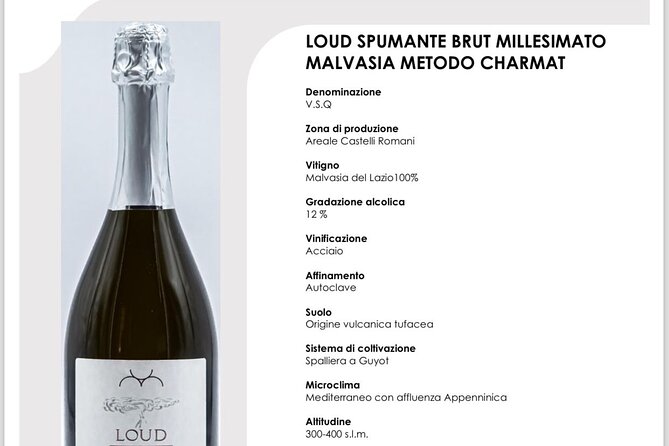
If you want an enjoyable Roman evening that teaches you how to taste and pair wine like a normal person, I think this is a strong choice. The combination of four tastings, real food pairings (salumi, cheese, focaccia, desserts, gelato), and a professional sommelier makes the $96.02 price feel grounded. It is not just drinking. It is learning you can actually use when you order wine later.
Book it if you:
- Want confidence, not wine jargon
- Plan to eat in Rome and would like a pairing framework
- Prefer a private setup where questions get answered clearly
One last thing to keep in your mind: because it is alcohol-focused, you should treat it like a real outing. Arrive on time, stay hydrated with the water provided, and enjoy the lesson at a pace that lets you taste instead of rushing to the final glass.
FAQ
How long is the wine education course in Rome?
It lasts about 3 hours.
What does the course cost?
The price is $96.02 per person.
How many wine tastings are included?
You get four wine tastings: prosecco, rosè, white, and red.
What food is included with the tastings?
The experience includes salumi and cheese, focaccia, sweet items, and ice cream or gelato, with water and gourmet selection dishes.
Is transportation included?
No, private transportation is not included.
What is the meeting point?
The tour starts at Via Ardeatina, 237, 00179 Roma RM, Italy, and it ends back at the same meeting point.
What language is the course taught in?
It is offered in English.
Is there an age requirement for the wine tasting?
Yes, the legal age to participate in the wine tasting is 18.
More Food Experiences in Rome
More Food & Drink Experiences in Rome
More Tour Reviews in Rome






Not for you? Here's more nearby things to do in Rome we have reviewed












Wine Tours, compared.
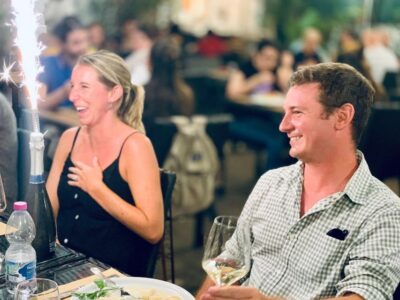 ★ 4.9Pasta & Tiramisu Class with Fine Wine by the VaticanFrom $414,852 reviews
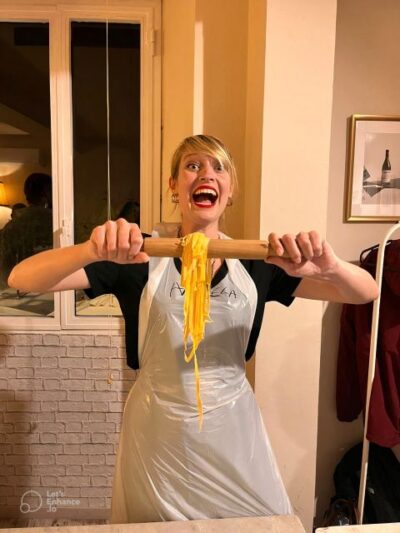 ★ 4.9Pasta Making Class with Wine, Limoncello, and DessertFrom $483,177 reviews
 ★ 4.8Fettuccine and Tiramisu Cooking Class with WineFrom $672,013 reviews
 ★ 4.8Food Tour with Unlimited Food and Barolo WineFrom $861,883 reviews
 ★ 4.9E-Bike Night Tour with Food and Wine TastingFrom $891,131 reviews
 ★ 4.6From Rome: Bagnoregio & Orvieto Day Trip with Wines & LunchFrom $931,075 reviews
 ★ 4.9Trastevere Guided Food and Wine Tour with 20+ TastingsFrom $1461,022 reviews
 ★ 4.9Pasta Making with Wine Tasting and Dinner in FrascatiFrom $35979 reviews
Browse the lists this tour appears in