
Reviewed · TRASTEVERE TOURS
Rome: Trastevere street food and history tour – small group
One street, two neighborhoods, and a quick lesson in how Rome eats. This Trastevere street food and history walk threads you through the Jewish Ghetto and into Trastevere, with tastings like fried artichokes, sliced pizza, supplì, and gelato. I love that the route is built for wandering on foot and spotting real neighborhood details, not just big landmarks. I also like that you get enough food to change how you order on your own. One possible drawback: you will spend a good chunk of time walking first, so come hungry and wear shoes for uneven cobblestones.
Because it is a small group, you can ask questions as you go. You also get a built-in mental map, which helps you circle back later to any shop or bite you liked. The tastings are designed with vegetarians in mind, but if you have stricter needs like vegan or gluten or lactose intolerance, you should plan ahead when booking.
Key highlights you should care about
- Jewish Ghetto start: A strong first stop that frames the area’s food culture right away
- Tiber Island moment: A quick, unusual river-center pause with a great photo angle
- Trastevere alley walking: You see the district’s rhythm, from medieval edges to everyday shopfronts
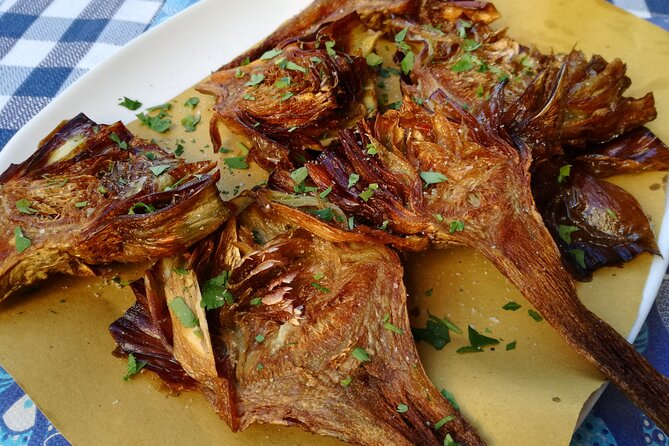
- Food mix that runs savory to sweet: Think artichoke, Roman pizza, supplì, then gelato
- Small group cap (max 12): More chances to talk with the guide and keep a steady pace
- Designed for vegetarians: Vegan and gluten or lactose needs can work, but not all tastings are guaranteed
Why Trastevere street food feels like the real Rome
Rome can be a highlight overload. This tour is different because it treats food as your guidebook. You do not just read about places, you taste your way through them, then you understand why certain shops, ovens, and counters are famous.
I like how the experience ties the neighborhoods together. You start in the Jewish Ghetto area, where food traditions are inseparable from community life. Then you move toward Trastevere, where street-level eating feels casual but deeply local. The result is that you leave with a clearer sense of where to go next for dinner, snacks, and dessert.
One more practical plus: the guide sets you up to remember what you liked. That means less second-guessing later when you are standing in front of ten gelaterias.
You can also read our reviews of more food & drink experiences in Rome



The walk’s flow: from the Ghetto through Tiber Island to Trastevere
This is about 2 hours 30 minutes of walking, with short stops that keep energy up. The route moves in logical chunks, so you can follow the story without feeling lost.
Here is the big-picture order:
- Jewish Ghetto: framing the community and the food culture around it
- Tiber Island (Isola Tiberina): a quick stop on the river, easy to spot and fun to photograph
- Piazza in Piscinula: you enter Trastevere from the medieval side
- Chiesa di San Francesco a Ripa Grande: walking alleys, then food tastings
- Via della Lungaretta: the district’s spine, lined with climb-y plants and craft-window shopfronts
- Fontana della Botte: a fountain shaped like a wine measure
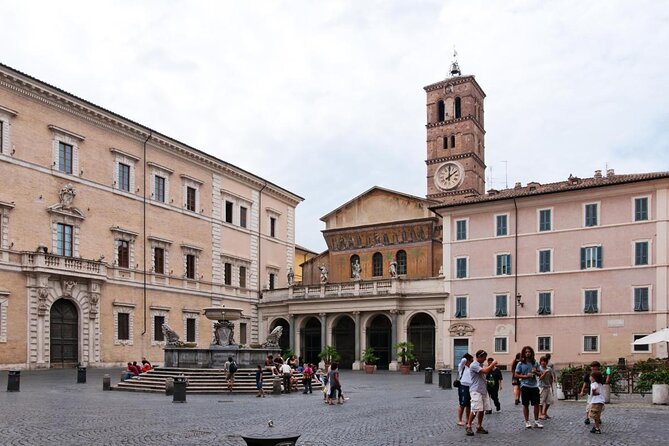
- Piazza di Santa Maria in Trastevere: see the square and visit the church interior
- Trastevere: finish with alley wandering and off-the-main path glimpses
If you are the type who learns best by doing, this sequencing works. If you prefer long museum-style stops, you might feel the time is tight. Still, most of the stops are built around short walks and quick tastings, which keeps the energy high.
Stop-by-stop details: what each place adds to your Rome day
Below is what you can expect at the major stops, plus what is worth paying attention to.
The Jewish Ghetto: your history anchor, right at street level
You start at the heart of the Jewish Ghetto, where the community’s main synagogue sits and where the neighborhood’s traditional food scene makes sense. The stop is short, but it gives you context before your first bite.
Practical tip: look at how the streets feel. Even without going deep into every detail, you start connecting the dots between community life and what ends up on tables.
Tiber Island: a quick breather in the middle of the river
Next comes Tiber Island, a small, unusual island in the middle of the Tiber. It is a free, low-effort visual reset after the tighter streets around the Ghetto.
Why it matters: a good tour has a rhythm. This stop gives your legs a moment and gives your camera a moment.
A few more Rome tours and experiences worth a look






Piazza in Piscinula: easing into Trastevere from the medieval edge
Piazza in Piscinula is the first approach into Trastevere from its older, medieval side. You start to feel the district shift from formal space into lived-in lanes.
What to notice: how the neighborhood transitions. You are getting a walking route you can repeat later when you want a slower wander.
Chiesa di San Francesco a Ripa Grande: alleys first, then tastings
This is one of the stops where the tour turns from sightseeing into tasting. You walk through small alleys and then stop for food samples.
Why I think this works: you learn the streets in motion, not on a map from your couch. Plus, tucking tastings into the middle of a walk keeps your appetite from crashing.
Via della Lungaretta: the street that acts like a backbone
Via della Lungaretta is described as the spine crossing the whole district. You get storefront details here, including climbing plants and the picturesque windows of small craft shops.
What you’ll remember: this is the kind of street that makes you want to slow down later. If you like browsing, you will likely spot a few shop types you did not know you were searching for.
Fontana della Botte: a fountain shaped like a wine measure
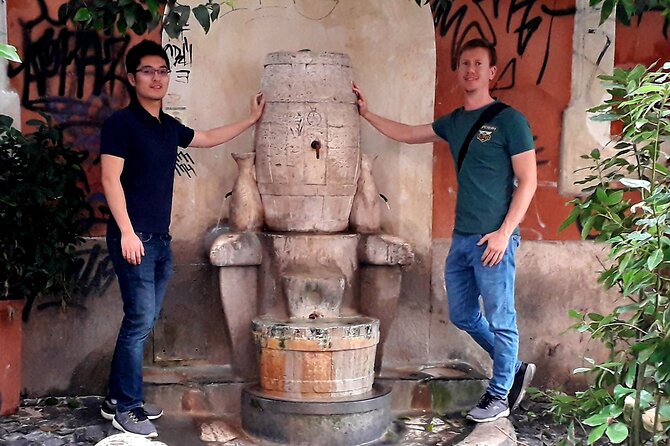
You stop at Fontana della Botte, a fountain that reproduces the shape of wine measures. It is quick, but it is the sort of detail that makes Rome feel clever instead of just old.
If you like trivia, this one delivers without effort.
Piazza di Santa Maria in Trastevere: square views plus an interior visit
At Piazza di Santa Maria in Trastevere, you see the square and then go inside the church. This is your “pause and look around” moment, and it helps break the walking into a satisfying rhythm.
Worth it for: anyone who wants the tour to be more than just food, without turning into a long church crawl.
Trastevere alleys to the finish: where you can keep eating after the tour
The end area is all about Trastevere. You wander the alleys, and you get those off-the-beaten-path glimpses that make this district feel like a local neighborhood.
Guide habit to use: take note of what shop signs look like and which lanes you want to revisit. The tastings help you remember flavors, but the street layout helps you actually find the places again.
The street food lineup: what you’ll taste and how much to expect
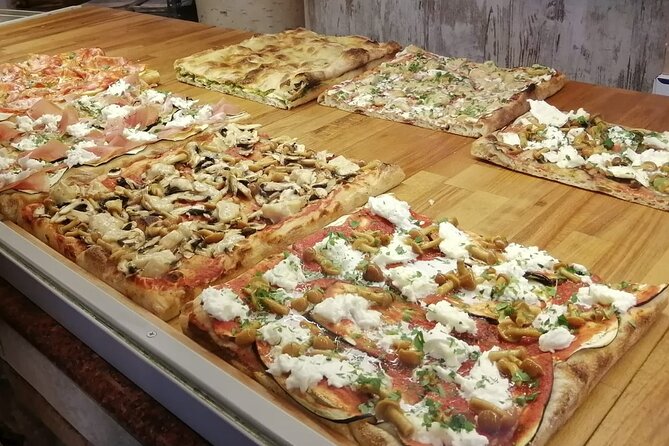
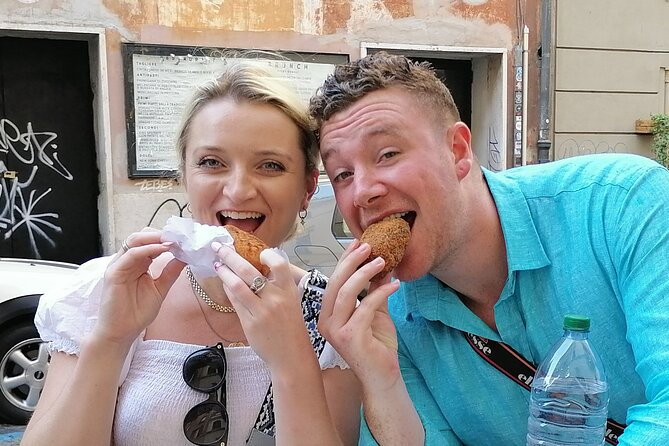
This is not a full meal, but it is more than a token sample. The tour includes street food such as artichoke, sliced pizza, supplì, gelato, and more.
From the food pacing described by many guides and diners, the pattern is usually:
- savory bites in the middle of the walk
- then a sweet finish
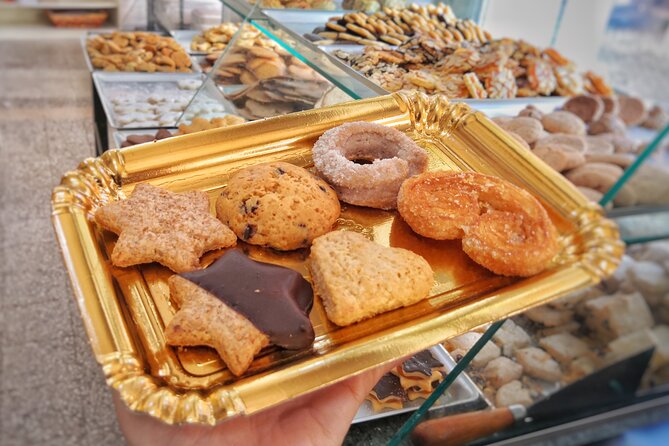
You might hear specific mentions of fried artichokes, and you may also be directed toward well-regarded spots that have built reputations over decades, like Artigiano Biscottificio (mentioned in guide-and-guest comments). The tour also sells non-alcoholic and alcoholic choices separately, so you control drinks based on your budget and taste.
How much food? Most people leave properly full. Still, one practical consideration: a smaller number of people wish there were a bit more food. If you have a big appetite, you may want to plan a light dinner after, or at least keep in mind that this is a tasting tour, not a feast.
The real value: history that explains why the food exists
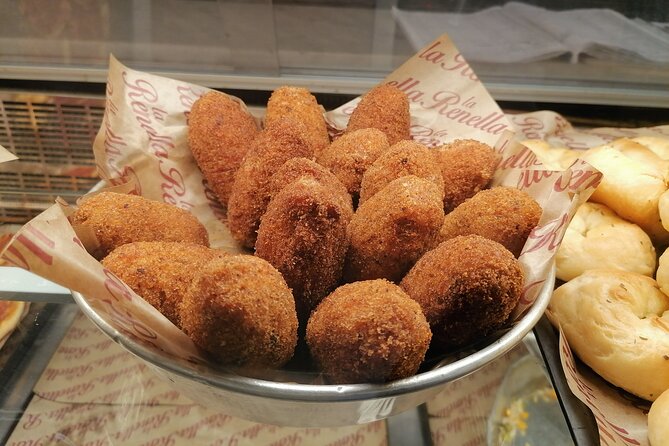
A lot of food tours stop at, Here’s what to eat. This one tries to explain why it belongs here, using the neighborhoods as the lesson.
That matters in Rome because so much of what people eat is tied to geography: who lived where, how streets formed, what places survived, and how certain shops became go-to stops. Starting in the Ghetto before you hit Trastevere makes the story feel logical instead of random.
And the guide style seems to matter a lot. In past groups, guides like Christian, Daniel, Virginia, Emanuel, Sabrina, Serena, Marco, and Victoria have been praised for connecting stories to the bites. You can expect the tour to feel like a conversation with checkpoints, not a lecture.
One thing to keep in mind: English quality can vary by guide. Some people loved the pacing and clarity, while a few found an accent hard to follow. If clear audio is your top priority, arriving on time and keeping your position close to the guide will help.
Group size, pace, and walking reality in Trastevere
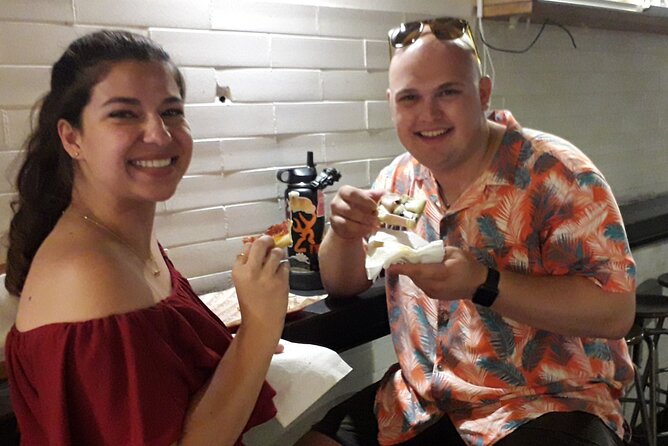
This is capped at 12 travelers, which is part of why you feel human-sized instead of herded. Many groups seem to run smaller than that, which gives you more room to ask questions and to stop briefly for photos.
Still, this is a walking tour. Expect uneven roads and some climbing steps, especially as you move through tighter lanes and connect between areas. If you have mobility limits, the tour suggests booking a private tour so your pacing does not pressure the rest of the group.
Also note the pacing pattern: some of the first hour can feel more like wandering and context, then the eating ramps up later. If you are sensitive to timing, come with a snack in your bag just in case, or eat something light beforehand.
Vegetarians, vegans, and food restrictions you need to mention upfront
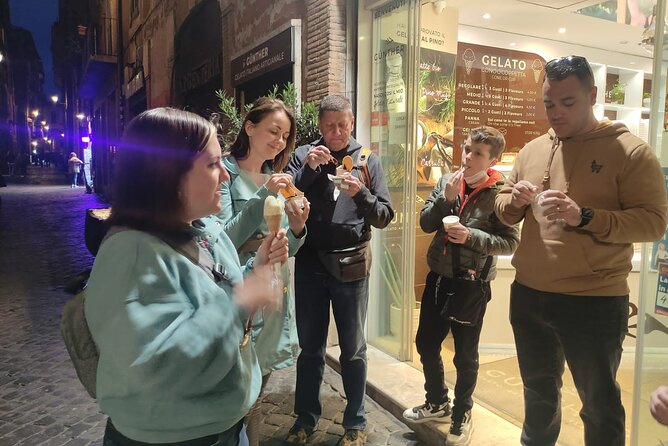
Good news: the tour is planned to suit vegetarians. If you are vegetarian, you should still inform the operator at booking so the tastings match what you eat.
For vegans and for people who are gluten or lactose intolerant (not allergic), participation is possible, but the tour data is clear: not all tastings can be guaranteed. That means you should communicate restrictions at the time of booking. Last minute changes might not be taken into account.
Alcohol is optional and sold separately, so non-drinkers can stay focused on the bites without needing to negotiate.
My advice: when you book, be specific about what you cannot have. If you only say allergy words, you might be too vague. If you say what you can tolerate, the guide can better work with the available tastings.
Practical info that helps your day go smoother
Where it starts and where you end
The start is at Piazza Benedetto Cairoli, 118, 00186 Roma RM. The walk ends at Via dei Pettinari, 45, 00186 Roma RM.
That matters because Trastevere evenings can get busy. If you like to keep your plans simple, plan dinner near the end area so you do not have to backtrack.
Mobile ticket and time planning
You get a mobile ticket. Confirmation comes at booking, and the tour is offered in English.
The duration is around 2 hours 30 minutes. Give yourself a small buffer for meeting up, and try not to stack this right before something far away.
Rain and weather expectations
The tour runs in sun or rain, except for extreme weather. There is no refund for last minute cancellations due to rain, so bring a rain layer if the forecast looks questionable.
Price and value: is $66.38 a good deal for Rome?
At $66.38 per person for roughly 2.5 hours, you are paying for three things:
1) a planned walking route across two neighborhoods
2) multiple tastings (artichoke, sliced pizza, supplì, gelato, and more)
3) a guide who ties it to the places you are walking through
If you were to buy these items à la carte in Trastevere on your own, the total would likely add up fast, especially once you factor in time savings. Here, you also avoid the awkward part where you stand in front of a shop and wonder what to order.
Is it worth it if you only want to eat? Yes, because it gives you a variety you might not pick yourself. Is it worth it if you want history too? Yes, because the context is built into the neighborhood route, not tacked on at the end.
One caution: this is not a private food crawl. If you want maximum flexibility to linger in shops, this format may feel a little structured.
Should you book the Trastevere street food and history tour?
Book it if:
- you want to see Trastevere and the Jewish Ghetto in one coherent walk
- you like tasting local favorites, especially savory bites followed by gelato
- you value small-group attention, with a guide who explains what you are eating and why the place matters
- you are planning your first or second day in Rome and want practical food leads
Skip it or consider a different option if:
- you need a fully relaxed walking pace with minimal steps
- you have very complex food needs, and you cannot commit to communicating them far enough in advance
- you prefer long stops over a “walk, taste, walk, taste” rhythm
If your goal is to get your bearings fast in Rome’s neighborhoods, this tour is a smart use of time. You come out with both flavors in your head and streets you can find again.
FAQ
What is the duration of the Rome Trastevere street food and history tour?
The tour lasts about 2 hours 30 minutes.
How much does the tour cost?
The price is $66.38 per person.
What food tastings are included?
The included street food includes artichoke, sliced pizza, supplì, gelato, and more.
Does the tour include alcohol?
Alcoholic beverages are not included. Beverages can be bought separately based on your preferences.
Is the tour suitable for vegetarians, vegans, or people with dietary restrictions?
The tour is planned to suit vegetarians, and you should inform the operator when booking. Vegans and people who are gluten or lactose intolerant (not allergic) can participate, but not all tastings can be guaranteed, and restriction details must be communicated at the time of booking.
What neighborhoods and stops does the tour cover?
You will pass through the Jewish Ghetto, Tiber Island, Piazza in Piscinula, Chiesa di San Francesco a Ripa Grande, Via della Lungaretta, Fontana della Botte, Piazza di Santa Maria in Trastevere, and then continue through Trastevere.
What are the meeting point and end point?
The start is Piazza Benedetto Cairoli, 118, 00186 Roma RM, Italy. The tour ends at Via dei Pettinari, 45, 00186 Roma RM, Italy.
Is the tour offered in English, and do I get a ticket on my phone?
Yes, it is offered in English, and you receive a mobile ticket.
More Food & Drink Experiences in Rome
More Tours in Rome





More Tour Reviews in Rome

Not for you? Here's more nearby things to do in Rome we have reviewed











Trastevere Tours, compared.
 ★ 4.8Trastevere or Jewish Quarter Street Food TourFrom $513,839 reviews
 ★ 4.9Trastevere & Campo de Fiori Street Food Walking TourFrom $512,768 reviews
 ★ 4.8Guided Food Tour in TrastevereFrom $1122,266 reviews
 ★ 4.9Trastevere Guided Food and Wine Tour with 20+ TastingsFrom $1461,022 reviews
 ★ 4.8Small Group Trastevere Food Tour with DinnerFrom $132719 reviews
 ★ 5.0Rome Trastevere Pasta Making Class with Eating EuropeFrom $100505 reviews
 ★ 4.9Twilight Trastevere Food Tour with Wine TastingFrom $123490 reviews
 ★ 4.8Food & Wine Tour of Campo de Fiori, Ghetto, TrastevereFrom $81413 reviews
Browse the lists this tour appears in