
Reviewed · WALKING TOURS
Discover the Highlights of Rome in a Walking Tour
Rome can feel like chaos unless you have a plan. This 2.5-hour walk strings together the best sights with a focused route, so you spend your time where it counts, from Piazza Venezia to Piazza Navona. I especially like that you can pick a tour time that matches your day, not just one fixed departure.
Two things I really like: the guidance style (guide Fabiana gets praised for being patient and for explaining stories and history clearly), and the way the tour ends at Piazza Navona, where you can grab coffee and people watch. A possible drawback is that tickets are not included for every major stop, and ticketed entrances may be viewed from outside instead.
Key Highlights You’ll Notice Right Away
- A local-focused route that keeps the walking efficient, not random sightseeing
- Fabiana-style storytelling with clear, memorable background at each stop
- Pantheon time without the ticket pressure, plus a strong finish at Piazza Navona
- Baroque sights you can actually enjoy (Trevi Fountain and Sant’Ignazio interior)
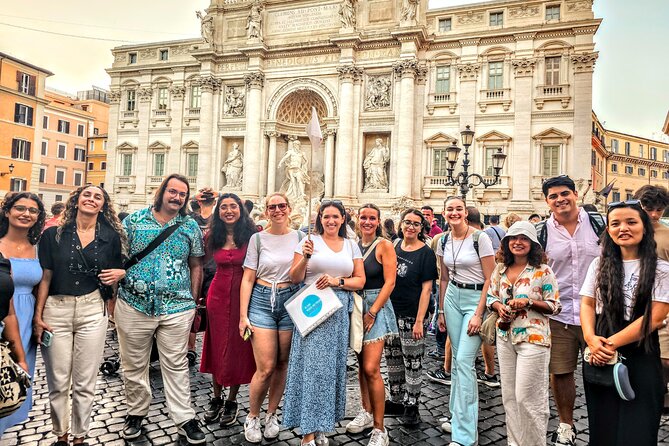
- Small group size with a maximum of 20 people, so you can hear the guide
A Smart Route From Piazza Venezia to Piazza Navona
This is the kind of Rome walking tour that helps you get your bearings fast. The route is designed to cover a cluster of central sights without wasting your energy zigzagging across town. If you want the highlights without doing a day of commuting and confusion, this format makes sense.
You’ll also appreciate the pacing. The tour runs about 2 hours 30 minutes, and each stop is timed tightly enough that you don’t drift too long in one place. That matters in Rome, where crowds and lines can steal time from your day if you do everything on your own.
You can also read our reviews of more walking tours in Rome


Meet Your Guide and How the Tour Stays Clear
The tour is led by a professional English-speaking guide, and that’s a big quality signal for Rome. When you understand what you’re looking at, even famous buildings stop feeling like just photos.
In particular, the feedback on Fabiana stands out. People highlight that she’s patient, and that her explanations are easy to follow and remember. You’ll likely get stories you can repeat later, not vague facts that vanish as soon as you move on.
A practical note: the tour has a moderate physical fitness level requirement. Rome walking can be uneven, and you are on your feet for the full route, even if each stop feels brief.
Piazza Venezia: Where Rome’s Power Shows Up in One Square
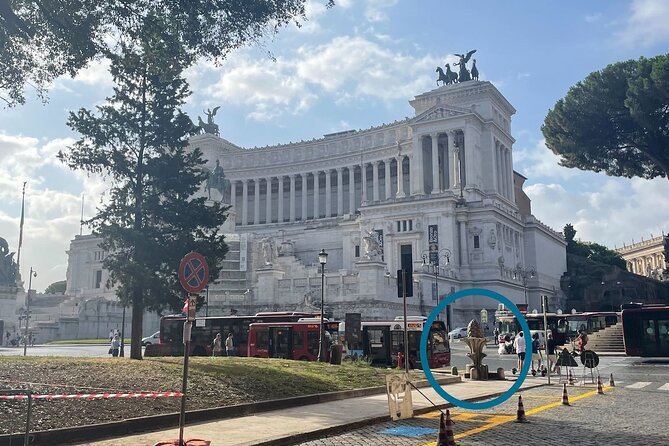
Your first stop is Piazza Venezia, one of the most central squares in the historic core. It’s known as a hub connecting major landmarks, which is exactly why it works as a starting point.
This square also gives you a dramatic “Rome in one glance” moment. You’ll see the Vittoriano monument, tied to Italian unification, and you’ll learn how the location has hosted major public events, including speeches by Mussolini. Even if you already know that name, standing here helps you connect the politics to the space.
You’re at Piazza Venezia for about 15 minutes, and you can use that time to orient yourself before the tour starts moving again.
Palazzo Venezia: Papal Residence to Mussolini Office
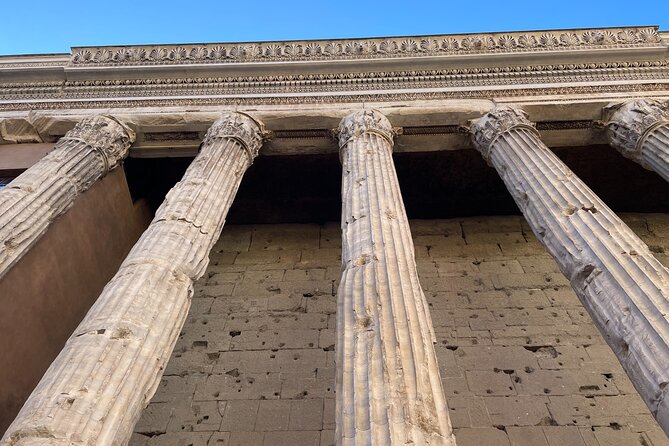
Next up is Palazzo Venezia. You’ll hear about its role as a papal residence and also the office of Mussolini. That shift in ownership and purpose is a reminder that Rome’s buildings often serve as stage sets for different eras.
The National Museum of Palazzo Venezia is part of the stop, but the museum admission is not included. So what you get is the guided orientation and context, and you might find that the interior museum visit depends on ticket access timing.
If you like architecture and power, this stop fits your mood. If you’re hoping for lots of time inside museums, you’ll want to treat this as a guided “what to look for” stop rather than a full museum visit.
Palazzo delle Assicurazioni Generali: Early 20th-Century Style in the Mix
After Palazzo Venezia, you’ll stroll to Palazzo delle Assicurazioni Generali. This is an early 20th-century architecture highlight, and the guide will help you understand why it matters in Rome’s architectural landscape.
You’re at this stop for about 20 minutes, and the focus is on its role as the headquarters for Italy’s major insurance company. That’s a refreshingly different angle from the usual ancient-only Rome story, and it helps broaden your sense of what the city looks like across centuries.
This is also a good transition moment. You’ve had monuments and political-era buildings, and now you see how modern institutions shaped Rome’s look.






Colonna Traiana and Trajan’s Market: Empire Pride and City Planning
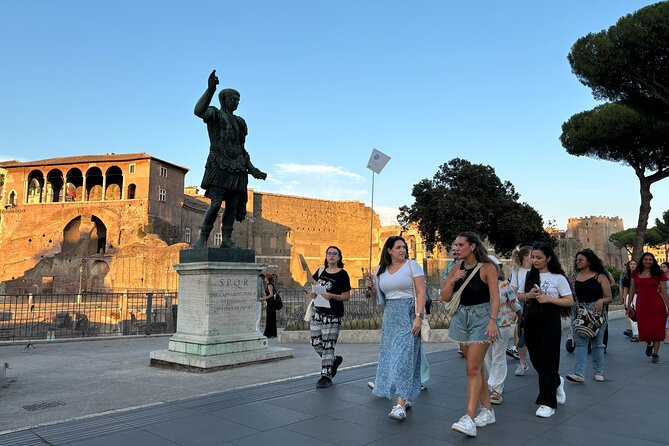
Now you reach Colonna Traiana, a triumphal monument tied to Emperor Trajan’s victories. It’s one of those Rome sights where the guide’s commentary can make the carvings feel readable instead of just decorative.
This stop is about 15 minutes. The tour also points you toward Trajan’s Market, which is described as a well-preserved example of ancient Roman commercial architecture. Even if you don’t spend a long time inside, it’s the kind of adjacent site that turns “ancient ruins” into something closer to “how a city actually worked.”
The big value here is the urban planning perspective. Rome didn’t just build monuments, it built systems around commerce and movement.
Trevi Fountain: The Tradition, the Drama, and the Practical Advice
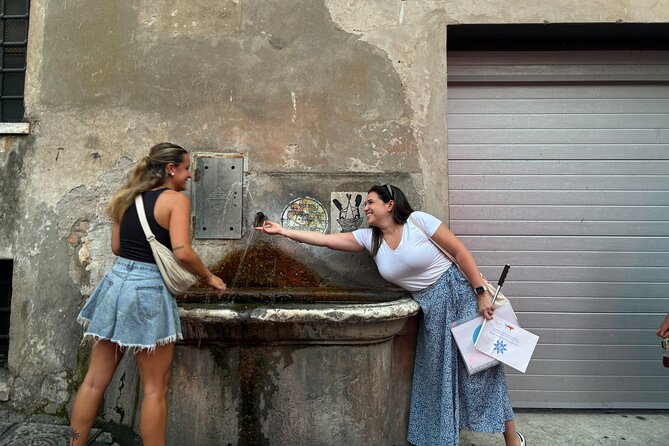
From Colonna Traiana, the tour heads to the Trevi Fountain, Rome’s most famous Baroque fountain. You’ll have about 20 minutes here, which is enough time to understand why it’s so dramatic and to see the details without turning into a statue yourself.
Yes, there’s the coin-toss tradition, where you toss a coin over your shoulder. It’s touristy in the best way, mostly because it gives you a simple ritual to do once you’re standing in the right spot.
Practical reality: Trevi can be crowded. The guided timing helps, but you should still expect some crowd energy around the fountain. Use your time smartly, look up and around for the sculpture work first, then do your coin toss.
Chiesa di Sant’Ignazio di Loyola: The Baroque Interior You’ll Remember
One of the best parts of this tour is that it includes an entrance ticket for Chiesa di Sant’Ignazio di Loyola. This stop runs about 20 minutes, and it’s the kind of interior moment that makes the whole walk feel worth it.
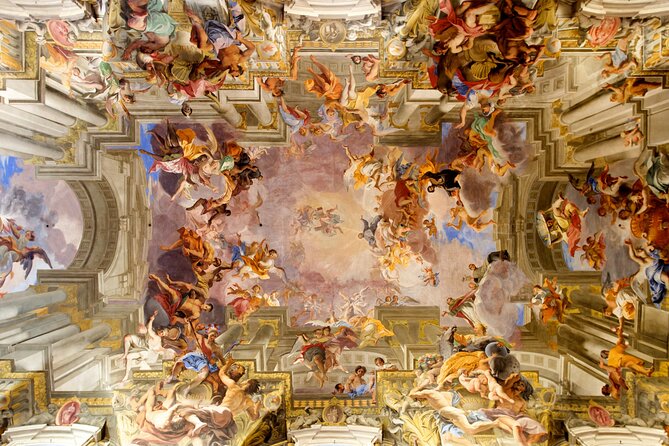
The church is known for a stunning Baroque interior and, specifically, the illusionistic ceiling fresco by Andrea Pozzo. If you like seeing technique used to create an optical effect, this is where the tour moves from “see famous landmarks” into “feel the art working.”
Because the entrance is included, you get more than the typical outside-photo experience. That’s a key value point, especially on a tour where some other major attractions may be viewed from outside due to ticket requirements.
The Pantheon Dome: Famous, Close, and Time-Efficient
Next comes the Pantheon. This is one of Rome’s best-preserved ancient monuments, and the guide will point out the massive domed roof and the central oculus. Even without going inside, seeing how the dome structure frames light and space is a huge part of why the Pantheon still feels special.
Here’s the tradeoff: Pantheon entrance is not included, and the note explains that attractions requiring ticketed entrance are visited from outside. So this stop is about getting you oriented and helping you notice the architecture from the outside viewpoint.
Still, don’t underestimate what you can learn here. If the guide explains the dome and the oculus in plain terms, you’ll leave understanding why people treat the Pantheon like more than a landmark.
If you want Pantheon interior access later, this tour can work as your fast primer. It sets you up to decide what to do next.
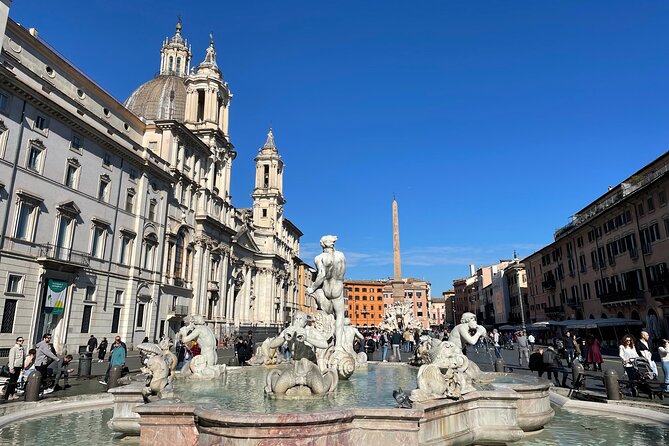
Piazza Navona: Finish With Coffee and Three Famous Fountains
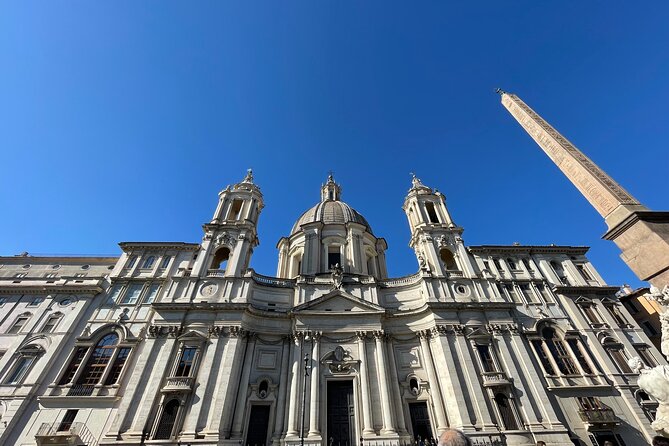
Your tour concludes at Piazza Navona, about 15 minutes to soak in the square and its big Baroque features. This is an excellent ending choice because it naturally invites you to slow down after the walking.
The three fountains get the spotlight: Fontana dei Quattro Fiumi, Fontana del Moro, and Fontana del Nettuno. The guide can help you notice how each fountain’s theme shows up in the sculpture work, and you’ll understand why this square is so photogenic.
The tour also encourages you to do what Italians do well, take a break and watch the world go by. Get a coffee, sit for a few minutes, and let the tour land in a relaxed way.
One small logistics wrinkle: the meeting point is Piazza di S. Agostino, and the end point shown is Piazza del Colosseo. The tour description says it ends at Piazza Navona. On the day, I’d follow the direction from your guide and check the final map pin so you’re not walking extra after the group breaks.
Price and Value: Why $30.10 Can Make Sense
At $30.10 per person, this is priced for value if you want a guided highlight route without building your own itinerary from scratch. You’re paying for a local English guide plus structured time at key stops.
What you’re not paying for is entrance fees to attractions. Some stops are free to view or are outside, and one major paid interior is included: Sant’Ignazio di Loyola. That mix matters.
So if you’re the kind of traveler who wants at least one memorable interior experience, this tour delivers. If you want entry into every headline site, you’ll need to budget extra, because places like the Pantheon are described as not included for admission in this format.
The small group size, up to 20 travelers, also improves the value. In busy Rome, it’s easier to hear a guide and keep together.
Timing in Rome: Choosing a Tour Time That Works for You
The tour offers multiple start times throughout the day. That’s not just convenience, it can change how good the experience feels.
If you hate peak crowd crush, pick a time earlier in your day if possible. If you’d rather do the art and fountain viewing without stressing about the clock, a later slot might fit better, as long as you’re not exhausted from other walking plans.
This tour is also a smart first-day or mid-trip choice. It’s short enough to slot into almost any schedule, and it helps you map what you want to revisit on your own.
Who Should Book This Walking Tour (and Who Might Skip It)
This tour is best for you if you:
- Want a practical route through central Rome instead of wandering
- Like clear explanations from a guide, especially stories tied to each place
- Want at least one guided interior moment with Sant’Ignazio
- Prefer a small group over large bus tours
You might consider skipping or adjusting expectations if you:
- Expect paid entry to major sites like the Pantheon in this ticket price
- Don’t want any outdoor viewing for ticketed attractions
- Have difficulty with moderate walking for about 2.5 hours
If you’re traveling solo, this can still feel good, because the guide’s pacing and group size help you stay oriented.
Should You Book This Rome Walking Tour?
Yes, I think it’s a good booking for the right traveler. At $30.10 you get a guided circuit through major highlights, an included interior at Sant’Ignazio, and a finish at Piazza Navona that gives you a natural place to rest and absorb what you just saw.
My advice: book it if you want guidance that helps Rome click into place, and you’re okay with the idea that some headline interiors may be outside-only in this specific format. If you want maximum museum entrances, consider pairing this with a separate ticket plan for anything you care about most.
Either way, starting with a route like this is one of the easier ways to spend a few hours in Rome without turning your day into a scavenger hunt.
FAQ
How long is the Rome walking tour?
It runs for about 2 hours 30 minutes.
Is the tour offered in English?
Yes. The tour is offered in English.
Is the Pantheon entrance included?
No. The Pantheon stop notes that admission is not included, and ticket-required attractions are visited from outside in this tour format.
Does the tour include food or drinks?
No. Food and drinks are not included.
Where do I meet the guide, and where does the tour end?
You start at Piazza di S. Agostino and the tour ends at Piazza Navona. The end point shown is Piazza del Colosseo on the Google Maps link, so confirm the final direction with your guide.
Is there a group size limit?
Yes. The tour has a maximum of 20 travelers, and service animals are allowed.
More Walking Tours in Rome



More Tours in Rome



More Tour Reviews in Rome
Not for you? Here's more nearby things to do in Rome we have reviewed












Walking Tours, compared.
 ★ 4.9Trastevere & Campo de Fiori Street Food Walking TourFrom $512,768 reviews
 ★ 4.9Paranormal Night Walking Tour & Secret BackstreetsFrom $341,921 reviews
 ★ 4.4Guided City Center Evening Sightseeing Walking TourFrom $46953 reviews
 ★ 4.5Best of Rome Walking Tour including Trevi FountainFrom $4923 reviews
 ★ 4.8Under the Moonlight Evening Walking TourFrom $28852 reviews
 ★ 4.9Forbidden History Walking Tour & Pub Crawl with DrinksFrom $61688 reviews
 ★ 5.0Guided Small Group Walking Tour of City HighlightsFrom $30682 reviews
 ★ 4.5Rome Walking Tour with Piazza Navona, Trevi Fountain and PantheonFrom $35676 reviews
Browse the lists this tour appears in