
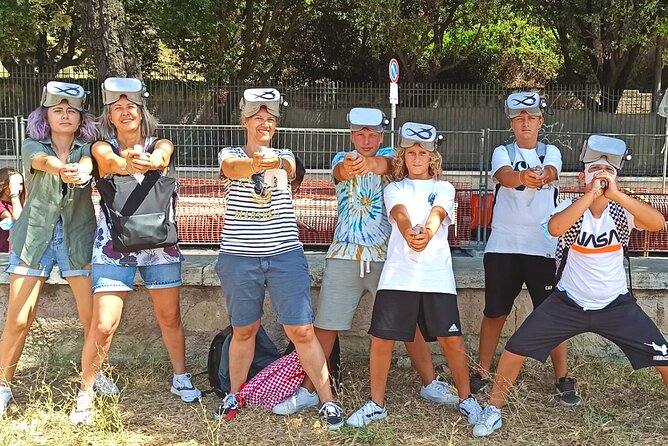
Reviewed · COLOSSEUM TOURS
Rome: Circus Maximus Virtual Reality Game near the Colosseum
VR turns Circus Maximus into street-level history. I love the combo of VR plus a moving, real-time route through Imperial Rome, and I love that you get hands-on help from an English VR assistant while you watch the big monuments come alive. The main drawback to consider is that this is VR-first, so if you struggle with headsets or need very specific language support, you should verify what will be available for your language before you book.
You are looking at a small group setup, with a maximum of 25 people, and a total time of about 2 hours. That matters, because you get more chances for staff to guide you when the headset is on and questions pop up.
The good news for practical planning is that it is easy to attend, near public transportation, and you do not need to bring VR gear. Still, do expect limits on bags, so pack light and wear shoes you do not mind walking in.
Key things to know before you go
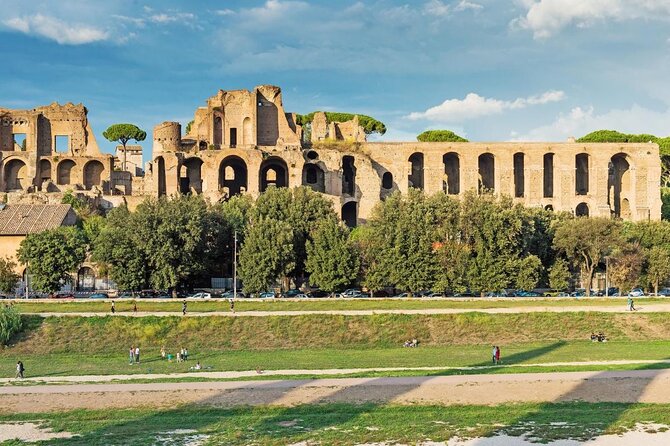
- VR assistant support in English (and Italian), plus an integrated audio guide to follow along without guessing
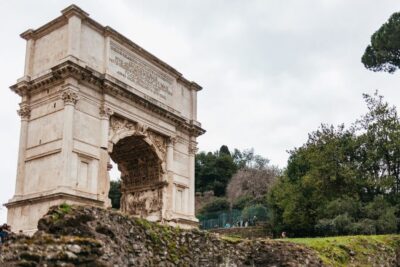
- Imperial Rome reconstructions, including iconic stops like the Arch of Titus and the Septizodium
- Hands-on chariot racing inside the original Circus Maximus structure, with a choice of faction
- All equipment provided, including VR headsets and a headset eye-mask cover, plus sanitizing gel
- Entrance tickets are separate, since the Circus Maximus archaeological area admission is not included
- Small group limit (25 max), which helps keep the experience smooth for families and history fans
VR and the Colosseum area, without the museum-wait mood
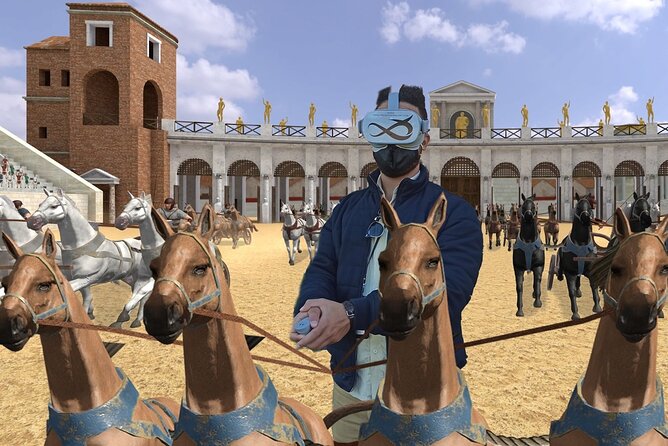
This is one of those Rome activities that works when you want history, but you do not want to spend your entire day standing in line with your phone at arm’s length. The setting is near the Colosseum area, and the flow is designed so you can move through the story in steps, rather than getting dumped into one long VR session.
I especially like how the experience starts grounded, with you moving through real streets while the VR content builds the time period around you. Then, the headset becomes the “time machine” for the Circus Maximus itself.
The other thing I like is how much guidance you get. You are not just handed a headset and told to figure it out. With staff support (including English) and an audio guide, you can stay oriented even if Latin and Roman names are not your personal hobby.
You can also read our reviews of more tours and experiences in Rome.



The full flow in about 2 hours: stop to stop
Even though the plan is straightforward, it helps to know what the time is doing for you. You should think of it in two big phases: street-level reconstructions first, then the inside-the-arena experience.
Start at Via di S. Gregorio, 58
You meet at Via di S. Gregorio, 58, 00186 Roma RM. The activity ends back at the same meeting point, so you are not scrambling across the city when you are done. Arrive about 15 minutes early so you can check in, get your headset fitting, and start on time.
If you have children, early arrival also reduces stress. Kids do better when they can settle in before the headset experience begins.
Circo Massimo: reconstructions on your route
Once you are underway, you are guided through the Circus Maximus world, starting from the outside and moving through different scenes in Imperial Rome. This includes seeing major landmarks referenced during the walk, such as the Arch of Titus and the Septizodium.
What makes this phase useful is that it gives your brain anchors. Instead of experiencing random sci-fi visuals, you are constantly connecting the VR elements to parts of Rome’s urban story.
The VR assistant and audio guidance help with pacing. You are not expected to read everything or keep track of every reference yourself. If you want the Emperor-era vibe without the homework, this is built for that.
The headset moment: inside the Circus Maximus
Then comes the headline part. Staff guides you toward the most exciting point, when you put on the VR headset and enter the Circus Maximus structure itself. The experience is set up around the idea that this arena could hold up to 385,000 spectators.
From there, you shift into the role of a competitor in a chariot race. You can choose a favorite faction, and your goal is to win the Emperor’s favor.
This part is where the “wow” factor usually hits hardest, especially for kids. A chariot race turns abstract Roman entertainment into a game you can actually play.






Circus Maximus in VR: how the monuments get you oriented
Rome can be overwhelming. One reason VR activities sometimes fail is that they do not help you understand where you are in the real city. Here, the approach is the opposite: it uses recognizable features to keep you grounded.
You will encounter the VR narrative around the Circus Maximus, but you also get references to major sites connected to the imperial period. Seeing the Arch of Titus and the Septizodium named and visually represented during your route helps your trip feel less like a video game with headsets and more like a guided interpretation of the era.
Also, the experience design emphasizes movement in real time through the streets. That matters because you are not standing still for the entire tour. Even if you only do a short walk, it keeps you from getting trapped in one place, and it helps families stay engaged.
If you are the kind of traveler who likes to learn a few concrete details you can carry home, this format helps. You leave with images, not just general impressions.
The chariot race segment: choosing your faction and playing for the Emperor
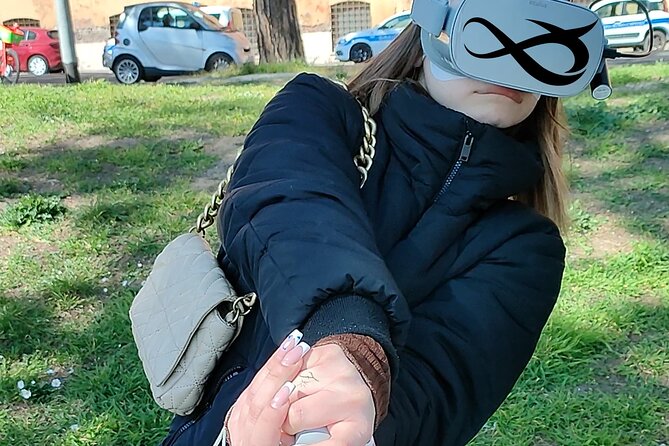
Once you are inside the virtual structure, the experience turns into a competition. You pick a faction, get into the racing action, and aim to win the Emperor’s favor.
This is the moment that typically makes the experience feel worth doing, because it turns the Circus Maximus from a legendary name into something active. The idea is not just to show you what it looked like. It is to put you into what the spectacle might have felt like, with you as the “protagonist” of the storyline.
A small practical note: since you are wearing a VR headset during the main action, you should plan to keep things simple physically. Try to keep your hands free, and avoid carrying anything you would normally fiddle with. If you like moving and reacting during games, this section is where that payoff lands.
Who should book this VR experience near the Colosseum
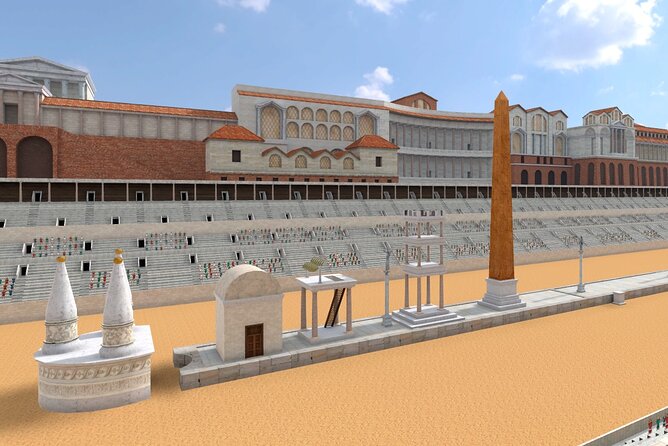
This is a strong match for several types of visitors.
Families
The experience has a clear family-friendly angle. It is set up with interactive components and staff support that tends to work well with kids. In particular, you will find it much easier if your children like hands-on activities, or if they get restless in long indoor settings.
The tone matters too. Some guides have been praised for being patient and friendly, and names like Sara and Alessia come up in the staff feedback you can use to set expectations. That is a good sign if you want a calmer experience rather than a rushed one.
History lovers who do not want a lecture
If you enjoy Roman history but prefer learning through action, this fits. The VR reconstructions and the chariot race give you a story you can understand quickly, even if you are not a big forum-of-facts person.
Tech-friendly travelers
If you already like VR, you will probably enjoy how direct the experience feels. You have all equipment provided, and you are guided throughout. You do not need to know how headsets work before you arrive.
Price and value: what $35.89 buys you
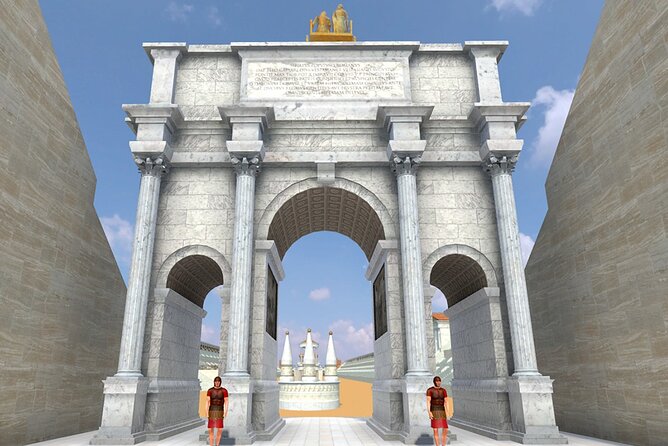
At $35.89 per person for about 2 hours, you are paying for a guided, VR-based experience that includes equipment and staff help. The value equation looks best if you fall into at least one of these buckets:
- You want VR plus interpretation, not just a one-off demo
- You appreciate structured guidance in English
- You are traveling with kids and need an activity that holds attention
The thing to watch is that the entrance ticket to the archaeological area of Circus Maximus is not included. So you should factor that in if you want to add on time at the site itself beyond the VR portion.
Also, drinks and transport are not included. That is normal for this kind of activity, but it means you should plan a simple pre or post snack and decide how you will get there.
In other words, the $35.89 is not paying for a full day of Rome sightseeing. It is paying for a focused, equipment-based experience with guidance and a clear narrative arc.
Practical tips so the VR works smoothly (and you feel good)
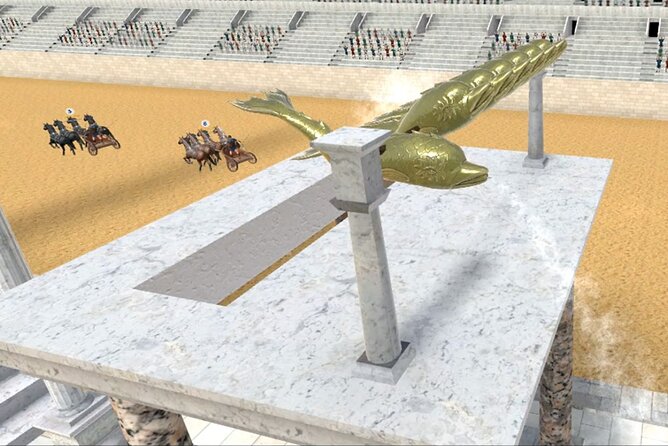
A little prep makes a big difference with VR in a busy city.
Wear comfortable shoes
You are doing enough walking and moving that comfortable shoes matter. You are also meeting near transit, which often means sidewalks, steps, and short transitions between scenes.
Pack light, because bags have limits
Large suitcases and bags are not allowed inside the attraction. If you are on a multi-day trip, store big luggage at your hotel and travel with a day bag.
Bring your patience for the headset
VR is not a quick peek. You will put on the headset for the main arena sequence. If you are sensitive to motion or you do not like wearing gear on your face, consider how you usually react to VR at home. If that is a hard no for you, this activity may not be your best use of time.
Language: English is supported, and you should confirm anything beyond that
The experience is offered in English. The included materials list an integrated audio guide in English and Italian, and a VR assistant in English and Italian.
At the same time, the experience description says it is available in three languages: Italian, English, and Spanish. Since the detailed inclusions list only English and Italian for some parts, I recommend confirming what language coverage you will actually get for the audio and the assistant if you are booking for Spanish support.
Expect a small group
With a max of 25 travelers, the pace tends to be manageable. Still, you should arrive early, because check-in and equipment fitting take time.
Guide style matters: why the staff can make or break it
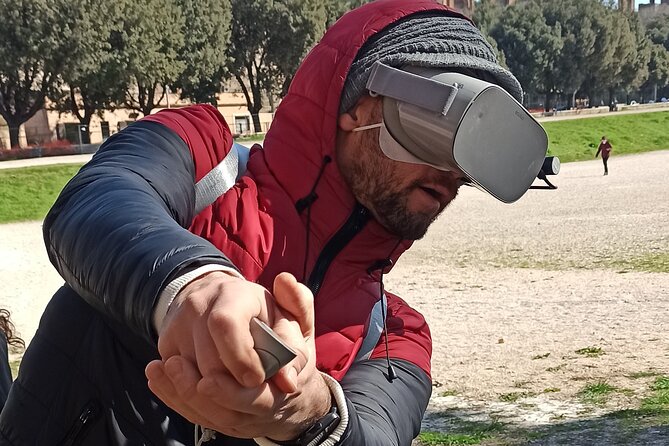
This kind of experience lives or dies on the people running it. When staff are patient, they help you feel confident quickly, especially if you have kids or you are new to VR.
Names like Sara and Alessia show up in the positive feedback, with praise focused on being friendly, engaging, and supportive. Even if the exact guide varies by day, the overall pattern you want to see is clear: calm explanations and solid assistance while the headset is on.
If you like clear directions and a relaxed pace, you are in the right place.
Should you book this Circus Maximus VR experience?
Book it if you want a practical mix of Roman spectacle and modern fun, and you are happy to spend about 2 hours in a guided, VR-based format near the Colosseum. It is especially worth it for families, first-time Rome visitors, and history lovers who prefer stories told with visuals and interaction rather than long lectures.
Skip it, or at least think twice, if you do not enjoy VR experiences, if you need guaranteed support in a specific language beyond what is listed for audio and assistants, or if you are hoping the ticket includes the full archaeological area entrance.
If your goal is a hands-on activity that helps you understand what the Circus Maximus was without turning your trip into a classroom, this one fits nicely.
FAQ
Where is the meeting point?
You meet at Via di S. Gregorio, 58, 00186 Roma RM, Italy. The activity ends back at the same meeting point.
How long is the Rome Circus Maximus VR experience?
It lasts about 2 hours (approx.).
Is it offered in English?
Yes, the experience is offered in English, and the VR assistant and audio guide include English.
What is included with the experience?
Included items are a VR assistant in English and Italian, VR headsets, an integrated audio guide (English, Italian), an eye mask cover for the VR headset, hand sanitizing gel, and RC insurance.
What is not included?
Drinks, transport, souvenir, and a tourist guide are not included. Also, entrance tickets to the Archaeological Area of Circus Maximus are not included.
Are children allowed?
Children under 18 must be accompanied by an adult and bring a valid ID.
Are large bags allowed?
Large suitcases and bags are not allowed inside the attractions.
What is the cancellation policy?
You can cancel for a full refund if you cancel at least 24 hours before the experience’s start time. If you cancel less than 24 hours before, the amount paid is not refunded.
More Tour Reviews in Rome
Not for you? Here's more nearby things to do in Rome we have reviewed












Colosseum Tours, compared.
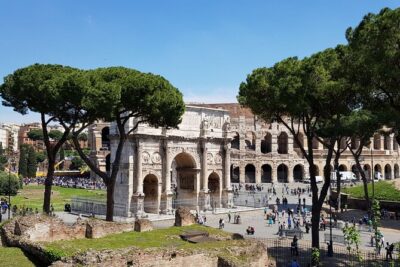 ★ 4.8Colosseum, Palatine Hill and Roman Forum Guided TourFrom $5232,814 reviews
 ★ 4.7Guided Tour of Colosseum, Roman Forum & Palatine HillFrom $5527,897 reviews
 ★ 4.2Colosseum & Forum with Audio Guide App -Optional ArenaFrom $4124,770 reviews
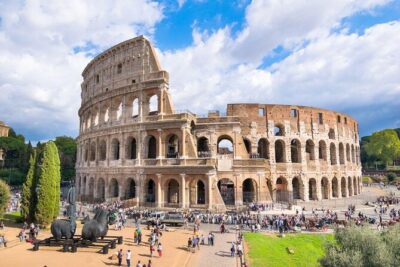 ★ 4.5Colosseum, Roman Forum and Palatine Hill Guided TourFrom $5923,903 reviews
 ★ 4.4Colosseum, Forum & Palatine Hill Tour & Optional ArenaFrom $5813,839 reviews
 ★ 4.6Colosseum, Palatine Hill & Roman Forum Guided TourFrom $5112,703 reviews
 ★ 4.7Colosseum: Underground and Ancient Rome TourFrom $16012,691 reviews
 ★ 4.6Colosseum Arena, Palatine Hill & Forum Guided TourFrom $7310,584 reviews
Browse the lists this tour appears in