
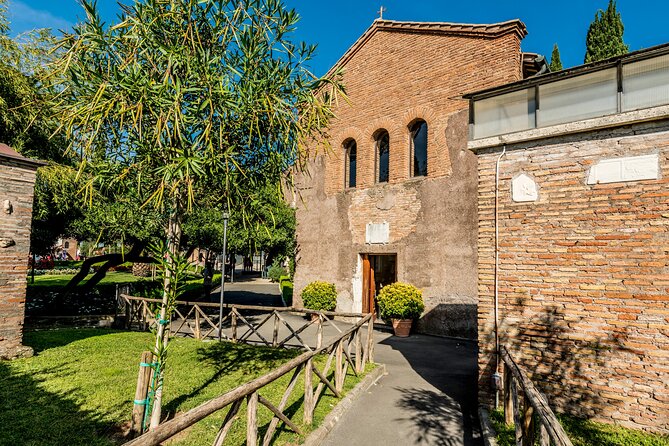
Reviewed · ANCIENT ROME TOURS
Catacombs and Appian way Tour
Rome gets eerie underground. In just 3 hours you hit the best parts of the Appian Way with the Catacombs of Saint Callixtus, plus major stops like the Circus of Maxentius and the Claudian Aqueduct. It is a tight plan that works well when you want big Roman atmosphere without spending an entire day in transit.
I especially like two things. First, you get round-trip transportation from central Rome at Via Cavour, so the day feels efficient. Second, you do not just rush past Appian Way landmarks. You also get a stop at the Tomb of Cecilia Metella, which is often missing from shorter Appian Way itineraries.
One thing to consider: the catacombs are not recommended for anyone claustrophobic, and the underground segment can feel crowded depending on how the catacombs portion is organized.
Key things to know before you go
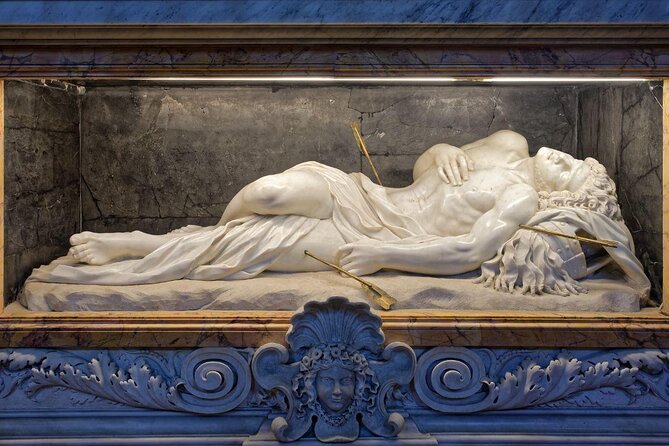
- San Callisto catacombs with pope-era burials from the 2nd to 4th centuries, plus walking explanations underground
- Circus of Maxentius (306 to 312 AD), one of the best preserved ancient circuses in Rome
- Cecilia Metella is included, with an external look at her mausoleum (often skipped)
- Claudian Aqueduct stops for big engineering views, mostly underground and built in 52 AD
- Headsets are provided, which matters when you are walking out of the city and competing with road noise
Why this 3-hour Appian Way combo works
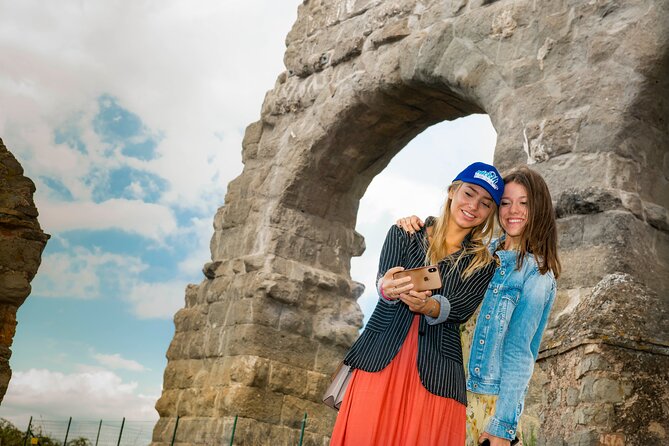
This tour is built for people who like Rome but do not want to sacrifice a full day. In about 3 hours, you get a classic “two worlds” mix: dark, spiritual underground spaces, then daylight Roman roads and infrastructure.
The best value here is how the stops connect. The catacombs set the tone for who lived and died in ancient Rome. Then you move to visible monuments and scale, like the Circus of Maxentius and the Claudian Aqueduct. Even if you only know Rome from the big icons, this route adds texture fast.
You’ll also like the pace. It is not a marathon. The walking segments stay focused, and the big sightseeing moments are spread out so you are not rushing like a check-list robot.
You can also read our reviews of more tours and experiences in Rome.



Getting there from Via Cavour, and what that means for your day
The meeting point is Via Cavour, 224 (00184 Roma RM) and the tour starts at 9:45 am. That timing helps because you hit the Appian Way before the area gets too hot and before your legs feel like they were hired for a second job.
You also get headsets, which is more important than it sounds. When you are outside near roads and stone paths, it is easy to miss details. Clear audio means you actually catch why a place matters, not just what it looks like.
Group size is capped at 25 travelers. In practice, your experience can feel more personal when the group is smaller. Some groups have been very small, including situations where a couple or a family essentially gets their own rhythm with the guide and driver. Still, even in a small group, the catacombs portion can feel tight because you are sharing narrow paths underground.
Catacombs of Saint Callixtus: pope tombs, burial rituals, and practical rules
The tour’s first stop is the Catacombs of Saint Callixtus, also known as San Callisto or the Cemetery of Callixtus. This is one of Rome’s most important pilgrimage sites, and it is not just because it is atmospheric. These catacombs once held tombs of several popes, dating roughly from the 2nd to 4th centuries.
What makes this stop work is the way the guide frames the space. You are not just walking among chambers. You get explanations about burial practices and what the space was used for, plus the legends tied to the site. It turns the underground into a story you can follow.
Photos and video rules
Do expect restrictions. In particular, photos and videos are forbidden inside the catacombs. Plan to put your phone away. It’s for respect, and it also helps you actually look, not screen-record.
How to handle the underground
This part matters for comfort. The tour is not recommended for claustrophobic people, and you should take it seriously. Even if you can handle enclosed spaces, wear shoes you can trust. The ground can be uneven, and you will want stable footing without thinking about it.
If you are prone to feeling “crowded,” arrive with a calm mindset. The catacombs can feel like you are walking through a narrow corridor of history, and depending on how groups are managed, you may be packed a bit tighter than you want.






Circus of Maxentius: standing where games and politics met
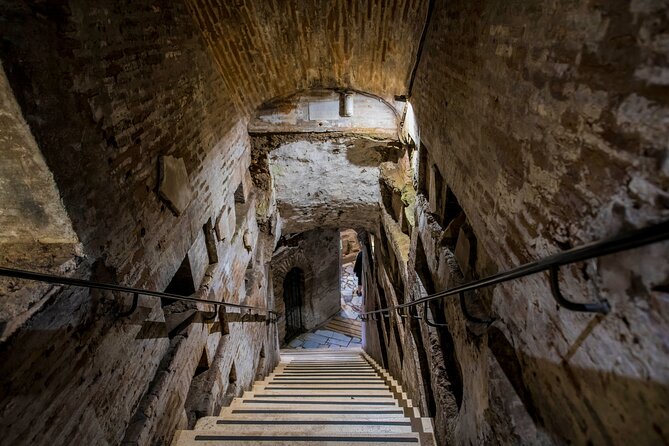
Next up is the Circus of Maxentius, the second-largest circus after the Circus Maximus, but in better condition. It was built between 306 and 312 AD, and it is considered one of the best preserved circuses in Rome.
You’ll see it in relation to nearby sites, which helps the mental map. It sits between the basilica and catacombs of San Sebastiano and near the area connected to the tomb of Cecilia Metella. So even if you do not go inside every structure, the setting tells you what kind of complex this was. Rome did not separate entertainment from power.
For me, what makes a circus stop more than just a background photo is scale. Once you visualize thousands of spectators moving through a space like this, Rome starts to feel less like museums and more like daily life.
Tomb of Cecilia Metella: the stop that other tours skip
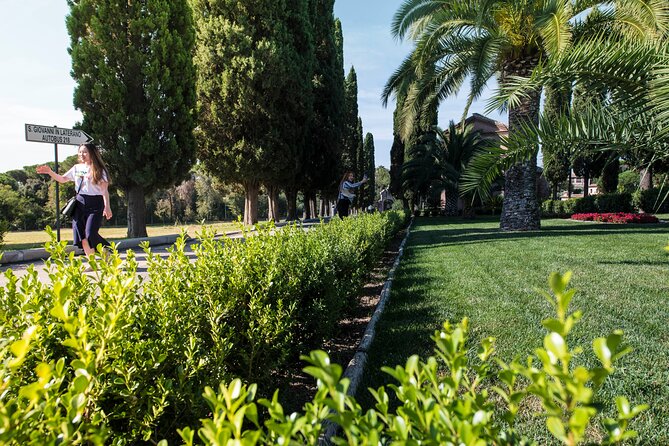
This is the rarity: you get an external visit to the Mausoleum of Cecilia Metella, built in the 1st century BC. The tour explains that it was constructed for Cecilia, daughter of Quintus Caecilius Metellus Creticus, a member of Roman nobility.
Cecilia Metella’s mausoleum is worth including because it is a clear marker on the Appian Way story. It shows how elite families and monument builders shaped the landscape along a road used for military movement and supplies.
It also breaks the pattern. A lot of Appian Way itineraries focus on the road and maybe one big archeological site. Here, you get a more complete sense of the corridor, and you see why Cecilia Metella is mentioned so often in classic discussions of the Appian Way.
Walking the Appian Way: why this road still matters
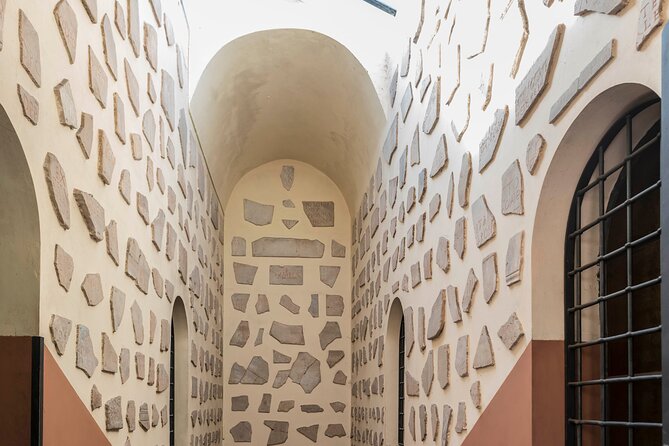
Then you get onto the Appian Way, completed in 312 BC. The tour highlights two reasons the road matters.
Symbolically, all roads may lead to Rome, but the Appian Way is one of the earliest major examples. Strategically, it was the main route for supplies and the military, connecting Rome to Brindisi in southeast Italy.
That combination is the magic. Walking a road like this is not about stepping on old cobblestones only. It’s about understanding logistics. Empires run on routes, and the Appian Way is one of the routes you can still sense in person.
You’ll likely feel the contrast with the city. Rome in the center can be loud and dense. The Appian Way area, even in daylight, has a different rhythm. The tour design leans into that, giving you a real change of pace rather than another quick photo stop.
Claudian Aqueduct: 40 miles of engineering, mostly underground
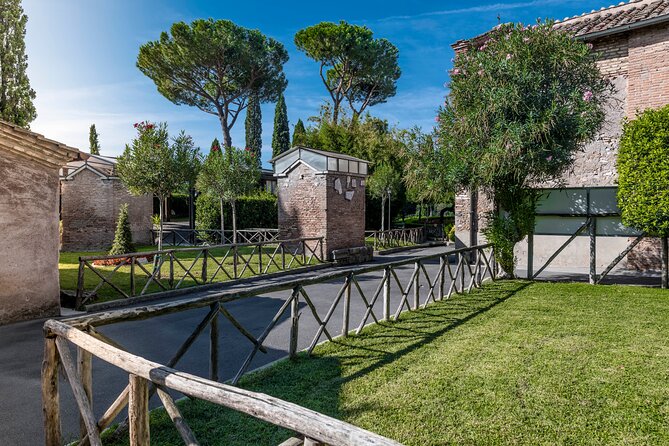
The last major sightseeing stop is the Claudian Aqueduct, erected in 52 AD. The aqueduct spanned over 40 miles, and a large portion of that distance was underground.
The tour positions it as one of the four great aqueducts of Rome, and it makes a good point: by the 3rd century AD, Rome had a total of 11 aqueducts. That is how you go from one impressive structure to an entire urban system built to keep the city supplied.
You only spend about 30 minutes here, so do not treat it like a full museum visit. Treat it as a chance to connect the engineering to the city scale you know. When you see how far water had to travel, you start to understand why Rome could grow the way it did.
Is $77.14 worth it? Tickets, time, and real value
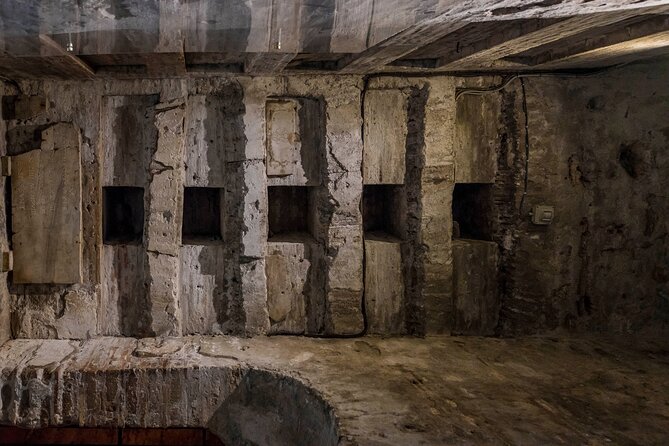
At $77.14 per person for roughly 3 hours, this is not a “cheap bus ride” price. But it can be good value if you care about two things: interpretation and access.
Here’s what you get for your money:
- A licensed guide with headsets
- Round-trip transport from central Rome at Via Cavour
- Admission ticket included for the Catacombs of Saint Callixtus
- The other major stops are listed as admission free (you are seeing them externally or stopping for views)
For a lot of Rome experiences, the biggest hidden cost is your time. Travel to outlying sites can eat half a day. This tour avoids that by bundling several Appian Way highlights into one compact morning format.
Also, the timing is set up for first impressions. Catacombs early tends to feel less chaotic, and Appian Way daylight makes the walking section easier to appreciate.
Tour logistics you should plan around
A few practical notes that help you get the most out of the morning.
First, wear shoes built for stone paths. Even with a short walking window, cobblestones and uneven surfaces can slow you down if you are in soft sneakers.
Second, the catacombs are controlled and rule-driven. Photos and video are forbidden, and the space itself can feel tight. If you are someone who needs space to feel comfortable, skip this or ask your doctor if claustrophobia is an issue for you.
Third, check how the catacombs segment is handled in your specific group. Some visitors have found the catacombs portion arranged in a separate group and not always the size they wanted. It usually still works, but if you dislike crowds, go in with that expectation.
Finally, you’ll want patience if your guide begins after the group gathers. There have been reports of minor lateness on some departures, but the upside is that the guide time generally aims to make up for it once everyone is together.
Should you book this Catacombs and Appian Way tour?
Book it if you want a fast, meaningful Appian Way taste without building a half-day itinerary yourself. I think it’s a strong choice if you care about interpretation, not just landmarks, because the catacombs stop and the road stops are explained in context.
Skip or think hard if you are claustrophobic or sensitive to enclosed underground spaces. The catacombs are the emotional core of this tour, and the tour itself is clear that it is not recommended for that condition.
One more deciding tip: if you can, choose this over DIY if you value guided continuity. A guided morning helps you connect the pope-era catacombs to the Circus of Maxentius, then to Cecilia Metella, and finally to the Claudian Aqueduct, all along the Appian Way corridor.
If your goal is a compact morning with big Roman atmosphere, the Catacombs of Saint Callixtus plus Appian Way combo is a very workable way to do it.
More Tours in Rome
More Tour Reviews in Rome
Not for you? Here's more nearby things to do in Rome we have reviewed












Ancient Rome Tours, compared.
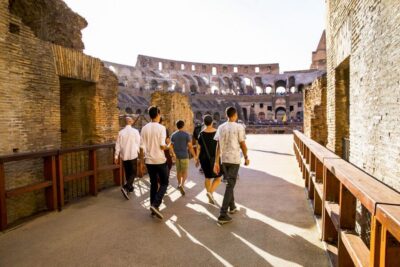 ★ 4.7Colosseum: Underground and Ancient Rome TourFrom $16012,691 reviews
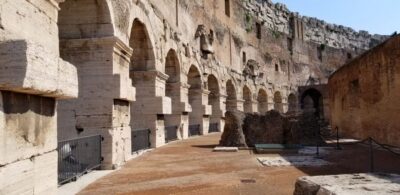 ★ 4.4Colosseum, Ancient Rome Tour or Self AudioGuided TourFrom $392,866 reviews
 ★ 4.9Appian Way, Catacombs, & Roman Aqueducts E-bike TourFrom $851,421 reviews
 ★ 4.9Appian Way E-bike Tour with Catacombs, Aqueducts & FoodFrom $961,210 reviews
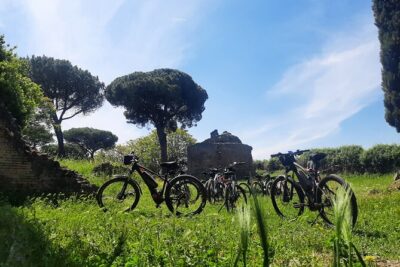 ★ 5.0Appian Way Aqueducts Bike Tour (Catacombs & Lunch Option)From $78975 reviews
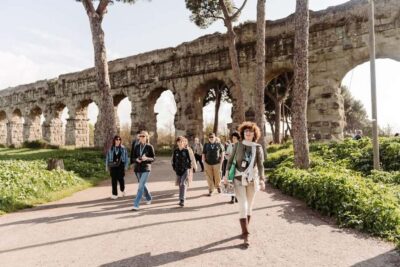 ★ 4.7Appian Way, Aqueducts, and Catacombs TourFrom $64942 reviews
 ★ 4.7Caracalla Baths & Circus Maximus — Private or SharedFrom $77835 reviews
 ★ 4.7Colosseum Arena Access and Ancient Rome Guided TourFrom $94774 reviews
Browse the lists this tour appears in