

Reviewed · MUSEUMS
Capitoline Hill and Museums Official Entry
Capitoline Hill is where Roman art turns into a story. This official entry gets you into Musei Capitolini for an easy 1 to 2 hour visit, on one of the most historic spots in Rome, where famous collections have been on display since the 1700s. If you want a museum stop you can shape around your energy, this one fits well.
I really like two parts of this experience: the admission ticket is included, so you are not scrambling for entry at the last minute, and the art and sculpture focus gives you plenty to see even if you only have a short window. Reviews also highlight that the staff can be kind and helpful, which matters when you are figuring out your way through a big site.
One drawback to consider is that this is not a guided tour, so you will be relying on your own pace and information. Also, since your visit depends on getting your ticket sorted ahead of time, plan for tech glitches, especially if you are expecting a downloadable voucher or a smooth app experience.
Key highlights to plan around

- Included Musei Capitolini entry, so you buy time, not hassle
- Self-paced visit, which is great if you hate rushing, but you skip a guide
- Albani collection roots, tied to Pope Clement XII and a major art transfer from private collecting
- Sixtus V sculpture donation, a reminder that Rome’s museums were built to share art with the public
- Staff help on site, plus a chance to add lunch with a view nearby
Capitoline Hill Museums: why this hillside matters

Capitoline Hill is not just a convenient museum address. It is a place that feels like Rome condensed into a vertical timeline, ancient stories layered under renaissance rearrangements and modern visitor routes. When you step into the Capitoline Museums area, you are not only visiting a building, you are entering a whole tradition of collecting and displaying art in Rome.
This is also one of those museum experiences where your expectations matter. Go in thinking you will see a few standout things and then wander. If you try to cram every room in one go, you will end up tired and a bit cranky, because the museum is genuinely large. The good news is that it is easy to steer your visit by picking a few goals and leaving space for surprises.
You can also read our reviews of more museum experiences in Rome



Musei Capitolini in 1 to 2 hours: English and self-paced entry
Your visit is designed to run about 1 to 2 hours, which is an honest time frame for this kind of stop in central Rome. You get entry to Musei Capitolini in English, and then you are free to move at your own speed. That matters because sculpture, paintings, and smaller displays each reward different rhythms. Some people want to linger, others want to zip from room to room. This option lets you do that.
A self-paced museum visit is ideal if you:
- enjoy reading labels at your own pace
- want to pause for photos without someone counting down
- have other nearby sights and need a flexible block of time
It is less ideal if you want a live narrative to guide you room by room. One key point here is that this is not a guided tour. If you are the type who likes to have someone explain the why behind the objects, you may want to pair this official entry with another guided option on a different day, or plan to spend more time with the museum information you can access once you are inside.
The heart of the museum: Albani’s collection and Sixtus V’s gifts
What makes Musei Capitolini special is the origin story behind its collections. In 1734, Pope Clement XII purchased the prestigious antiquities collection of Cardinal Alessandro Albani. That collection was about to be bought up by English collectors, and instead Pope Clement XII opened it to the citizens. It is often described as the oldest public museum in the world, and you can feel that purpose in the way the museum presents its treasures.
Then there is the other major thread: along with the Albani collection, you also have ancient sculptures that were donated by Sixtus V to the Roman people. That pairing is important. It is not only about famous objects, it is about how Rome built a public-facing art culture, then kept expanding it over time.
Why should you care about this background? Because it changes how you look. When you know you are walking through collections that were meant for public access long ago, you stop treating the museum like a storage room. You start treating it like a living cultural project, one that Rome continues to maintain.
A realistic way to see it: pick targets, then let the museum surprise you
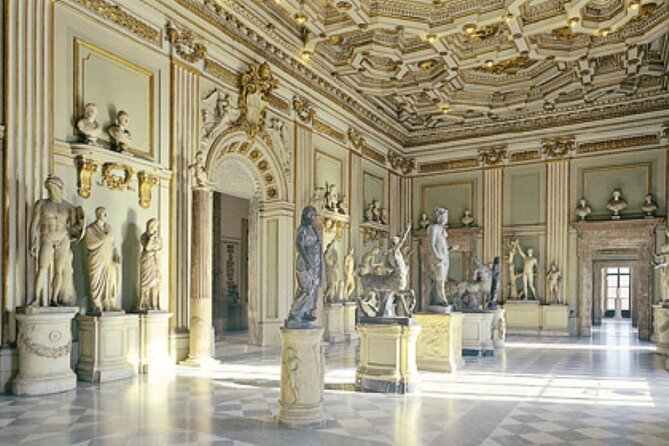
Since you are self-paced, I suggest a simple strategy: choose a few targets before you enter, then give yourself permission to wander.
Here is a practical approach that works well for a 1 to 2 hour visit:
- Start with the pieces you most want to see, usually the big sculpture highlights that draw first-time visitors.
- Spend your “middle” time in the rooms that support your main interest. If you love sculpture, focus on sculptural galleries. If paintings catch your eye, shift your pace accordingly.
- Save your last 15 to 20 minutes for slower browsing, because this is when you often find the small details that make the visit feel personal.
One review described the museum as overwhelmingly large but worthwhile, especially if you know what you want and have time for a few surprises. That is the sweet spot. If you walk in without a plan at all, you may end up bouncing around, seeing a little of everything and nothing long enough to stick.
Also, keep your eyes open for variety. Reviews mention sculptures plus paintings and tomb-related material. That mix can be a pleasant surprise if you thought it would be sculpture only.
Staff help, plus a lunch stop that actually makes sense

Musei Capitolini is the kind of place where staff can make the difference between a smooth visit and a stressful one. Multiple reviews mention that the staff are kind and helpful, and that is not a small detail. When you are dealing with a large museum, having supportive people nearby helps you get oriented faster.
And yes, there is a practical bonus: you can pair the museum with lunch. One review specifically called out an excellent lunch restaurant with a lovely view. That kind of add-on is worth thinking about because it turns your visit from a quick ticket-and-photos stop into a real Rome break. If you are planning your day around Capitoline Hill, keep room for food, even if it means arriving slightly earlier so you are not hungry and rushing.





Price and logistics: what you are paying for, and how to avoid ticket-day stress

Let’s talk value. This experience includes entry to Musei Capitolini, and that is the core product. You are not getting private transportation. You are also not getting a guided tour included with your ticket. So the value is strongest if you are comfortable doing a self-guided visit and you simply want official entry handled.
Where value can slip is logistics. Several reviews describe ticket delivery problems, like a voucher PDF that could not be downloaded or an app that did not work at the museum. The message there is simple: do not assume your ticket will magically work on your phone.
Here is what I recommend you do to protect your day:
- When you receive your confirmation, check the ticket access right away.
- Save the ticket information offline if possible, like screenshots or a properly accessible document.
- If printing is an option for you, do it. A physical backup beats stress.
- Have a plan for what you will do if your ticket will not load. Showing up ready to speak with staff at the ticket desk is far better than spending your time stuck trying to fix a file.
Because this is self-paced and entry-focused, you want your first 10 minutes to be calm. If you start the visit fighting your phone, you lose the whole mood.
One more logistical note: the experience is near public transportation, and service animals are allowed. That helps if you are moving around Rome by bus, metro, or on foot. Also, confirmation is supposed to come at the time of booking, so you should not be waiting until the last minute to find out what you are expected to show.
Who this is best for, and who should look elsewhere

This is a good match if you:
- want an official entry to Musei Capitolini without committing to a full guided tour
- have 1 to 2 hours and want a solid museum hit on Capitoline Hill
- prefer to move at your own pace, especially for sculpture and label reading
- appreciate the Albani and Sixtus V collection backstory, or at least enjoy learning as you go
It is not the best fit if you:
- need a guide to explain context and point you to the most meaningful objects
- are likely to struggle with ticket access on your device and you cannot easily provide an alternate way to show entry
- are traveling with very strict timing and hate any chance of uncertainty
The good news is that many visitors can participate, and the museum is a well-known destination, so you will have plenty of chances to get help. Still, self-paced means you are responsible for your flow.
Should you book this official entry to Musei Capitolini?

I would book it if your goal is simple: get into Musei Capitolini with an entry ticket included, spend 1 to 2 hours in your own style, and enjoy a museum rooted in serious collections. The Albani story, the public mission dating back to 1734, and the connection to Sixtus V give you more than a random museum stop. You are stepping into a place with purpose.
I would hesitate if you are booking with a ticket delivery method that worries you. If you hate tech, plan on printing a backup or at least making sure you can access the ticket without the internet. The museum itself sounds wonderful, but ticket-day friction is not worth gambling on.
If you are weighing this against a guided option, think of it like this: take this official entry when you want freedom, add a guided tour when you want interpretation. Together, they can make a great Rome museum day.
FAQ
How long is the Musei Capitolini visit?
The experience is listed for about 1 to 2 hours.
Is this visit offered in English?
Yes, the experience is offered in English.
Is there a guided tour included?
No. This is an unescorted experience that includes your entry tickets, so you will explore on your own.
What’s included in the experience?
Entry to Musei Capitolini is included.
Is private transportation included?
No. Private transportation is not included.
Is this experience refundable?
No. It is non-refundable and cannot be changed for any reason.
If you tell me what day of the week you’re going and what else you want to see nearby (Colosseum, Forum, Vatican, Trastevere), I can help you shape a realistic order so Capitoline Hill fits smoothly.
More Museum Experiences in Rome

More Tour Reviews in Rome

Not for you? Here's more nearby things to do in Rome we have reviewed












Museums, compared.
 ★ 4.5Vatican: Museums & Sistine Chapel Entrance TicketFrom $38144,003 reviews
 ★ 4.3Vatican Museums & Sistine Chapel Tour with Optional BasilicaFrom $7967,413 reviews
 ★ 4.5Vatican Museums, Sistine Chapel & St Peter’s Basilica Guided TourFrom $2239,149 reviews
 ★ 4.3Vatican Museums, Sistine Chapel & Basilica TourFrom $13013,872 reviews
 ★ 4.4Vatican Museums & Sistine Chapel Skip-the-Line Entry TicketFrom $4313,838 reviews
★ 4.7Vatican Museums, Sistine Chapel & Basilica TourFrom $7213,217 reviews
Vatican Museums & Sistine Chapel Guided TourFrom $11812,117 reviews
 ★ 4.2Vatican Museums & Sistine Chapel Skip-The-Line TicketFrom $4111,708 reviews