
Reviewed · ANCIENT ROME TOURS
Exclusive tour of Ancient Rome and Domus Tiberiana
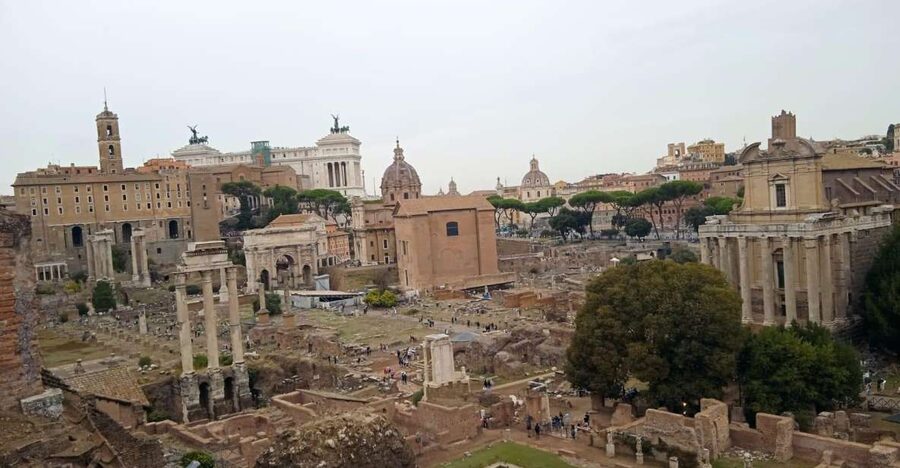
Palatine Hill turns Rome’s legends into bricks. This exclusive, archaeologist-led tour centers on Palatine Hill and the Roman Forum, with Domus Tiberiana reintroduced after decades closed to the public. You also get standout viewpoints toward Circus Maximus, the huge chariot-racing venue that still helps you picture how Rome worked.
I especially like the way the guide explains what you’re seeing as you walk, not just dates on a wall. In the Forum and on the imperial slopes, you’ll spend time on the why behind the architecture, including restricted areas tied to the imperial palaces.
One consideration: the experience is not ideal if you need wheelchair access, and the site security is airport-style. Also, there’s no food or drinks included, so you’ll want to plan what you do before or after.
Key things I’d circle before you go
- Expert archaeologist guidance that keeps the Forum and Palatine Hill making sense as a living city
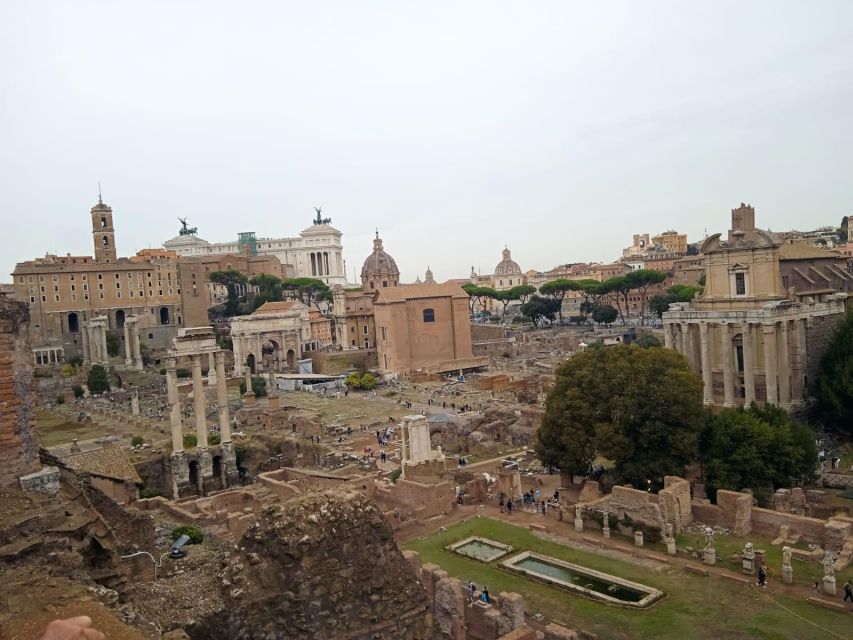
- Domus Tiberiana’s restoration story, including its multi-level arches and the scale of the residence
- Priority access for views over the Forum and toward Circus Maximus, so you can see without constant repositioning
- Restricted imperial areas, where you can better understand how emperors lived and ruled
- A short, focused 2 to 2.5 hour format, ideal when you want big impact without an all-day commitment
Palatine Hill and the Roman Forum, the Rome power route
If you only have a slice of time, this is one of the smartest ways to spend it. Palatine Hill is one of Rome’s seven hills, but it is also where emperors made their headquarters feel permanent. The Roman Forum, meanwhile, is the public heart. On this tour, you connect those two worlds, so you can see how decisions were made and where the ruling class controlled the city.
Expect to walk through the monumental remains in a way that feels guided by cause and effect. The Forum is not just big columns. It was political, legal, and ceremonial space, and your guide’s job is to connect buildings to the people who used them. On Palatine Hill, you move closer to the residential and imperial side, including areas tied to palace life that are often restricted or harder to access on your own.
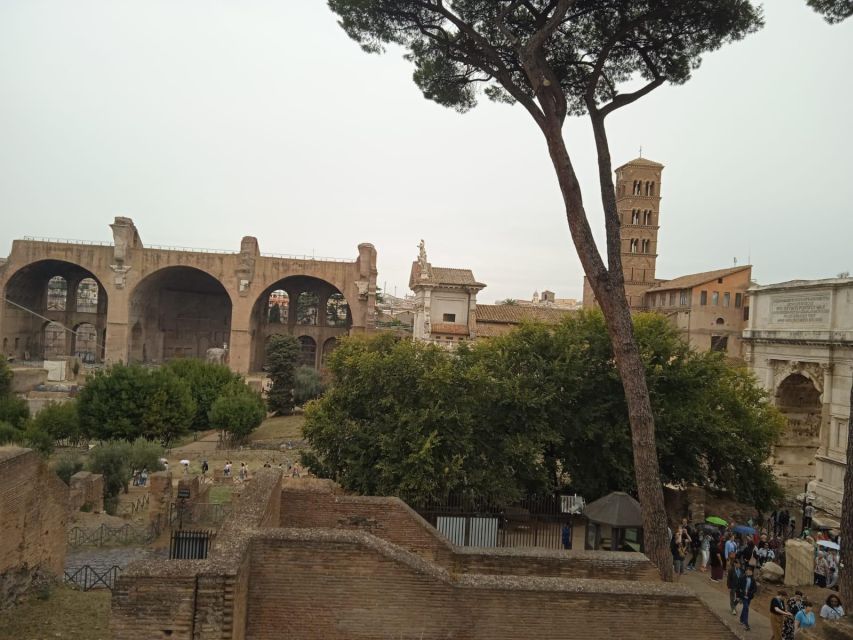
You’ll also get stunning viewpoints aimed over the Forum and toward Circus Maximus. That matters because the ancient city is hard to fully understand from one angle. These sightlines help you rebuild the layout in your head, where the public spaces sit below the power structures.
You can also read our reviews of more tours and experiences in Rome.

What you really get from priority access at the Forum
Skip-the-line access sounds small, but it changes the tone of your visit. When you arrive and the clock is ticking, crowds can turn Rome into a photo sprint. With this tour’s priority access, you spend less time stuck at entry points and more time on the key viewpoints and ruins.
Here’s the practical part: the Roman Forum has a lot of sightlines that only work if you get in the right place at the right moment. This tour is designed around that idea, including priority access to Forum and Circus Maximus views. You’ll likely find it easier to track what your guide is referring to because you are not constantly moving with the flow of lines.
Also, the pacing is a big deal on an experience that runs only 2 to 2.5 hours. You do not want to spend half of that time circling for the next angle. Priority access helps keep the tour feeling like a coherent story.
Domus Tiberiana: why this restored residence is worth your attention
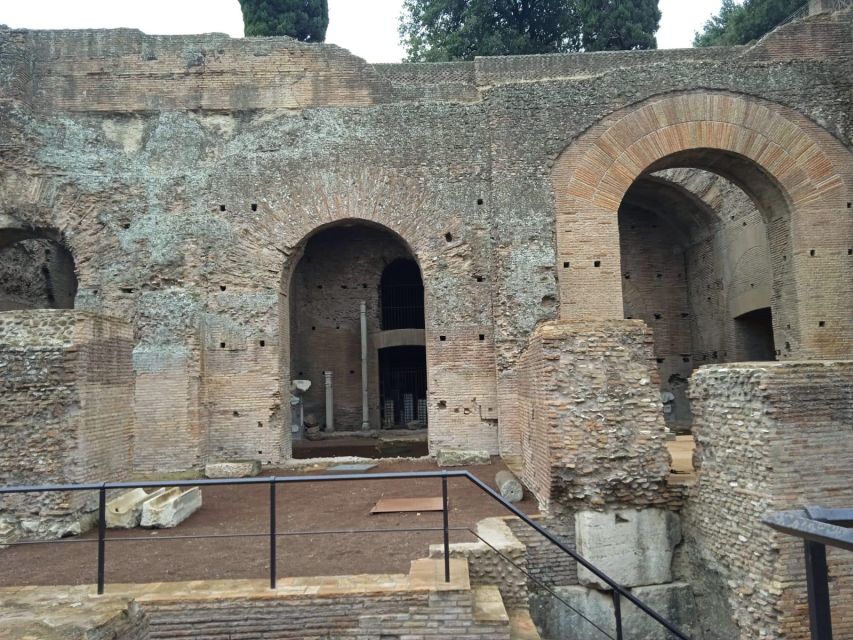
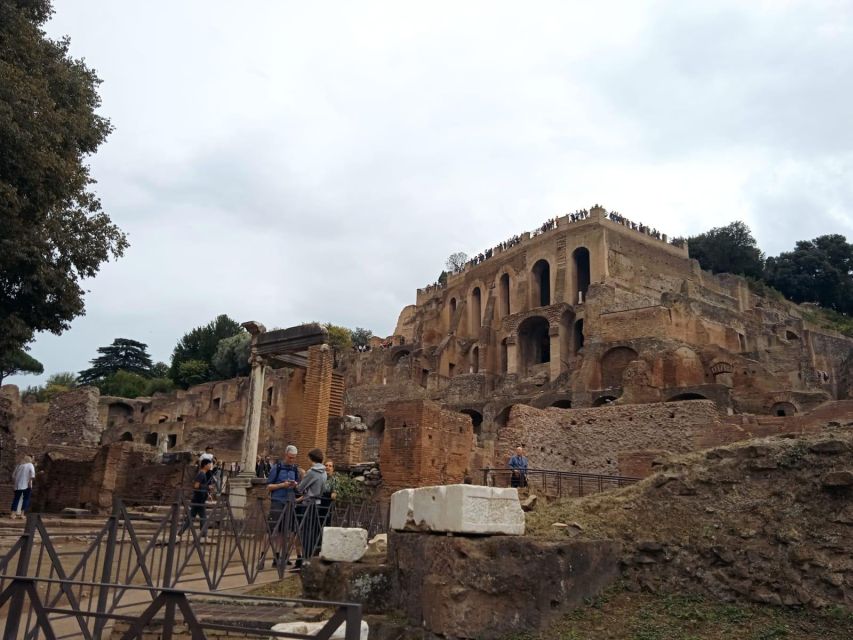
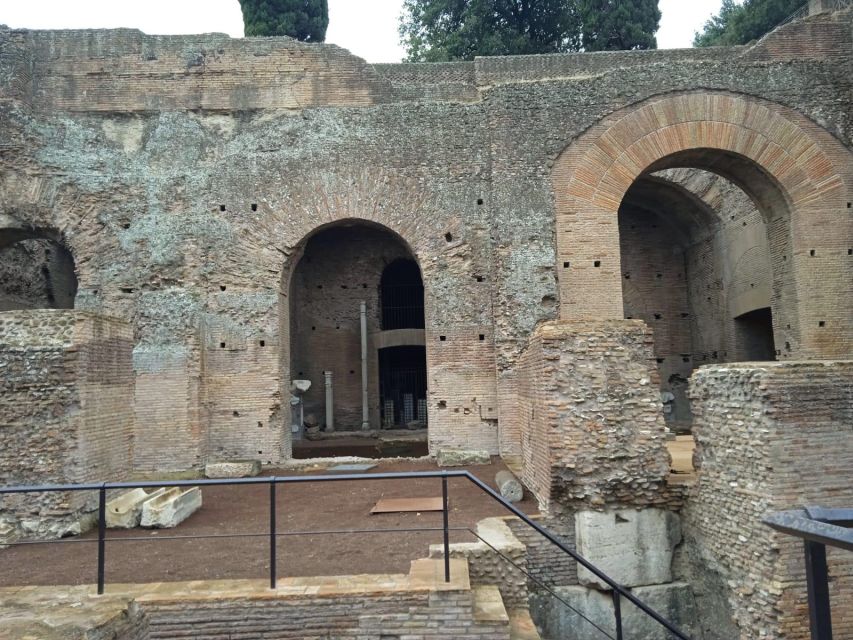
Domus Tiberiana is the star for anyone who cares about the imperial layer of Rome. This is described as a grand residence of about 4 hectares, and your guide focuses on the features that make it distinctive: the multi-level arches overlooking the Roman Forum.
What makes this stop special is the context. The Domus Tiberiana was closed to the public for nearly 50 years due to structural issues, then it underwent significant restorations. That means you are seeing a site in transition, where restorations are bringing long-unseen areas back into the visitor experience.
You will want to pay close attention to how your guide explains the “shape” of the residence. When you understand its scale and its layered design, the ruins stop looking like random walls. They start looking like a functioning home built to watch over the city. The Domus Tiberiana location also reinforces the theme of the day: emperors were not just ruling from a distance, they were positioned above the Forum, literally overlooking the center of Roman public life.
Circus Maximus viewpoints, the scale you can feel
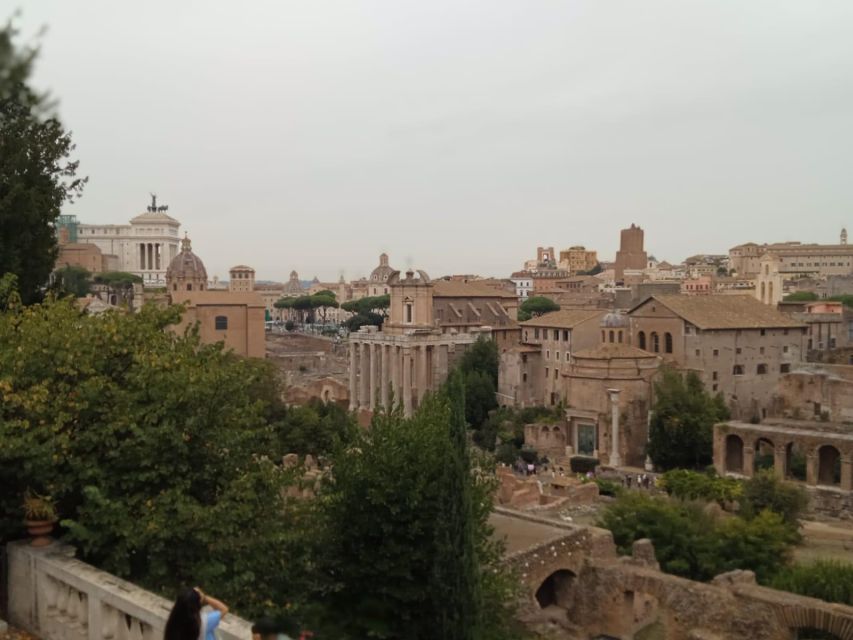
Even if you’ve seen photos of Rome’s big ruins, Circus Maximus is one of those places where perspective clicks in person. The tour frames it as the world’s largest amphitheater, and the viewpoint is there for a reason.
From higher ground near Palatine Hill, you can better picture how the chariot racing space fit into the wider city plan. And since you’re visiting Palatine Hill and the Forum in the same session, the Circus Maximus look becomes more than a scenic bonus. It becomes part of the story of public entertainment and civic life under imperial rule.
I like that the tour does not treat Circus Maximus as an afterthought. It’s built into the viewing rhythm, tied to the Forum below.
Restricted imperial palaces on Palatine Hill
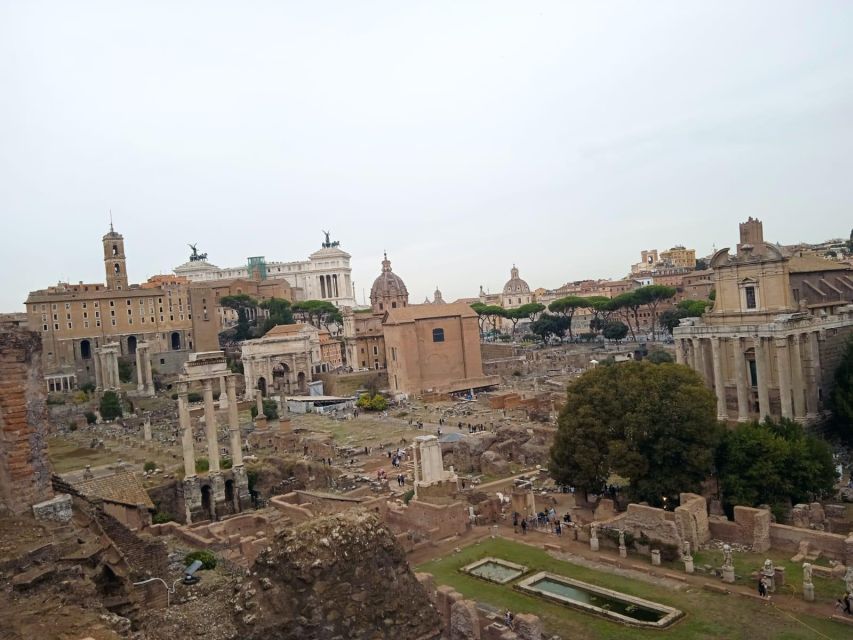
Palatine Hill can feel like “just ruins” until you get the right guidance. What makes this tour different is that it includes an exploration that reaches into restricted areas of the imperial palaces. Those spaces are often not the first thing you see on a standard walk-up visit.
What you’ll likely notice is how your guide translates the architecture into daily life. Emperors had to live, manage staff, host, and project authority. Multi-level structures and vaulted passages are not only impressive. They were built to support movement, access, and control inside the palace zone.
This is also where you start to understand how the Forum and Palatine Hill relate. The Forum is where public business played out. The palaces are where power organized that public world.



The tour guide makes the Forum click, Dino and Donnatella
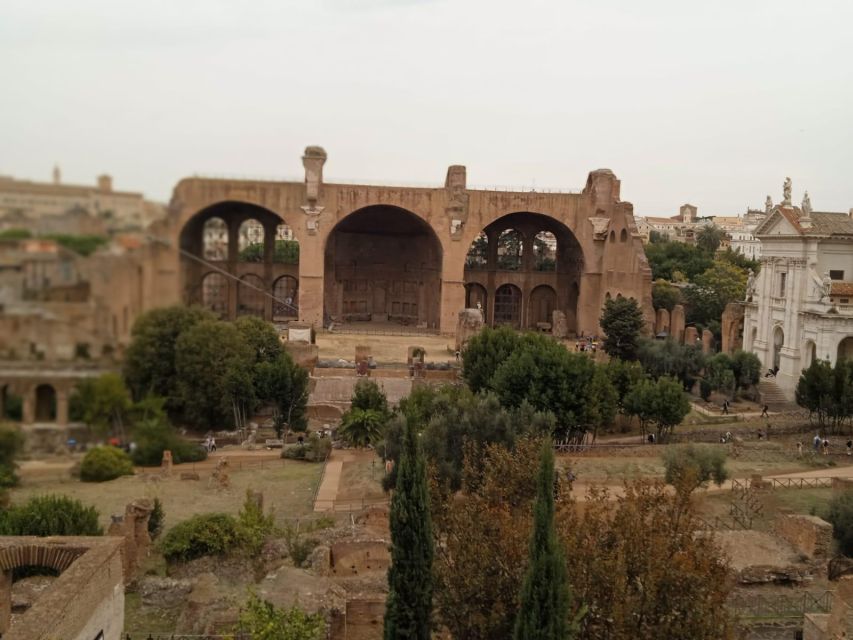
This experience is led by a professional, local, expert guide. The difference shows up fast in how the tour is explained.
Dino, for example, is highlighted for being charming and knowledgeable, with a knack for making the Forum and Domus Tiberiana feel connected. One of the most useful patterns I’d look for in a great guide is how they explain what has been explored recently. In this tour format, you get extra time spent on context around those portions that may not be familiar to first-time visitors.
Donnatella is praised for how she handles questions and personal concerns, then turns that attention into better understanding of what you’re seeing. That matters on archaeological sites, where it’s easy to feel lost if you only get a quick description.
If you care about turning Roman ruins into a mental map, pick a time slot where the language you want (Italian or English) matches your comfort level. You’ll get the most out of these sites when the narration is coming easily.
Price and value for a $99.92, short Rome hit
At $99.92 per person, you’re paying for three things at once: a professional guide, admissions to Roman Forum and Palatine Hill, and the experience-style access that keeps the visit efficient.
If you try to DIY it, you can absolutely see a lot. But you’ll usually spend time learning what you’re looking at on the fly, and that can dilute the payoff when you are standing in a huge, layered site. Here, the guided approach is doing the heavy lifting. You’re not just moving between monuments, you’re getting the reasoning behind them.
Also, the tour includes skip-the-ticket-line handling and emphasizes priority viewpoints. Those small operational advantages add up when you only have a couple hours.
Is it expensive? In the context of quick photo visits, yes. In the context of a focused Roman Forum and Palatine Hill deep-learning session with restored-domus access, it’s strong value.
Who this tour is best for
This one fits best if you want a high-impact ancient Rome experience without committing to a full day. If you care about how emperors lived alongside the machinery of public life, you’ll like the Palatine Hill and Domus Tiberiana focus.
It is also a good choice if you appreciate archaeology that’s happening in real time. The Domus Tiberiana restoration angle gives the visit a “now” feel, not just a museum-style overview of the past.
The tour is not suitable for wheelchair users, and it is not suitable for people with recent surgeries. If your mobility is limited or you have medical constraints, double-check that the walking and security screening fit your needs.
What to know before you go (so nothing slows you down)
Plan around security. All visitors must pass through airport-style security, and there are restrictions on what you can bring. You’ll want passport or ID card ready, since it is required.
Luggage or large bags are not allowed, and drones are also not allowed. Alcohol and drugs are prohibited, along with explosive substances. This is standard for many major heritage sites, but it can catch people off guard if they show up with a day bag that turns out to be “too big.”
Finally, this tour does not include food or drinks. That’s not a reason to skip it, but it does mean you should arrange your schedule so you are not hungry and distracted.
Should you book this Exclusive tour?
I’d book it if you want a guided Roman Forum and Palatine Hill walk with real structure and a focus on imperial life, not just highlights. The restored Domus Tiberiana component is the kind of detail that makes a short tour feel more special, especially when it’s paired with expert context.
Also, the guide-driven quality matters here. With a 4.9 rating from past participants, and praise for guides like Dino and Donnatella, this is the kind of tour where the explanation tends to carry the experience.
Skip it if you need wheelchair access or if recent surgery makes the walk and security process a bad match. If you want a slow, flexible wander with no timing pressure, you might find the short duration limiting.
If you’re deciding today and you like the idea of seeing how Rome’s power sat above its public center, this is a smart pick.
More Tours in Rome
More Tour Reviews in Rome
Not for you? Here's more nearby things to do in Rome we have reviewed






Ancient Rome Tours, compared.
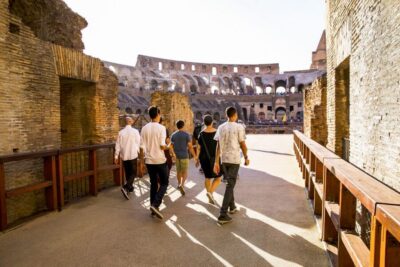 ★ 4.7Colosseum: Underground and Ancient Rome TourFrom $16012,691 reviews
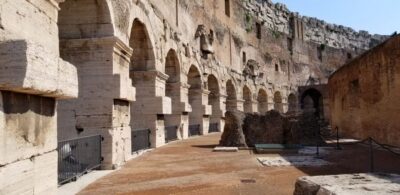 ★ 4.4Colosseum, Ancient Rome Tour or Self AudioGuided TourFrom $392,866 reviews
 ★ 4.9Appian Way, Catacombs, & Roman Aqueducts E-bike TourFrom $851,421 reviews
 ★ 4.9Appian Way E-bike Tour with Catacombs, Aqueducts & FoodFrom $961,210 reviews
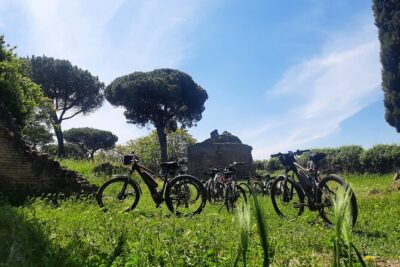 ★ 5.0Appian Way Aqueducts Bike Tour (Catacombs & Lunch Option)From $78975 reviews
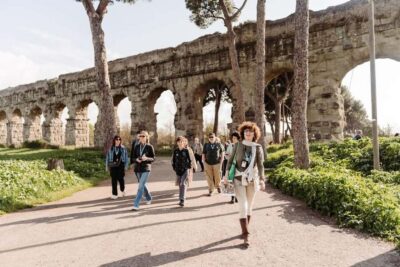 ★ 4.7Appian Way, Aqueducts, and Catacombs TourFrom $64942 reviews
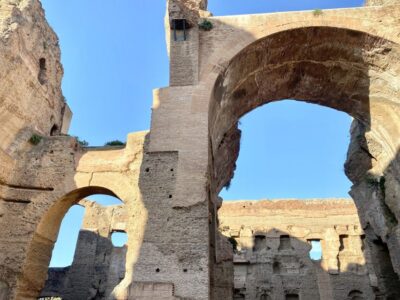 ★ 4.7Caracalla Baths & Circus Maximus — Private or SharedFrom $77835 reviews
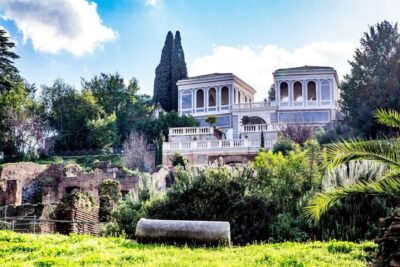 ★ 4.7Colosseum Arena Access and Ancient Rome Guided TourFrom $94774 reviews
Browse the lists this tour appears in