
Reviewed · ROME
Best neighborhoods of Rome by Mini Cooper Classic Cabriolet
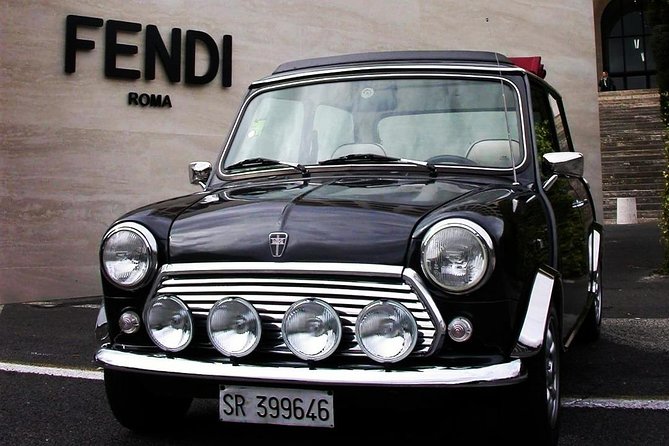
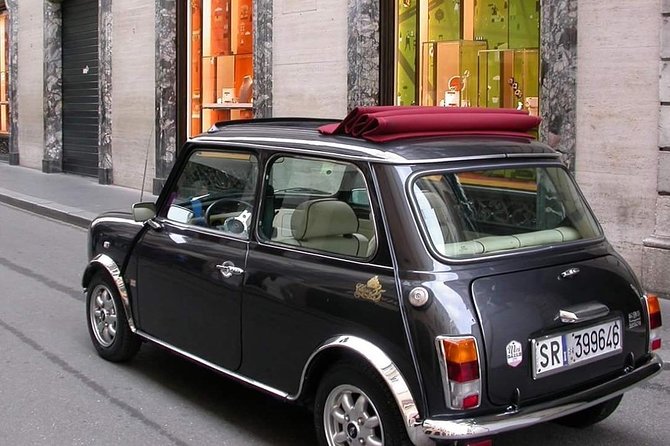
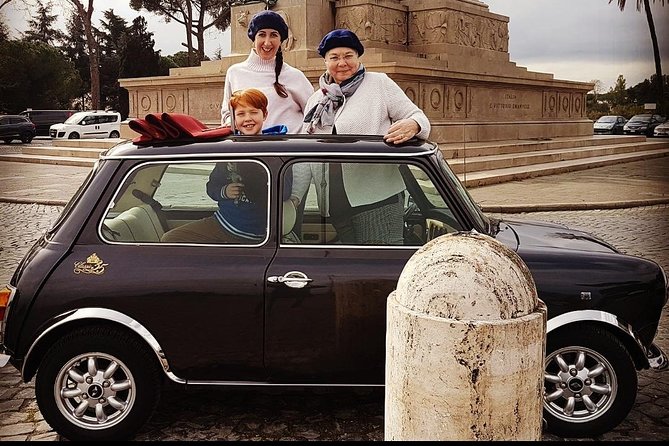
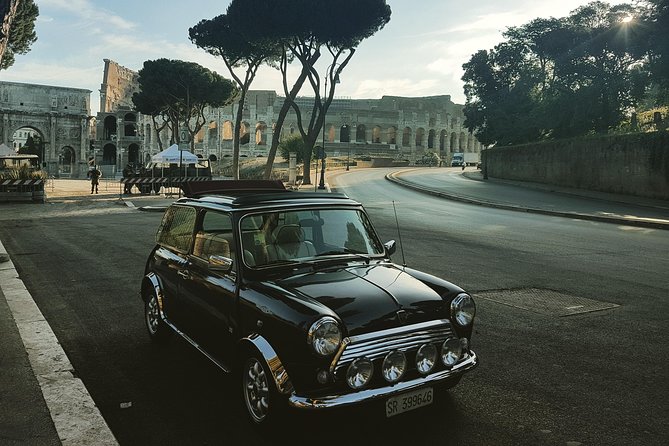
Rome from a mini cabriolet changes your pace. You trade long walks for open-air unobstructed views and quick stops in areas most visitors skip. It is a smart way to see Rome’s older neighborhoods, plus 20th-century districts, without feeling dragged through the usual highlight checklist.
I especially like the private tour setup, because the guide can keep things relaxed and flexible while you get photo angles you cannot get from a bus. The other big win is the driver-turned-guide, with Luca, who knows Rome’s story and how to show it in real streets, not just signs. One thing to consider: the stops are brief, about 10 minutes each, so this is best for looking, photographing, and learning fast, not for long museum-style visits.
If you want a calm, scenic loop that feels local, this Mini Cooper classic cabriolet tour can do exactly that. It runs on a set schedule, and you’ll want to plan around the morning and afternoon windows to match your energy. And since it is open-top, you will likely feel the weather more than you would in a closed car.
Key things to know before you ride
- Open-top Mini Cooper for Rome views: easier photos and sightlines than typical vehicles.
- Private, English-guided pace: you get your own rhythm instead of a group stampede.
- Mix of eras: older neighborhoods plus a Fascism-era district stop.
- Local hangouts, not only landmarks: Ponte Milvio, Trastevere, and Monti show daily life.
- Drinks and coffee included: bottled water, coffee or tea, plus alcoholic beverages on board.
- Short stops by design: around 10 minutes each, great for orientation, not for slow sightseeing.
Why a classic Mini cabriolet makes neighborhood sightseeing click
Rome can feel like two different cities. In the historic center you get crowds, tight sidewalks, and the same camera angles over and over. Out in the surrounding neighborhoods, you get real street rhythm, different architecture styles, and side streets where locals actually live.
This tour takes you exactly into that second Rome. The open-top Mini Cooper Classic Cabriolet turns the ride itself into a viewpoint. Even when you are not stopping, you are moving with your guide through the city, so you see how neighborhoods connect. That matters in Rome, where one street can feel totally different from the next.
Two more practical perks I value:
- Quick photo stops mean you can get the shot without the big time drain of parking and walking.
- The pace is “see and understand,” with a guide who turns what you look at into context. Luca’s style comes through in how he points out what to notice and then quickly ties it to how the area works today.
The one drawback is also simple: because you have multiple stops, each stop is short. You will not get a long, slow walk through one neighborhood. If you are the type who likes to linger at every church facade, you may find yourself wishing you had more time.
You can also read our reviews of more tours and experiences in Rome.



Price and value: what your $210.51 per person is buying
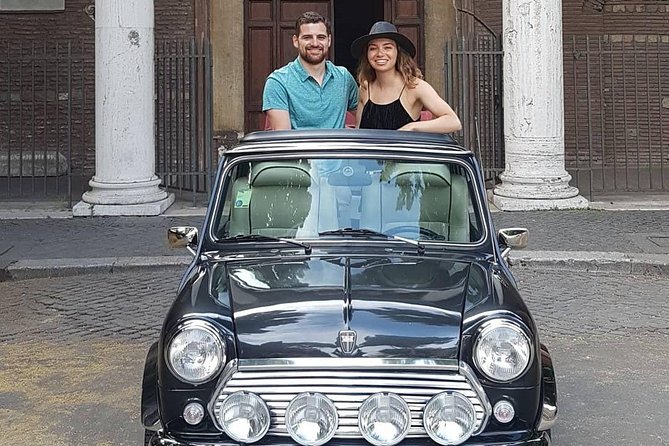
At $210.51 per person for about 2 to 3 hours, this tour is not a “cheap and cheerful” Rome activity. The value comes from combining several things that usually cost extra in Italy:
- A private vehicle ride through multiple areas
- A driver/guide (not just someone who drops you off)
- Coffee or tea and bottled water
- Alcoholic beverages included
- Pickup and drop-off handled where you need to be
That last part matters more than many people expect. Rome is not friendly to “meet me at a central point” plans. When pickup and drop-off are flexible, you spend less time figuring out transportation and more time being out in the neighborhoods.
I also think this tour can be a good deal if you are traveling with people you trust to split the cost sensibly, or if you want a private guide experience but do not want to spend all day doing it. If you are solo, it can still be worth it for the vibe and time savings, but it is a splurge either way.
Not included is lunch, so plan for that separately. The good news is that the tour is only a half-day window, so you can pair it with an unhurried meal afterward.
Pickup, timing, and how not to waste your morning or afternoon
The tour runs on set hours: Monday through Sunday, from 9:00 AM to 12:00 PM and 3:00 PM to 6:00 PM. That is a helpful structure. It means you can match it to your itinerary, either early for lighter crowds and calmer driving, or later when Rome starts shifting into its evening mood.
You also get mobile ticket convenience and confirmation typically within 48 hours, depending on availability. The tour includes a practical detail that Rome visitors appreciate: you can arrange pickup and drop-off everywhere. Translation, you do not have to drag your day around a specific meeting plaza.
One more timing note: since most stops are about 10 minutes, treat the tour like an “orientation circuit.” It is designed to help you get your bearings fast. If you plan your next walk well, you can use the tour as the map, then explore on your own with much better instincts.
EUR and the Fascism-era trade center feel

Your route starts with EUR, a district built during the Fascism era that still functions today as a working, trade-oriented area. That contrast is part of what makes this stop so interesting. You are not looking at ruins or a museum-only story. You are looking at architecture that was built for a purpose and then carried into modern use.
What you can expect in a short time:
- The drive-by viewpoints let you see scale and layout quickly.
- Your guide can point out design choices tied to the era, then connect them to how the district operates now.
The drawback of this stop format is also what makes it work. Because the time is limited, you are not going to analyze every facade detail. Instead, think of EUR here as a “shape and context” stop. You leave with a clearer picture of how 20th-century Rome contrasts with the older layers.
If you like architecture, you’ll probably enjoy the mental switch: Rome is not only ancient. It also had modern planning ambitions, and EUR is where you feel that shift.
Colle del Gianicolo viewpoint in Monteverde
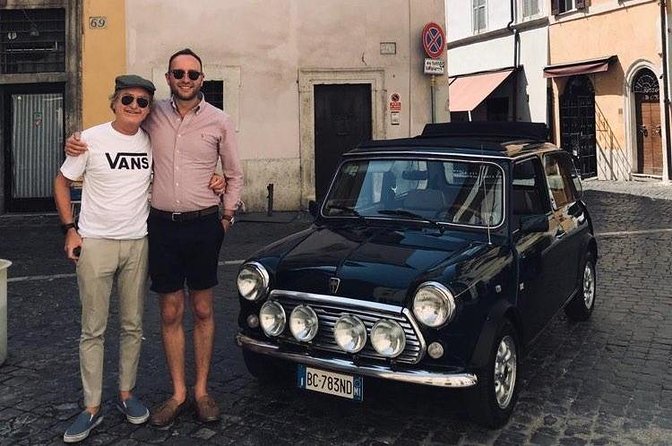
Next comes Colle del Gianicolo, tied to the Monteverde neighborhood. This is a classic Rome vantage area, and it is easy to see why. On a clear day, the view helps your brain connect the dots between all the hills and distances that can look confusing from street level.
Even on a short visit, this stop gives you something more valuable than a quick photo:
- It helps you understand Rome’s geography.
- It gives you a mental “north-south” sense of how neighborhoods spread.
The trade-off is that it is brief. If you want a long sit-down with a full sunset, you might be better pairing this tour with a later independent walk. But for a 2 to 3 hour loop, the view point is a smart momentum builder. It gives you a reward early, then transitions you into neighborhoods where people actually hang out.






Quartiere Coppede, where details turn weird in the best way
Quartiere Coppede is one of those places that feels different the moment you get close. The architecture looks playful, almost theatrical. In a short stop, you are not trying to memorize everything. You are trying to recognize the vibe: this is Rome with an offbeat, decorative side.
What makes it worthwhile in this format:
- The car-and-stop combo keeps you from losing time walking in a complicated area.
- You get just enough guidance to notice what matters, so your photos come out better than if you were sightseeing alone.
The only consideration is that, like many neighborhood areas, it rewards curiosity. If you are expecting a standard big-ticket monument, you might not feel the same payoff in 10 minutes. But if you like streets, facades, and architectural oddities, Coppede is often the stop people remember because it feels unusual without being inaccessible.
A second Fascism-era historic corner, then Ponte Milvio for local energy
There’s also another stop described as a historic Fascism-age neighborhood. Since the tour keeps moving, this part works like a “theme reinforcement” segment. You get another snapshot of how that era’s planning and style show up in real urban life, not just as a label in a guidebook.
Then you shift into Ponte Milvio, which is known for local night life. Even if you are not strictly night-sightseeing, this stop helps you reset from architecture-focused thinking into social-city thinking. It is about how Rome gathers.
In practical terms, you’ll appreciate this stop if:
- You want to feel the difference between residential areas and tourist-heavy areas.
- You like seeing where people go after dinner.
The drawback is that nightlife is mood-dependent. In daylight, you may not see the full energy you’d feel later. But you can still observe the vibe, the river setting, and the way the area functions year-round.
Piazza di Spagna and Piazza Cavour, Rome’s shopping psychology by car
Shopping is one of the main ways visitors experience Rome, but most people only see the most central brands and the most crowded blocks. This tour adds two useful angles: scale and daily flow.
You stop at Piazza di Spagna, described as the biggest shopping district. From the car, it’s easy to clock how the area feeds foot traffic outward. It is a busy place by design, and the stop helps you understand why people call it a shopping magnet in the first place.
Then you go to Piazza Cavour, tied to local shopping traditions dating back to around the 1900 era. That time marker is helpful. It tells you the area is not only trendy now, it has had a shopping role for a long time. That makes your sightseeing feel less like a snapshot and more like a pattern.
What you should watch for:
- How streets funnel you toward squares.
- How the architecture and street width shape crowd movement.
The trade-off? Ten minutes means you will not “shop” in the usual sense. Think of these stops as orientation for later. If you want to buy things, use the tour as the map, then return on foot with a plan.
Trastevere and Monti, oldest neighborhoods with real character and night potential
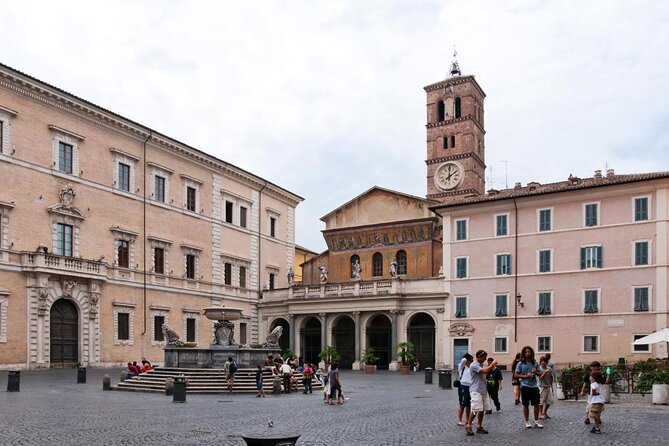
Trastevere is next, described as one of Rome’s oldest neighborhoods. This is the area where Rome feels layered in a more human way. You see older street patterns and you sense the neighborhood identity right away.
In a short time, you are not going to fully absorb Trastevere’s details. But you will get the essentials:
- You understand why people love the winding streets and the local energy.
- You recognize the “older Rome” feel that is different from the central monuments.
Then you head to Monti, also described as one of Rome’s oldest neighborhoods. Monti is often known for two things that fit perfectly with this tour’s style: handmade clothes shops and night life.
In this Mini Cooper loop, Monti works especially well because:
- The car gives you the wider angles that help you understand how the neighborhood is laid out.
- The short stop gives you a quick taste of what you can explore later on foot.
If you are hoping for nighttime atmosphere, the tour schedule helps. With pickups available in the 3:00 PM to 6:00 PM window, you may catch a Rome that feels like it is transitioning into evening. That lines up with the kind of praise the guide gets for showing Rome views that hit differently after dark.
Just remember: Monti and Trastevere are for people who enjoy wandering. If you want a strict checklist of monuments, this tour’s “neighborhood-first” focus may feel different. But if you want to understand Rome as a collection of lived-in districts, these stops deliver.
How Luca’s guiding approach makes the loop feel personal
One theme comes through strongly: Luca’s guidance. People single him out for knowing Rome inside out and sharing it in a way that is easy to hold onto. When a guide can do that, your photos get better because you know what to aim at, and your street understanding improves because you know what you are looking at.
In practice, you’ll feel this in small ways:
- He can point out what makes each neighborhood different.
- He also tends to share practical recommendations, which help you plan your next walk or meal.
The other benefit of a guide-led loop in a car is reduced decision stress. Rome has too many choices on foot. When you have a plan with a guide, you spend less time wondering what to do next and more time actually enjoying where you are.
And yes, the Mini Cooper is part of the fun, but the real value is that the car becomes a moving classroom. You are not just taking rides. You are connecting Rome’s layers.
Who this tour suits best, and who should skip it
This tour is a strong match if you:
- Want a private, relaxed way to see multiple neighborhoods in a short time.
- Like photos and want open views from an open-top classic car.
- Enjoy “feel the place” sightseeing, not only monuments.
- Prefer guidance in English with someone like Luca who can explain what you are seeing.
You might want to choose something else if you:
- Need long, deep time in one site. The stops are quick by design.
- Are hoping for a full-day museum and landmark schedule.
- Are traveling with very specific shopping goals where you need long store time.
Small planning tips so you get the most out of the 2 to 3 hours
A few practical choices can make a big difference:
- Pair this tour with a planned dinner nearby the neighborhoods it covers, especially after stops like Trastevere and Monti.
- Use the tour as your orientation, then go back on foot to the places that tug at you most.
- Bring a light layer if you are riding later in the day. Even without guarantees, open-top cars can make you feel the temperature more than a closed vehicle.
Should you book this Mini Cooper neighborhood tour?
I think you should book it if you want Rome without the usual crowd bottlenecks, and you like the idea of seeing both old and newer Rome in one smooth, guided loop. The combination of private pacing, a driver who connects the dots for you, and the photo-friendly open-top ride makes this a memorable way to learn the city fast.
If you are price-sensitive, this is still a splurge. But if you value time, convenience, and a guide-led neighborhood experience, it can feel like good value. The biggest factor in the decision is your style. If you prefer quick tastes and smart orientation, this tour fits perfectly. If you want slow, deep visits, look for a different format where you can linger.
FAQ
How long is the Mini Cooper Classic Cabriolet neighborhood tour?
It runs about 2 to 3 hours.
What is the price per person?
The price is listed as $210.51 per person.
What areas does the tour include?
You’ll visit neighborhoods and squares such as EUR, Colle del Gianicolo (Monteverde), Quartiere Coppede, Ponte Milvio, Piazza di Spagna, Piazza Cavour, Trastevere, and Monti, plus an additional historic Fascism-age neighborhood stop.
Is pickup and drop-off available?
Yes. Pickup and drop-off are offered, with pickup details described as pick up and drop off everywhere.
What is included in the tour?
Included are local taxes, bottled water, driver/guide, private tour, transport by private vehicle, coffee and/or tea, and alcoholic beverages.
Can plans be changed or refunded if I cancel?
No. The experience is non-refundable and cannot be changed for any reason.











