
Reviewed · TOURS
Basilica of Santa Maria Maggiore Tour
Santa Maria Maggiore is one of Rome’s great “look closer” churches. You get a live guide to connect the art, the Marian devotion, and the papal history, all inside one of the city’s most important basilicas.
What I especially like is how the tour centers on fifth-century Byzantine interiors and the stories behind what you’re seeing, not just big-photo highlights. I also appreciate the pacing for a quick visit, with a small group capped at 14 people so you can ask questions without getting swept along.
The main drawback to plan for: two hours can feel tight for a basilica this full of side chapels, tombs, and visual details. If you prefer slow wandering and long picture time, you may want to set aside extra hours after the tour.
Key Things to Know Before You Go
- Small group size (max 14) helps you see more and move more calmly.
- Hotel pickup within the Aurelian Walls makes the start easy, especially if you are staying central.
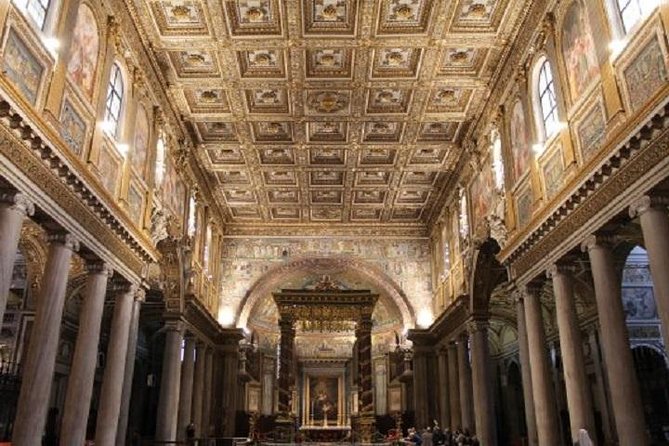
- Fifth-century Byzantine interiors are a core focus, so you will know what to look at.
- Rome’s other Sistine Chapel, tied to Pope Sixtus V gives you a memorable art anchor.
- Marian devotion around Salus Populi Romani adds meaning beyond the mosaics.
- Dress code is enforced at worship sites, so plan clothing before you leave the hotel.
Santa Maria Maggiore in Two Hours, What You Really Get
This tour is built for people who want the biggest payoffs without spending the whole day. You are stepping into a major papal basilica where art, faith, and politics all overlap in the same space. The whole experience runs about two hours, and that time is best used with a guide who can point your attention to what matters.
I like tours that treat the building like a story. Here, you are not just looking around, you are getting context for why the basilica looks the way it does, and why popes cared so much about it.
The ticket note for the stop indicates admission is free for this visit. That means your money is really going into the guided experience plus the convenience of pickup.
You can also read our reviews of more tours and experiences in Rome.



Meeting Point, Pickup, and the Dress Code Reality Check
You meet at Piazza della Repubblica, 48, 00184 Roma, with the tour starting at 2:00 pm. The tour ends back at the same meeting point, so plan your plans around that loop rather than expecting a drop-off at your hotel.
Pickup is included only for accommodations within the Aurelian Walls. If your hotel is outside the listed coverage area, you are told to email your accommodation details so they can confirm whether pickup works for you.
Two practical notes matter more than they sound:
- You need comfortable shoes. Even if you are only inside, churches invite you to move room to room.
- There is a dress code: no shorts or sleeveless tops, and knees and shoulders must be covered. If your outfit is too casual, you risk being turned away.
Also, the tour runs in English and provides a mobile ticket. Bring it up on your phone so you are not fumbling when you meet the guide.
Entering Santa Maria Maggiore, A Major Basilica That Kept Its Shape
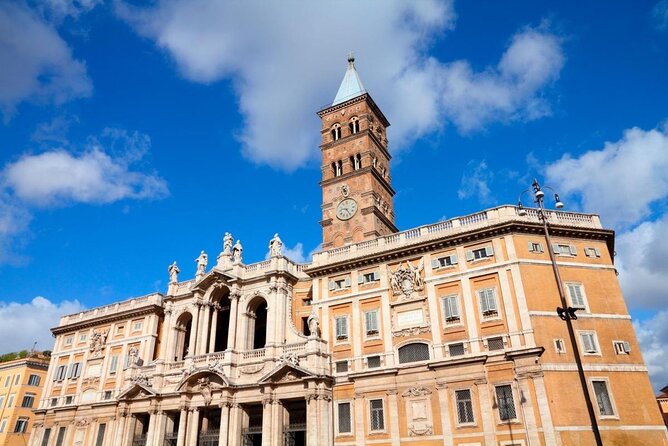
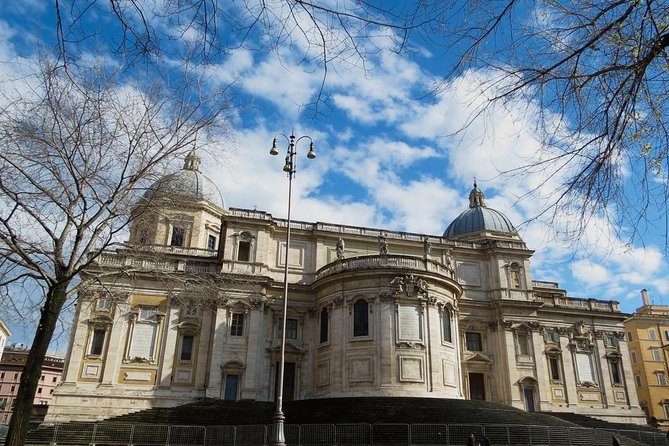
Santa Maria Maggiore is one of Rome’s major Catholic Marian churches and a major papal basilica. What makes it especially interesting is that it has kept its original structure better than many other major Roman churches, even though it has been enhanced over the centuries.
That matters because you are not seeing an artifact that got rebuilt from scratch. You are seeing layers on top of something that has been there for a long time. A guide helps you spot how additions and decorations change the feeling of the space without erasing the older bones.
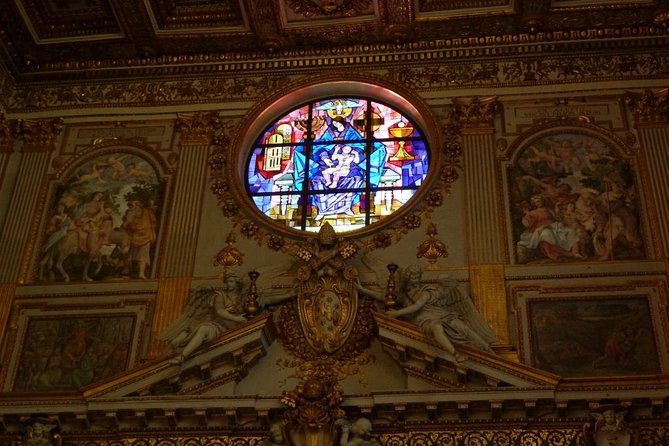
When you arrive, you are also stepping into a basilica with deep Marian devotion tied to a specific image: Salus Populi Romani, which presents the Virgin Mary as the help and protectress of the Roman people. This image received a canonical coronation by Pope Gregory XVI on 15 August 1838, which is the kind of detail that makes the art feel anchored to real events rather than vague devotion.
What the Guide Does Well Inside the Church
A lot of church tours tell you what you are looking at. The better ones also help you look with purpose, and that is the strong point here. The guide is there to connect:
- major artistic programs to the popes who supported them
- visible elements to the basilica’s role over time
- the symbolism of Marian imagery to what it meant for Rome
I also like that the group is small, up to 14 people. In a big interior like this, a larger group turns into line-watching. With a smaller group, you tend to get more face time with the guide and more chances to ask practical questions like where to focus your attention.
One name you might see tied to this kind of guiding style is Luisa, described as patient and step-by-step in how she explained what the group was seeing. If you get a guide with that approach, you will likely appreciate the tour more, even if your Italian is basic.
Fifth-Century Byzantine Interiors, How to Actually Appreciate Them
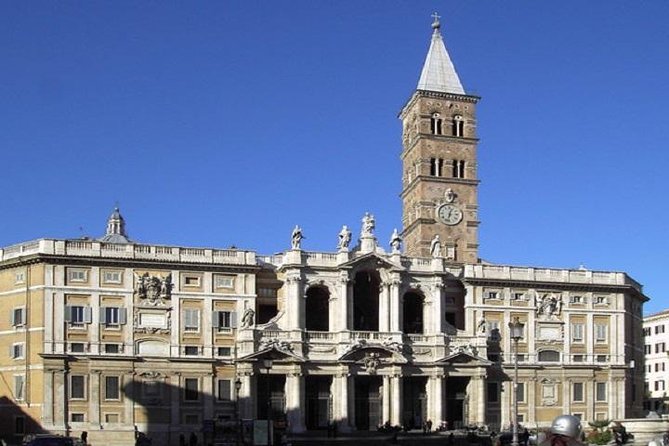
The basilica is famous for its Byzantine interiors dating to the fifth century. That sounds like a label until you know how to read the room. With a guide, you can look past the wow factor and start spotting the kinds of visual storytelling Byzantium loved: structured scenes, strong religious symbolism, and decorative intensity that feels intentional rather than random.
This is where I think the two-hour format works best. A guide can help you avoid the common mistake of spending too long on the first photo spot. Instead, you learn what to notice as you move through the key areas.
If you like art tours, this part is the backbone. It is also the part that is easiest to underappreciate if you only treat the church like a quick stop. The difference is simple: a guide turns your attention on, and you start seeing details you would otherwise miss.






Rome’s Other Sistine Chapel and Pope Sixtus V
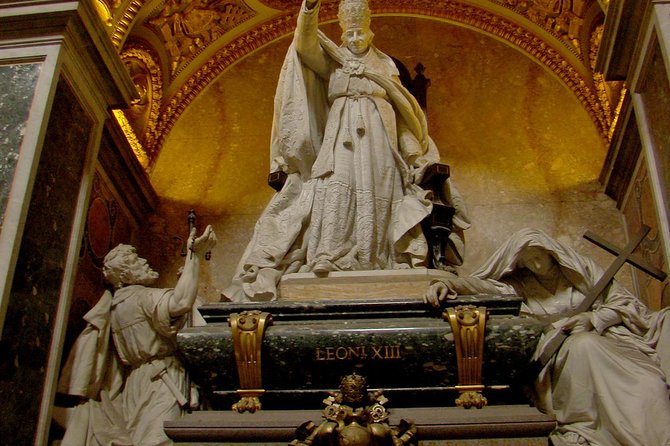
One of the highlights is the experience of seeing Rome’s other Sistine Chapel, linked to Pope Sixtus V. The nickname matters because it cues you to the expectation: a famous, high-impact decorative program that people remember long after they leave.
I find these kinds of connections useful on first-time visits. If you already know Vatican City is full of monumental art, then understanding that Rome has its own version helps you place what you see in a broader map of what popes wanted people to feel.
In practical terms, expect the tour to guide your eyes to the most important decorative focal points rather than making you hunt. That is especially important when you are in a working worship space where movement and attention are part of the rules.
Papal Residence in the 1300s, and Why Popes Wanted This Place
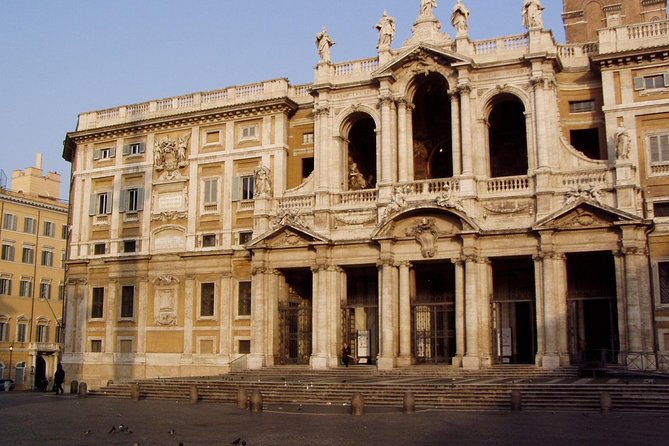
Santa Maria Maggiore was used as a papal residence in the 1300s, which is a big reason the basilica feels more personal than just ceremonial. It was not only a church people came to. It was a place where church leadership lived, planned, and made decisions.
That background changes how you interpret details like tombs and chapel choices. This basilica carries a sense of authority, not just reverence. And because it is a Marian church, that blend of “who we are” and “who protects us” shows up in the way popes supported devotion tied to Rome itself.
You also may notice burial connections that go beyond the typical stories. For example, Borromini is associated with burial at this church, and the basilica also includes popes buried inside. Even if you only catch a few names, having that context makes the space feel like a living record of power and faith.
Side Chapels and the Details You Should Hunt For
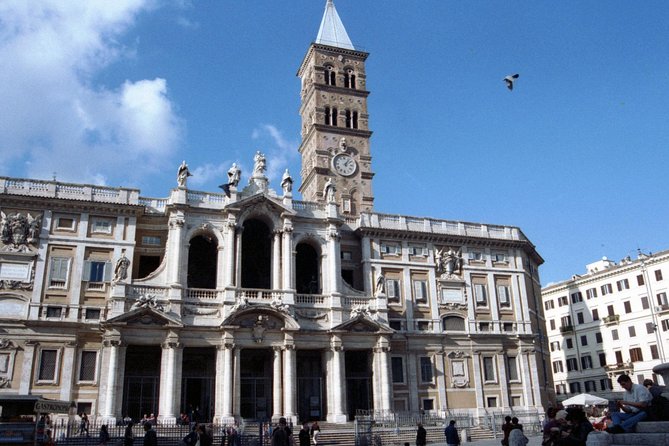
This is the kind of church where side chapels reward patience. One specific detail worth planning your eyes for: look out for a chapel with cherub and angels in black marble, which is described as unusual compared with the more typical lighter tones. If you notice the black marble elements and the surrounding gold, you will understand why a guide might stress how color choices amplify what you see elsewhere.
You are also likely to hear about how the basilica’s story spans multiple centuries, with Christianity building and enhancing the site over time. That gives you permission to take your time with the visual cues. Don’t rush through the first glance. Instead, pause once or twice and let the room settle into a clear picture.
On colder days, the interior can also feel chilly. If you are visiting in winter or on a rainy afternoon, wear layers you can handle once you are inside.
Timing, Booking, and the Value Question
The tour costs $173.39 per person and is described as often booked about 90 days in advance. That is a useful clue: if you are traveling during a peak season or on a popular day of the week, reserve sooner rather than later.
Now, about value. This is not an all-day museum deal. You are paying for three things that add up:
- a live guide who knows how to connect art and papal history
- a small group (max 14), which keeps the experience from turning into a crowd
- pickup within the Aurelian Walls, which saves time and stress
Admission for the basilica stop is noted as free for this experience, so you are not paying extra entry fees on top. Tips are not included, and the tour notes that drop-off is not part of the arrangement, so factor that into your expectations.
Is it worth it? If you love churches but hate staring at labels that do not explain why the art exists, yes. If you are the type who wants silence and free-roam time with zero structure, you might find it a bit short and guided-heavy.
Who This Tour Fits Best
This experience fits best if you want:
- a guided focus on the basilica’s most important art and devotional stories
- a manageable two-hour plan that does not eat your whole day
- pickup convenience if you are staying within the Aurelian Walls
- English guidance and a group size that stays human
It also works well if you are a first-timer in Rome and want a strong “orientation” church experience without the overwhelm of larger sites.
On the other hand, if you are the kind of visitor who reads every inscription, sketches in a notebook, and wants to spend an extra hour in one chapel, you might feel the schedule squeeze you. In that case, consider pairing this tour with extra free time afterward.
Should You Book This Basilica of Santa Maria Maggiore Tour?
Book it if you want a smart, compact way to understand why Santa Maria Maggiore matters, especially if you care about Byzantine interiors, papal stories, and the meaning behind Marian imagery. The small group size and pickup make it easy, and the guided focus helps you see more than you would on your own in the same time window.
Skip it only if your goal is pure wandering and long pauses with no structure. In a basilica like this, two hours can go by fast, so you will get the most out of it if you treat it as a guided kickoff and then choose what to revisit afterward.
If you do book, pack for the dress code, wear comfortable shoes, and plan to look slowly at least a few times. Santa Maria Maggiore rewards that kind of attention.
FAQ
How long is the Basilica of Santa Maria Maggiore tour?
It runs for approximately 2 hours.
What is the price per person?
The price is $173.39 per person.
Is hotel pickup included?
Yes, pickup is included for accommodations within the Aurelian Walls. If your hotel is not in the list, you can email your accommodation details to confirm.
Where do we meet the tour?
The meeting point is Piazza della Repubblica, 48, 00184 Roma RM, Italy.
What time does the tour start?
The start time is 2:00 pm.
How many people are in the group?
The tour is limited to a maximum of 14 travelers.
Is the tour in English?
Yes, it is offered in English.
What kind of ticket do I need?
You will receive a mobile ticket.
What are the dress requirements?
Dress code is required for worship sites: no shorts or sleeveless tops. Knees and shoulders must be covered.
Is free cancellation available?
Yes, you can cancel for a full refund up to 24 hours before the experience starts.
More Tours in Rome
More Tour Reviews in Rome
Not for you? Here's more nearby things to do in Rome we have reviewed












Tours, compared.
 ★ 4.3Vatican Museums & Sistine Chapel Tour with Optional BasilicaFrom $7967,413 reviews
 ★ 4.5Vatican Museums, Sistine Chapel & St Peter’s Basilica Guided TourFrom $2239,149 reviews
 ★ 4.8Colosseum, Palatine Hill and Roman Forum Guided TourFrom $5232,814 reviews
 ★ 4.7Guided Tour of Colosseum, Roman Forum & Palatine HillFrom $5527,897 reviews
 ★ 4.5Colosseum, Roman Forum and Palatine Hill Guided TourFrom $5923,903 reviews
 ★ 4.3Vatican Museums, Sistine Chapel & Basilica TourFrom $13013,872 reviews
 ★ 4.4Colosseum, Forum & Palatine Hill Tour & Optional ArenaFrom $5813,839 reviews
★ 4.7Vatican Museums, Sistine Chapel & Basilica TourFrom $7213,217 reviews