
Reviewed · E-BIKES
3-Hour Guided Tour of Splendid Rome by E-Bike
Rome by electric bike is the sweet spot. This 3-hour guided ride strings together postcard-class stops without the backtracking, and you get that smooth glide from e-bikes plus a small group pace (max 10).
What I like most is how the route mixes big monuments with quick, high-impact moments, including admission-ticket stops at several of the best-known squares and views. The one possible drawback is simple, you are moving and stopping briefly, so plan on seeing highlights and taking photos more than settling in for long, slow time inside every site.
Key Highlights Worth Planning Around
- E-bike pace that keeps energy for photos instead of arriving already exhausted
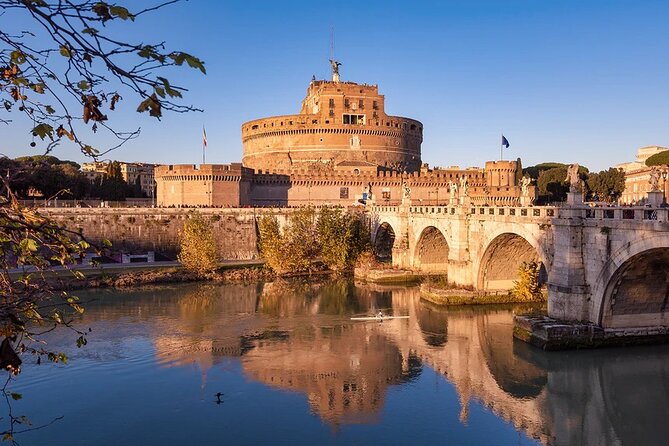
- Castel Sant’Angelo from the outside, plus a walk along Ponte degli Angeli for easy souvenir shots
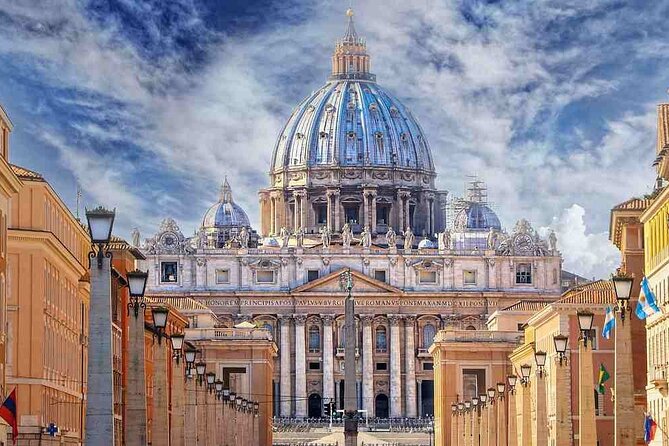
- St. Peter’s Basilica area and via della Conciliazione focus on impressive views without a marathon approach
- Piazza Navona to Trevi to Piazza del Popolo gives you a classic Rome sweep in just a few hours
- Passeggiata del Pincio viewpoint for rooftop and sunset drama over the Dome of St. Peter
- Temple of Asclepius by the pond where the boat option is there if you want something extra
Why This Rome E-Bike Tour Feels Efficient (Not Rushed)
Rome can be a lot. Streets are crowded, sights are spread out, and on foot you often lose time to bottlenecks and detours. This tour solves that with an electric bike route built for short transfers and frequent photo-friendly pauses.
The best part is the balance. You are not just biking past famous spots. The stops are timed so you can look, take a few good pictures, and then keep rolling. With a maximum group size of 10, you usually get less waiting around and a guide who can keep an eye on the whole group.
You should still expect a highlight tour. Three hours is not long enough for deep museum immersion, especially with multiple stops across the historic center.
You can also read our reviews of more cycling tours in Rome


Castel Sant’Angelo and Ponte degli Angeli Photo Time
You start with Castel Sant’Angelo, a fortress that began life as a sepulcher for Emperor Hadrian around 123 AD. Even if the scale feels “fortress-like,” the point here is how many layers of Rome’s story it has worn, through almost two thousand years of transformations.
What makes this stop work is that you get the castle’s presence from the outside, plus time to walk along Ponte degli Angeli. That bridge is a natural place to stop for souvenir photos because the river backdrop and castle angle frame well from multiple spots.
Then there is a short breather in the quiet gardens around the castle. It is a nice reset from city noise, and it helps you arrive at the next big area without feeling like you have been grinding nonstop.
Practical note: if you are hoping for a full interior visit, this stop is not designed around that. It’s about getting the best exterior impact and the river walk.
St. Peter’s Basilica and via della Conciliazione Views
Next comes the Vatican area, anchored by St. Peter’s Basilica. It is described as the largest of Rome’s four papal basilicas, and it is also framed as one of the biggest and most central landmarks in Catholic worship. In other words, this is not just an impressive building, it is a religious center with major ceremonial significance.
The tour approach is smart. You focus on the majesty of St. Peter’s Basilica, then take a short walk along via della Conciliazione. That street is famous for giving you an easy line of sight for photos toward Vatican City, especially if the light is cooperating.
If you are someone who likes architecture and scale, this stop hits the right nerve. The facade and surrounding sightlines are designed to overwhelm you in a good way, even when your time is limited.
The only caution is mood. Vatican streets can be crowded at peak hours, so your photos might be more “posed with people” than “empty Rome.”
Piazza Navona: Ancient Stadium to Fountain Stage
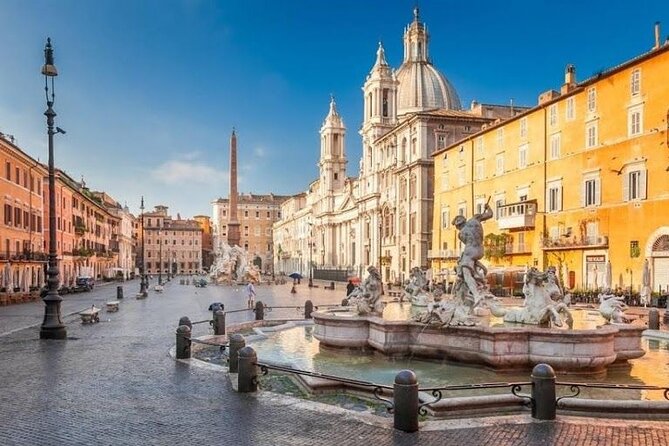
Piazza Navona is one of the best places in Rome to understand how the city reuses space. In ancient times, it was a stadium built by Emperor Domitian, around 265 meters long and 106 meters wide, with capacity for up to 30,000 spectators. The square name originally came from in Agone, tied to games and athletics competitions.
The fountain focus matters because it is not random decoration. You get the Fontana del Moro and the Fountain of Neptune in the mix, and the highlight is the Fountain of the Four Rivers. You will also see Church of Sant’Agnese in Agone nearby, known for a domed look that many visitors find especially striking.
This stop is timed at about 15 minutes with an admission ticket included. That is short, but Piazza Navona works fast if you set your goal. Pick your fountain angle, snap a few photos, then step back to take in the whole square shape.
Tip for timing: if you want your photos without constant foot traffic, aim for an angle where people mostly stream past rather than stop right in front of your camera.
Pantheon: One of Ancient Rome’s Best-Preserved Wonders
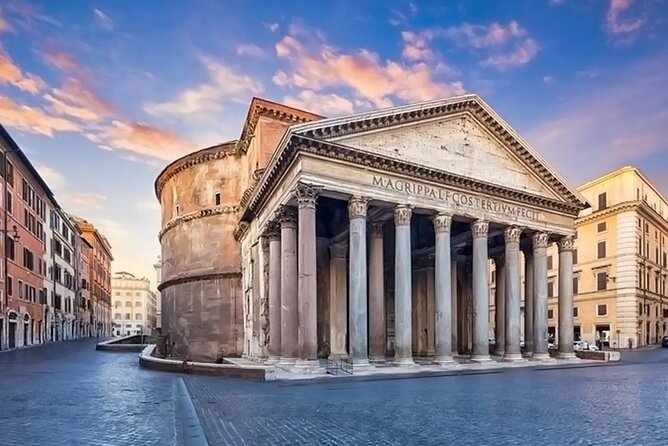
The Pantheon is where Rome stops being a “sight list” and becomes a real architectural lesson. It is the Pantheon of Agrippa, simply called the Pantheon, and it is known for being among the best-preserved monuments from Ancient Rome.
The tour frames why it matters: the harmony of its lines and the geometry of the massing. In plain terms, the building’s proportions are so carefully balanced that your eyes register it as orderly and correct, even before you go into details.
This stop is also very practical. You are in Piazza della Rotonda, right in the historic center, so it is easy to orient yourself and connect the surrounding streets later.
One caution: depending on timing, interior access and crowding can affect how long you can linger. If you only get a brief window, focus on the big visual statement first, then decide if you want a second pass inside.
You can also read our reviews of more guided tours in Rome





The Forum Area Mood: Via Sacra Like It’s Still Active
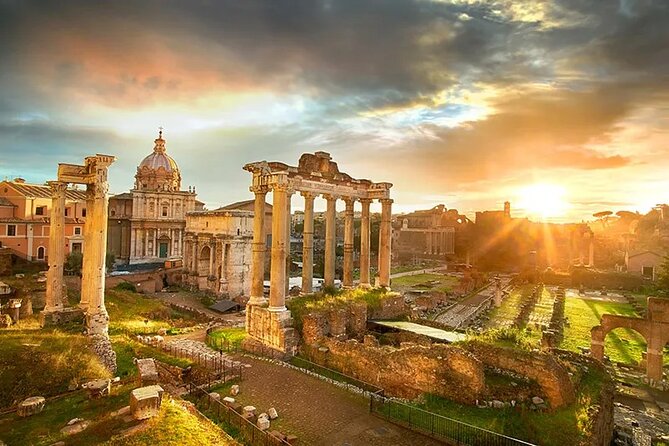
Then you get the vibe shift toward the ancient heart of Rome. The tour emphasizes that skipping the Forum experience is like skipping a key landmark in another city. The route points you toward Via Sacra, the street tied to power and spectacle, and the mental picture is Julius Caesar walking there more than 20 centuries ago.
This part is less about ticking off one building and more about the feeling of time travel. When you stand along the idea of Via Sacra, Rome’s scale becomes obvious. You start seeing why emperors and leaders chose these routes, and why they keep showing up in art and literature.
Even if your time here is limited, you can still get value by doing something simple: pause, look down the street, and picture the density of ancient movement. It sounds cheesy, but it genuinely changes how the space reads.
Trevi Fountain: Big Scale, Three Streets, and a Coin Legend
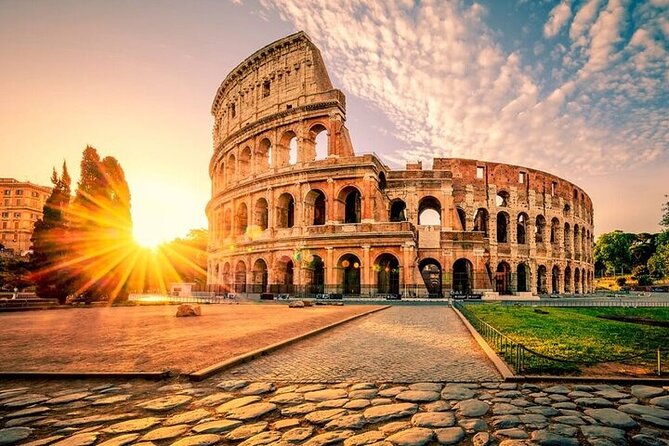
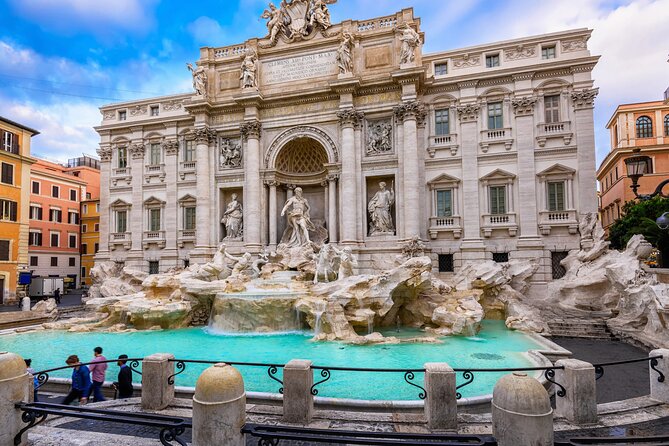
Trevi Fountain is the kind of place where you either love it immediately or you find it too chaotic. This tour leans into the classic experience, with enough time to take photos and understand the fountain’s meaning beyond the crowds.
The details are part of the fun. Trevi is described as the most spectacular and largest fountain in Rome, about 20 meters wide and 26 meters tall. Its name is tied to the Latin trivium, meaning three streets. That matters because the fountain sits where three streets converge in the popular district.
Then there is the coin legend, which the tour ties to a 1954 film called Three soldi in the Trevi fountain. The “rules” are simple and memorable:
- One coin means you will return to Rome
- Two coins mean love with an Italian
- Three coins mean marriage
This stop runs about 30 minutes with an admission ticket included. You will not get solitude here, but you can still get great shots if you pick an angle that frames the whole composition rather than just the nearest edge.
If you are sensitive to crowds, treat Trevi like a photo checkpoint. Get what you need, enjoy the scale, then move on.
Piazza del Popolo and Santa Maria del Popolo Art Stops
After Trevi, you head to Piazza del Popolo, one of Rome’s best-known entrances from the empire era. The square still acts like a hub because three major streets branch out from here: Via del Babuino, Via di Ripetta, and Via del Corso, which is one of the city’s key commercial streets.
This stop includes the Egyptian obelisk dating back to 1300 BC, and it also connects you to Church of Santa Maria del Popolo. Inside that church, you can contemplate artworks associated with Caravaggio and other Renaissance works, which gives this piazza more than just scenic value.
The tour schedules about 30 minutes with an admission ticket included. That is long enough to see the key exterior landmarks, then decide if you want to spend time on the church side of the square.
The main drawback to plan for is that Piazza del Popolo is a major crossing point. Expect movement, and be ready to step aside to let the crowd flow past your camera spot.
Passeggiata del Pincio: Rooftops and a St. Peter Sunset Moment
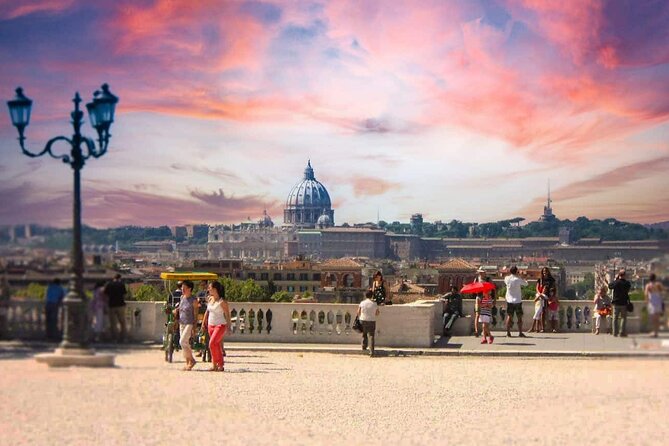
If you want one Rome stop that feels like a payoff, it is the Passeggiata del Pincio viewpoint. The tour calls it a fundamental stop, and the idea is simple. If you ask a Roman for the kind of panoramic view tourists should see, this is the one that often comes up.
You look out over Piazza del Popolo and the rooftops of Rome. And yes, the tour specifically notes sunset potential, with the Dome of St. Peter as the star of the scene.
Street artists often show up here, and sometimes the vibe includes music. That detail matters because it turns the viewpoint from a static photo spot into a living Rome moment.
This stop is about 30 minutes with an admission ticket included. It is just enough time to find a good angle, take photos, and then stand back to enjoy the view without rushing to the next place.
Temple of Asclepius: The Pond, the Boat Option, and the Cool Factor
The Temple of Asclepius is a different kind of Rome stop. It’s set by a pond, and the tour highlights its unique viewing setup. To see it up close, you can rent a rowboat and navigate in front of the temple.
That boat option is not required. You can still get very good proximity for pictures by going close to the lake edge. Either way, it’s the kind of place that turns your “I saw Rome” into “I remember this specific scene.”
This stop takes about 30 minutes with an admission ticket included. That timing is ideal for both approaches: quick photos from shore, or longer interest if you choose the rowboat.
A practical consideration: if you are prone to motion sensitivity, keep in mind that any boat time changes how long you might want to spend. But even without the boat, this stop is a fun break from squares and churches.
Price and Value: Is $84.21 Worth It for 3 Hours?
At $84.21 per person for about three hours, you are paying for three things:
1) Guidance and pacing across a compact set of major sights
2) E-bike mobility that cuts down how long you spend stuck in foot traffic
3) Admission tickets included at multiple scheduled stops
The value math works best if you like structure. If you are the kind of traveler who wants to hit the highlights without figuring out routes, this tour saves brainpower. It also helps you avoid “Rome fatigue,” the feeling that you have walked all day but only seen a few landmarks.
If you are a super independent planner who hates fixed routes, you might find the brief stop times a little limiting. But for a first Rome visit or for a day when your legs need mercy, this kind of tour often feels worth every euro.
Also, the tour is booked on average about 7 days in advance, which hints at steady demand. If you have tight dates, booking early makes life easier.
What the Guide Quality Looks Like in Real Life
The overall vibe from the tour experience is that the guides are friendly, prepared, and tuned into details. People consistently praise the professionalism and the way the tour feels interactive rather than like a lecture.
One guide name that comes up is Omar. The feedback connected to him describes a careful approach, where the group does not feel like they are missing important bits. You can also read between the lines of other comments about organization, meaning the route likely flows without constant confusion.
Another strongly praised aspect is comfort. Multiple reviews highlight that the e-bikes, plus the route design, make it feel easy on the body. One review even frames it as suitable for families and people of all ages, which is a good sign if you are traveling with teens or grandparents.
For you, this translates to less stress. If the guide manages the pace and keeps the group together, you can focus on looking and taking photos instead of navigating every turn.
Who Should Book This Tour (and Who Might Not)
This tour fits best if you want a high-contrast Rome day where you see famous monuments and get a few memorable extras, like the castle gardens and the pond temple scene.
You’ll likely love it if:
- you want an efficient overview of multiple top sights
- you prefer e-bike touring to heavy walking
- you like a guide who can explain what you are seeing in a practical way
- you want group energy without intense physical strain
You might want to skip or pair it with another plan if:
- you want long time inside specific sites
- you are allergic to crowds and do not like popular squares
- you only enjoy one or two areas of Rome and prefer deep focus over variety
Should You Book This 3-Hour Rome E-Bike Tour?
I think this is a smart book for a lot of visitors. It hits major Rome icons, keeps the movement manageable, and includes admission tickets at several stops. In three hours you get a clear sense of what Rome looks like from riverfront to Vatican streets to ancient architecture to classic piazzas.
My recommendation comes with one simple strategy. Go in with a few photo targets, like Castel Sant’Angelo from Ponte degli Angeli, Piazza Navona’s Fountain of the Four Rivers, and the Pincio sunset viewpoint. When you do that, the short stop times stop feeling like compromises.
If you want a day that is fun, organized, and not too exhausting, this e-bike route deserves a spot on your Rome calendar.
FAQ
How long is the 3-Hour Guided Tour of Splendid Rome by E-Bike?
The tour lasts about 3 hours.
How much does it cost per person?
The price is $84.21 per person.
What language is the tour offered in?
The tour is offered in English.
Where do I meet, and does the tour end nearby?
You meet at Lungotevere delle Armi, 44, 00195 Roma RM, Italy, and the activity ends back at the meeting point.
How large is the group?
The tour has a maximum of 10 travelers.
Are admission tickets included for the stops?
Admission tickets are included for several scheduled stops, including Piazza Navona, Fontana di Trevi, Piazza del Popolo, Passeggiata del Pincio, and the Temple of Asclepius.
What is the cancellation policy if I need to change plans?
You can cancel for a full refund up to 24 hours in advance. The experience requires good weather, and if it is canceled due to poor weather, you will be offered a different date or a full refund. If the minimum number of travelers is not met, you will be offered a different date or a full refund.
More Cycling Tours in Rome
More Tours in Rome


More Tour Reviews in Rome
Not for you? Here's more nearby things to do in Rome we have reviewed












E-Bikes, compared.
 ★ 4.9Top Highlights & Hidden Gems Tour by Cannondale E-BikeFrom $851,760 reviews
 ★ 4.9Appian Way, Catacombs, & Roman Aqueducts E-bike TourFrom $851,421 reviews
 ★ 4.9Appian Way E-bike Tour with Catacombs, Aqueducts & FoodFrom $961,210 reviews
 ★ 4.9E-Bike Night Tour with Food and Wine TastingFrom $891,131 reviews
 ★ 5.0Appian Way, Catacombs and Aqueducts Park Tour with Top E-BikeFrom $102735 reviews
 ★ 4.6Appian Way E-Bike Tour Catacombs, Aqueducts & PicnicFrom $89727 reviews
 ★ 4.5Appian Way & Catacomb Sunset E-bike Tour with AperitifFrom $89682 reviews
 ★ 5.0Appian Way & Aqueducts small group e-bike tour(catacombs & food)From $90531 reviews
Browse the lists this tour appears in