Reviewed · ROME
Rome: Angels and Demons, the illuminati path
One walk through Rome can feel like a plot twist. This Angels and Demons style tour strings together major landmarks with the kind of church, art, and symbolism stories that make the city feel extra readable. I especially like the small group pace and the way the guide connects each stop to the book and to real-world history and art. One thing to consider: the experience can vary by guide, and it may feel more like a focused highlights walk than a slow, deep research session.
If you want Rome with a storyline, this is a fun match. You start at St. Peter’s Square, then work your way toward Castel Sant’Angelo, Piazza Navona and its Four Rivers Fountain, and finally to the Pantheon and Santa Maria della Vittoria. You get an exterior-focused visit plus a short, lively guided look at the key places, wrapped up near Repubblica.
Key Highlights You’ll Actually Feel
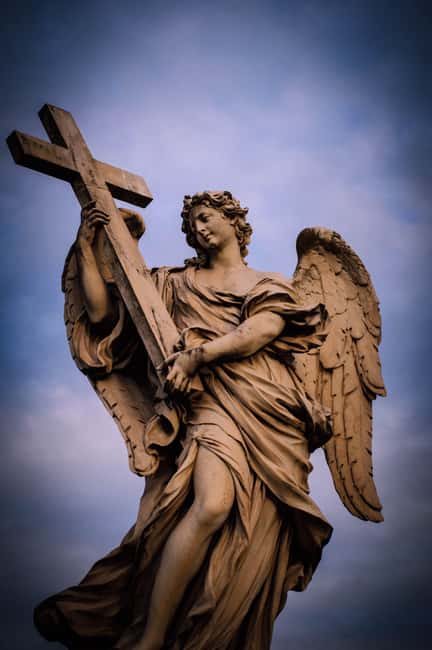
- St. Peter’s Square first: You begin at the spiritual and visual anchor of the Vatican area.
- Castel Sant’Angelo views and drama: A fortress by the Tiber that fits the thriller vibe perfectly.
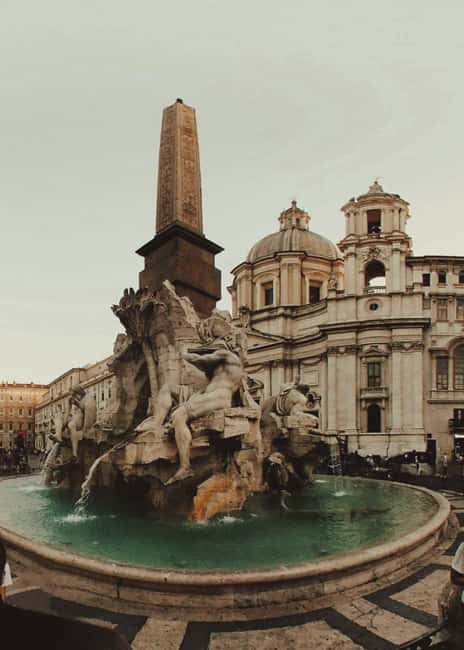
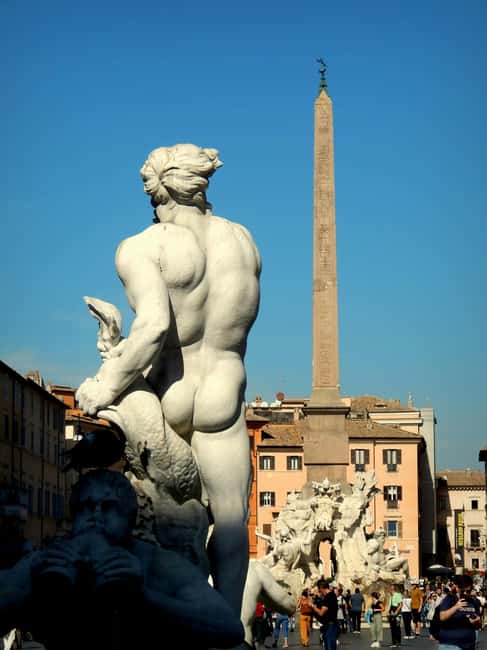
- Piazza Navona and Bernini’s Four Rivers: Baroque spectacle that plays great with symbolic storytelling.
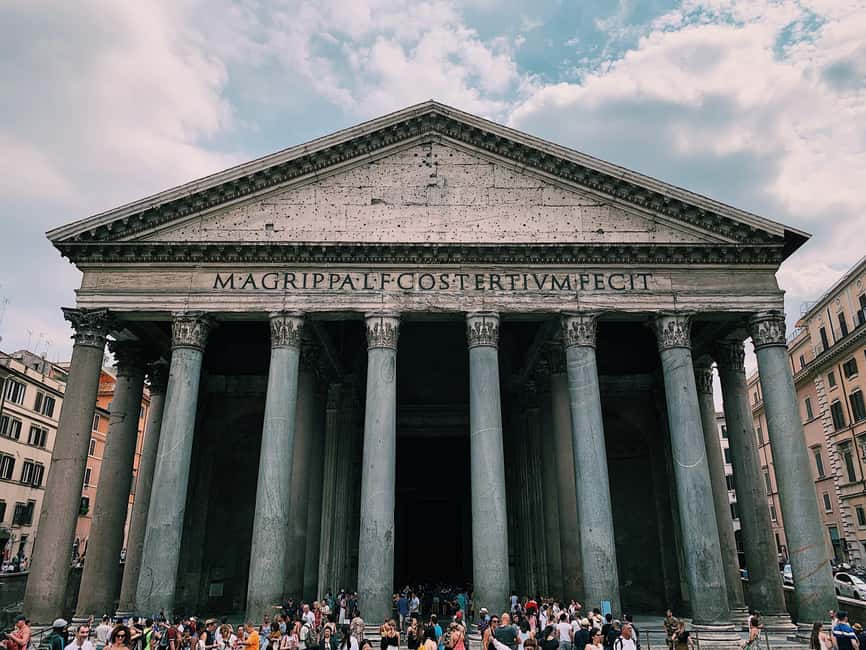
- Pantheon stop for atmosphere: A landmark that makes ancient Rome feel close, not dusty.
- Santa Maria della Vittoria and Bernini’s Ecstasy: One of the most famous baroque devotional artworks in the city.
- A guide who can handle questions: In standout sessions, guides like Felice earn praise for calm, patient answers.
How This 2-Hour Rome Story Walk Works
This tour is built like a fast, guided route through the Rome you see in films, books, and post-card photos. It lasts about 2 hours, and the group is limited to 10 people, which helps keep things conversational instead of rushed chaos.
You are not signing up for a long museum day. Think more like: meet, walk, stop, listen, take photos, move on. Included perks are simple but useful: a bottle of water and an exterior visit focus. That matters because Rome’s biggest highlights here are all about what you can see in public spaces and church exteriors, plus short guided moments at each stop.
The payoff is the story link. You do not just look at famous buildings, you get told what to notice: scale, symbolism, and the way Rome layers religion, politics, and art over time. In the best-guided versions of this tour, you leave with a map in your head, not just a camera roll.
You can also read our reviews of more tours and experiences in Rome.
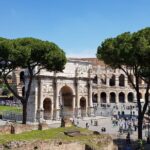
Starting at St. Peter’s Square: Big Setting, Big Questions
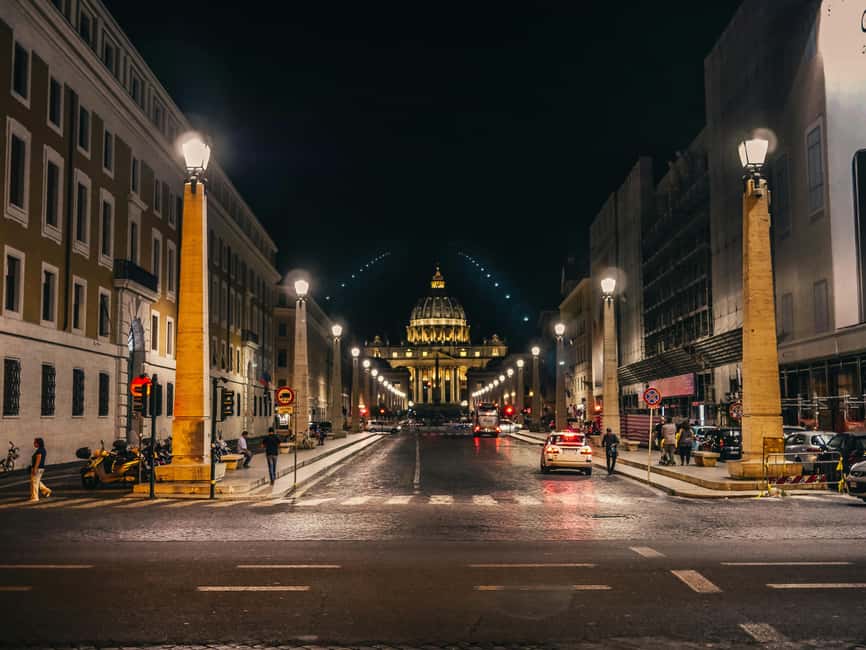
You meet in front of the Obelisco in Piazza San Pietro in Vatican territory. This is a strong opener because the square is designed to pull you in. You get instant orientation, and your guide has a perfect stage to talk about why this place shows up so often in religious art and dramatic storytelling.
St. Peter’s Basilica is close enough that it anchors your first impressions. Even without spending time inside, you can still appreciate the scale. You also get the kind of commentary that helps you connect the visible design to the atmosphere the book plays with.
If you come to Rome wanting to understand why this area feels so powerful, this stop does that job quickly. And if your priority is symbolism, this is where the guide’s framing sets the tone for the rest of the route.
Castel Sant’Angelo: The Thriller Fortress by the Tiber
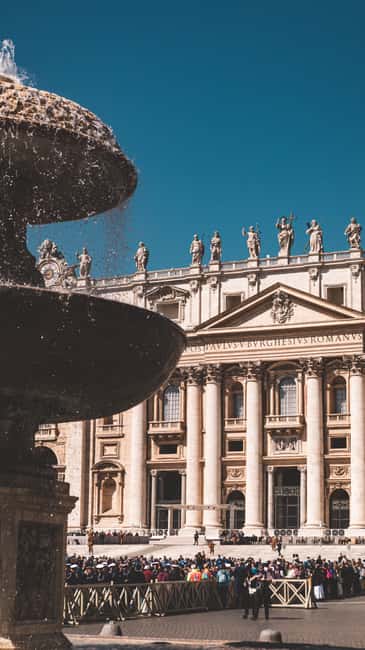
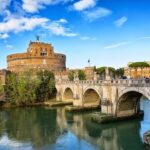
Next comes Castel Sant’Angelo, with a photo stop and a short guided segment. The key here is location and presence. This fortress sits over the river, and that height makes it feel like more than a building. It reads like a plot device.
In this part of the tour, you are not just learning what it looks like. You are getting the sense of why it works in a story about escape, secrecy, and power. The Tiber helps too, because you are naturally thinking in terms of movement and vantage points.
A practical note: you will be outdoors at least part of the time, so wear shoes you can walk in without thinking. This is a short tour, but the route still needs comfortable footing.
Piazza Navona and the Four Rivers Fountain: Baroque Theater
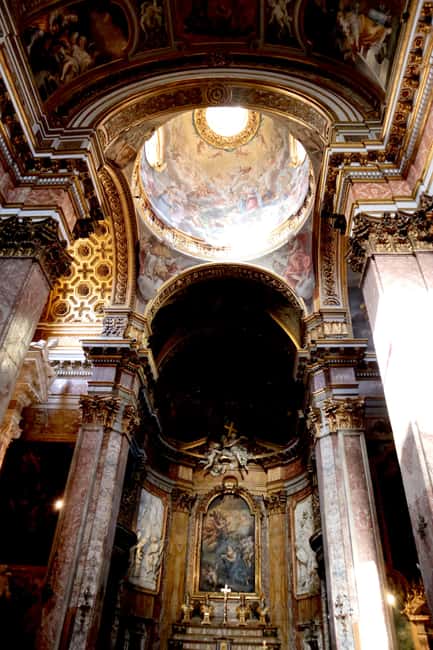
Then the energy shifts to the city’s most scene-ready square, Piazza Navona. You get a quick visit and guided time, plus time to photograph. This square has that Rome magic where locals move slowly, tourists cluster, and the art is always in the middle of the conversation.
The real centerpiece is the Fountain of the Four Rivers, created by Bernini. The fountain does more than look impressive. It invites you to look closer at details and figure out what each element is meant to suggest. In a tour like this, that is where the storyline and the real artwork start working together.
What I like about this stop for your experience: it is visually strong even if you are not deep into art history. But if you do enjoy symbolism, the guide can point out what makes the fountain such a conversation starter in Rome.
Pantheon: Why One Monument Feels Like Two Eras
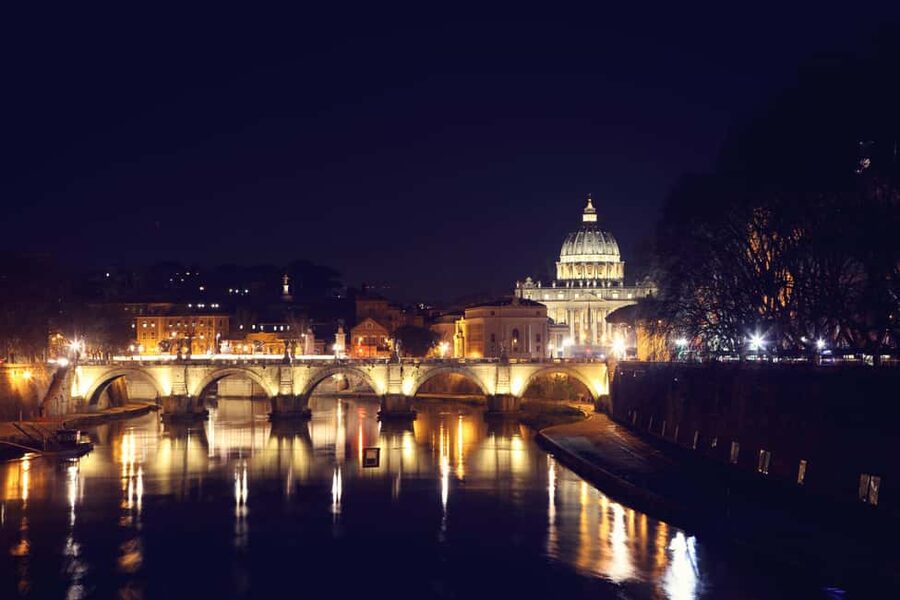
The tour continues to the Pantheon, one of the most famous and well-preserved ancient buildings in Rome. You get a photo stop and a guided visit here, including mention of Agrippa and the legends that surround the site.
This is a great mid-tour reset. Castel Sant’Angelo gives you fortress energy, Piazza Navona gives you baroque flourish, and Pantheon drops you into ancient geometry and scale. Even from short stops, the dome draws your eyes upward fast. It is hard not to feel the historical weight here.
Because the tour is designed for a narrative theme, the Pantheon stop often becomes more than a photo opportunity. The guide can help you notice how Roman engineering and later religious use can coexist in one location, which fits nicely with the broader theme of old meanings reappearing in new contexts.
Santa Maria della Vittoria: Bernini’s Famous Ecstasy Moment
Your final major landmark is Santa Maria della Vittoria, with guided time and another photo stop. This church matters for the tour theme because it houses Bernini’s Ecstasy of Saint Teresa, one of the most famous baroque artworks in Rome.
This is a different kind of stop than the Pantheon. Instead of looking at a structure that dominates from the outside, you are focusing on an artwork that dominates the emotional register. Even if you are not a baroque expert, you can understand why this kind of art shows up in dramatic stories. It is expressive, theatrical, and full of feeling.
If your favorite part of Angels and Demons is the mix of spiritual stakes and visual clues, this is where you feel the payoff. The church is a strong finishing note, and it gives the tour a satisfying mood change before you wrap up.
Ending Near Repubblica: A Convenient Finish for More Rome
The tour finishes at Repubblica. That is a handy endpoint because it puts you near a lively central area where you can keep going on your own. After a short structured walk, it helps to have a place where you can grab a snack, check out shops, or connect to other plans without feeling stranded.
This matters for value. A 2-hour tour is great, but only if it leaves you with a workable next step. Repubblica generally does that.
Price and Value: Is $66 Worth It?
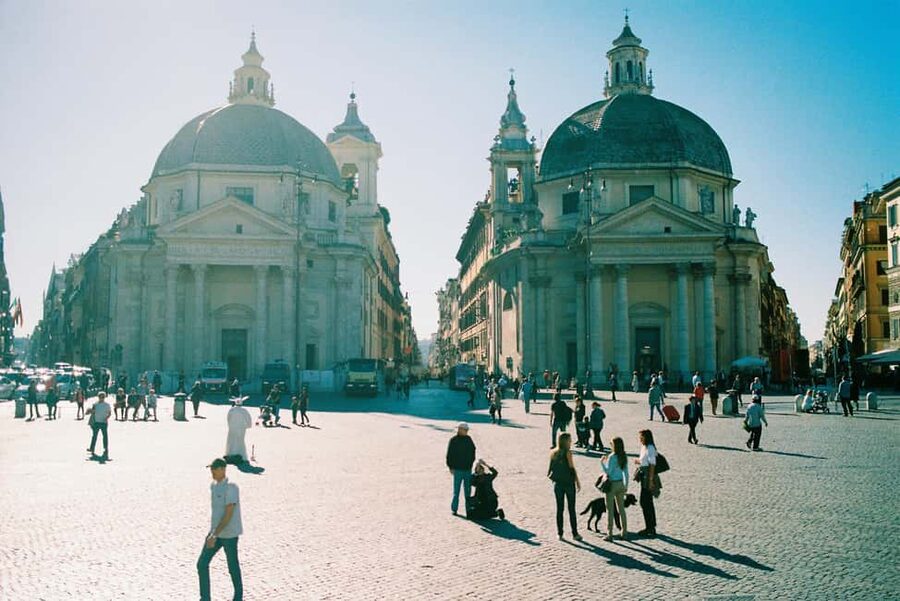
At $66 per person for about 2 hours, you are paying for guided storytelling, route planning, and the advantage of having someone point you to what to notice. You are also getting the included water, and the whole experience is designed around key landmarks rather than random stops.
So is it worth it? It tends to be a good deal if:
- You like the idea of seeing famous Rome locations through a themed lens.
- You want art and church commentary without building an itinerary from scratch.
- You enjoy Q and A moments and a guide who can connect the dots.
It might feel pricey if you want a slow, ultra-detailed deep-dive at every site. One negative experience noted that the tour sometimes felt more like walking than detail-heavy explanation, and another mentioned early ending. That is the only real caution flag here: the experience quality can depend on the guide and the flow of the day.
Guide Quality Makes or Breaks It
This is where the reviews are most consistent. The strongest praise centers on the guide being friendly, calm, and patient, with real knowledge that covers both the novel and the actual city. One guide name you may hear in connection with this experience is Felice, who gets highlighted for answering many questions and being great with a 10-year-old.
That is not a small detail. A themed tour can go two ways: either it becomes a fun story recap, or it becomes a real Rome lesson. The best-guided versions hit both, and they do it in plain language you can follow even if you are not a Rome scholar.
On the flip side, one review flagged that English quality and the depth of Angels and Demons info were not what they expected. Another review complained about the tour feeling short on specifics and ending earlier than expected. So you should go in with the right mindset: this is a short highlight route, and the guide’s skill is part of what you are paying for.
What You’ll Learn to Look For at Each Stop
Even when you keep it brief, this tour teaches you how to read Rome. Here are the kinds of things you’ll likely carry with you as you walk:
- Directional symbolism in the Vatican area and its relationship to the city’s religious energy.
- Power and escape vibes tied to Castel Sant’Angelo’s river vantage and fortress presence.
- Baroque storytelling at Piazza Navona, especially around the Four Rivers Fountain.
- Ancient-to-church continuity at the Pantheon, where the monument feels both old and still active in Roman life.
- Emotion and artistry at Santa Maria della Vittoria, anchored by Bernini’s work.
And yes, it also helps you see the “clues” feeling you get from the book, without needing to memorize anything. You just learn what to notice.
Logistics That Matter (Without Making Your Head Spin)
A few practical points will help you enjoy this tour more:
- Duration is short: 2 hours goes fast, so keep water handy and be ready to move.
- Transportation is not included: you’ll want to plan how you’ll reach the meeting point near St. Peter’s Square.
- Food is not included: plan for a snack or meal before or after.
- Exterior visit focus: the included experience is described as exterior, so do not expect a heavy indoor museum program.
- Not suitable for wheelchair users: if mobility is a concern, you may need a different format.
Also, small group size helps. With up to 10 people, you are more likely to get your questions answered than in large bus tours.
Who This Tour Suits Best
This tour is a smart fit if you:
- Love the plot ideas of Angels and Demons and want to match them to real locations.
- Want a short, walkable way to hit major sights in central Rome.
- Appreciate church art and symbolism, even if you are not a specialist.
- Prefer a calm group setting with time for questions, which is exactly what the best guides seem to provide.
It may be less ideal if you:
- Want very deep technical explanations at each stop.
- Are extremely sensitive to timing and want zero variation in pace.
- Need full wheelchair access.
Should You Book This Angels and Demons Rome Walk?
I think it is worth booking if your goal is to see iconic Rome sites in a themed, story-friendly way and you value a guide who can answer questions clearly. The combination of St. Peter’s Square, Castel Sant’Angelo, Piazza Navona with the Four Rivers Fountain, the Pantheon, and Santa Maria della Vittoria gives you a high hit rate of “wow” moments in a tight timeframe.
But book with the right expectations. This is not a long scholarly seminar, it is a short guided highlights route with an exterior visit focus. If you want maximum detail at every location, you might want to pair this with one or two longer, site-specific visits later.
If you are flexible and you care about the story thread, this tour can turn Rome into something you can follow, scene by scene.
FAQ
How long is the Rome Angels and Demons tour?
It lasts 2 hours.
Where do I meet for the tour?
You meet in front of the Obelisco in Piazza San Pietro.
What sights are included?
The tour includes stops at St. Peter’s Square, Castel Sant’Angelo, Piazza Navona, the Fountain of the Four Rivers, the Pantheon, and Santa Maria della Vittoria. It finishes near Repubblica.
Is food or transportation included?
No. Transport and food are not included.
What language is the tour guide?
The live guide is available in English and Italian.
How big is the group?
The tour is small group, limited to 10 participants.
Is the tour suitable for wheelchair users?
No. It is not suitable for wheelchair users.
What is included in the ticket price?
You get a bottle of water and an exterior visit.