
Reviewed · VATICAN TOURS
Rome: Vatican Museums and Sistine Chapel Tour
Lineups at the Vatican can drain your day fast. This Vatican Museums and Sistine Chapel tour keeps things moving with skip-the-line entry plus an official guide and headset system, so you spend your limited time seeing the works instead of queuing.
I especially love the way the guide turns famous rooms into something you can actually follow. One guide, Luis, was praised for making people think while also teaching the stories behind the art, and that kind of clarity matters in a place this crowded.
One consideration: the route involves plenty of walking, steps, and tight spaces, and the Sistine Chapel section can be packed. If you need mobility support, this tour is not recommended, and even for able walkers you should plan for an active visit.
Key takeaways before you go
- Skip-the-line entry into the Vatican Museums and Sistine Chapel saves real time
- Official guide + headset Wi-Fi helps you hear explanations without craning
- Major artists in sequence like Raphael and Michelangelo, plus Raphael Rooms and the Sistine Chapel focus
- You still get “big ticket” extras at the end, with St. Peter’s Basilica access when available
- Crowd density affects audio and sometimes your hearing, so stay close to the guide
- Dress code is strict (no shorts, short skirts, or sleeveless tops), and you should bring ID if needed
Skip-the-line at the Vatican, and why it changes the whole trip
The Vatican Museums are the kind of place where your timing is everything. Even with a pre-booked ticket, entering can still mean a long wait, plus the stress of guessing what line is moving fastest. This tour tackles that head-on with skip-the-line entry through a separate entrance, so you can get inside and start seeing art sooner.
The second big value is the structure. A good Vatican visit is not just about passing rooms, it is about seeing the right things in the right order and understanding why they matter. With an official guide, you get a guided route through the museum highlights and into the Sistine Chapel, instead of trying to piece together the logic on your own.
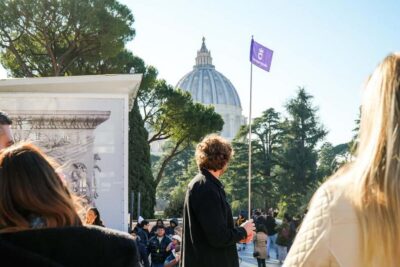
The third practical win is the audio system. The tour provides official Vatican Museum headsets, and you get Wi-Fi at the meeting point. That matters because the museums are loud, groups are large, and explanations can be hard to catch without help.
You can also read our reviews of more museum experiences in Rome

Meeting point, check-in tips, and how not to waste 10 minutes
Your meeting point can vary based on which option you choose. One listed option is Via Sebastiano Veniero, 21, and there are also options tied to the Checkandgotours office.
Here is the real-world tip I’d copy from the experience feedback: don’t stand around under the Michelin sign. Instead, go up the driveway to the office location directly left of the sign for check-in. Those small navigation details can save time, especially when you arrive a little early and want to settle without rushing.
Also, arrive with shoes that can handle uneven surfaces. Even if you consider yourself a “good walker,” Vatican Museums can involve repeated steps, crowded corridors, and slowdowns. Comfortable footwear is not a nice-to-have here, it is how you avoid making the day miserable.
Entering the Vatican Museums: separate entrance, official guidance, and fast orientation
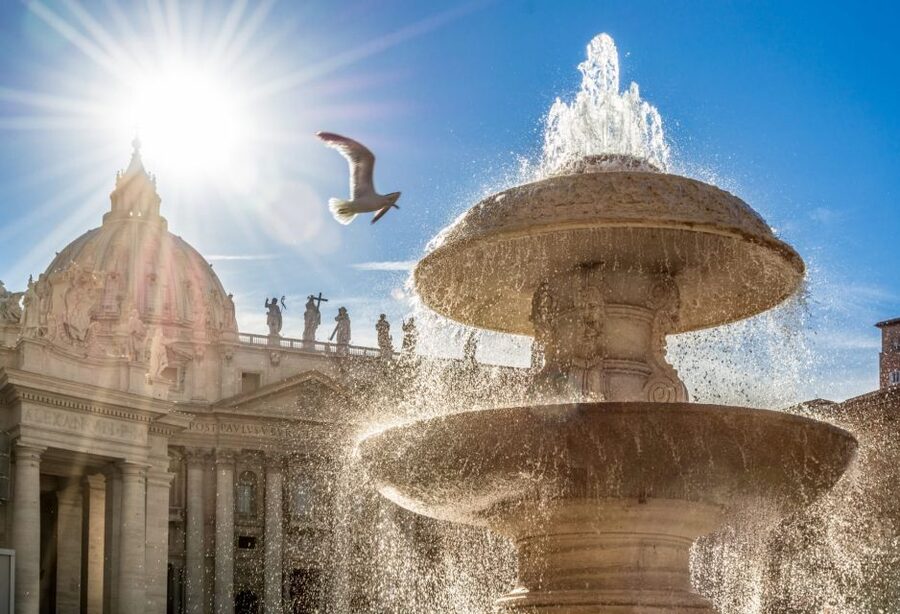
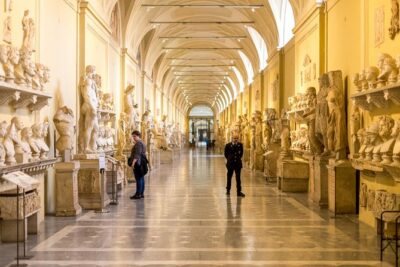
Once you’re in, the tour quickly shifts from logistics to art. The museums open up into a series of galleries, and without context it can become a blur of ceilings, statues, and paintings. With an official tour guide, you get orientation while you’re still fresh, so later scenes make more sense.
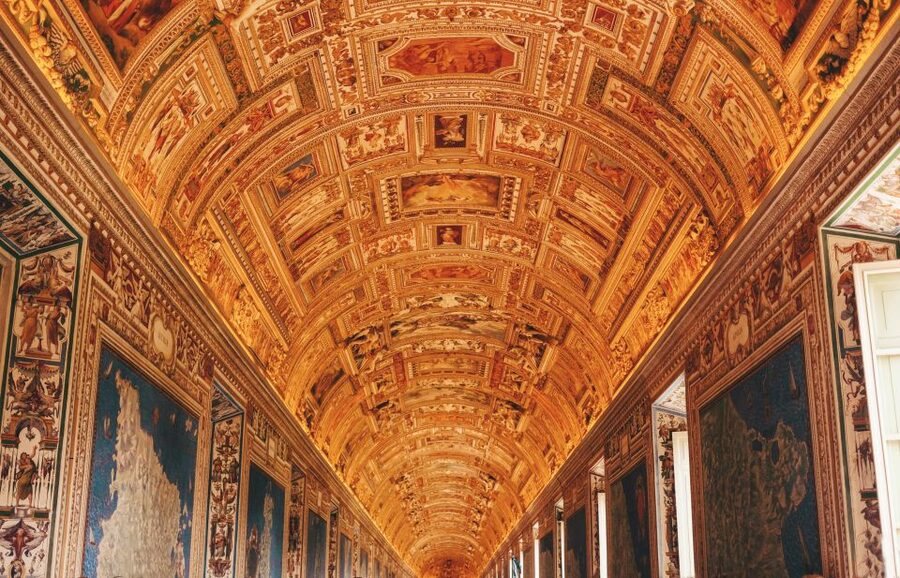
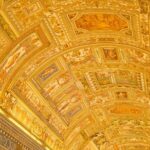
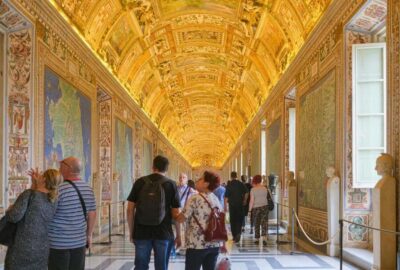
Expect a guided flow through major stops such as the Gallery of Tapestries and the Gallery of Maps, both included in the itinerary. These rooms are not just “pretty extras.” The tapestries help you see how religious and cultural storytelling was staged through textiles, and the maps give you a visual snapshot of how Europeans understood the world at different moments in time.
You will also pass through areas tied to famous artists and specific collections. The experience description points to highlights like Giotto, Leonardo, and Caravaggio in the Pinacoteca, and it also includes a contemporary art section featuring artists such as van Gogh, Matisse, and Moore. That variety is useful if you want the Vatican to feel like more than just one superstar ceiling.
Gallery of Tapestries and Gallery of Maps: where the museum becomes understandable
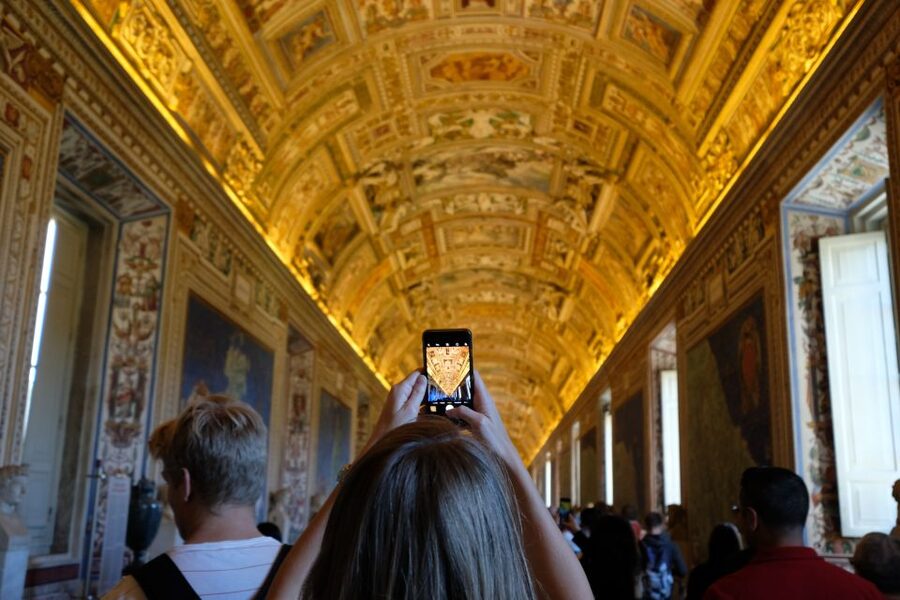
This part of the route is one of the reasons I like organized tours at the Vatican. You are not just staring at isolated masterpieces. You are learning the “why” behind different types of works, and these two galleries are a strong example of that.
In the Gallery of Tapestries, you’ll see how large-scale crafted art functioned as status, education, and storytelling. It is easy to underestimate tapestries compared to oil paintings, but the size and detail make them feel closer to an immersive scene. A guide’s explanations can help you spot what you would otherwise miss, like recurring themes and how the pieces were meant to be read.
Then comes the Gallery of Maps. Maps can sound dry until you realize they connect art, politics, religion, and worldviews. Seeing them in person makes the subject concrete, and the guide can connect the dots about who commissioned what, and what those ideas meant. This stop is also a nice pacing moment. If you’ve been moving quickly through smaller displays, a large, structured room gives your eyes a breather while still keeping you in the guided rhythm.
Sistine Chapel and Raphael Rooms: the main event, and how to get the most from it
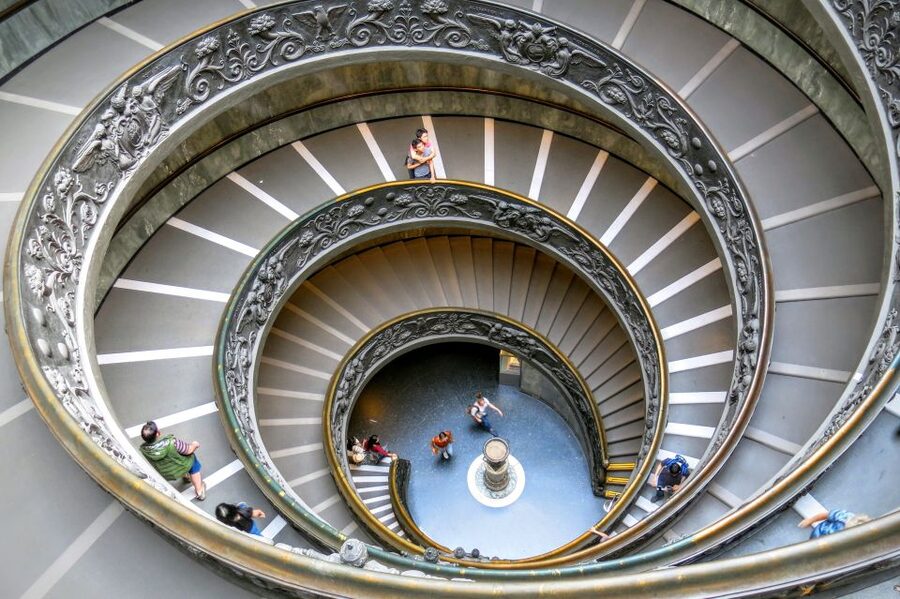
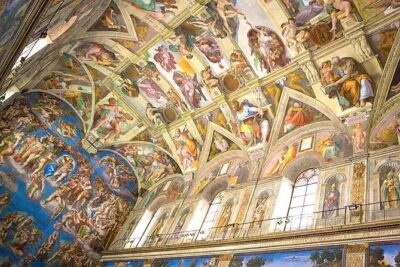
The heart of the tour is the Sistine Chapel visit, with the Raphael Rooms and major Michelangelo and Raphael-focused stops tied into the plan. These are the works people come for, but the real advantage of a guided format is that you can understand them as you look.
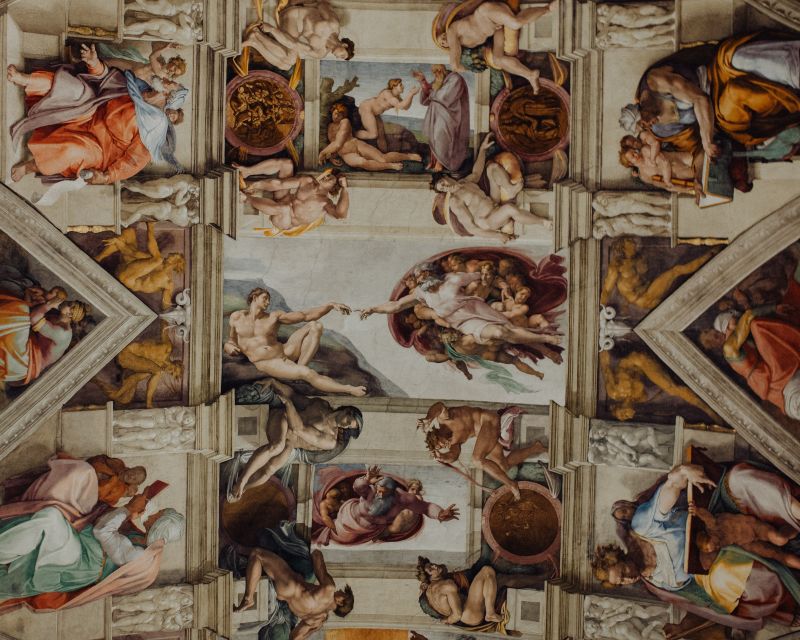
Michelangelo’s Sistine Chapel ceiling is famous, but it is also complex. You can stand there and recognize names, or you can see how the composition works and why certain figures and scenes were placed where they are. A guide’s walk-through can do a lot to “unlock the ceiling” without you needing to be an art historian.
The Raphael angle matters too. Raphael’s work in the Vatican is not just decoration. Your tour includes the Raphael Rooms experience as part of the route, and that helps you see how Raphael’s style and themes relate to the larger Vatican story.
One practical caution: the Sistine Chapel can be crowded, and the experience can become visually and physically packed. That is where staying close to your guide and using your headset properly matters most. Some experience feedback noted that audio can be weaker or distorted if you get far from the guide, including static at times. So, keep your position when the guide stops and talk, and don’t wander off thinking you’re saving time.

The museum “variety pack”: classical antiquity, Egyptian and Etruscan collections
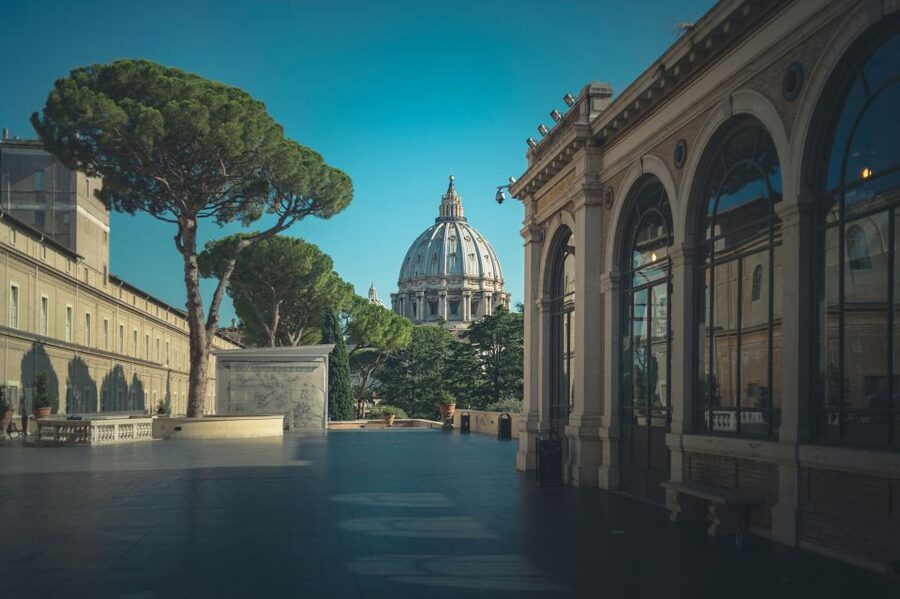
One of the smartest parts of this tour is that it does not only focus on the most obvious art stars. After major painting highlights, the itinerary includes classical antiquity plus Etruscan and Egyptian Museums. That gives you centuries of context in a way that feels less random than a do-it-yourself path.
You’ll also encounter non-European collections in the Ethnological Museum, which broadens the range beyond what most first-time visitors expect. Even if you are primarily a Renaissance fan, seeing how the Vatican collection includes artifacts across time periods helps you understand the museums as a curated global library, not just a single era’s gallery.
A guide’s job here is crucial. These collections are big, and without explanation it can turn into “look, look, look” fatigue. With a structured route, you can actually compare categories and get your bearings while you still have energy.
From Sistine Chapel to St. Peter’s Basilica: the finish plan and timing reality
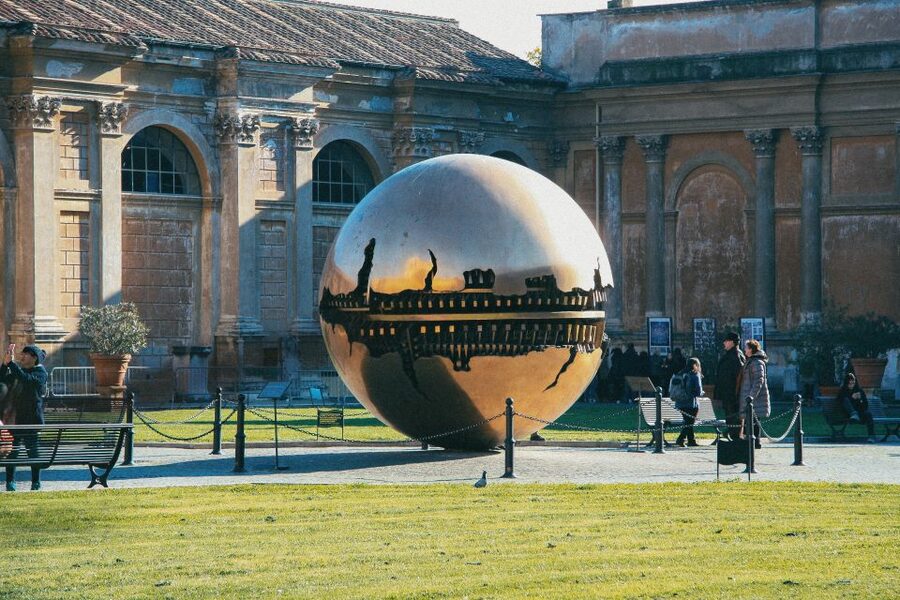
The tour is designed to finish at St. Peter’s Basilica. There is also language in the experience highlights about access to St. Peter’s Basilica if available, plus a note about the dome being dependent on what is offered (and the dome is listed as not included in the core offerings).
This is a good moment to plan your expectations. St. Peter’s Basilica is a big, complex building, and “finish at the basilica” can mean different things depending on how the schedule plays out. What you can count on is the opportunity to transition into the basilica area after the Sistine Chapel section.
If you’re hoping for extra views like dome access, don’t treat it as guaranteed. The experience info specifically says access to the dome is not included. And based on the practical timing pressure inside St. Peter’s, afternoon slots can be tighter if you want to move through passages and stairs efficiently.
Headsets, pace, and crowd management: what to do if audio gets weird
The tour includes official Vatican Museum headsets, plus Wi-Fi at the meeting point. That setup is meant to keep you from shouting across a group.
Here’s what I’d do in practice. Test your headset at the start, keep your volume at a comfortable level, and stay near the guide at major stops. Some experience feedback mentioned that the headset sound quality was not always perfect and that static showed up when people were farther away. You cannot control the crowd, but you can control your distance from the guide and your headset fit.
Pace is another factor. A 2.5-hour duration is the stated length, but Vatican crowds can stretch the feel of your day. Several guides were praised for navigating busy rooms and keeping people moving without leaving anyone behind, and that makes a real difference in whether you leave feeling satisfied or frazzled.
Also, plan for a physically active visit. There are uneven surfaces, repeated steps, and packed corridors. Even if the tour is well organized, you should go in ready to walk.
Dress code and what to bring for smoother entry
This tour has clear dress rules. You should avoid shorts, short skirts, and sleeveless shirts. It is worth preparing before you arrive because enforcement can be strict at Vatican sites, and you do not want to solve a clothing problem mid-day.
Bring comfortable shoes and, if applicable, a student card. The info also notes passport or ID card for children. If your group includes younger travelers, make sure you have the right documentation so check-in does not turn into a scramble.
A small personal rule I follow at places with strict entry rules: wear layers you can adjust. Inside museums you might get warm, and outside you might cool down quickly, depending on the day. You cannot control the Vatican’s microclimate, but you can control your comfort.
Guides make or break this tour: what the best ones do
This is one of those experiences where the guide is not a bonus, it is the product. The feedback here repeatedly highlights guides who kept things engaging, paced well, and helped the group stay together even in high crowds.
Specific guide names that came up include Alex, Ekaterina, Luis, Albena, Juliana, Giuliana, Sandra, Dani, Tatiana, and Marco. The common thread across these praises is people felt they saw more than expected, learned a lot, and got help navigating the crowds without losing the thread of the art.
If you want to get the most out of your headset and your stop-by-stop route, choose a mindset that listens. Ask questions if the guide invites them. Pay attention right when you enter a room, because that is when they usually tell you what to look for.
Price check: does $132.54 feel fair for Vatican Museums plus Sistine Chapel?
At $132.54 per person, this is not a budget tour. But it is also not just “a guide walking you around.” You are paying for skip-the-line access, an official guide, and headset support inside the Vatican Museums.
That combination can be worth it if you care about time and structure. The Vatican’s lines and crowd density can turn an independent plan into a half-day exercise in waiting, then rushing. With skip-the-line entry plus a guided route through major highlights like the Sistine Chapel and Raphael Rooms, you’re buying back usable sightseeing time.
You should also factor in what is not included. Hotel pickup or drop-off is not provided, food and drinks are not included, and dome access is not included. If you already plan to arrive near the Vatican and you can handle walking, the tour’s cost feels more aligned with what you gain.
Who should book this tour, and who might want a different plan?
I think this tour fits best if you:
- want the Vatican Museums and Sistine Chapel experience with clear guidance
- value skip-the-line entry and a structured path through crowded rooms
- like art history explanations, not just self-paced wandering
- are comfortable walking on uneven surfaces and handling stairs
It is not recommended if you have walking disabilities or if you use a wheelchair. The tour information is explicit about uneven surfaces and limited fit for mobility needs.
It can also be a smart first-time Vatican choice because you get a guided tour that helps you understand what you are seeing. If you’re the type who wants to return later for a slower, do-your-own pace pass, this tour can help you learn what to prioritize the second time.
Should you book this Vatican Museums and Sistine Chapel tour?
Book it if your top goals are efficient entry, a guide who explains what matters, and a smooth route through the big highlights. The official guide plus headset system, together with skip-the-line access, is the core value, and it is exactly what reduces stress in one of the busiest museum complexes in Europe.
Skip or rethink it if you want a fully self-paced experience, you have mobility challenges, or you know you get frustrated when crowds compress your movement and your ability to hear varies. In that case, you might prefer a plan that gives you more control over timing and space.
If you do book, go in dressed correctly, bring comfortable shoes, and stick close to the guide during key stops like the Sistine Chapel. That is how you turn a crowded visit into a satisfying one.
FAQ
How long is the Vatican Museums and Sistine Chapel tour?
The duration is listed as 2.5 hours. Starting times vary, so you should check availability for the slot you want.
Does this tour include skip-the-line entry?
Yes. The tour includes skip-the-line Vatican Museums entry and uses a separate entrance for faster entry.
What’s included in the tour price?
Included are the skip-the-line entry ticket, an official tour guide, guided tour of the Vatican Museums, Sistine Chapel visit, and official Vatican Museum headset. Wi-Fi is also provided at the meeting point.
What is not included?
Hotel pickup and drop-off are not included, and the tour does not include food and drinks. Dome access is also not included.
What languages is the live guide offered in?
The live guide is listed in English, Russian, Portuguese, and Spanish.
Where does the tour start and end?
The meeting point may vary depending on the option booked. The itinerary lists St. Peter’s Basilica as the finish, while the general activity info also says it can end back at the meeting point, so confirm your exact option details.
What should I wear?
You should wear clothing that follows Vatican rules: no shorts, short skirts, or sleeveless shirts.
What should I bring?
Bring comfortable shoes. A student card is mentioned, and for children you’ll need a passport or ID card.
Is the tour suitable for wheelchair users or limited mobility?
No. The tour is not recommended for walking disabilities or wheelchair users due to uneven surfaces.
Is there a cancellation policy or pay later option?
Yes. Free cancellation is available up to 24 hours in advance for a full refund, and there is a reserve now and pay later option. Disabled visitors and a guest receive free entry to the Vatican Museums if they mention it at booking.
More Museum Experiences in Rome

More Tours in Rome
More Tour Reviews in Rome
Not for you? Here's more nearby things to do in Rome we have reviewed






Vatican Tours, compared.
 ★ 4.5Vatican: Museums & Sistine Chapel Entrance TicketFrom $38144,003 reviews
 ★ 4.3Vatican Museums & Sistine Chapel Tour with Optional BasilicaFrom $7967,413 reviews
 ★ 4.5Vatican Museums, Sistine Chapel & St Peter’s Basilica Guided TourFrom $2239,149 reviews
 ★ 4.3Vatican Museums, Sistine Chapel & Basilica TourFrom $13013,872 reviews
 ★ 4.4Vatican Museums & Sistine Chapel Skip-the-Line Entry TicketFrom $4313,838 reviews
★ 4.7Vatican Museums, Sistine Chapel & Basilica TourFrom $7213,217 reviews
★ 4.4Vatican Museums & Sistine Chapel Skip-the-Line Entry TicketFrom $4313,838 reviews
★ 4.7Vatican Museums, Sistine Chapel & Basilica TourFrom $7213,217 reviews
 ★ 4.5Skip-the-Line Group Tour of the Vatican, Sistine Chapel & St. Peter’s BasilicaFrom $3012,779 reviews
Vatican Museums & Sistine Chapel Guided TourFrom $11812,117 reviews
★ 4.5Skip-the-Line Group Tour of the Vatican, Sistine Chapel & St. Peter’s BasilicaFrom $3012,779 reviews
Vatican Museums & Sistine Chapel Guided TourFrom $11812,117 reviews