
Reviewed · WALKING TOURS
Rome:”The Scandalous Life of The Borgia Family” Walking Tour
Cesare and Lucrezia walk these streets too. I love the story-first format that connects art and architecture to the Borgias’ plots, and I really like the small-group feel that keeps things interactive. One possible drawback: the tone is part history, part rumor, so if you want zero debate on dates and identifications, you’ll want to double-check details on your own.
You start close to the action, at Via Cavour, then work through a smart loop of Roman layers, from ancient ruins to medieval towers and gothic churches. The tour also includes church stops, so plan to dress appropriately.
Key things that make this tour worth your time
- The only tour focusing on the Borgia family in this specific, walking format
- Renaissance art meets scandal stories, so you see places with context, not just plaques
- Cesare’s escape routes and hidden-passage talk, explained in the streets where it would have mattered
- Views from above that help you picture how the city was arranged in earlier centuries
- A finishing point at Palazzo Farnese, which feels like a strong narrative close
Rome in 3 Hours, Borgias Up Close
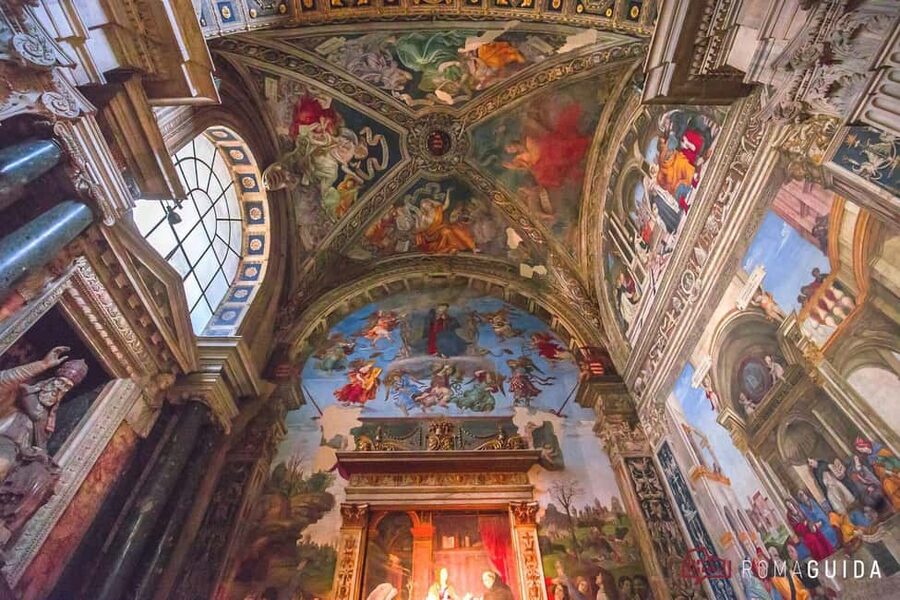
This is not a “here’s a statue, here’s a date” kind of walk. It’s a narrative walking tour, where Rome’s buildings become part of the Borgias’ world, from political maneuvering to court intrigue. You’re in motion, so the story stays lively, and the city keeps doing what it does best: unfolding on your feet.
At 3 hours long, it’s also a good match for most trip schedules. You’ll cover a central chunk of Rome without exhausting yourself with long transit links. And because the group is limited to 10, you’re more likely to get real answers to your questions as you go.
The theme is big, but the delivery stays practical. You learn how the family’s reputation fits into the physical layout of the city, especially where power concentrated and where escape routes would have been plausible.
You can also read our reviews of more walking tours in Rome

Meeting at Via Cavour, Finding the Borgia Stairs Fast
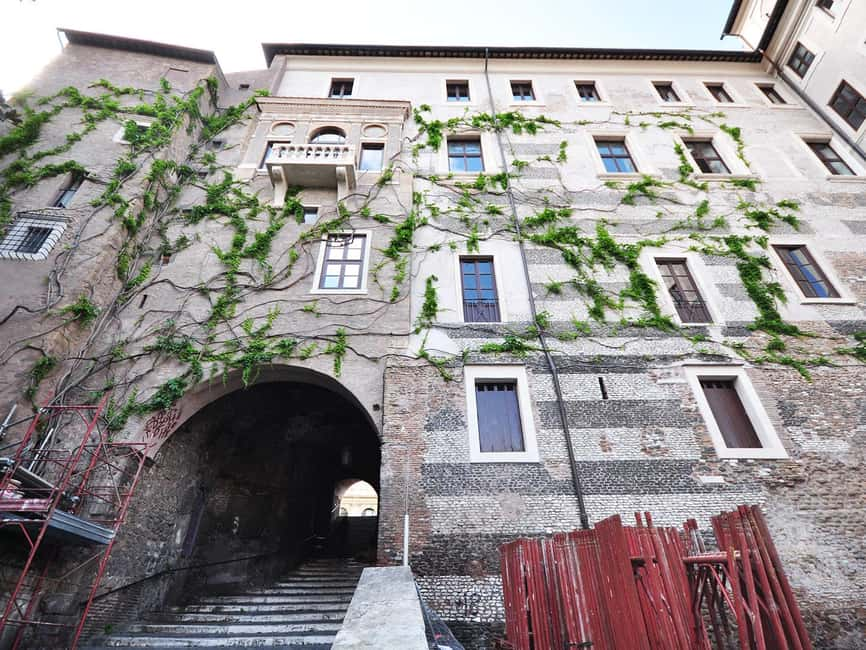
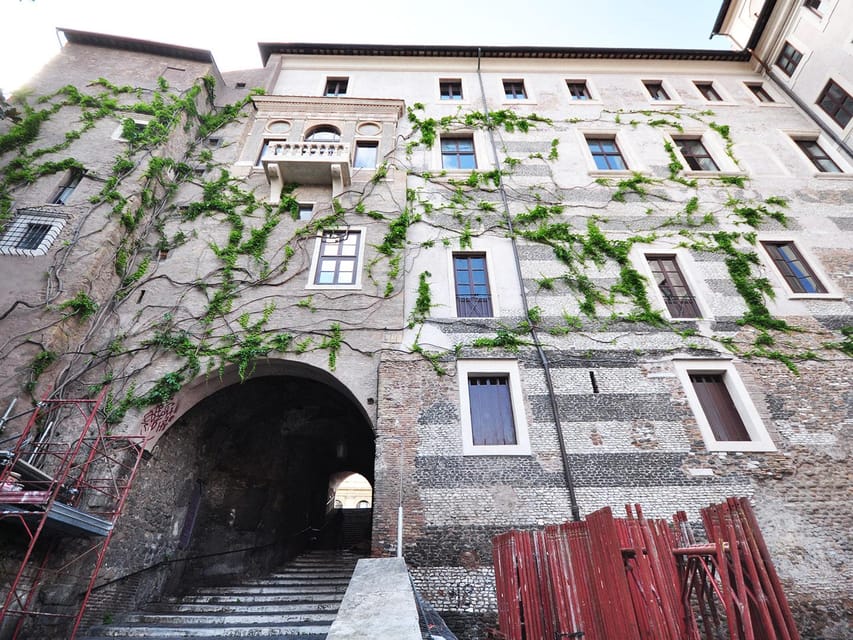
Your meeting point is Via Cavour 256a, right in front of the big Borgia Stairs. That matters more than it sounds. Starting in the right spot in central Rome saves time and cuts down the “where are we” stress that can eat the first 20 minutes of a tour.
From there, you get an immediate sense of place. This is a neighborhood where Rome’s layers overlap, and the route is designed to keep you moving from one historical “chapter” to the next. It’s also a natural setting for the tour’s main idea, the Borgias as a Renaissance force you can literally walk alongside.
If you’re pairing this with other sites that day, plan your schedule so you’re not rushed. A tour with multiple story beats works best when you have a little slack for photo stops and street moments.
Borgia Stairs to Raphael’s Balcony: The Story Gets Personal
The walk starts with the Borgias’ stairs area and the balcony associated with Raphael. That opening is smart because it frames the tour’s two halves right away: Renaissance art and family intrigue.
From there, the guide builds the narrative by pointing out how Cesare Borgia’s story connects to Roman space. The tour includes talk about secret passages used by Cesare to escape the Pope’s soldiers. Even if you don’t treat every claim like courtroom evidence, standing in the streets where these stories were plausible helps you understand why people believed rumors and why power made people paranoid.
This is also the moment when you’ll feel the “why this tour is different” factor. You’re not just learning the Borgias as characters. You’re using the city itself as the map.
Rione Monti and the Art of Seeing Layers
After the start, you move into Rione Monti, and then head toward the Roman world through the area around Trajan’s Market. Monti is one of those Rome neighborhoods where you can see the city’s old bones under the newer face. That makes it an excellent staging ground for a tour that jumps between centuries.
At this point, the tour’s pacing feels right. You get a quick stop to orient your eyes, then you’re guided into the next set of landmarks. The goal is not to linger forever at one place. It’s to keep the story flowing while you still get meaningful context.
One nice bonus of this structure is that it helps you stop “collecting facts” and start “collecting understanding.” You begin to see how Renaissance power sat on top of ancient foundations, and how later Rome reused and repurposed earlier spaces.
Trajan’s Market and Trajan’s Column: Ancient Power Signals
The tour includes guided time at Trajan’s Market and Trajan’s Column. These aren’t just impressive ruins. They’re reminders that Rome has always used monuments to tell political stories.
Trajan’s Column is especially useful in a tour like this because it’s visual messaging. You can stand near it and grasp why rulers wanted their narratives carved in stone. When the tour then shifts back to the Borgias, the contrast becomes part of the experience: different era, same impulse, different style.
Trajan’s Market adds a second layer, the scale and complexity of Roman urban life. It helps you understand what kind of city the Borgias were inheriting, and why “escape” and “movement” would have mattered in a crowded maze of streets and structures.
If you enjoy architecture you can read, this portion will feel rewarding. If you want only the scandal bits, it might seem like a detour at first. But it becomes the groundwork for why the Borgias’ rise felt so dramatic.






Piazza Venezia and Palazzo Venezia: Renaissance Politics in Plain Sight
Next comes Piazza Venezia and then Palazzo Venezia, with guided time at both. This stop tends to work well because it’s one of those Rome locations that feels important the second you arrive. Even without any story, the space suggests power and official presence.
The value here is in the guide’s interpretation. You’re not looking at buildings in isolation. You’re learning how location, visibility, and access affect politics. That’s exactly the stuff that makes the Borgias story click, because their world was built on leverage.
If you like connecting human behavior to urban layout, you’ll probably enjoy this stretch. It’s also a good moment to pause and look around before the tour continues. Rome can feel like a blur when you’re walking fast, so a structured viewpoint stop helps you reset your mental map.
Largo di Torre Argentina and Santa Maria Sopra Minerva: Where Stories Touch Stone
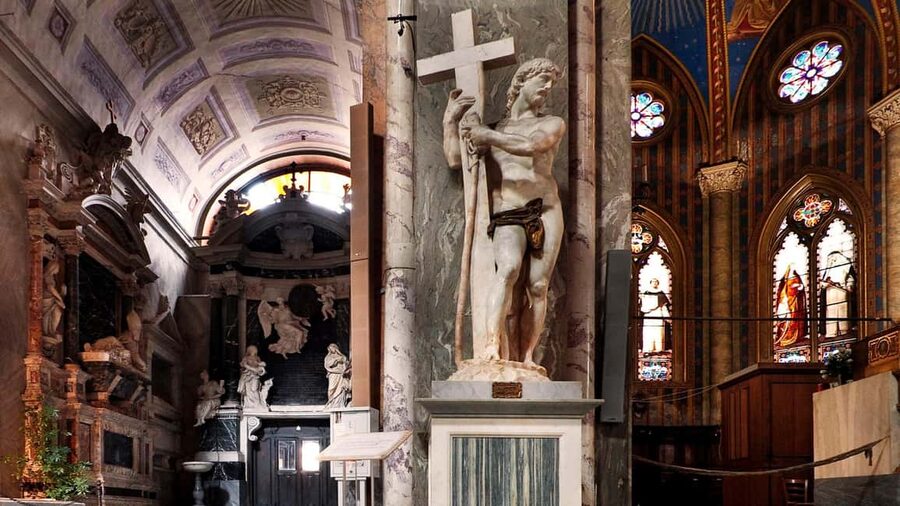
The tour heads to Largo di Torre Argentina and then to Santa Maria Sopra Minerva, including guided time at both. These stops shift the mood toward the medieval and gothic feel, while still keeping the older city close in the background.
Largo di Torre Argentina is a strong narrative stop because it’s tied to layers of Rome that feel like multiple cities folded into one. Santa Maria Sopra Minerva adds the church experience you should plan for. This tour includes church visits, so wear clothes that respect that setting. That’s not just about rules. It also helps you feel comfortable moving and standing inside.
This part of the tour is where the “scandals and revenge” theme can feel especially vivid. Church and politics were often tangled together in the Renaissance. When your guide ties that to the Borgias, you start to understand why a rumor, a betrayal, or an accusation could become life-changing fast.
Cross the Center to Piazza Farnese: The Ending That Feels Like a Payoff
The tour finishes at Piazza Farnese, which is a great choice for closure. A finish in a piazza gives you space to regroup, scan the area, and feel like you’ve arrived somewhere rather than just checking off a list.
Along the way, the tour includes time to see medieval towers, gothic churches, and Palazzo Farnese, with the promise of a final twist. You’ll feel the narrative build toward the end, with the guide connecting what you’ve seen to what came next in the Borgias story.
Practically, Piazza Farnese is also a good launch pad. It’s easy to continue exploring nearby on foot or grab a plan for your next stop without feeling like you’re stranded at the edge of nowhere.
Price and Value: Why $77 for 3 Hours Can Actually Be Fair
At $77 per person for a 3-hour walking tour, you’re paying for more than movement. You’re paying for a guide who can connect multiple eras in a way that feels like a single story.
The biggest value drivers here are:
- Small group size (limited to 10), which makes it easier to ask questions and stay engaged.
- A private and semi-private guide format, which typically means more attention than you get in huge groups.
- A tour theme that’s specific, the Borgias, rather than a generic “Rome center highlights” walk.
For me, the math is about your interest level. If you love Renaissance Rome, and you want locations tied to the Borgias without relying only on TV plots, this price can feel very reasonable. If you just want background and you’re not excited by the scandal-and-politics angle, you might find other Rome walks offer better variety for your money.
Who This Tour Fits Best (and When to Skip It)
This tour fits best if you’re in one of these moods:
- You like art, architecture, and politics tied into one narrative.
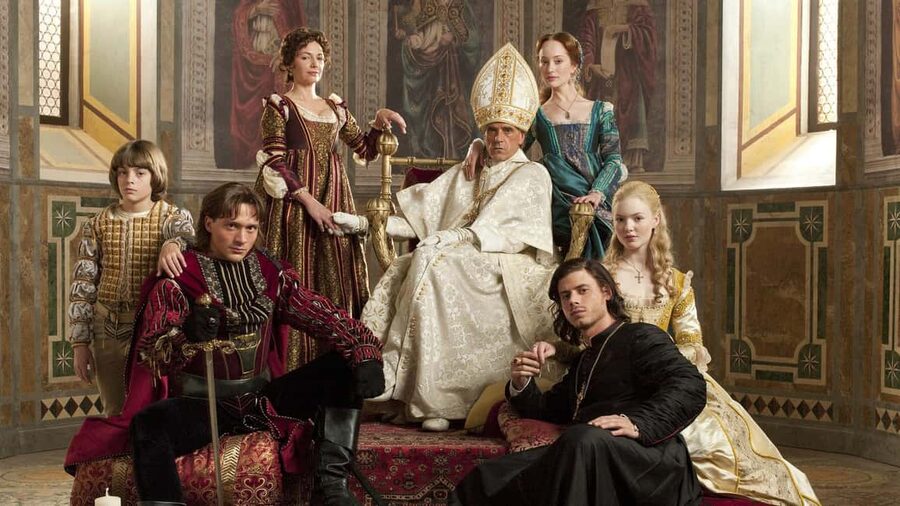
- You watched something about the Borgias and want to see real places behind the story.
- You enjoy guides who can explain rumors in context, and still connect the dots to the city.
It might be less satisfying if you prefer tours that focus only on verified facts with zero interpretation. One participant raised concerns about certain historical details, like dates or identifications, and also questioned a claim about when Lucrezia met Alfonso d’Este. That doesn’t mean the tour is “bad,” but it does mean you should treat the Borgias story as guided storytelling built around real locations, not as a spreadsheet of dates.
My practical advice: if you care about strict accuracy, bring a note-taking mindset. Let the guide’s narrative give you the bigger picture, then check one or two details later in your own time.
Church Stops and Dress: A Small Detail That Saves Hassles
The tour includes church visits, so dress appropriately. That means clothing that covers shoulders and knees is the safest bet. Even if you’re just planning a quick stop, you’ll want to be comfortable standing and moving.
This matters because churches can slow tours down when people have to improvise. Dressing right means you keep the pacing, and you avoid awkward moments at the entrance.
If you’re also wearing heavy shoes for walking, you’ll be glad. This is a walking route, and Rome sidewalks do not always forgive. Good grip shoes make the experience smoother.
A Quick Reality Check: Story Tone vs Historical Precision
I like this kind of tour because it treats Rome like a living text. The Borgias make that approach especially fun. Still, it’s worth keeping a realistic expectation: Renaissance scandals come with competing versions, and different guides may phrase certain stories differently.
So I suggest you use the tour in the spirit it’s meant for. Let it give you context, location, and motivation. Then, if something really matters to you, confirm details after you’re back in your hotel or using a reliable reference.
If you do that, the tour becomes a satisfying blend: you get the drama plus the city literacy.
Should You Book This Borgia Walking Tour?
Yes, if you want a small-group, 3-hour Rome walk that ties Renaissance art to the Borgias’ scandal world, this is a strong pick. The route is well suited to a first-timer who wants more than the usual highlight list, and it ends in a place that’s convenient for continuing your day.
Book it especially if you like guides who can answer follow-up questions and explain why a story spread the way it did. If you’re only interested in strict fact checking, or you get annoyed when guides simplify complex timelines, you might prefer a more academic tour style.
FAQ
Where is the meeting point?
You meet at Via Cavour 256a, just in front of the big Borgia Stairs.
How long is the tour?
The tour duration is 3 hours.
What languages is the tour offered in?
The live tour guide speaks English and Italian.
Is this a small group tour?
Yes. The group is limited to 10 participants.
Does the tour include church visits?
Yes. The tour includes visits of churches, so dress appropriately.
What should I know about cancellation?
Free cancellation is available up to 24 hours in advance for a full refund.
More Walking Tours in Rome



More Tours in Rome



More Tour Reviews in Rome
Not for you? Here's more nearby things to do in Rome we have reviewed












Walking Tours, compared.
 ★ 4.9Trastevere & Campo de Fiori Street Food Walking TourFrom $512,768 reviews
 ★ 4.9Paranormal Night Walking Tour & Secret BackstreetsFrom $341,921 reviews
 ★ 4.4Guided City Center Evening Sightseeing Walking TourFrom $46953 reviews
 ★ 4.5Best of Rome Walking Tour including Trevi FountainFrom $4923 reviews
 ★ 4.8Under the Moonlight Evening Walking TourFrom $28852 reviews
 ★ 4.9Forbidden History Walking Tour & Pub Crawl with DrinksFrom $61688 reviews
 ★ 5.0Guided Small Group Walking Tour of City HighlightsFrom $30682 reviews
 ★ 4.5Rome Walking Tour with Piazza Navona, Trevi Fountain and PantheonFrom $35676 reviews
Browse the lists this tour appears in