
Reviewed · WALKING TOURS
Rome: Temples, Squares & Markets Guided Walking Tour
Rome’s ancient layers can feel like a maze. This 3-hour private walk threads the city’s big icons with calmer corners, starting at Sant’Ignazio di Loyola and ending at Tiber Island. I especially liked the quick-hit stops that explain what you are actually looking at, like the Pantheon and the Temple of Portunus area. I also enjoyed the street-food tasting, where you get a taste of what Romans snack on in daily life. One possible drawback: attraction tickets are not included, so you may still need to pay entry fees for certain sights.
The vibe here is personal. You are with a local host for a fully private experience, and the route can be adjusted to match your interests. Guides like Juan and Daniele are repeatedly praised for being warm, on time, and willing to tailor what you see, which matters a lot when you only have a few hours in Rome.
Key things I’d circle before you book

- Private, undivided-attention hosting so you can ask questions and adjust the route
- Pantheon plus multiple temple-and-ruin stops with practical, on-the-ground context
- Roman street food tasting featuring supplì and guidance on what to try in Rome afterward
- Talking statues and major squares like Piazza Navona, Campo de’ Fiori, and the Jewish Ghetto area
- Big ancient landmarks on foot including Circus Maximus and Palatine Hill viewpoints
- Finish near Tiber Island so you can keep exploring without backtracking
Starting at Sant’Ignazio di Loyola, then easing into Rome’s stories
The tour starts at the entrance of the Chiesa di Sant’Ignazio di Loyola, and that is a smart move. Instead of launching straight into ruins, you begin with a baroque interior that helps you get in the right mindset for Rome: layers, art, and meaning stacked on top of older eras.
At Sant’Ignazio, you get a guided look at the frescoed ceiling and the church’s baroque atmosphere. This is the kind of stop that makes the rest of the walk feel more connected. You are not just collecting landmarks, you are learning how Romans have shaped meaning into architecture for centuries.
Because this is a private group, you can ask the kind of questions that usually get lost in bus tours. If you care more about art details, you can lean into that. If your focus is archaeology and ancient Rome, your host can emphasize what you see as you move along.
You can also read our reviews of more walking tours in Rome


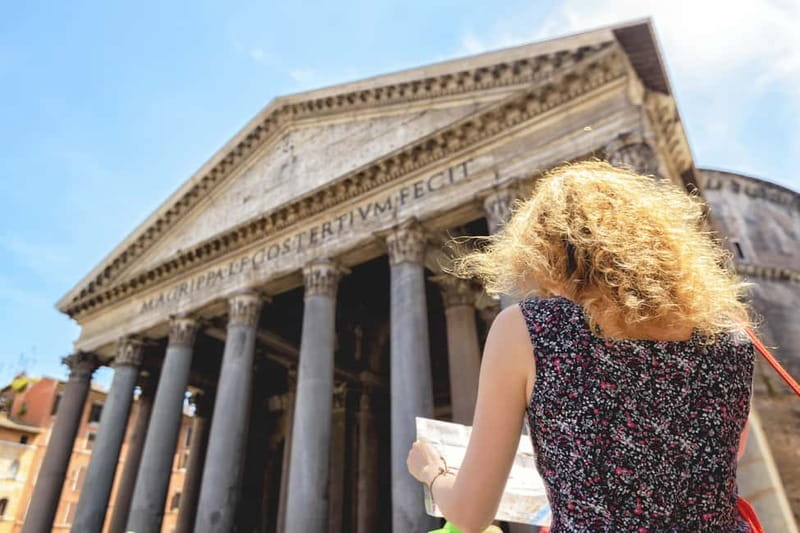
Pantheon and the obelisk explanations you will actually remember
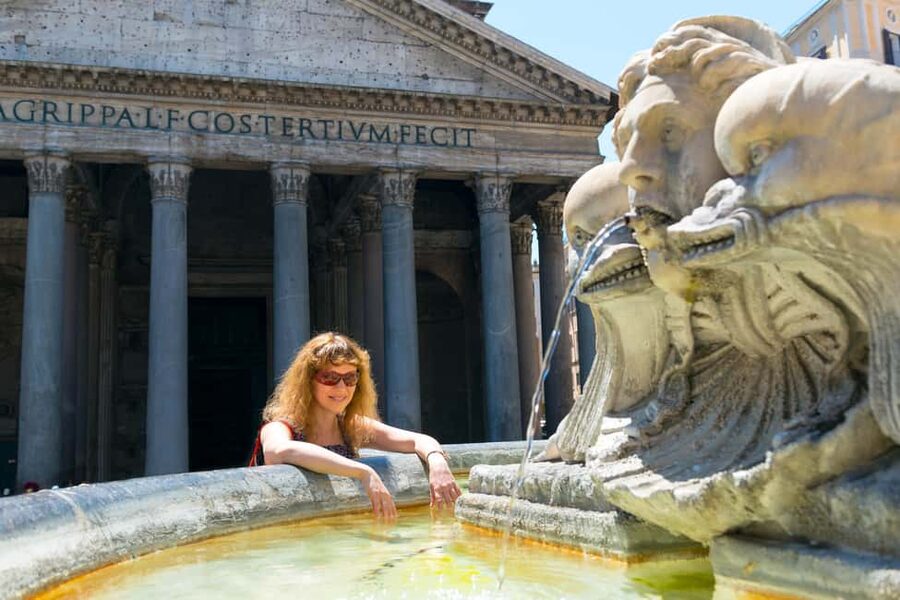
Next up is the Pantheon. Even if you think you already know it, having a guide point out specific features changes the experience. The Pantheon is one of those rare spots where your eyes keep finding new details, and having context makes the time feel efficient rather than rushed.
One highlight here is the explanation of Rome’s obelisks. You will hear how some of them are thousands of years old and were brought from Egypt. That matters because Rome did not just build new monuments, it also collected powerful symbols and reused them in Roman ways. You start seeing the city like a museum that is also a living street network.
If you plan to visit other major churches and ruins later, this Pantheon segment helps you calibrate what to look for. For instance, you learn what is visually significant right away instead of guessing.
Piazza Navona, talking statues, and what the square was built for

From the Pantheon, the route heads toward Piazza Navona. You get guided time in the square, which is perfect because Piazza Navona is more than a pretty postcard. It is a designed space with a long history of public life.
Your host also explains the so-called talking statues, a unique Rome phenomenon you typically only hear about once you are standing there. It is the kind of detail that turns a stop from scenic to memorable, especially if you enjoy quirky local traditions.
This is also a good moment to slow down and look around. Notice how the space shapes sound, movement, and crowds. Even during busy hours, a guide helps you pick where to stand so you do not spend the whole time fighting foot traffic.
Campo de’ Fiori and the street-food tasting that feels like a real day in Rome
Then comes Campo de’ Fiori, and this stop is where the tour shifts from monuments to daily city life. You will see the food market atmosphere and get a guided introduction to what makes the area feel local.
You also get a street-food tasting, and the tour description specifically calls out supplì. You can think of this as your edible orientation. You get one taste, plus guidance on the kinds of products to look for afterward. The tour also gives a sense of the street-food culture, where simple items show up quickly in everyday routines.
Here is how to get extra value from this part: decide beforehand what you usually like. If you enjoy fried snacks and comfort-food flavors, lean into it. If you are cautious with spice or unfamiliar ingredients, tell your host so they can guide you toward safer picks in the tasting and in their recommendations afterward.
Largo di Torre Argentina and Portico d’Ottavia for ruins with political drama
From Campo de’ Fiori, the walking route moves into archaeological territory around Largo di Torre Argentina. This is one of those Rome sites that feels like history in motion. Your guide explains why this area mattered, including the connection to the Ides of March and Julius Caesar.
If you like stories that make ancient places feel less abstract, this stop works. It takes the famous event you may have heard about and ties it to real streets and real ruins. You look at stones and suddenly the timing and stakes feel clearer.
Next, you pass through the Portico d’Ottavia area, with a guided focus that helps you see why ruins are not just old, they are evidence. You also get more of that “Rome as an overlapping timeline” feeling, moving from classical remains to later layers right within a short walk.
You can also read our reviews of more guided tours in Rome





Temple of Portunus, the Mouth of Truth, and the film connection
You visit the Temple of Portunus, another stop that many first-time visitors skip or only glance at. Here, you get guided time that helps you connect the temple with the city around it rather than treating it as a single photo opportunity.
Then the tour heads to the Mouth of Truth. This is the stop that often brings out smiles, because it is forever linked to Audrey Hepburn in Roman Holiday. Even if you did not grow up with that movie, the cultural pop-reference makes the place feel instantly approachable.
The practical value is that your host can explain how the site functions as both a real location and a modern story magnet. That combo is very Rome: ancient objects become part of contemporary culture, and people show up for both reasons.
The Jewish Ghetto section and why this neighborhood’s feel matters
The tour includes time in the Jewish Ghetto area. What you are looking for here is not just a quick photo. Your host frames it as a neighborhood that seems frozen in time, while still being authentically itself.
This is where a good guide makes the difference. You should come away understanding that the area’s atmosphere is part history and part lived identity. It is not a theme park moment. It is a place with its own rhythm and character.
Also, this stop slots into the walking flow with smart pacing. You are seeing some major ancient and baroque landmarks, then you step into a different scale of Rome: tighter streets, more local texture, and a clearer sense of community.
If you have food and art on your mind, this is a good point to ask your host what to try nearby after the tour. You will get a list of ideas tailored to the area you just walked through.
Circus Maximus, Palatine Hill, and the imperial scale of Rome
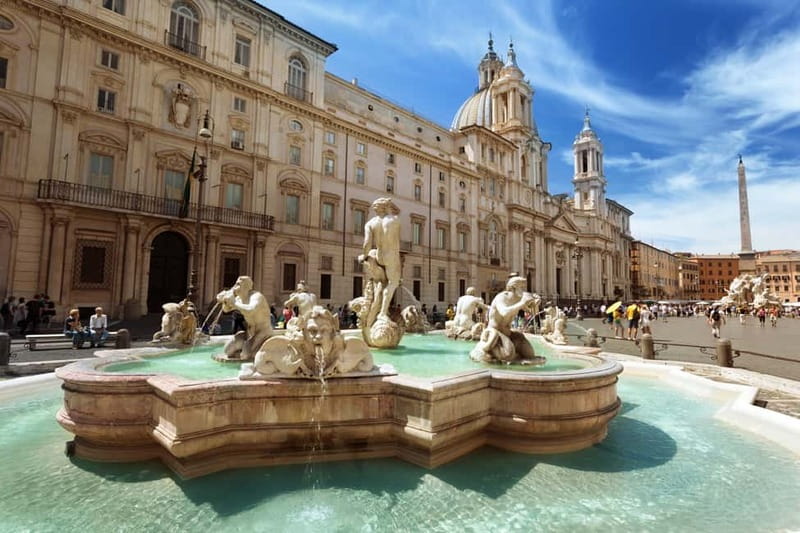
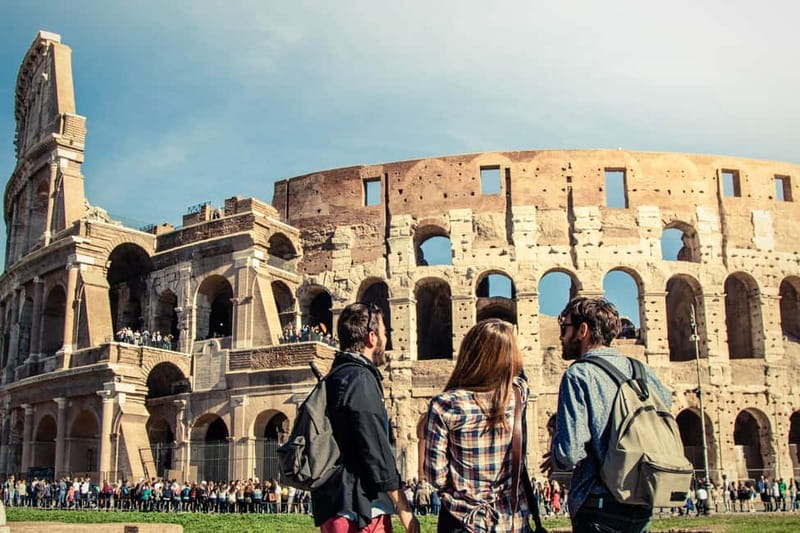
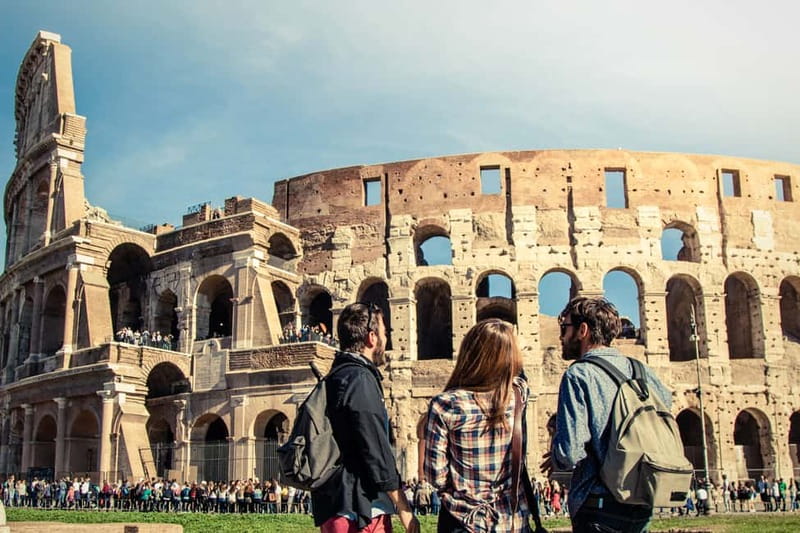
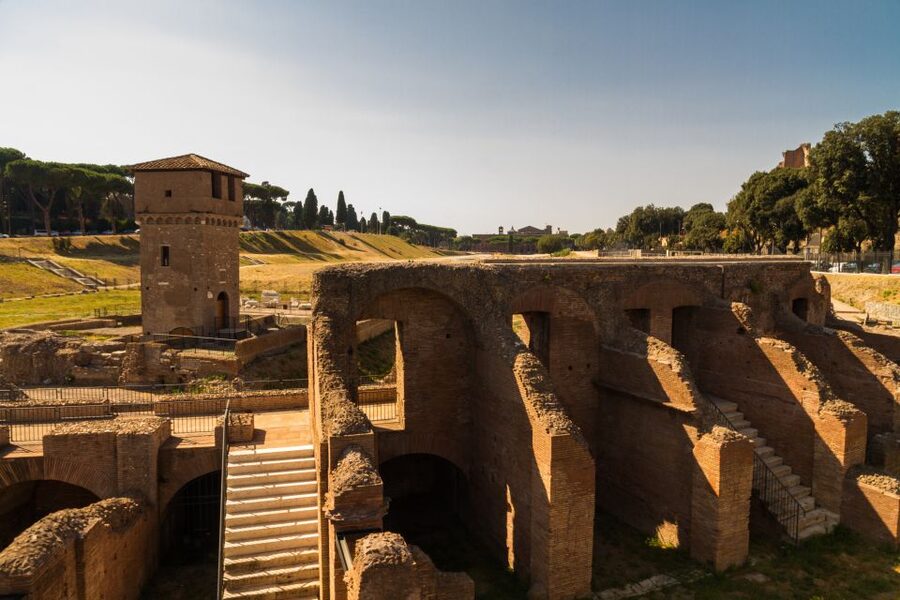
After the ghetto and temple stops, the tour transitions into huge-in-your-head Rome moments. You get a view of Circus Maximus and Palatine Hill, including a sense of why the rulers of the most powerful empire called this area home.
Even if you cannot see every detail from street level, the guide helps you picture the scale. This is where explanations about how Rome worked as a political and social system make the stones feel bigger than the street around them.
You will also see the remains of the Imperial Palace. Again, even without getting deep into museum-level access, guided context turns “I see ruins” into “I understand what kind of place this was.”
This segment is ideal if you want your Roman history to feel physical. Walking helps. You are forced to look from angles you would not pick on your own, and your host helps you connect views across the route.
Tiber Island finish and turning the tour into a smarter remaining day
The tour ends at Tiber Island, which is a good place to wrap up. It gives you a natural transition point for the rest of your afternoon or evening.
Before saying goodbye, your local host gives recommendations for where to eat and shop, plus tips that can save you time. That part is underrated value. In Rome, good suggestions can be the difference between wandering and having a plan.
If you still have energy, use the final minutes to ask targeted questions. Ask what neighborhood vibe to pick next based on your food preferences. Ask what sights you can reasonably fit in after the tour, knowing that tickets and lines can change how the day goes.
Price and value for a 3-hour private Rome walk
The price is $79.30 per person for about 3 hours, and that includes a local guide plus 1 street food tasting. Tickets to attractions are not included.
Here is how I think about value. For first-time Rome visitors, $79.30 can feel small compared to the cost of paying separate entries without guidance. The bigger value is in what you gain from a guide who can connect stops, explain what matters, and keep your time efficient.
Also, the tour is private, with fully undivided attention. If you are traveling as a small group, or you simply want someone to respond to your pace and interests, private guidance can be a great match.
The main cost consideration is tickets. If you plan to enter several attractions, budget for additional entry fees. If you are comfortable mostly sightseeing from outside and using guided context to interpret what you see, the ticket gap may not hurt as much.
Who this tour fits best
This walking tour works best if you want:
- A tight introduction to major Rome highlights and lesser visited angles
- A guide-driven experience that helps you understand what you see, quickly
- A food moment that is practical, not just a sightseeing break
- Flexibility, since the route can be customized
It is also a good pick if you want a structured route without feeling locked into a rigid schedule. The private format helps you slow down when something catches your eye, or move faster when you are hungry for the next stop.
Should you book this Rome Temples, Squares & Markets tour?
I think you should book if you want a focused Rome overview that balances big names like the Pantheon with a real sense of street life in places like Campo de’ Fiori and the Jewish Ghetto. The street food tasting and the guide’s explanations about obelisks, the talking statues, and the Ides of March connections give you more than photo ops.
I would skip or rethink if you strongly prefer unguided freedom and you plan to cover those same sights on your own with little interest in narrative context. Also, since tickets are not included, consider whether you are willing to pay separate entry fees or stick to the guided look-from-outside approach.
FAQ
How long is the Rome Temples, Squares & Markets Guided Walking Tour?
It lasts about 3 hours.
What is the price per person?
The price is $79.30 per person.
Where does the tour start and end?
It starts at the entrance of the Church of Sant’Ignatius of Loyola. The itinerary lists the finish at Tiber Island, while the activity notes say it ends back at the meeting point.
What is included in the tour?
The included items are a local guide and 1 street food tasting.
Are tickets to attractions included?
No. Tickets to attractions are not included.
What language is the live guide available in?
The live tour guide is available in Spanish, Italian, and English.
Is this tour private?
Yes. It is a private group and described as a fully private tour with undivided attention.
Is there a cancellation option?
Yes, there is free cancellation up to 24 hours in advance for a full refund.
More Walking Tours in Rome



More Tours in Rome


More Tour Reviews in Rome
Not for you? Here's more nearby things to do in Rome we have reviewed












Walking Tours, compared.
 ★ 4.9Trastevere & Campo de Fiori Street Food Walking TourFrom $512,768 reviews
 ★ 4.9Paranormal Night Walking Tour & Secret BackstreetsFrom $341,921 reviews
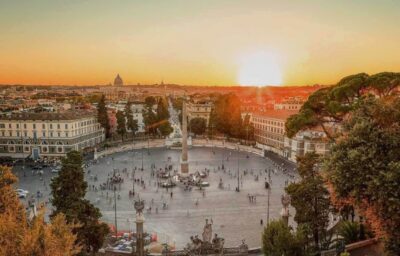 ★ 4.4Guided City Center Evening Sightseeing Walking TourFrom $46953 reviews
 ★ 4.5Best of Rome Walking Tour including Trevi FountainFrom $4923 reviews
 ★ 4.8Under the Moonlight Evening Walking TourFrom $28852 reviews
 ★ 4.9Forbidden History Walking Tour & Pub Crawl with DrinksFrom $61688 reviews
 ★ 5.0Guided Small Group Walking Tour of City HighlightsFrom $30682 reviews
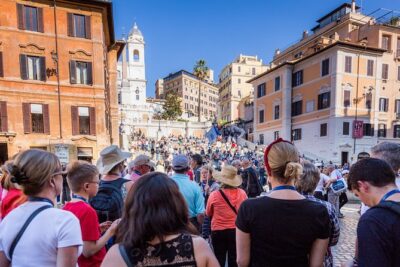 ★ 4.5Rome Walking Tour with Piazza Navona, Trevi Fountain and PantheonFrom $35676 reviews
Browse the lists this tour appears in