
Rome turns spooky fast after dark. This haunted history walk threads you through executions, poisonings, and ghost legends tied to real corners of the city. You start near Castel Sant’Angelo and end at Campo de’ Fiori, with stops that explain why certain places in Rome feel heavier than others, even in daylight.
Two things I really like: the tour’s storytelling style, led by Mike, is funny and captivating while still sticking to what you can actually see in the streets. I also like how it connects big names and grim events, like Beatrice Cenci, to walkable, recognizable locations such as Via Giulia and the Campo de’ Fiori square. One thing to consider is that this is a nighttime walking tour focused on death and punishment, and it is not suitable for people with heart problems or wheelchair users.
Key Highlights You Will Actually Feel
- Beatrice Cenci at Castel Sant’Angelo, including the legend tied to the bridge
- Via Giulia stories, including Giulia Tofana and the darker side of love gone wrong
- The Church of Death and its crypt, a grim reminder of what happened to unclaimed bodies
- Via Monserrato disappearances, the kind of rumor that makes alleyways feel longer
- Campo de’ Fiori executions, including the fate of Giordano Bruno
- Palazzo Farnese rumors, where beauty and cruelty share the same façade
A Practical Haunted History Tour That Fits an Evening
Rome has plenty of daytime sights, but the city’s real mood changes after sunset. This tour is built for that shift. It lasts about 80 minutes, which means you can do it after dinner without turning your night into a long endurance event. You get a walk that stays mostly easy, while the stories keep turning the volume up.
The format also works for people who usually skip “spooky” tours because they worry about silliness. This isn’t just creepy vibes. It is more like a historical street lesson with ghostly legends layered on top. You’re shown locations tied to execution sites, notorious crime, and legends that have stuck around for centuries.
And at $19 per person, it is hard to beat the value. You are not paying boutique prices for a short walk, you are paying for a live guide, storytelling, and access to some areas when permitted.
You can also read our reviews of more historical tours in Rome

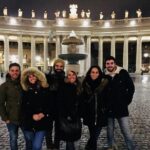

Finding the Start Point: Via del Banco di Santo Spirito 25
You’ll start at Via del Banco di Santo Spirito 25. The meeting spot is a barbershop, and the key clue is a big BARBIERE sign. Arrive a few minutes early so you can regroup and get comfortable before the stories begin.
Even without heavy logistics, this meeting point matters because the tour lives in the details of the neighborhood. If you show up rushed, you miss the first layer, which is usually where the guide sets the tone and frames how Rome’s darker history shows up in ordinary streets.
Also, plan for a night walk. Bring comfortable shoes and a light jacket, since Rome can feel cooler once the sun goes down.
Castel Sant’Angelo and Beatrice Cenci: The Bridge as a Stage
Your first big stop is Castel Sant’Angelo, where the legend of Beatrice Cenci is tied to the bridge. The story is tragic and blunt: Beatrice’s father abused her, she acted against that abuse, and the outcome was shocking enough to mark the memory of 16th-century Rome.
What makes this start work is that it gives you a character with motive, not just a generic ghost. You hear why the legend formed, then you walk in a part of Rome that already feels dramatic. Castel Sant’Angelo is one of those sites where the architecture naturally supports the mood. Add the story, and the place starts behaving like a set from a dark play.
Practical note: this tour is paced for an 80-minute format, so don’t expect a museum-style timeline. Think of it as guided “cause and effect,” with key locations acting like anchors for the narrative.
Via Giulia: Poisoning, Confraternities, and the Church of Death
From Castel Sant’Angelo, you move into the world of Via Giulia, one of Rome’s most picturesque streets that also happens to have a sinister edge. This is where the tour shifts from big headline tragedy to darker day-to-day realities.
One of the most chilling threads is about Giulia Tofana, a 17th-century poisoner. The story focuses on how she aided women in unhappy marriages, with deadly results. It is the kind of history that makes you think about desperation, power, and the limits of justice long before modern courts existed.
Then the tour points you toward the Church of Death, a site associated with a confraternity dedicated to burying unclaimed bodies. This is one of the stops where you get the tour’s best “see it, then understand it” moment. You’re not just told that people disappeared. You connect the idea of unclaimed bodies to the kind of organization that would have been needed in a city as dense as Rome.
If you like history that has physical proof in front of you, this is the section. You’re walking through a real street, seeing a building with a specific purpose, and hearing how the system worked. When the guide also mentions details like the crypt below, the whole story lands harder because you understand what was at stake.
Via Monserrato: Quiet Streets With Unfinished Stories
Next comes Via Monserrato, described as a place of whispers tied to unsolved crimes and eerie apparitions. This is the tour’s more rumor-heavy stretch, but it’s not random. The guide uses the setting, the street feel, and the patterns of Roman life to connect why disappearances would be remembered.
What I like about this stop is that it gives you a different kind of “spooky.” Instead of just a jump-scare ghost story, you get the unsettling idea that some histories are missing their final pages. That makes Rome’s alleys feel more than scenic. They feel like they could hold a secret simply because people have walked past them for centuries.
This section is also a good reminder that Rome’s haunted legends are often built from real social gaps: who got buried, who got noticed, who didn’t get counted.
You can also read our reviews of more evening experiences in Rome

Campo de’ Fiori: Giordano Bruno and the Public Reality of Punishment
You end up at Campo de’ Fiori, but you also feel it on the way there. This square is tied to public executions, and it includes the fate of philosopher Giordano Bruno, who was burned at the stake in 1600 for beliefs labeled heretical.
The guide also highlights the presence of a bronze statue in the square. When you hear the story, then look at the monument, you get what Rome does so well: it turns political violence into permanent geography. The city keeps the memory in place, even as the atmosphere around it becomes market-friendly and everyday.
This part of the tour can feel heavier than the rest, even with humor in the storytelling. If you are sensitive to violence or prefer lighter topics, keep that in mind before booking. The tour is not graphic in a modern gore way, but the subject matter is undeniably grim.
Still, I think this stop is worth it because it explains why Campo de’ Fiori is famous beyond postcards. You’re not just at a lively square. You’re at a place where ideas got punished publicly.
Palazzo Farnese: Elegance With a Dark Rumor
Another standout stop is Palazzo Farnese, an imposing Renaissance façade with rumored secrets behind its beauty. The tour mentions a legend about a woman allegedly walled up alive centuries ago, and it’s the kind of rumor that spreads because the building is both grand and unknowable in detail.
This is one of those Rome stories where the architecture helps. Palazzo Farnese looks like it should protect things. When you hear the darker rumor attached to it, you start wondering what’s sealed, what’s hidden, and what kind of life was controlled inside palaces before transparency existed.
Even if you don’t fully believe the rumor itself, the point of the stop is how people attached stories to power. In Rome, the city’s most beautiful surfaces often hide something harsh in the backstory.
Who This Tour Is Best For
This is a great fit if you want:
- An after-dinner activity that does not eat your whole night
- A story-driven approach, led by Mike, that uses humor and street context
- A way to see Via Giulia and Campo de’ Fiori without feeling like you’re hunting down facts alone
From the tone of the guide in the experience, I’d also say it suits mixed groups. Reviews mention families and teens, and the tour seems to work when the group is open to questions and likes a lively guide. If you want a quiet museum lecture, this may not be your style, but if you want history with personality, it fits.
Price and Value: Why $19 Feels Like a Deal
At $19 per person for an 80-minute walk with a live English guide, the value is strong. You are getting:
- Real locations tied to notorious events
- A storytelling approach that makes those locations easier to remember
- Live guidance plus special access to certain areas when permitted
Rome tours often charge much more for less time or for routes that repeat what you can read on a plaque. This one uses the short time well. It picks key points where the city’s darker past becomes visible in the streetscape.
Is it “worth it” if you already know every Roman fact? You might learn fewer new details. But even experienced visitors usually appreciate how the guide frames stories so the places connect in your mind.
What to Wear and How to Get the Most Out of the Night
This is not a sit-and-stare tour. Wear comfortable shoes that handle uneven sidewalks. Bring a light jacket, since evenings can feel chilly.
A simple tip: keep your phone accessible, but don’t let it take over. This kind of tour runs on listening, and Mike’s style is interactive enough that you’ll miss the momentum if you’re constantly checking messages.
Also, mentally decide what your comfort level is for darker topics. The tour includes executions, poison, and legends about death. If that’s part of what you like, you’ll probably have a great time. If it stresses you out, pick a lighter Rome night walk instead.
Should You Book This Haunted History Night Tour?
Book it if you want a short, affordable, story-first Rome evening walk. You’ll get the most value if you enjoy historical crime and punishments, plus ghost legends that connect to real streets like Via Giulia and Campo de’ Fiori.
Skip it if you need step-free access, if you have heart concerns, or if the idea of nighttime walking through stories of death and execution feels like too much.
If your ideal Rome night is an easy stroll that leaves you thinking about the city’s past in a new way, this one is a solid choice.
FAQ
How long is the Rome Ghosts, Legends, and Haunted History Night Tour?
The tour duration is 80 minutes.
What is the price per person?
The price is $19 per person.
Where does the tour start?
The meeting point is at Via del Banco di Santo Spirito 25, at a barbershop with a big BARBIERE sign.
Where does the tour end?
The tour ends back at Campo de’ Fiori.
Is transportation included?
No, transportation to and from attractions is not included.
What is included in the tour?
You get a live tour guide, and there may be special access to certain areas when permitted.
What language is the tour in?
The tour is offered in English.
What should I bring?
Bring comfortable shoes and a jacket. It can get chilly at night.
Is the tour suitable for wheelchair users?
No, it is listed as not suitable for wheelchair users.
Is it suitable for people with heart problems?
No, it is listed as not suitable for people with heart problems.
Can I get a refund if I cancel?
Yes, you can cancel up to 24 hours in advance for a full refund.
More Historical Tours in Rome

More Tours in Rome

More Tour Reviews in Rome
Not for you? Here's more nearby things to do in Rome we have reviewed






Rome Night Tours, compared.
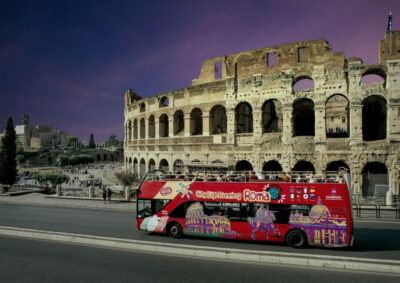 ★ 4.1City Highlights Open-Top Bus Night TourFrom $222,038 reviews
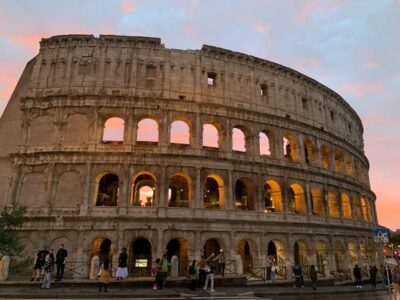 ★ 4.5Colosseum Sunset Tour with EntryFrom $491,230 reviews
 ★ 4.9E-Bike Night Tour with Food and Wine TastingFrom $891,131 reviews
 ★ 4.8Under the Moonlight Evening Walking TourFrom $28852 reviews
 ★ 4.5Night Tour of Rome with Local Pizza Dinner and Gelato ExperienceFrom $237780 reviews
 ★ 5.0Rome Bar Crawl: Interactive Night Tour with Games and KaraokeFrom $78769 reviews
 ★ 4.7Colosseum Arena Twilight Tour & Imperial Forum VisitFrom $78689 reviews
 ★ 4.5Rome by Night: Golf Cart TourFrom $108688 reviews
Browse the lists this tour appears in