
Reviewed · WINE TOURS
2 Hour Tasting of Overlooked Wines of Rome and Lazio
Two hours, six wines, and a Rome reset. This is a smart break from sightseeing, because you taste low-intervention Lazio wines in a comfortable studio setting while a certified sommelier-wine educator walks you through what makes each glass different. I like the small-group feel (max 12), because questions actually matter, and I like that you start with a quick wine-tasting refresher instead of jumping straight into pours. One consideration: you are not going on a vineyard drive, it is a tasting room experience, so plan to get yourself there from wherever you are in the city.
I also like the timing. With a 4:00 pm start, you get a solid pre-dinner plan that does not feel rushed, and the room includes AC plus a restroom, so you stay comfortable for the full session.
The setup is practical too. You meet at Via in Selci, 84/G in Rome, you taste on-site, and it ends back at the same meeting point, so you avoid a late-day logistics headache.
Key highlights to know before you go
- Six different Lazio wines in tasting-size pours, so you can compare styles without committing to a whole bottle
- Certified sommelier instruction with discussion shaped by your level, from beginner to wine-nerd
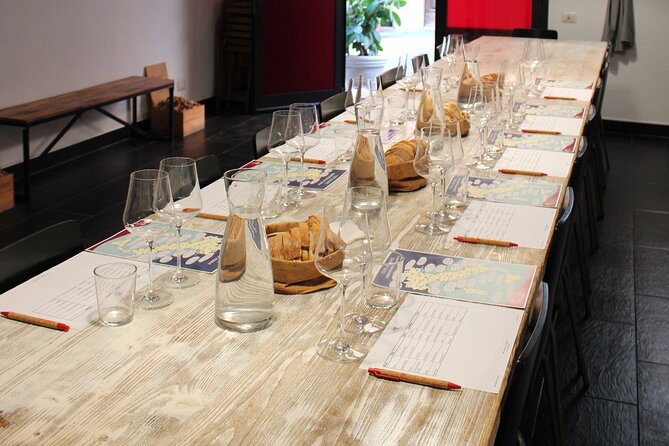
- A true studio setup with air conditioning, Wi-Fi, and restroom access
- Bread and water included to cleanse your palate and keep the experience enjoyable
- Natural wine themes like terroir, soil, climate, and farming practices (organic, biodynamic, sustainable)
- Off-the-beaten-path Roman vibe in a quaint location near public transportation
A comfortable Via in Selci wine studio, right for a 4:00 pm break
This tasting is built for people who want something focused and human-scale in Rome. Instead of racing between major sights, you step into the VinoRoma Wine Studio & Social Club, grab a place in the air-conditioned room, and let the afternoon slow down.
The meeting point is Via in Selci, 84/G (near public transport). Since the activity ends back at the same place, you can treat it like a dependable block on your schedule. Starting at 4:00 pm, it fits neatly between a late lunch and dinner plans.
If you are the type who gets tired of souvenir shopping but still wants a local experience, this kind of studio tasting does the job. You get to learn something specific, drink responsibly (tasting amounts), and walk out with real context for what you later see on menus and wine lists.
You can also read our reviews of more food & drink experiences in Rome



Price and value: what $96.02 buys in real terms
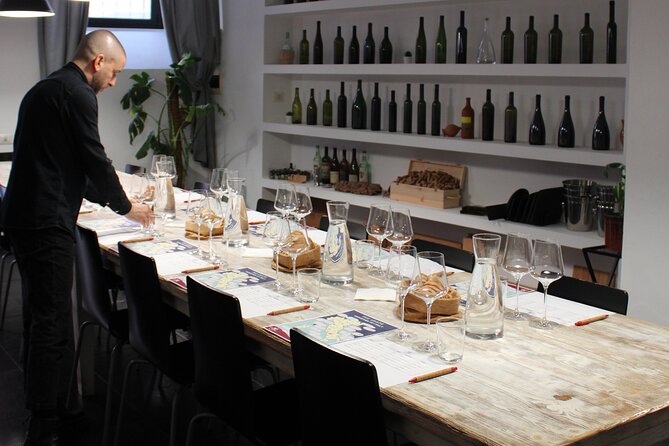
At $96.02 per person for about 2 hours, you are paying for more than six glasses. The included items matter: 6 tasting glasses of wine, bottled water, and bread for palate cleansing and alcohol absorption. You also get printed materials and instruction from a professional certified sommelier and wine educator with decades of experience.
You can often find cheaper wine tastings in big tourist zones, but the trade-off is usually less time per person and less conversation. Here, the small group cap (12) plus an educator-led format makes the price feel more like a class than a drive-by sip.
Also, this is “natural and low-intervention wine” territory. Those bottles can be harder to find than standard supermarket labels, so tastings like this are a fast way to sample styles you might not pick on your own. If your goal is learning and variety, not just getting a buzz, this price tends to make sense.
The one cost note: private transportation is not included. So if you are far from the center or planning to bounce from another neighborhood, factor in transit time and cost.
What you actually taste: six low-intervention Lazio wines
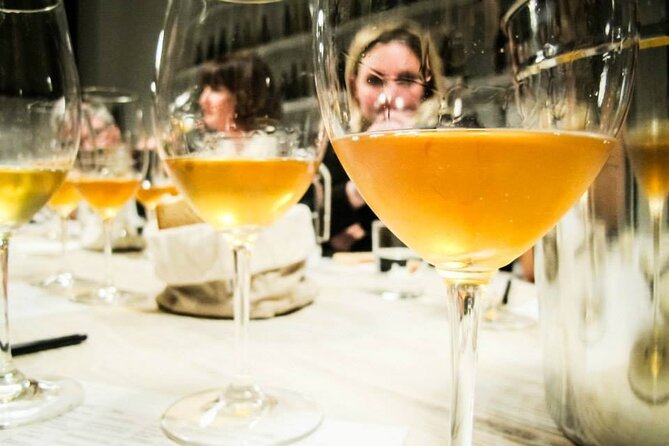
The core of the experience is simple: you taste 6 locally produced, low-intervention wines from Lazio. The key word is low-intervention. In practical terms, that usually means the winemaker aims to interfere less and let the grapes and site do more of the talking.
You start by learning how to taste, then you move through a range of styles. The host links each wine to its “why,” including the effects of grape varieties, soil types, climate, and winemaking techniques. That matters because Lazio wines are not just one flavor profile. The region can show you a bigger range than you might expect if you only associate Rome with a handful of mass-market labels.
Natural or low-intervention wines often come with a learning curve if you are used to ultra-consistent, polished flavors. The format helps because you are not thrown into judgment. You taste, smell, and talk through what you perceive, and the host keeps connecting it back to agricultural and production choices.
If you love comparing styles, this set-up is exactly what you want. You can notice differences between wines without needing to decode a complex menu.
The sommelier-led teaching style, from newbie to sommelier
A big reason people rave about this type of tasting is the way the instruction fits the room. The educator uses a professional, certified approach, but the discussion is designed to match your starting point. If you are new, you get guided steps. If you already know your way around wine, you get to ask sharper questions and go deeper.
From the names that come up, hosts like Maurizio, Frank, and Fernanda run the show in a friendly, capable way. You should expect a welcoming tone and plenty of room for curiosity, not a performance.
What I like about this teaching approach is that it treats your senses like evidence. You get ideas for what to look for, then you apply them to the glass in front of you. That makes it easier to remember the lessons later when you are choosing wine in Italy.
You also learn how wine fits into Italian culture and history, in a way that stays practical. It is not just facts for facts’ sake. The goal is to help you understand why people in Italy care about how wine is made, where it comes from, and how it pairs with food.
The tasting flow: how the 2 hours usually unfold
Even without a printed minute-by-minute schedule, the experience has a logical arc. Expect this rhythm.
You can also read our reviews of more wine tours in Rome





1) A quick tasting technique refresher
Before you start tasting the six wines, you get a short reset on how to taste. That usually includes how to approach each pour with a calm method, not just sipping randomly and hoping it works out. This is the part that makes the rest of the tasting easier, especially if you do not have a wine vocabulary yet.
2) Six tasting rounds with “what causes what”
Then you move through the wines one by one. For each wine, you get a new characteristic explained and tied to reasons behind it. The host connects the glass back to the underlying factors: grape variety, site and soil, local climate, and winemaking decisions.
That is the most valuable part for many people. If you walk away thinking, I liked that wine, but I cannot explain why, you lose the learning. Here, the format is built so you gain a simple mental map.
3) Q&A that follows your interests
Your curiosity shapes the depth and direction of the discussion. That is ideal for solo travelers and couples, because you can guide the conversation toward what you actually want to understand. It also works for experienced wine people, because you can push beyond the basics.
4) Printed info to take home
You receive printed learning materials. In a city where you are constantly on the move, paper notes can be surprisingly useful later, when you are comparing wines you tasted to bottles you see on a menu.
Bread, water, Wi-Fi, and staying comfortable
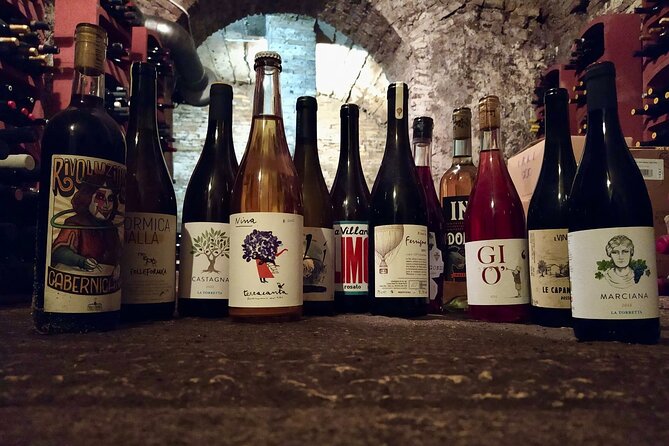
For many wine tastings, the “feel” of the room makes or breaks the experience. This one has air conditioning, Wi-Fi, and restroom access in the tasting room. For a warm Rome afternoon, that is not a small detail. It helps you stay relaxed enough to really taste and talk.
Food is also handled in a smart way. You get fresh bread during the tasting, plus bottled water. Bread is not there to fill you up, it is there to cleanse your palate and absorb some of the alcohol. That keeps the wines from turning into a blur.
There is also a gluten-free option possible upon request, so if you have dietary needs, you should flag it when you book.
One more practical note: this is a mobile ticket experience. That means less time fussing with paperwork and more time getting to your 4:00 pm slot.
Natural wine basics you’ll actually remember
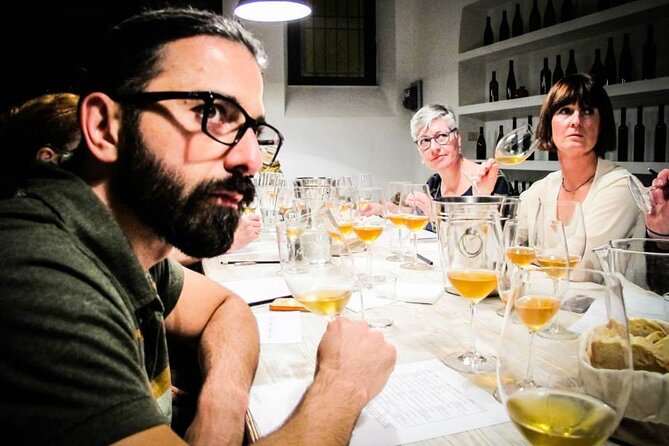
This tasting is built around real wine concepts, not vague slogans. You are guided through how the end result in your glass connects to things like:
- Terroir: soil and climate effects on how grapes ripen and taste
- Winemaking choices: especially low-intervention methods
- Farming practices: organic, biodynamic, and sustainable approaches and how they can shape outcomes
- Food pairing basics: general guidelines that you can apply to Italian meals later
If you are the type who worries you will miss the meaning behind labels, this class helps you interpret what you see. Instead of reading grape names as trivia, you start treating them like ingredients with cause and effect.
And since it is Lazio-focused, you get a regional lens. That means your learning is connected, not a random mix of wines from anywhere in the world.
The location feels local, not like a factory tasting
The studio format gives you something Rome often does well at smaller scale: quiet competence. One person described the space as quaint and tucked away, and that matches what you should expect based on the setup and the small-group limit.
You also get a “social club” vibe, not a stuffy classroom. The host-led discussion tends to feel conversational, which is exactly what you want if you are tasting wines you may not have tried before.
This works especially well as an “off the beaten path” activity. You do not need to spend time finding a long list of places. You just show up, taste, learn, ask questions, and head to dinner.
Who should book this Lazio wine tasting?
This is a great fit if you want any of the following:
- You want focused wine learning without renting a car or joining a long tour
- You like natural and low-intervention wines and want a guided way to understand them
- You want a pre-dinner activity that does not run late
- You enjoy conversations about terroir, soil, and farming practices
- You prefer small group settings where your questions get answered
If you only want a casual sip and do not want to think much, you can still enjoy it. The teaching is designed to meet you where you are. But the best payoff comes when you ask questions, even simple ones.
Practical tips to get the most from the tasting
A couple small moves can help you enjoy the full experience.
- Plan your arrival time so you walk in relaxed, not out of breath from sprinting through Rome blocks. This starts at 4:00 pm.
- Eat earlier, even if you do not fill up. Bread is included, but you will taste six wines and have discussions.
- Bring one or two questions you genuinely care about, like how terroir changes flavor or what low-intervention really means in the glass.
- If you have a gluten-free need, request it ahead of time so you are covered for the bread.
- Wear something comfortable. Two hours is long enough to sit, smell, and taste, especially if you are also enjoying the conversation.
Should you book this Rome wine tasting?
I think you should book it if you want a well-taught wine experience that feels human, not rushed. The combination of six low-intervention Lazio wines, a certified sommelier and educator, and included bread and water makes it a strong value for the time.
You should skip it if you are hoping for a vineyard day, a countryside drive, or a large sightseeing bus-style tour. This is a studio tasting in Rome. The payoff is in learning and comparing styles, not in changing landscapes.
If your Rome plan already includes the classics and you want one smart, local, educational activity that also acts as a pre-dinner plan, this is an easy yes.
FAQ
How long is the tasting?
The experience runs for about 2 hours.
How many wines will I taste?
You’ll taste 6 locally produced wines, served in tasting amounts (6 glasses total).
Where does the experience start?
It starts at Via in Selci, 84/G, 00184 Roma RM, Italy, and it ends back at the same meeting point.
Is Wi-Fi and air conditioning included?
Yes. The tasting room includes Wi-Fi, air conditioning, and a restroom.
Is food included, and is gluten-free bread available?
Bread is included to cleanse your palate and absorb the alcohol. A gluten-free option is possible upon request.
Do I need private transportation?
Private transportation is not included, so you’ll need to arrange your own way to the meeting point.
Is cancellation free?
Yes, free cancellation is available. You can cancel up to 24 hours in advance for a full refund, and changes within 24 hours are not accepted. If a minimum number of travelers is not met, you may be offered another date or a full refund.
More Wine Tours in Rome
More Food & Drink Experiences in Rome

More Tour Reviews in Rome






Not for you? Here's more nearby things to do in Rome we have reviewed












Wine Tours, compared.
 ★ 4.9Pasta & Tiramisu Class with Fine Wine by the VaticanFrom $414,852 reviews
 ★ 4.9Pasta Making Class with Wine, Limoncello, and DessertFrom $483,177 reviews
 ★ 4.8Fettuccine and Tiramisu Cooking Class with WineFrom $672,013 reviews
 ★ 4.8Food Tour with Unlimited Food and Barolo WineFrom $861,883 reviews
 ★ 4.9E-Bike Night Tour with Food and Wine TastingFrom $891,131 reviews
 ★ 4.6From Rome: Bagnoregio & Orvieto Day Trip with Wines & LunchFrom $931,075 reviews
 ★ 4.9Trastevere Guided Food and Wine Tour with 20+ TastingsFrom $1461,022 reviews
 ★ 4.9Pasta Making with Wine Tasting and Dinner in FrascatiFrom $35979 reviews
Browse the lists this tour appears in