Reviewed · ROME
Rome: The Four Seasons by Vivaldi
Four Seasons sounds different in Rome. This performance brings Italian Baroque to life with violin soloist Elvin Dhimitri, strings, and a harpsichord in an 80-minute concert format that fits nicely into an evening out. I like how the program tells the seasons like a movie, with musical details that match birds, storms, hunts, and winter cold.
Two things I really like: first, Dhimitri’s role as lead violinist helps keep the sound crisp and the phrasing lively; second, the venues are in the city center, so the night feels connected to Rome instead of tucked away on the outskirts. One thing to consider is that seating isn’t numbered, so you’ll want to arrive early if you care about your view, and the room comfort can vary since small spaces can run warm or chilly.
Key highlights to know before you go
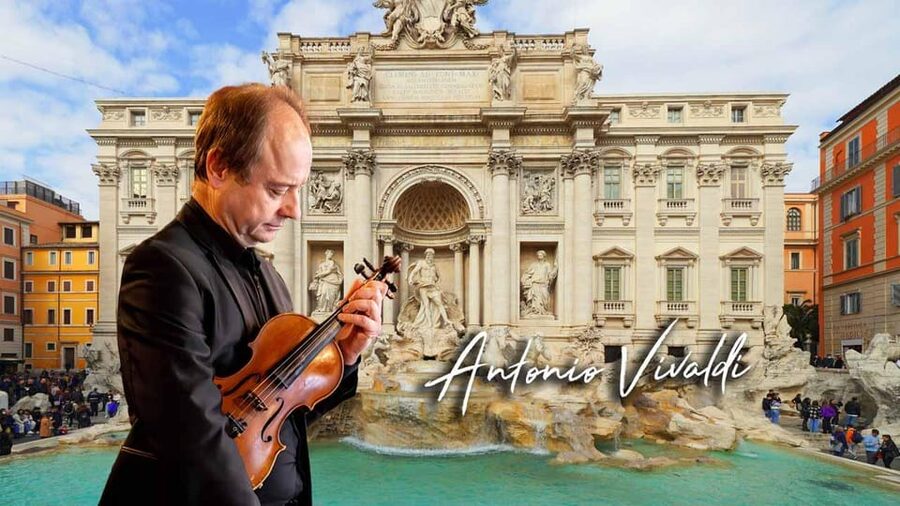
- Elvin Dhimitri leads the show as violin soloist and conductor, not just as a guest musician
- Harpsichord on deck for a more authentic Baroque sound you do not always hear in modern concert halls
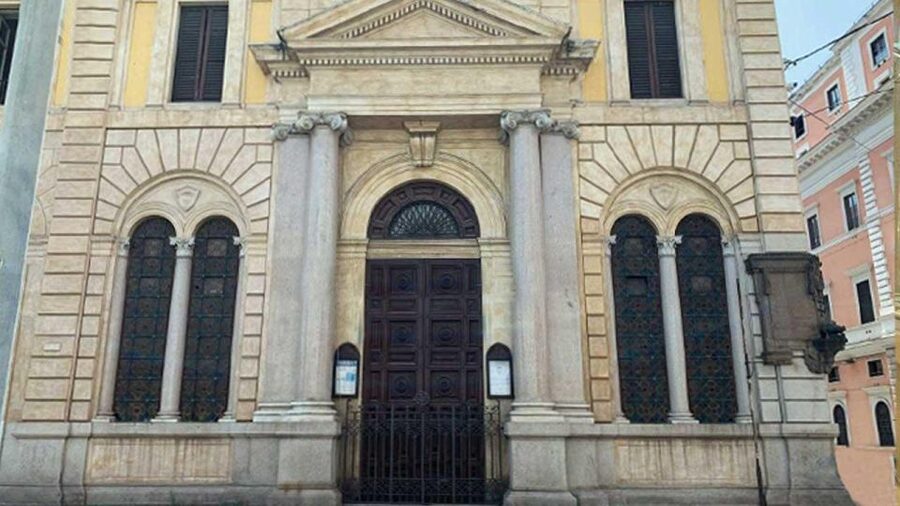
- City-center venues including a small church and a rare Trevi-area viewpoint from Sala Dante of Palazzo Poli
- Full Vivaldi season cycle with the familiar Spring, Summer, Autumn, and Winter concertos performed in one sitting
- Short and satisfying timing at about 80 minutes, with performances set for a double time slot on some days at Horti Sallustiani
- First-come seating means your arrival time can affect your experience
Vivaldi’s Four Seasons in Rome, led by Elvin Dhimitri
If you have only heard Vivaldi’s Four Seasons on recordings, this is the kind of ticket that helps you understand why it became so famous. Live performance sharpens the contrasts, and Baroque music is especially good at making small gestures feel meaningful.
What makes this concert feel grounded in Rome is the lineup. You get Elvin Dhimitri as first violin, leading the strings quintet, with harpsichord filling out the texture. That mix matters, because the harpsichord is not just decoration, it helps define the rhythm and articulation that make Vivaldi’s writing click.
I also like that the musical language is explained through the way it is staged on the program. The seasons are described through sound effects and dramatic shifts in melody, harmony, and tempo. It is music that behaves like storytelling.
You can also read our reviews of more tours and experiences in Rome.
Price and value: why $35 can feel like more than you pay
At $35 per person for an 80-minute Baroque concert, the value is mostly about access. You are not just buying a seat, you are buying a chance to hear a full season cycle, plus the Baroque-era sound of a harpsichord, led by a violin soloist and a professional ensemble.
The other value piece is the setting. Rome has plenty of pricey classical nights, but this one is positioned in the city center with intimate rooms. When acoustics are good, even one hour can feel like you got your money’s worth because the details land cleanly.
The practical tradeoff is that the experience is compact. If you want a big, formal concert evening with long pauses and lobby time, this is not that. It is designed to be focused, and you feel that in the tight duration.
Where you might hear it: church, Palazzo Poli, or Horti Sallustiani
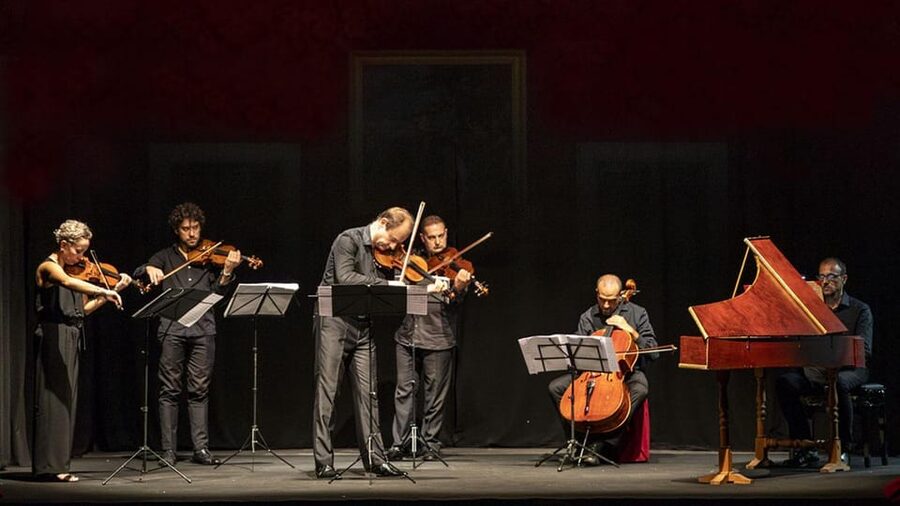
One reason people talk about this concert is that the location can change between several well-placed Roman sites. You are given three possible venues, and each one changes the mood of the same music.
Plan your evening with flexibility. If you are doing a tight sightseeing schedule around the Trevi Fountain area, you will feel it most when the concert is at Sala Dante of Palazzo Poli. If you like an intimate church sound, the Chiesa Evangelica Metodista is the obvious draw.
And if you want a more open-air feeling in the evening, the Horti Sallustiani option comes with two showtimes on some dates, 7:00 pm and 9:00 pm. That double schedule also gives you a fallback if you do not like the timing of the first session.
Chiesa Evangelica Metodista: small-church acoustics and close-up string sound
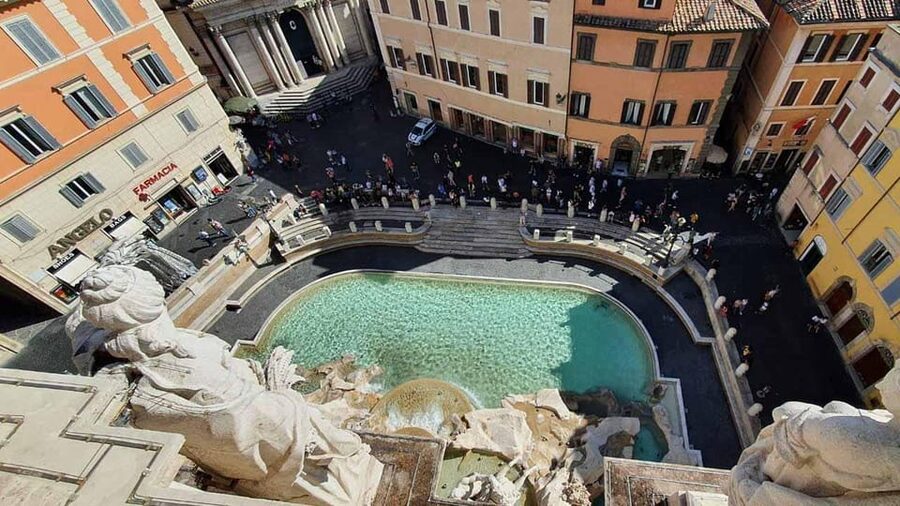
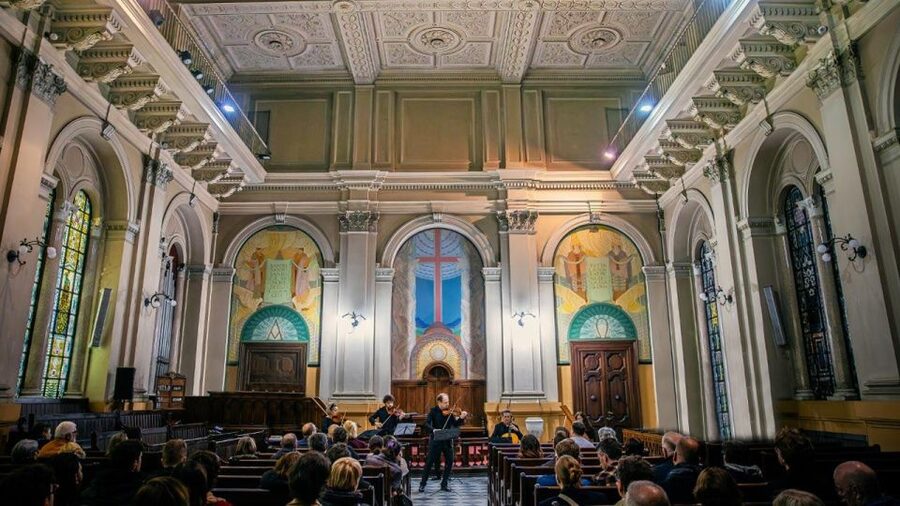
The Chiesa Evangelica Metodista sits at Via XX Settembre 122 c, and it is a classic choice for a Baroque program. Small churches tend to produce a direct, immediate sound, and that helps Vivaldi’s lines stay sharp even at a conversational audience volume.
From a listening perspective, this kind of venue can be a win. You are close to the players, so bow changes, harpsichord attacks, and shifts in tempo become more obvious than they might in a large hall. That is great for first-timers who want to hear the mechanics of how the music paints the seasons.
The practical downside is comfort. Small rooms can feel warm in summer and chilly in cooler months, and you may notice lighting that is not built for audience selfies. If you get cold easily or you sweat quickly, dress accordingly, because you want to focus on the music, not on your temperature.
Sala Dante of Palazzo Poli: Trevi Fountain views from your seat area
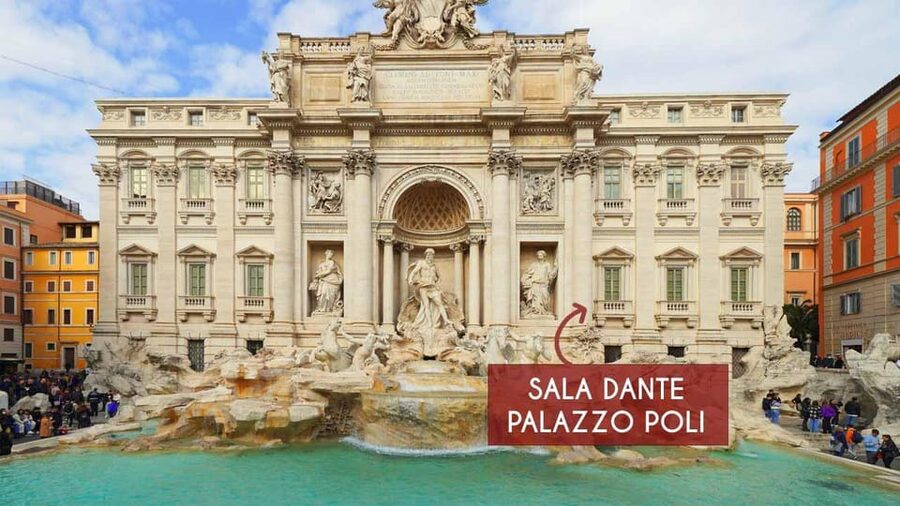
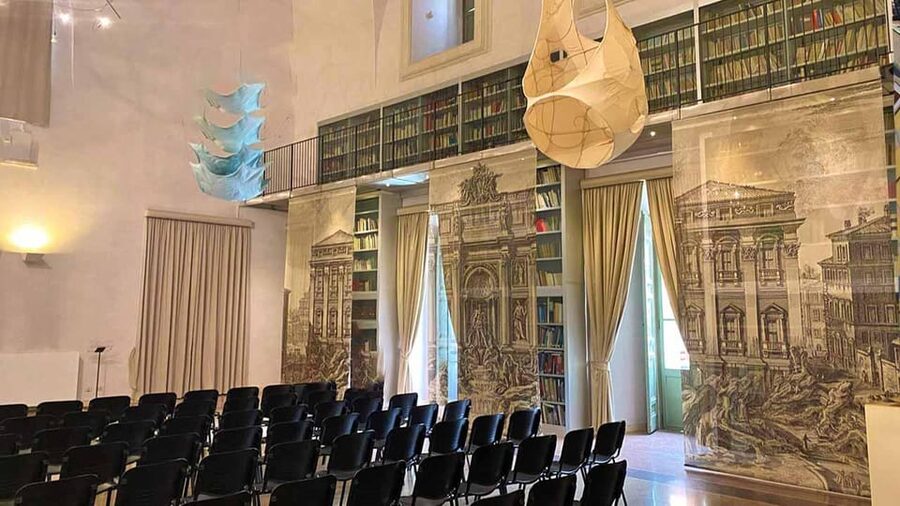
If you care about that special Rome moment where the city feels like part of the concert, Sala Dante of Palazzo Poli is the one. The address is Via Poli 54, and the standout is the rare chance to overlook the marvelous Trevi Fountain from the Sala Dante area.
That changes the whole experience. You are not only listening to nature described in music, you are also seeing Rome’s most famous fountain in the background. Even when you are not watching, the setting adds a sense of theatre to the night.
Just keep expectations realistic. This is still a concert in a specific room, and your ability to see Trevi clearly depends on where you are seated within the space. With first-come seating, arriving earlier can help you get a better view.
Horti Sallustiani: two showtimes and a more atmospheric evening plan
Horti Sallustiani is at Piazza Sallustio 21, and it has the advantage of staging the program as a double concert on some dates, 7:00 pm and 9:00 pm. That gives you more control over your plans, especially if you want to pair it with an early dinner or a later night walk.
Horti Sallustiani also feels like a good match for Vivaldi’s imagery. The music is all about nature cycles, storms, and the hunt, so an environment tied to gardens and Roman outdoor mood can make the story feel more immediate.
The tradeoff is that evening venues can vary in comfort too. If you are sensitive to heat, you should plan for changes during the night and keep your clothing flexible. You will also want to arrive on time, because the seating approach is not numbered.
The musicians: what Opera e Lirica brings to the sound
This concert is produced by Opera e Lirica srl, and the performance is built around a professional strings quintet plus harpsichord. The goal is a Baroque sound that feels articulated, not padded.
Elvin Dhimitri is the key figure. He has held major positions including Concertmaster of the Bilkent Youth International Symphony Orchestra in 1992, and First Violin in the Rome Philharmonic Orchestra. He has also been a member of the Rome and Lazio Symphony Orchestra since 1997.
Why that matters for you: a lead violinist who conducts from the first violin chair tends to keep phrasing cohesive. In a piece like Four Seasons, small timing differences can make the musical “effects” feel weak or strong. With a conductor-leaning approach, the transitions between seasons usually feel more dramatic and clear.
What to expect musically: Vivaldi’s seasons as sound effects
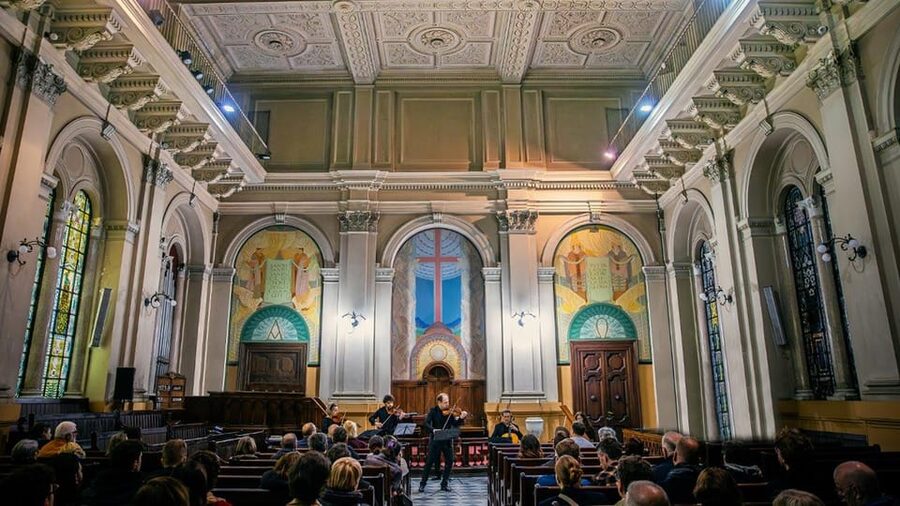
The most famous Vivaldi work here is The Four Seasons, and the concert is organized around the idea that each season has its own character. The spring section is more animated, the summer brings heat and storm energy, autumn turns pastoral and earthy, and winter is crisp and biting.
The program listed for the concert includes Vivaldi movements across the seasons, plus additional baroque concert works in the set. Expect the familiar structure: Spring, Summer, Autumn, and Winter, each with multiple movements that change speed, mood, and intensity.
You will hear the birdlike textures and the chase-like rhythms that people associate with Vivaldi. You will also hear how the harpsichord supports the harmonic engine underneath the strings. When it is done well, it makes the music feel like it has weather and movement built into it.
If you like classical music but usually find it hard to follow, this is a good entry point. The “plot” is in the musical language itself, so you do not need to read a program to feel what is happening.
The program on the page, translated into real listening
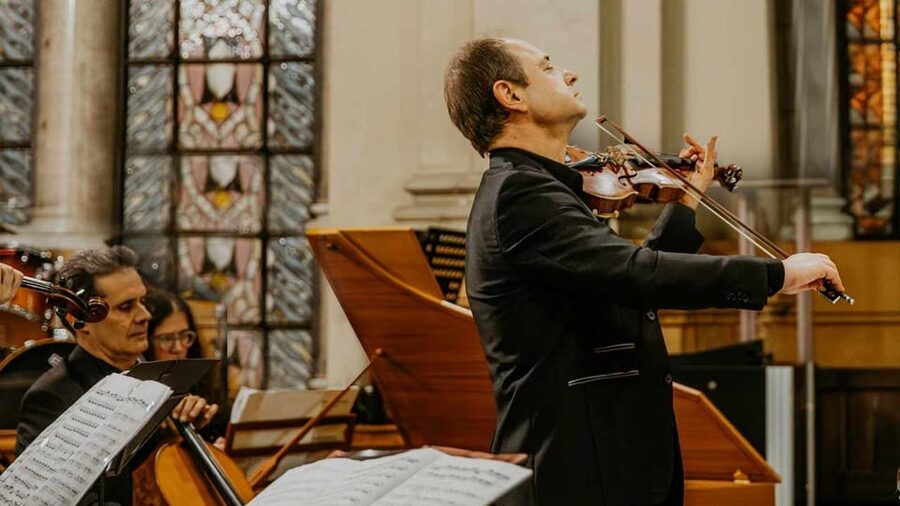
Here is what the listed program signals for your ears. The Spring concerto uses upbeat material and calmer passages, with movements that go from lively dance feel to slower lyrical sections. The famous effect is the sense of birds and countryside motion, with rhythmic bite and contrast.
The Summer concerto shifts from bright energy to darker, urgent moments. The storm material tends to sound exciting because the tempo and harmonic tension tighten quickly. Live, that tension can feel more physical than on recordings, especially in a smaller room.
Autumn leans into peasant-dance mood and the contrast between sleeping and waking energy. The hunt movement is where you often notice how the strings can sound like they are moving through space. In a close venue, those gestures feel like they are happening right in front of you.
Winter ends with chilly, sharp pacing. Expect chattering and rain-like motion in the faster passages, and a cold, tight feeling in slower sections. When the ensemble locks in, it can feel like you are hearing a weather report made of violin and rhythm.
Seating and comfort: first-come rules can change your view
Seats are not numbered. That means first-come first served, so your arrival time influences where you sit. If you want a better sightline, treat this like a show in a small room: get there early enough to settle and watch the ensemble set up.
Lighting can also affect your comfort. One of the practical complaints you will want to plan around is that the lighting may not be designed for audience comfort, so bring whatever you need to stay focused if the room is bright.
Temperature is the other big one. Some performances in small churches can run hot, while others feel chilly depending on the season and the specific venue setup. Wear layers, and if you tend to overheat, consider bringing something simple that helps you cool down.
How long is it, and how to plan your evening
The duration is listed as 80 minutes. That is a sweet spot for a Rome night because you can still do dinner before, or take an unhurried walk after, without feeling glued to a timetable.
If you are bringing kids, this length can work. The program’s pacing is designed for attention, and it moves through clear shifts in mood rather than staying one mood for too long. Still, for very young children, bring patience, because church venues can require quiet listening.
If you are pairing the concert with sightseeing, pick one theme for the night. This ticket does one job really well, it gives you Baroque music with Vivaldi’s seasons, in a setting that can include the Trevi Fountain viewpoint. You will enjoy it more if you do not overload your schedule right before and right after.
Who should book this, and who might want a different night
I think this is ideal for you if you want an accessible classical experience in Rome without the giant production feel. You get authentic instruments for the era, including a harpsichord, and you hear the full Four Seasons set rather than just one highlight.
It is also a great choice if you are a first-time classical listener. The music is highly recognizable, and the story is carried by sound effects and dramatic contrasts. In a smaller venue, you will not feel lost.
You might choose something else if you hate waiting for seat placement. Unnumbered seating can be frustrating if you want a guaranteed view. You also might prefer a larger hall if you are very sensitive to close-room air or if comfort issues would pull your attention away from listening.
Should you book this Vivaldi concert in Rome?
Book it if you want The Four Seasons performed as a complete evening highlight, with Elvin Dhimitri leading the violin line and harpsichord adding the Baroque texture you want. At $35 for about 80 minutes, the value comes from getting the full cycle plus intimate, city-center settings that can connect you to Rome itself, especially when it is at Sala Dante of Palazzo Poli with the Trevi Fountain view.
Skip or choose carefully if you have strict comfort needs or you require a reserved seat position. With first-come seating, arriving early helps, and the temperature in smaller rooms can vary.
FAQ
How long is the concert?
The concert lasts about 80 minutes.
Where do I meet before the performance?
The meeting point is the Chiesa Evangelica Metodista at Via XX Settembre 122 c, Rome.
What kind of seating should I expect?
Seats are not numbered. You sit on a first come first served basis.
What music is performed?
You’ll hear Vivaldi’s Four Seasons, performed by the violin soloist Elvin Dhimitri with a strings quintet and harpsichord.
Is there a harpsichord in the performance?
Yes. The program includes harpsichord as part of the ensemble.
Where can the concert take place?
The concert locations listed are Chiesa Evangelica Metodista (Via XX Settembre 122 c), Sala Dante of Palazzo Poli (Via Poli 54), and Horti Sallustiani (Piazza Sallustio 21).
Are there multiple showtimes at Horti Sallustiani?
Yes, Horti Sallustiani has a double concert on some dates at 7:00 pm and 9:00 pm.
Is the venue wheelchair accessible?
Yes, the activity is wheelchair accessible.
Can I cancel for a full refund?
Yes. You can cancel up to 24 hours in advance for a full refund.