
Reviewed · FOOD & DRINK
Rome Street Food Tour – History, Craft and Authentic Taste
Rome street food with real stories. This tour pairs classic Roman bites with walking history, from Campo de’ Fiori to the Jewish Ghetto, all on foot in about three hours. You also get a bonus stop for Roman craft, a mosaic shop visit when the artisan is working.
I especially like two things. First, the food shows up in a smart rhythm, so you end up with tasting portions that add up to a generous meal, not just a snack parade. Second, the guides named by past groups, like Chris, Daniele, Serena, Virginia, and Mattia, are repeatedly praised for tying dishes to the places you’re standing on.
One consideration: alcohol is not included, even though you may see a red wine pour at the first stop. Also, if you have gluten or lactose intolerance (not allergy), you can join, but not every tasting is guaranteed, so you need to flag it up front.
Key things I’d highlight before you book
- Oldest neighborhoods on foot: you move through Rome’s layers, not just tourist corridors.
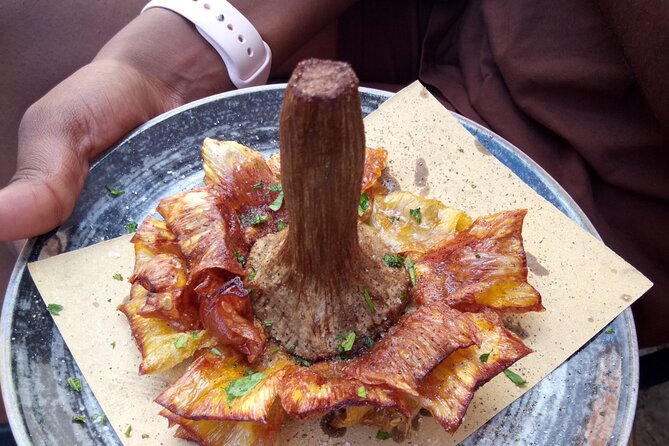
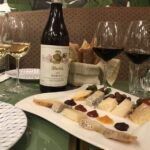
- Enough tastings for a full meal: skewers, suppli, pizza slices, carciofo alla giudia, gelato, tiramisu, plus a surprise dessert.
- History is part of the menu: Giordano Bruno at Campo de’ Fiori, Julius Caesar’s assassination site, and more.
- Small groups (max 10): the pacing stays friendly, and the guide can answer questions.
- Mosaic artisan stop: you’ll see how a crafted object starts from tile cutting and steps to a finished piece, when available.
- Dietary needs have limits: vegetarians (not vegans) can be accommodated, and gluten or lactose intolerance needs advance notice.
Why This Rome Street Food Tour Works in 3 Hours
This is the kind of tour you take early in a trip. You get orientation through food and streets, so the city starts to make sense fast. The walking route also builds momentum, from savory bites at the start to gelato and tiramisu at the end.
Price is $83.13, which sounds like a jump until you see what’s included. You’re not just paying for a guide. You’re paying for multiple paid tastings, plus a mosaic workshop visit when it’s operating, and the route is tight enough that you don’t waste time getting between stops.
The group cap at 10 matters more than it sounds. In Rome, narrow lanes and busy squares can turn slow. Here, the small size helps keep your experience moving and makes it easier for the guide to explain what you’re looking at without rushing.
You can also read our reviews of more food & drink experiences in Rome
Largo dei Librari: Skewers, Cheese, and a Red Wine Pour to Start
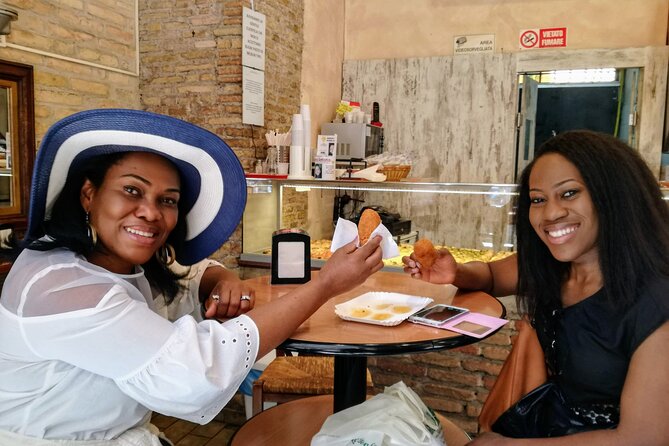
You meet at Largo dei Librari (Via dei Giubbonari, 90). Then you start tasting right away with meat and cheese skewers, plus a glass of red wine offered at the beginning. It’s a great first move because you’re not waiting around for the tour to “get to the food.”
What I like about this start is how it sets your palate. Skewers give you a salty, meaty anchor, and the cheese adds richness, so later fried items like suppli and artichokes feel even more satisfying. If you don’t drink alcohol, you’re still getting the core tastings.
One small practical note: the tour lists alcohol as separately purchased, so treat the wine as optional. If you want a no-stress budget, plan your tastings around the included items.
Campo de’ Fiori and Supplì: Fried Rice Balls with a Story
Campo de’ Fiori is one of those squares where the history feels close to the ground. The tour connects the space to Giordano Bruno, the monk executed for heresy, and it also points out that the morning market here is among the city’s oldest food traditions.
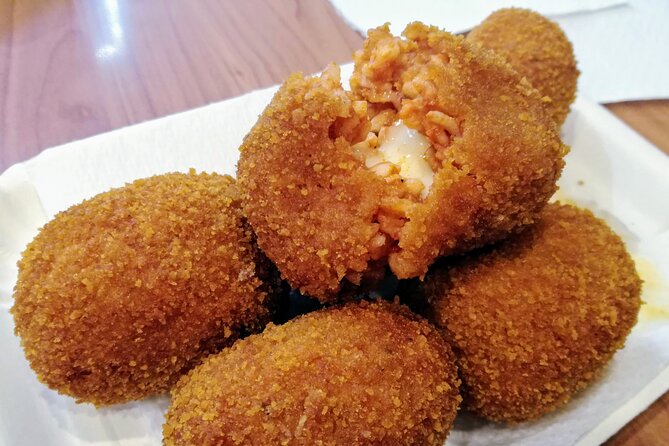
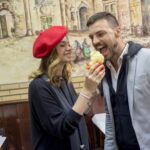
Then you get your second tasting: supplì, fried rice balls filled with mozzarella and tomato sauce. This is a dish most first-time visitors overlook, and that’s exactly why it works on a tour like this. It’s street food that’s still deeply Roman, and it’s made for eating while you walk.
If you’re picky about textures, know this: suppli are crispy outside and gooey inside. It’s messy in a good way, so bring a napkin and expect a little finger work.
Mosaic Artisan Workshop and Passetto del Biscione: Tile Craft Meets a Fresco Shortcut
Right after Campo de’ Fiori, you stop at a mosaic artisan shop. When the artisan is working, you’ll see how a mosaic is made and get a sample tasting experience attached to that stop (and you learn how the work starts, including tile cutting and steps toward a finished item like a photo frame).
This is a smart change from food-only tours. It gives you a hands-on feel for Roman craft, and it breaks up the walking with something visual and slow enough to absorb.
Next comes a gorgeous shortcut: Passetto del Biscione. It’s described as an enchanting passage between alleys decorated with frescoes, and the tour uses it to head toward pizza tasting. The practical win is route efficiency. You also get a quick lesson in why Rome’s streets feel like corridors instead of straight lines.
Largo Argentina to the Jewish Ghetto: Julius Caesar and Carciofo alla Giudia
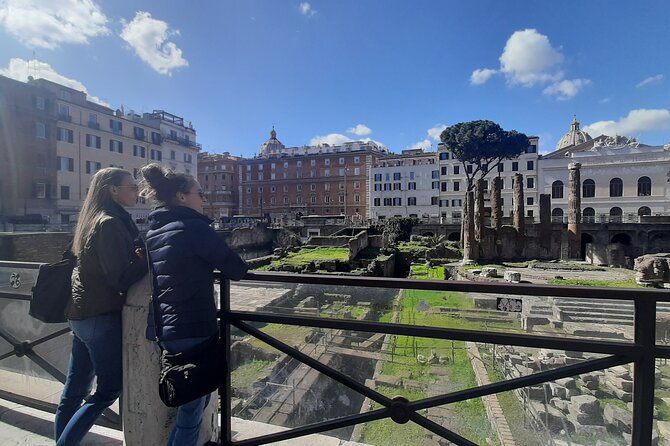
At Area Sacra di Largo Argentina, the guide points out the spot linked to Julius Caesar’s murder. The key here is that you’re not doing a formal museum stop. You’re learning in place, with the site acting like an outdoor classroom.
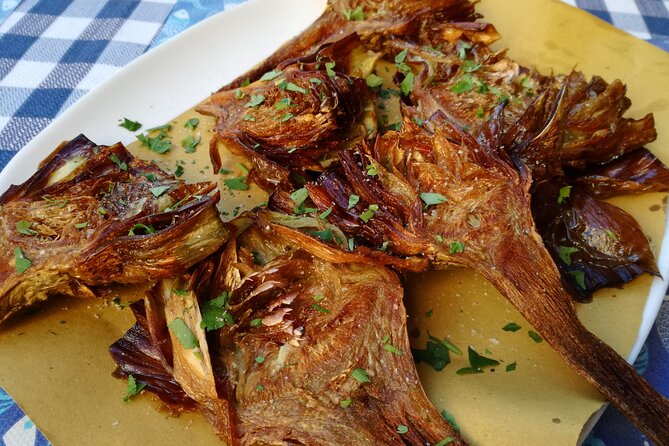
Then you move into the Ghetto area. You’ll see remains of ancient Roman structures, and you can view the synagogue from the outside. This stop is paired with a signature Roman and Jewish culinary tradition: carciofo alla giudia, the famous deep-fried artichoke.
This is one of those bites that helps you understand why street food tours are worth it. Many people think Roman food is only pasta and pizza. Here you taste something shaped by local Jewish tradition and Roman frying techniques, and it lands in a place that gives that story context.
Timing tip: fried artichokes are hot and crisp. If it’s a warm day, you’ll still enjoy it, but you’ll want to eat the tasting right when it’s served rather than letting it cool.
A few more Rome tours and experiences worth a look



Pantheon Outside and Sant’Eustachio Gelato: Built-In Dessert Timing
The tour takes you in front of the Pantheon and explains the main details, without going inside. Even an outdoor viewing can be enough when a guide helps you focus on the big features instead of wandering and guessing what you’re looking at.
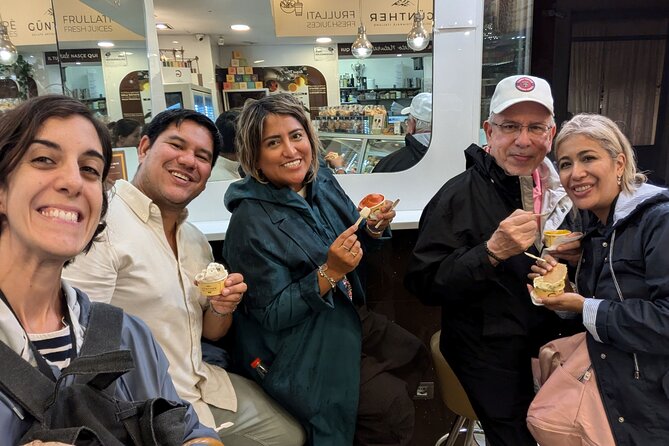
After that, you head to Sant’Eustachio for gelato. This is one of the best “reset” tastings on the route because it cools you down and keeps you from going sugar and salt heavy all at once. Gelato also makes the later dessert feel like a finish, not a second middle.
If you’re the type who needs caffeine or prefers light flavors, gelato is usually the safest bet in a multi-tasting format. You get sweetness, but it’s not as heavy as some pastries.
Piazza Navona Tiramisu Finale and Piazza della Minerva’s Bernini Elephant
Near the end, you reach Piazza Navona. The guide frames the square and its Fountain of the Four Rivers, which is a must-see landmark even if you’ve already seen photos. It’s also a great stage for your final tastings because the square naturally slows people down.
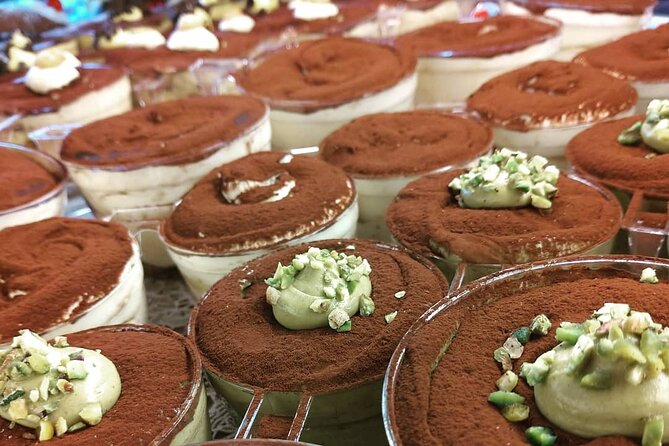
Then you save room for the last course: tiramisu. It’s a classic finale because it balances cocoa richness with creamy sweetness and gives you a familiar flavor after the more “street” items earlier.
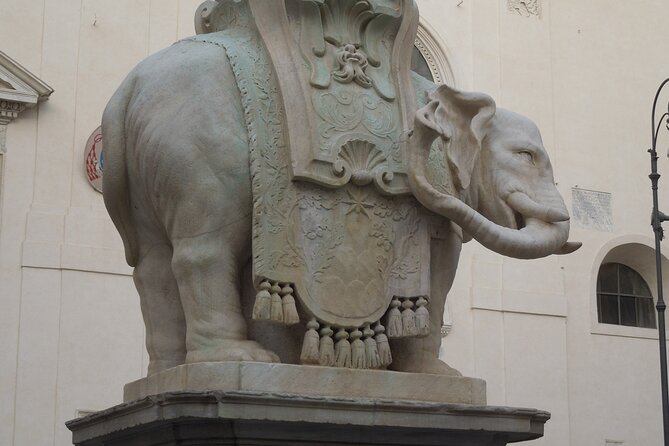
Finally, the tour ends in Piazza della Minerva to admire Bernini’s stone elephant statue and hear the story behind it. It’s a quirky, memorable close, and it also keeps the last moments from feeling like a rushed walk out the door.
What You Actually Eat, and Why the Portions Feel Like a Meal
The included sample menu is packed with street standards, but it’s arranged so you get variety without getting overwhelmed. You’ll taste:
- Supplì (fried rice balls)
- Pizza slices (sliced pizza samples)
- Carciofo alla Giudia (deep-fried artichoke)
- Gelato
- Tiramisu
- Plus a surprise dessert
You also start with meat and cheese skewers. That first savory bite matters, because it prevents the fried items from taking over your whole palate. After that, you get fried and cheesy flavors, then gelato, then tiramisu, and that sequence feels intentional.
There’s also a useful detail about dietary needs. Vegetarians (not vegans) can be accommodated, and people with gluten or lactose intolerance can participate if they communicate it at booking time. Just don’t assume every tasting can be adapted, since the tour notes that not all tastings are guaranteed for restrictions.
Guides, Group Size, and Pacing on the Walk
This tour runs with groups capped at 10 travelers, and that shows in the reviews. People highlight patient explanations and a guide who can connect food choices to the areas you pass.
Past experiences also mention different guide styles and names, including Chris, Daniele, Serena, Virginia, and Mattia, all described as friendly, engaging, and strong at history callouts. One review even notes a WhatsApp introduction before the tour, which is a nice touch if you like clarity ahead of time.
In practical terms, the pacing stays manageable for most travelers. The route changes direction often, with short stops that keep you from sitting too long, but it still feels organized enough that you won’t feel lost.
Value for Money: $83.13 Buys a Lot More Than Samples
At $83.13 per person, you’re paying for several included tastings, not just one highlight bite. Your included list covers skewers, suppli, artichokes, gelato, and tiramisu, plus the mosaic shop visit on labor days.
Think about what you would otherwise spend in Rome if you tried to “copy” this tour yourself. You’d likely buy a couple of items at markets and squares, maybe one gelato, and you’d still miss the why behind the food. Here, the guide ties dishes to specific neighborhood history and landmarks, which is hard to replicate without insider guidance.
The added craft stop is another value piece. Not every street food tour includes an artisan workshop where you learn how mosaics are made, even briefly.
Who This Tour Suits Best (and Who Should Skip It)
This tour is ideal if you want:
- A first-day or early-trip food orientation to Rome
- Enough tastings to count as a meal
- A walk that combines food with history stops you would otherwise overlook
- A small group where you can ask questions
It may be less ideal if you want museum-style entrances or indoor sightseeing. The Pantheon is described as outside, and the tour focuses on walking stops and tastings rather than ticketed museum time.
If you have reduced mobility, the tour suggests booking a private tour so your time needs do not affect the group. And if you need fully vegan options or a strict gluten and lactose plan, you should communicate your needs early, since not all tastings can be guaranteed.
Should You Book This Rome Street Food Tour?
I’d book it if you want the fastest path to feeling like you understand Rome’s food culture, not just collecting photos. The route hits major landmarks and also makes time for specific Roman specialties like suppli and carciofo alla giudia, which is where the real payoff is.
It’s also a solid value because you get a full tasting arc: savory bites first, then fried specialties, then gelato, then tiramisu, with a surprise dessert to close. Add in the small group size and the mosaic artisan stop, and it becomes more than a food stop list.
If your top priority is alcohol included, or you need guaranteed dietary swaps for every single tasting, you may want to look for a different option. But for most people, this is an efficient, story-driven way to eat like a local in Rome, without turning your trip into a scavenger hunt.
FAQ
What is the duration of the Rome Street Food Tour?
It runs for about 3 hours.
How much does the tour cost?
The price is $83.13 per person.
How big are the groups?
This tour has a maximum of 10 travelers.
What is included in the tastings?
Included tastings include skewers, suppli, artichokes, gelato, and tiramisu, plus a surprise dessert. You also get a visit to a mosaic shop during its working days.
Is alcohol included?
No. Alcoholic beverages can be bought separately based on preference.
Where does the tour start and end?
It starts at Largo dei Librari, Via dei Giubbonari 90, 00186 Roma, Italy, and ends at Piazza Navona, 00186 Roma.
Is the Pantheon visit inside?
No. The guide takes you in front of the Pantheon, not inside.
What about dietary needs like gluten or lactose intolerance?
People with gluten or lactose intolerance (not allergy) can participate, but not all tastings can be guaranteed. You must communicate your restriction at booking, and last minute requests won’t be considered.
Can vegetarians or vegans join?
Vegetarians (not vegans) can be accommodated. If you’re vegan, this specific tour may not fit your needs based on the information provided.
Will the mosaic shop visit always happen?
The mosaic shop visit depends on the artisan’s working days. If it cannot run, the tour offers an additional food tasting instead.
More Food & Drink Experiences in Rome
More Tours in Rome






More Tour Reviews in Rome

Not for you? Here's more nearby things to do in Rome we have reviewed












Food & Drink, compared.
 ★ 4.8Trastevere or Jewish Quarter Street Food TourFrom $513,839 reviews
 ★ 4.9Trastevere & Campo de Fiori Street Food Walking TourFrom $512,768 reviews
 ★ 4.8Guided Food Tour in TrastevereFrom $1122,266 reviews
 ★ 4.8Food Tour with Unlimited Food and Barolo WineFrom $861,883 reviews
 ★ 4.9Appian Way E-bike Tour with Catacombs, Aqueducts & FoodFrom $961,210 reviews
 ★ 4.9E-Bike Night Tour with Food and Wine TastingFrom $891,131 reviews
 ★ 4.9Trastevere Guided Food and Wine Tour with 20+ TastingsFrom $1461,022 reviews
 ★ 4.9Pasta Making with Wine Tasting and Dinner in FrascatiFrom $35979 reviews
Browse the lists this tour appears in