
Reviewed · FOOD & DRINK
Rome Street Food: Delights at Campo dei Fiori & Ghetto Area
Street food in Rome, with history on top. This 2.5-hour walk threads Campo de’ Fiori and the Jewish Ghetto into one delicious loop, with your guide explaining what you’re eating and why it matters. You’ll move through classic Roman streets, hit major sights along the way, and finish at the famous ancient ruins area by Torre Argentina.
I especially like the way the stops are planned around real Roman cravings. You get the big hits, including supplì, pizza from an old-school bakery, fried artichokes, and gelato, plus a sip of beer and wine. I also like the human side, when your guide brings the area to life, with names like Francesca, Mattia, Barbara, Ramona, Arianna, and Adrianne popping up in recent tours. Some guides also route for shade when it gets hot, which is not a small thing in Rome.
One consideration: this is not a sit-and-stare experience. It’s a walking tour on uneven stone, and it’s not suitable for wheelchair users or anyone with limited standing or walking capacity.
Key things I’d plan around
- Meet under the statue of Giordano Bruno in Campo de’ Fiori, so you start in the heart of the action.
- 5 food stops plus wine and beer tastings means this can feel like real lunch, not just bites.
- Campo de’ Fiori market time is built in (45 minutes) for that classic Rome shopping-and-snacking vibe.
- The Jewish Ghetto segment includes food with context, not just sightseeing photos.
- You’ll see major landmarks along the route, including Largo di Torre Argentina for a strong finish.
- Watch the cobbles and plan for standing in short bursts, since seats are not guaranteed.
Campo de’ Fiori starts the tour like a good meal
Your tour begins in Campo de’ Fiori, at a very specific spot: meet your guide under the statue of Giordano Bruno in the middle of the square. This matters because Rome street-food tours live or die by meeting-point clarity. Get there a few minutes early, so you’re not negotiating your way through crowds while everyone else is already ordering.
From there, the tour leans into the market energy first. You’ll get 45 minutes in Campo de’ Fiori, and the tastings are tied to what real families buy and snack on. The day I’d target this tour, I’d do it for the combination of old shops and quick bites, because that’s where Rome’s food culture shows up without any performance.
Expect samples like:
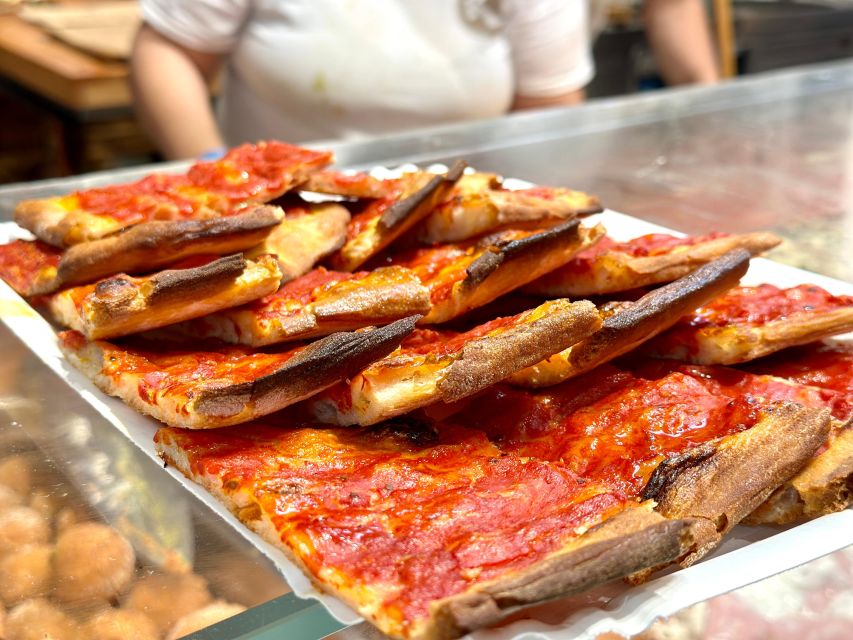
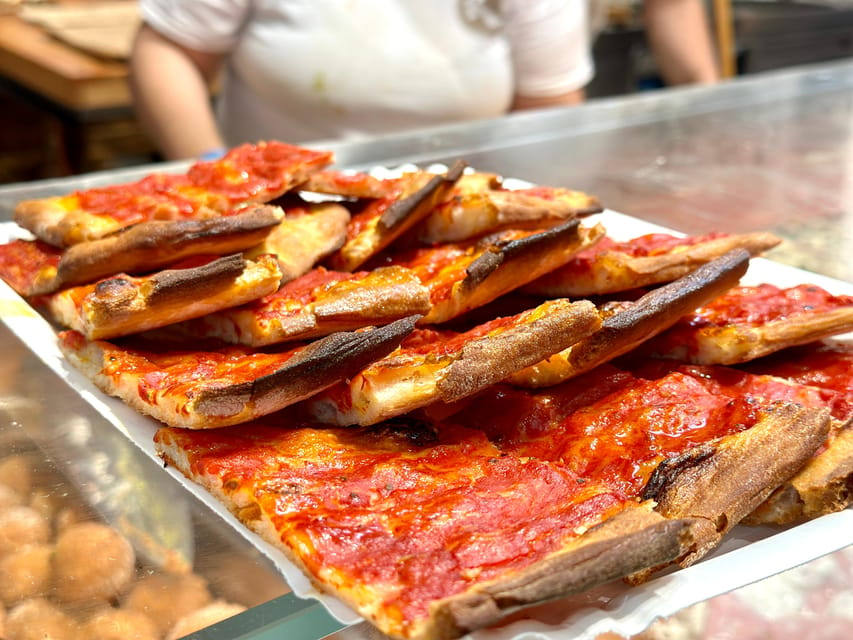
- Fresh pizza from a historical bakery
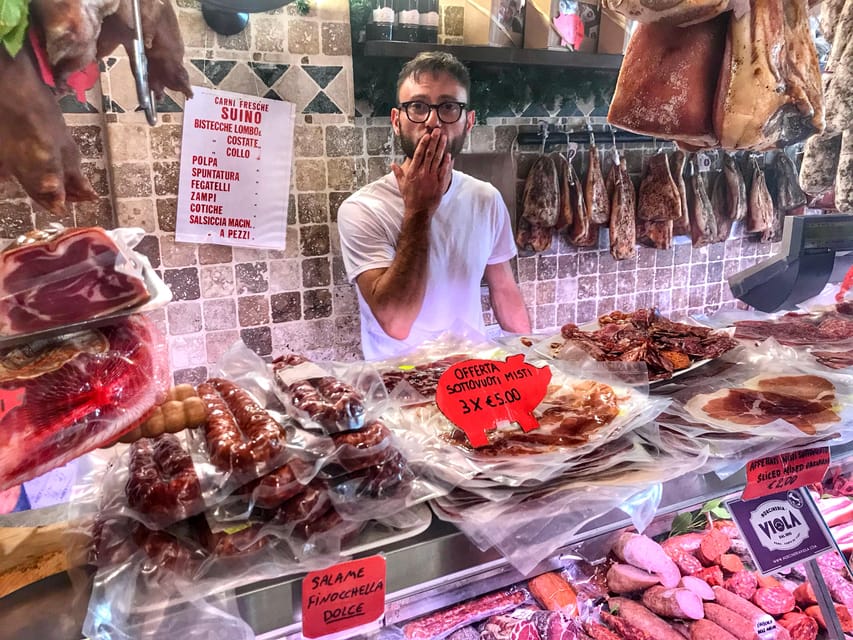
- An assortment of cured meats from a shop that has been around since 1890
- If you’re on the morning option, you may also taste olive oil, truffles, and balsamic vinegar at the market
What I like about starting here is that it sets expectations. You’re not walking around hungry, and you learn what to look for as you go: where something is made, how it’s wrapped, and what locals consider normal street food.
You can also read our reviews of more food & drink experiences in Rome

Via del Biscione and the short detours that make Rome feel real
After Campo de’ Fiori, you move along narrow lanes for a quick 10-minute walk on Via del Biscione. This part is lighter on food and heavier on atmosphere. It’s also a good moment to catch your breath, because Rome’s center has lots of stone underfoot.
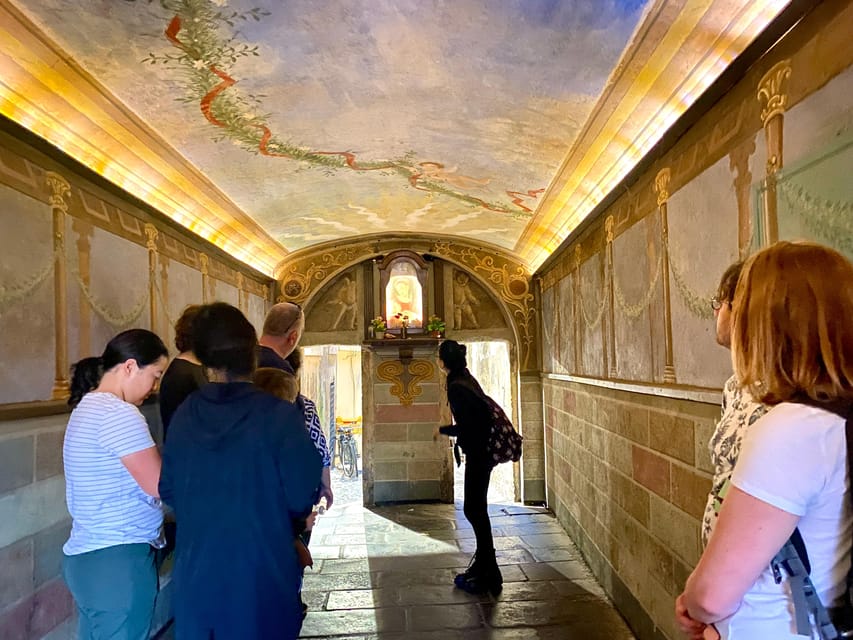
Then the tour adds a small detour that many people would skip if they were walking solo: an ancient passageway with frescoes and a shrine. It’s described as a true quiet stop, and it’s exactly the kind of detail that turns a “food tour” into a “see-the-city” tour.
Next comes Via dei Chiavari, where you get another food stop. This is timed at about 30 minutes of tasting, and it’s one of the checkpoints where you’ll likely start thinking, okay, this is more than snacks. One review noted the tour covered lunch and kept them going into the evening, and that lines up with the structure here: you’re eating at a steady pace, not in random spurts.
The supplì moment, and why it’s the right kind of iconic
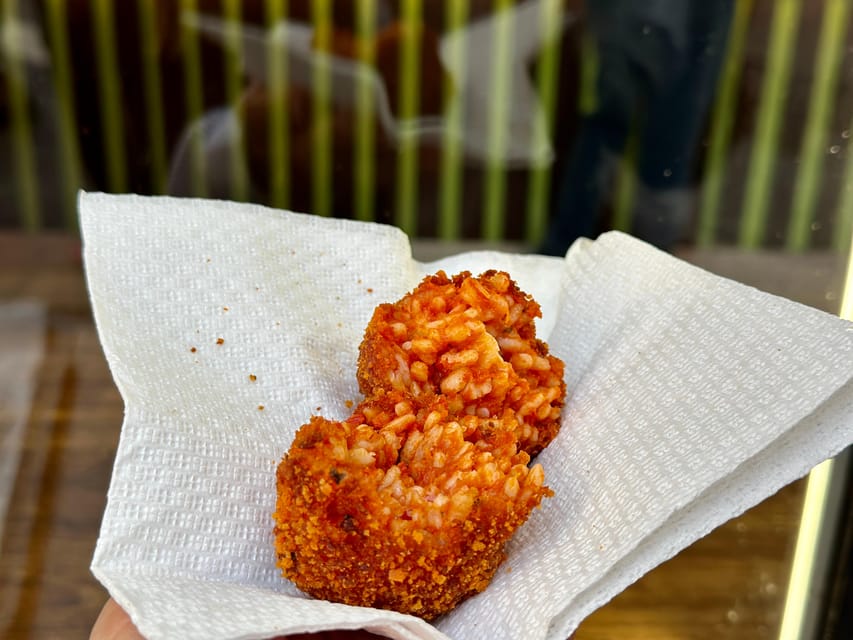
As you walk through the area, you’ll stop for the classic Roman street food that’s hard to replicate anywhere else the same way: supplì, the deep-fried rice ball. It’s iconic for a reason. It’s portable, it’s satisfying, and it’s one of those foods that lets you taste Roman comfort food without needing a reservation.
This stop also works as a cultural marker. Your guide is not only handing you something hot. You’ll get anecdotes and practical insights about dining habits and local traditions, and that makes the food feel connected to daily life rather than just another item on a tasting list.
In Rome, it’s easy to overdo photos and underdo eating. This part of the tour pushes you to do both, and supplì is the bridge.
Jewish Ghetto streets, fried artichokes, and a second layer of Rome
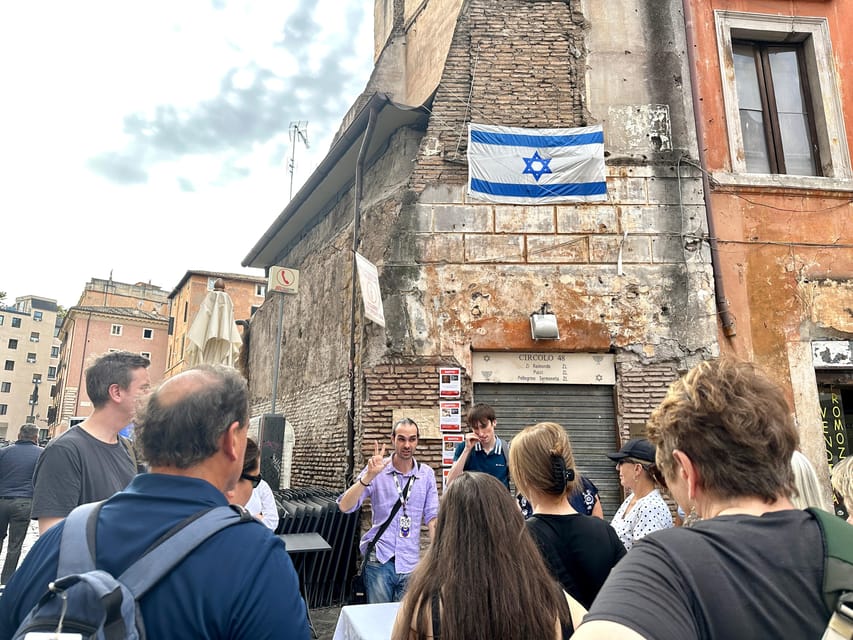
The highlight for many people is the move into the historic Jewish Quarter, one of the oldest Jewish communities in the western world. Here you get a longer segment of about 45 minutes, mixing sightseeing with food tastings.
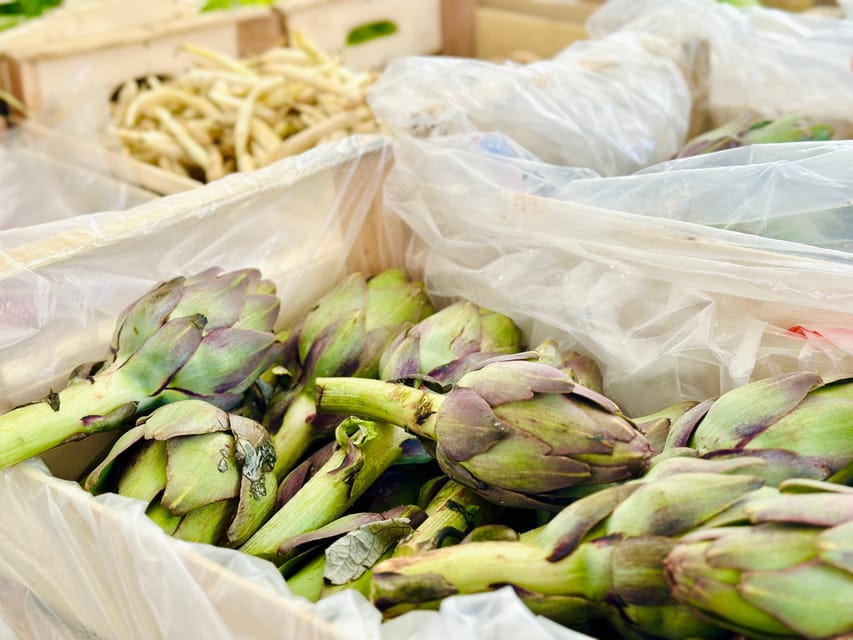
The food at this stage is fried artichoke, a local favorite known for a crispy texture and that distinct flavor you only understand after you try it. It’s also a smart choice for this part of the tour because artichokes and fried bites belong to street culture, not formal dining. You’re seeing how everyday foods travel with communities and adapt over time.
What I value most here is that you don’t just get background facts. The tour is set up to connect the dishes to the neighborhood. You’ll learn about the culinary history of the Jewish community in Rome and how these beloved foods fit into the local tradition.
One review had a small complaint: the group expected more food moments specifically inside the Jewish quarter. That’s a fair note when a description suggests multiple chances to taste in that zone. Still, the structure does include time for both walking and tasting, and the fried artichoke stop gives you a clear food anchor in the area.
Practical tip: this section is more about street rhythm than landmark stops alone. Wear shoes you trust. The route may be walkable, but the surfaces and crowding in central Rome can make every corner feel like a workout.
Largo Argentina and gelato, the finish that actually feels earned
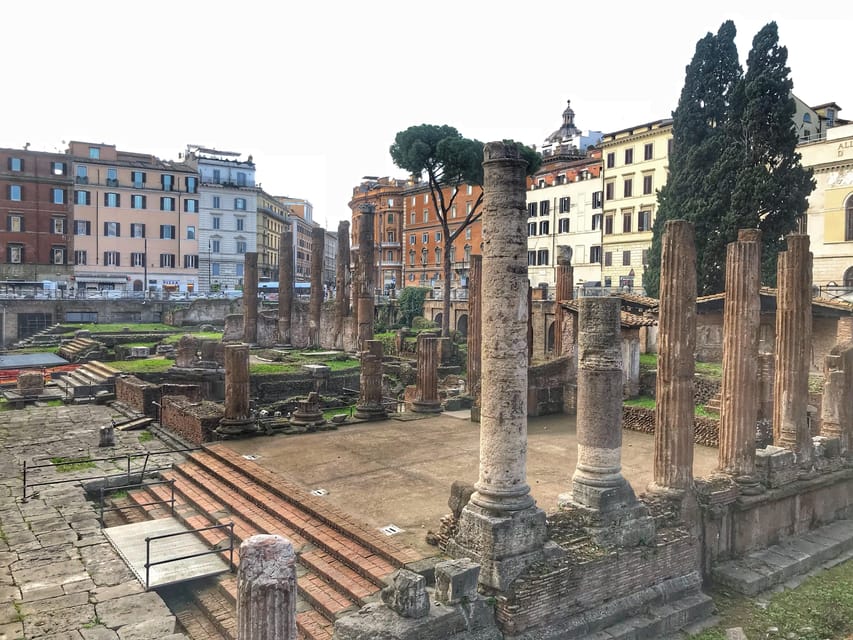
The tour concludes at Area Sacra di Torre Argentina, near Largo di Torre Argentina. This is the point where you shift from eating your way through Rome to absorbing the stone-and-echoes of ancient ruins.
Before you reach the end, there’s a 20-minute stop with sightseeing and dessert. The dessert is gelato, a sweet reset after fried food and cured meats. I like a finish like this because it’s not just “walk, taste, go.” You get one last anchor sight, then you cool off with something cold.
Area Sacra di Torre Argentina is also a place where Rome’s layers are hard to ignore. Even if you’re not a hardcore ancient-site person, it’s a strong visual payoff after the food context you’ve been given all morning or afternoon.
A few more Rome tours and experiences worth a look




Food, wine, beer, and how much you’ll actually eat
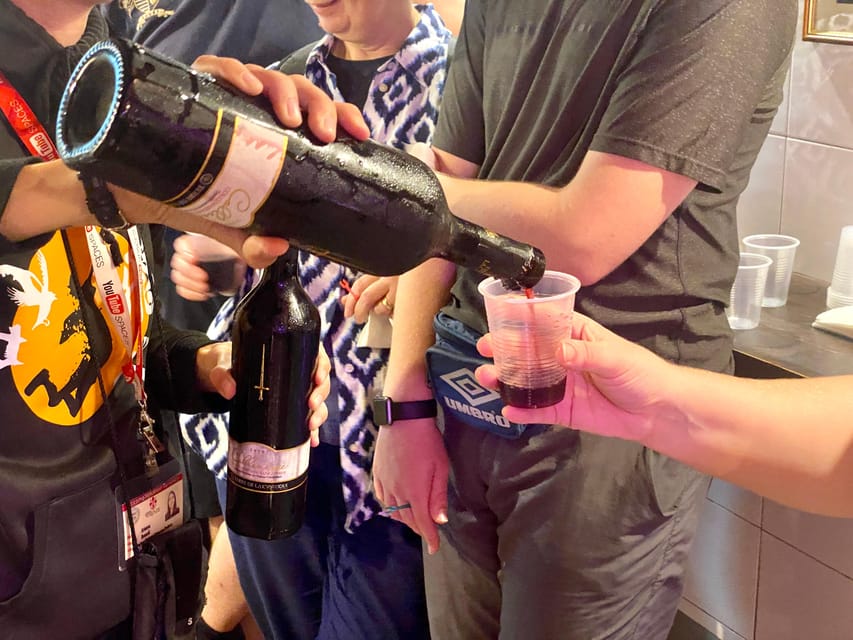
This is a big part of the value equation. You get 5 food stops, plus 1 sample of beer and 1 sample of wine. That’s not a full bar tab, and the tour does not present itself as a drinks party. But the tastings matter because they’re paired with what you’re eating, so you get more flavors per stop.
Based on the structure and the feedback, here’s what you can reasonably expect:
- You’ll get multiple savory bites that can realistically replace a lunch.
- You’ll end with something sweet, typically gelato.
- Wine and beer are just sips as part of the tasting experience, not unlimited pours.
One review specifically praised generous portions and noted the tour kept them going until the evening. That’s the kind of practical outcome I’d want if I’m paying for a paid tour. You’re not paying for the pleasure of carrying a tiny paper cup of something you can get on your own. You’re paying for a plan.
Also, if you’re thinking about dietary needs, read this part carefully:
- Vegetarian option can be provided only if requested in advance.
- Vegan, gluten-free, and dairy-free options are not available.
- If you have a nut allergy, there’s a cross contamination risk, so don’t assume every bite is nut-free.
That’s not me being dramatic. Street food in Italy is often made in shared kitchens and handled by human hands, and the tour is not able to guarantee strict avoidance.
Price and logistics: why $41 can make sense
At $41 per person for a 2.5-hour guided walk with 5 tastings, plus wine and beer sips, this sits in the “value-first” category for Rome food tours. The price isn’t just for food. You’re paying for:
- a licensed local guide’s storytelling
- structured time in a market setting
- stops that combine food with specific Rome landmarks, including the Jewish Ghetto and Largo Argentina
In practical terms, if you were doing this on your own, you’d spend time finding each place, figuring out what’s worth trying, and getting historical context without a guide. Here, the route is already planned. You can focus on tasting and learning.
One more small but real logistics factor: seats are not guaranteed, so think standing and short walks. This keeps the tour moving, which is great when you want your time in Rome to count.
Who this tour fits best, and who should skip it
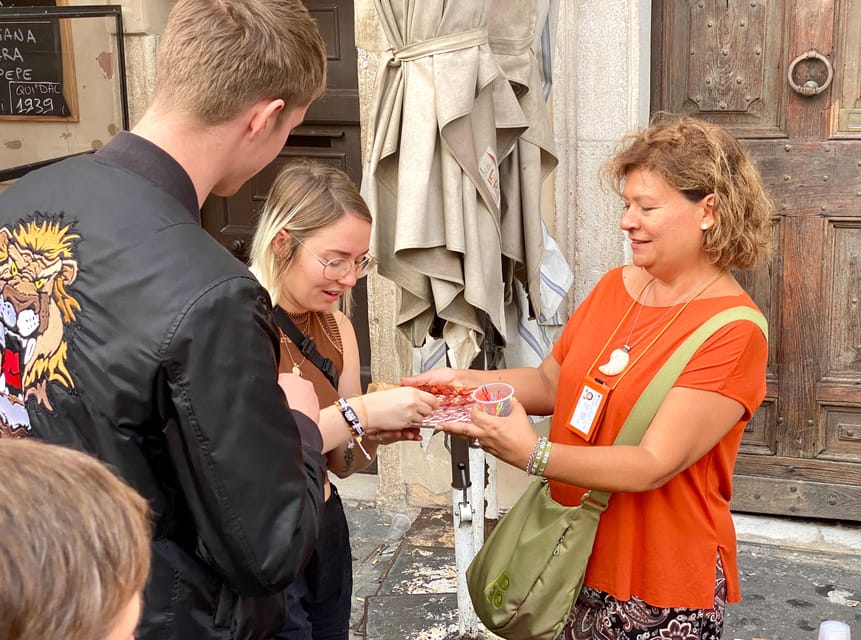
This tour is best for you if you want a blend of food and neighborhood context in a short window. It’s also a good match if you like meeting a local guide who can connect what’s on the plate to the streets you’re walking.
You’ll probably enjoy it most if you:
- like Roman street classics like supplì and fried artichokes
- want to see Campo de’ Fiori, the Jewish quarter area, and Largo Argentina without piecing it together yourself
- prefer a guided pace that gives you tastings at a steady rhythm
Skip it if:
- you use a wheelchair (it’s not suitable)
- you have limited standing or walking capacity
- you need vegan, gluten-free, or dairy-free options (not available)
- you are traveling with pets (pets are not allowed)
Quick practical tips before you go
Rome street food tours can be won or lost on small details. Here’s how I’d prepare.
- Arrive at the meeting spot on time: under the Giordano Bruno statue in Campo de’ Fiori.
- Expect cobblestones even if the route is described as flat. Your feet will notice.
- Plan your day around eating: this is designed to cover a lot of tasting, and some people leave feeling fed until evening.
- If you need vegetarian food, request it in advance. The tour only supports vegetarian adjustments by request.
- If you have nut allergies, be cautious. Cross contamination risk is explicitly mentioned.
If you’re sensitive to heat, keep an eye on how your guide handles walking in sun. One review praised a guide who routed through shade when possible, and that’s the kind of detail that can make the experience far more comfortable.
Should you book Rome Street Food: Delights at Campo dei Fiori & Ghetto Area?
If you’re aiming for a 2.5-hour activity that blends Roman street food with meaningful stops, I think this is a strong booking. You get the biggest hits (supplì, pizza, fried artichoke, gelato), tastings of wine and beer, and a route that includes Campo de’ Fiori, the Jewish Ghetto, and Largo di Torre Argentina.
I’d book it especially if:
- you want your food tour to also help you understand neighborhoods
- you like getting a structured plan instead of wandering hungry
- you’re okay with standing on cobbles for part of the route
I would not book it if mobility is a challenge or if you need vegan, gluten-free, or dairy-free choices. And if you’re expecting a huge number of separate Jewish quarter tastings, manage your expectations. The Jewish segment is real and supported, but it’s one stop in a fuller walking-and-tasting schedule.
Overall, at $41 for a guided, food-forward walk, the value is solid, and the best part is that the tastings are paired with stories, not just handed to you.
FAQ
How long is the Rome Street Food tour?
The tour lasts 2.5 hours.
Where do I meet the guide for the tour?
Meet your guide under the statue of Giordano Bruno in the middle of Campo de’ Fiori square.
What’s included in the price?
The tour includes a walking tour, 5 food stops, 1 sample of beer, 1 sample of wine, and a local guide.
What food and drink tastings can I expect?
You’ll have multiple Roman street food tastings such as supplì, pizza, fried artichoke, and gelato, plus sips of beer and wine.
Can I get a vegetarian option?
A vegetarian option can be provided only if requested in advance. Vegan, gluten-free, and dairy-free options are not available.
Is the tour suitable for wheelchair users or limited mobility?
No. It is not suitable for wheelchair users or travelers with limited standing or walking capacity.
More Food Experiences in Rome
More Food & Drink Experiences in Rome
More Tour Reviews in Rome






Not for you? Here's more nearby things to do in Rome we have reviewed












Food & Drink, compared.
 ★ 4.8Trastevere or Jewish Quarter Street Food TourFrom $513,839 reviews
 ★ 4.9Trastevere & Campo de Fiori Street Food Walking TourFrom $512,768 reviews
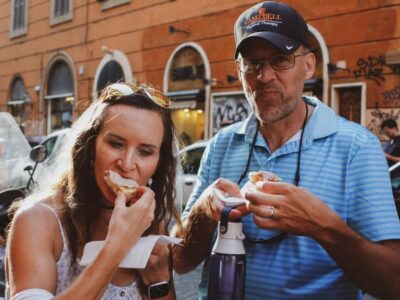 ★ 4.8Guided Food Tour in TrastevereFrom $1122,266 reviews
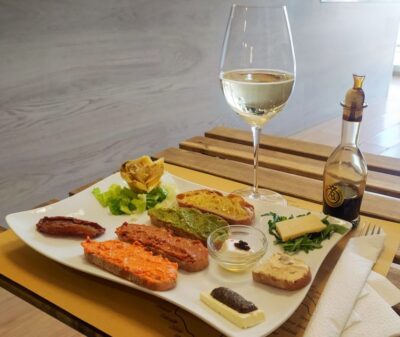 ★ 4.8Food Tour with Unlimited Food and Barolo WineFrom $861,883 reviews
 ★ 4.9Appian Way E-bike Tour with Catacombs, Aqueducts & FoodFrom $961,210 reviews
 ★ 4.9E-Bike Night Tour with Food and Wine TastingFrom $891,131 reviews
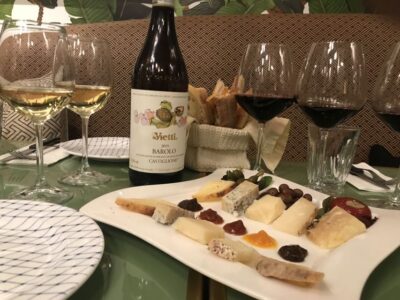 ★ 4.9Trastevere Guided Food and Wine Tour with 20+ TastingsFrom $1461,022 reviews
 ★ 4.9Pasta Making with Wine Tasting and Dinner in FrascatiFrom $35979 reviews
Browse the lists this tour appears in