
Reviewed · EVENING EXPERIENCES
Rome Night Photo Tour
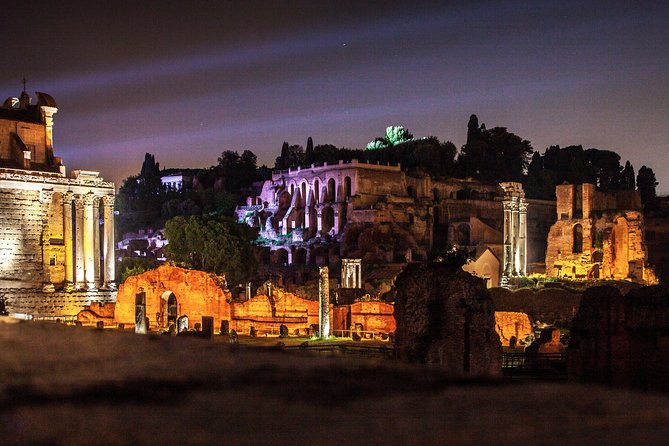
Rome looks different after dark. This Rome Night Photo Tour is built for making better night photos of the city you already thought you knew. I like that it pairs famous landmarks with more surprising angles, and it does it with hands-on coaching you can use on a camera or your phone.
Two things I really like: the pace is small-group and personal (maximum 4 travelers), and you get a tripod included plus instruction that focuses on composition and technique, not just where to stand. The other big win is that you can bring a partner or friend who is a non-photographer, free of charge, so you can share the night without a second ticket.
One possible drawback to consider: there is no hotel pickup. You meet at the Napoleonic Museum area, and while you do get car drop-off back to your hotel after the tour, you need to be ready to start from the meeting point.
Key highlights in plain words
- Small group of up to 4 so you are not waiting your turn to ask questions
- Tripod included, helpful even if you shoot with an iPhone or Android
- Award-winning local instructor who teaches photo technique, not just picture spots
- Blue Hour focus at Castel Sant’Angelo for softer light and stronger mood
- 15 to 20 scenes photographed, so you leave with variety, not just one good shot
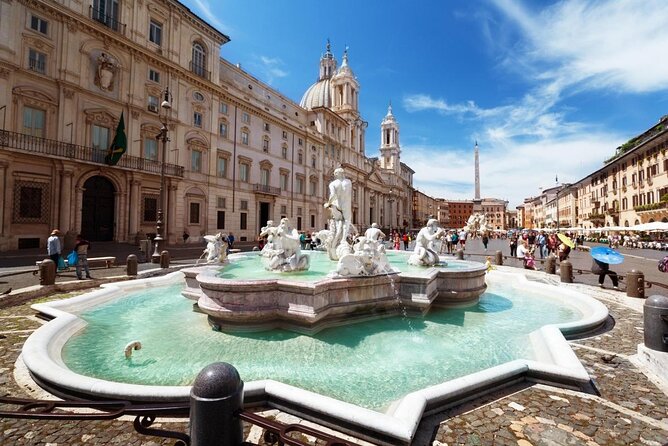
- Optional add-ons by request like Trastevere, Pantheon, Spanish Steps, Trevi Fountain, or Piazza Navona
Why Rome at night changes your photos fast
Night photography in Rome is not just about darkness. It is about lights, shadows, and that calmer rhythm you get when the crowds thin out. You will be out during the golden moments of the evening, and the schedule is built around twilight timing.
A smart detail here is the focus on how buildings look when they are lit from different directions. The tour keeps nudging you toward angles that feel more like a story and less like a postcard. Even if you are new, you will get a structure for what to look for: composition, depth, and how to make the scene readable.
And yes, weather can help. If it rains, the experience is still designed to work, and that moody atmosphere can actually give you better light behavior and texture. Just bring comfortable shoes, because even with car transfers, you are still walking the right amount for photography.
You can also read our reviews of more evening experiences in Rome
Your instructor coaching: tripod, iPhone help, and real feedback
The biggest value in this tour is how the teaching works. You are not handed a list of famous places and told to figure it out. You get coaching tied to what you are shooting right then, which is why people describe the experience as teaching them to think like a photographer.
From what I saw described, the instructors include Marco and Luca, both local professionals who also teach photography. They talk composition and technique in a way that works for beginners and still helps people who already know the basics. If you are working with a DSLR or mirrorless, you get guidance for settings and framing. If you are using an iPhone or Android, you still get practical tips, plus help with getting sharper results at night.
The tripod inclusion matters more than it sounds. Low light usually means slower shutter speeds, and that is where stability pays off. In the reviews, people specifically mention using the tripod to improve sharpness, including on phones. If you want consistent night photos, this is not the place to “hand-hold and hope.”
Where you start, how you move, and what to bring
You meet at the Napoleonic Museum, Piazza di Ponte Umberto I, 1, 00186 Roma RM. Your tour ends at the Colosseum area, Piazza del Colosseo, 1, 00184 Roma RM. There is no hotel pickup, so plan your arrival to the meeting point ahead of time.
Movement is handled with a mix of walking and private vehicle transport. You also get car drop-off back to your hotel after the tour, with the note that it is not for hotels outside Rome. In other words, if you are staying in the city center or close by, you should be fine. If you are farther out, double-check what your hotel address means for the drop-off.
What to bring is simple: comfortable shoes and a small bottle of water. The tour also allows time for breaks, including a quick stop for gelato, pizza, or coffee if you want. With a 4 hours 30 minutes duration, small comfort wins make the session feel relaxed rather than rushed.
Colosseum stop: classic vs unusual angles in 30 minutes
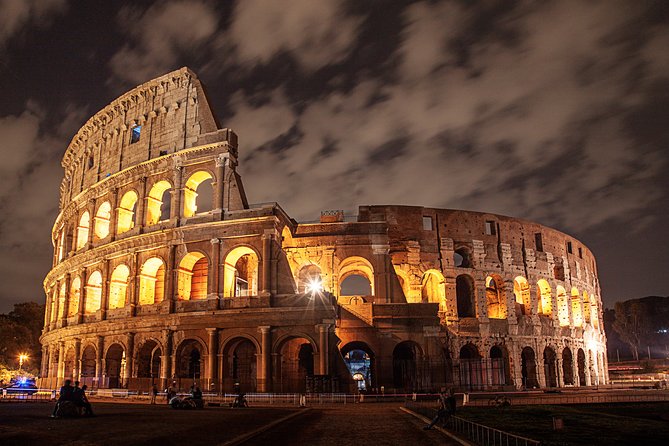
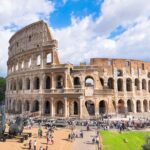
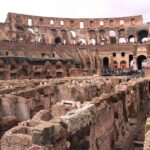
You start your photo session at the Colosseum, and the plan is refreshingly specific. You shoot it from two different angles: one classic and one more unusual. That matters because the classic view teaches you baseline composition, while the unusual view trains you to spot framing choices most people skip.
You get about 30 minutes here, and the timing is tight enough to keep the group moving but long enough to try multiple setups. The tour notes admission tickets as free for this stop, which helps you avoid extra add-on costs.
The practical takeaway for you is this: do not aim for one “perfect shot” and spend the whole session there. Instead, use the classic angle to nail exposure and basic framing, then switch to the unusual angle to practice perspective. This is one of the best segments for beginners because the landmark is obvious, and you can see immediately what changes when you move your camera position.
St. Peter’s Basilica: technique-focused shooting for 45 minutes
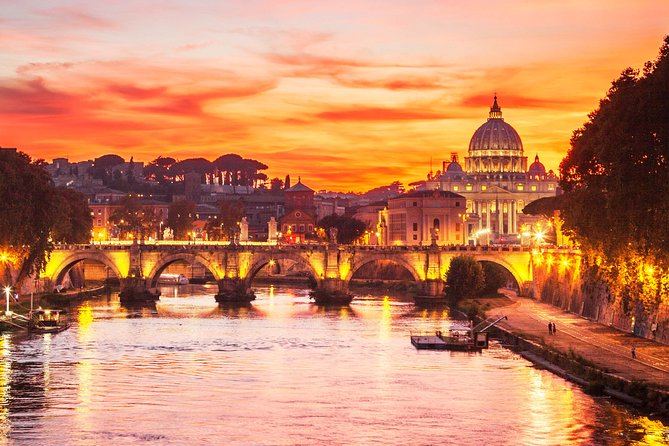
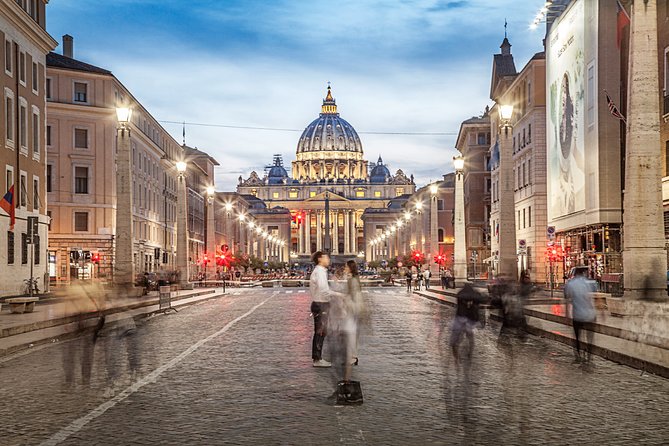
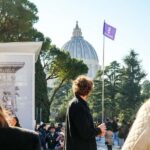
Next comes St. Peter’s Basilica at the Vatican side. This stop runs about 45 minutes, and the emphasis is on shooting with a different technique. That likely means you are not repeating the same approach you used at the Colosseum. You adjust your method to match the subject and the lighting behavior at night.
Admission tickets are listed as free for this stop as well, which is a small but meaningful value factor. You are also getting a slower-feeling moment in the tour compared with some of the shorter stops, so you have room to practice what you were taught.
If you are shooting with a phone, this is where the “technique” part can be the difference between one sharp image and a blurry mess. If you are shooting with a camera, it is a chance to compare how framing and stability change your results. Either way, the time here is designed to help you learn, not just collect photos.
You can also read our reviews of more photography tours in Rome
Castel Sant’Angelo at Blue Hour: bridge, river, and “exclusive spots”
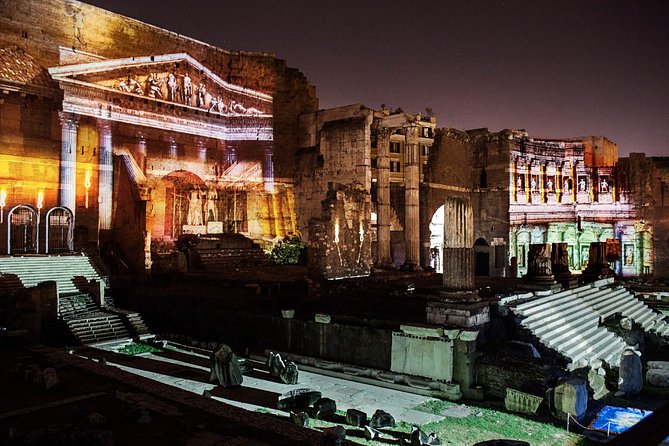
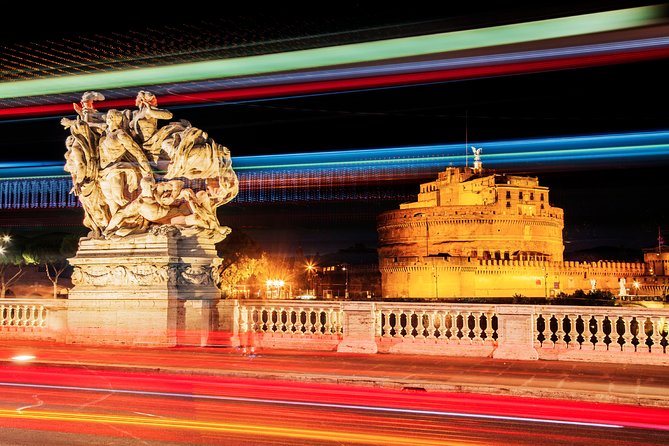
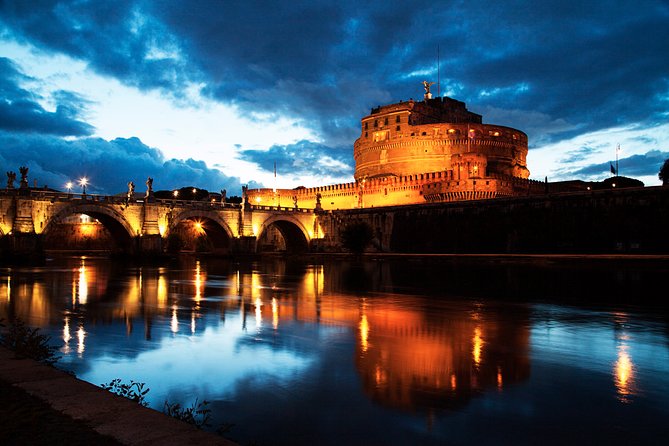
Castel Sant’Angelo is one of the most cinematic parts of the route, and the tour explicitly targets the Blue Hour. You shoot the castle, the bridge, and the river from exclusive spots, with about 30 minutes allocated.
Why Blue Hour is such a big deal: the light softens, the contrast gets more forgiving, and reflections become more interesting. In Rome, that combination can turn a familiar skyline into something that looks new, even if you have photographed monuments before. The river and bridge also give you natural compositional lines to work with, which makes it easier to build a photo with depth.
This is also a stop where small guidance pays off. If you set up in the wrong place, you lose reflections or you end up with a cluttered frame. The tour’s focus on specific spots helps you avoid that early mistake and spend your time practicing instead of wandering.
Roman Forum and Palatine Hill: photographing the scale in two moves
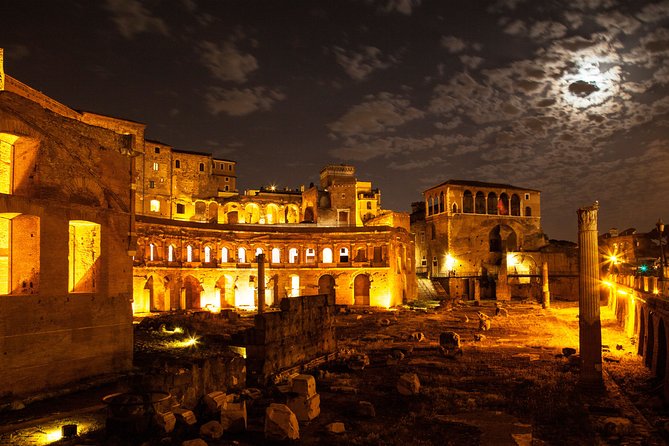
After Castel Sant’Angelo, you move into the ancient core, and the tour changes its approach again. At the Roman Forum, you photograph all the forums following an alternative way. This stop is about 30 minutes, with admission noted as free.
Then you continue to Palatine Hill for about 20 minutes, shooting it from various angles. The split between the two helps you cover two different “readings” of the ruins: one that feels like a wider spread of spaces, and one that feels more like a structured viewpoint from specific positions.
Practically, this is a good section for anyone who wants to improve composition. Night ruins can look flat if you do not pay attention to perspective. By changing angles and using alternative routes, the tour gives you visual variety so you learn how to make the scene feel layered instead of just dark.
Vittorio Emanuele II, Campidoglio, and a big shift in viewpoint
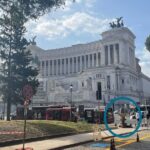
Next you hit Monumento a Vittorio Emanuele II for about 10 minutes. It is short, but the goal is clear: shoot it from a unique point of view. When a stop is brief like this, it is often the moment you learn something fast, like how moving a few steps can change the entire composition.
After that, you go to Piazza del Campidoglio for about 45 minutes. This part focuses on Capitoline Hill and its surroundings, including amazing sights and glimpses. It is longer than some other stops, which means you can try different framing strategies rather than grabbing only one quick image.
This section is also where you see how the tour balances “big icon photos” with smaller details. Even when the subject is famous, the coaching helps you keep the image from looking generic. If you want photos that feel personal, this is exactly the kind of stop that trains you to ask better questions: Where is the light falling? What lines pull the eye? What background distracts?
Trajan’s Market and Fori Imperiali: building depth in 15 minutes
You finish with Mercati di Traiano – Museo dei Fori Imperiali, with about 15 minutes noted for shooting Trajan’s Market and the Forum from unique spots. It is the shortest stop on the main route, but it is packed for variety because it is centered on viewpoint changes.
Short stops can be intimidating, but this is where the earlier coaching helps. You are already practicing stability, framing, and how to compose for depth. That means you spend less time experimenting from scratch and more time applying what you learned.
The admission note is listed as free for this segment too. For a 4 hours 30 minutes experience, that is a solid mix: longer teaching moments at the key sites, and quick “apply what you learned” shots where you can experiment without losing the flow.
Optional add-ons you can request before or during the night
Depending on your interests, the tour notes optional extensions if requested. You can include Trastevere with its off-the-beaten-path glimpses. You can also add the Pantheon, the Spanish Steps, Trevi Fountain, or Piazza Navona.
Here is how to think about these add-ons. If you want classic Rome icons, adding Trevi Fountain, Spanish Steps, or Piazza Navona makes sense. If you want texture and street atmosphere, Trastevere can add mood and variety beyond monuments. The key is that the tour is designed around night photography coaching, so optional locations should still connect to what you want to practice: reflections, contrast, and composition at night.
If you are deciding what to request, think about your camera setup. If you plan to shoot with a phone, you might prioritize smoother, less chaotic frames. If you brought a camera plus a tripod, you have more flexibility in where you can wait for the right moment.
Pricing: what $217.69 buys you in real value
At $217.69 per person for about 4 hours 30 minutes, this tour is not a budget “walk and take photos” deal. But you are paying for several things that add up fast: a professional photographer guide, a tripod, private vehicle transport, and hotel drop-off after the tour.
You are also paying for the small-group limit of up to 4 participants, which is a big deal in night photography. Low light makes it hard to move quickly and re-adjust. In a larger group, you lose time and get less feedback. Here, the teaching stays practical, and you get more attention when you need it.
The partner-friendly policy also increases value. Your non-photographer friend or partner can join for free, which is rare for photo-focused tours. If you are traveling as a couple, or you want to bring a friend who just wants the night views, this can make the cost feel far more reasonable.
There is also a note that you can change the date of the tour and workshop without additional costs. And admission tickets are listed as free for the main stops. Taken together, you are buying a structured night session where the guide helps you get photos you can actually keep, not just stand in front of.
Who this night photo tour is best for
This experience fits beginners, amateurs, and advanced photographers. That is not marketing fluff here. The coaching is aimed at practical technique, and the stop plan supports different skill levels because you can learn basics at famous locations and then practice your own style through viewpoint changes.
It also works well if you are traveling with someone who does not want to photograph. The free non-photographer policy means you can experience Rome at night without forcing your travel partner into camera mode.
If you are short on time in Rome, this is also a smart choice. You cover a lot of major sites in a single evening, including Colosseum, St. Peter’s Basilica, Castel Sant’Angelo, the Roman Forum area, Palatine Hill, and viewpoints like Piazza del Campidoglio. You are also getting a way to slow down and focus, which can make the whole trip feel more personal.
Should you book this Rome Night Photo Tour?
Book it if you want night photos that look intentional. This tour focuses on composition, technique, and specific night shooting spots, with enough time at major monuments to learn and enough variety to avoid repetition.
Think twice if you are not comfortable meeting at a set location and walking during the session. There is no hotel pickup, and while you do get hotel drop-off afterward, you need to start at the Napoleonic Museum meeting point. Also, if you are the type who wants to browse and wander freely with no structure, this is a teaching-focused route, not a free-form stroll.
If you want one evening in Rome that upgrades your camera work, improves your framing, and gives you photos you will actually show later, this is a strong bet.
FAQ
How long is the Rome Night Photo Tour?
The tour is approximately 4 hours 30 minutes.
Where do I meet, and where does the tour end?
You start at Napoleonic Museum, Piazza di Ponte Umberto I, 1, 00186 Roma RM, Italy. The tour ends at the Colosseum, Piazza del Colosseo, 1, 00184 Roma RM, Italy.
Is hotel pickup included?
Hotel pickup is not included.
Is a tripod provided?
Yes, a tripod is included.
Can my friend or partner join for free if they are not photographing?
Yes. A partner or friend can accompany you for free as a non-photographer.
What camera setup is this tour good for?
It is suitable for beginners, amateurs, and advanced photographers. You can also use your phone, since coaching and tips are offered for night photography with different devices.
What time does the tour run?
From November to March it starts at 5:00pm. From April to October it starts at 7:30pm. Start time could change depending on twilight time.
What sites are included on the main route?
The main route includes the Colosseum, St. Peter’s Basilica, Castel Sant’Angelo, Roman Forum, Palatine Hill, Monumento a Vittorio Emanuele II, Piazza del Campidoglio, and Mercati di Traiano – Museo dei Fori Imperiali.
Are any optional locations available?
Yes, if requested you can include Trastevere, the Pantheon, the Spanish Steps, Trevi Fountain, or Piazza Navona.
More Evening Experiences in Rome
More Tours in Rome
More Tour Reviews in Rome
Not for you? Here's more nearby things to do in Rome we have reviewed


Evening Experiences, compared.
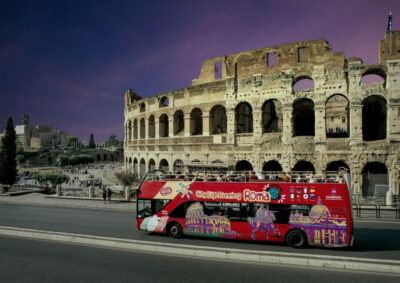 ★ 4.1City Highlights Open-Top Bus Night TourFrom $222,038 reviews
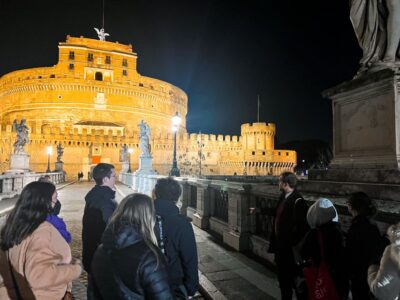 ★ 4.9Paranormal Night Walking Tour & Secret BackstreetsFrom $341,921 reviews
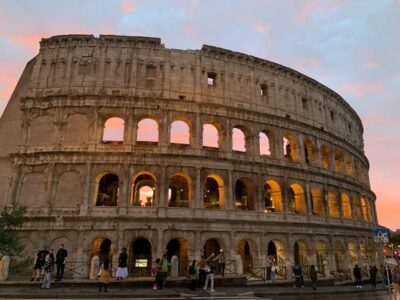 ★ 4.5Colosseum Sunset Tour with EntryFrom $491,230 reviews
 ★ 4.9E-Bike Night Tour with Food and Wine TastingFrom $891,131 reviews
 ★ 4.4Guided City Center Evening Sightseeing Walking TourFrom $46953 reviews
 ★ 4.0Colosseum by Evening Guided Tour with Optional Arena Floor AccessFrom $84867 reviews
 ★ 4.8Under the Moonlight Evening Walking TourFrom $28852 reviews
 ★ 4.5Night Tour of Rome with Local Pizza Dinner and Gelato ExperienceFrom $237780 reviews
Browse the lists this tour appears in