
Reviewed · DINNER EXPERIENCES
Rome: Dining Experience at a Local’s Home
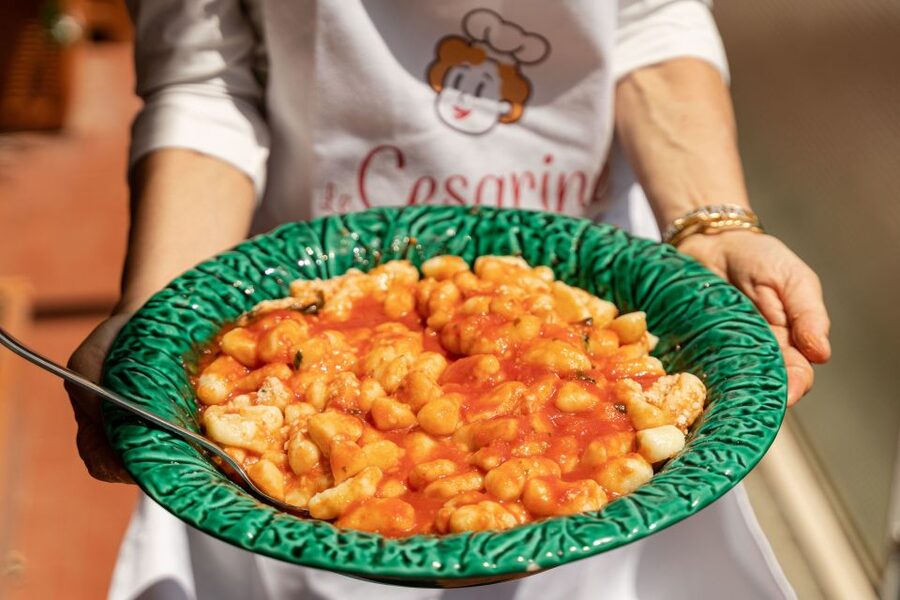
A Roman dinner inside a real family home changes your trip. This Cesarine experience pairs a 3-course meal with an exclusive cooking demonstration, plus wine and coffee, all in the warm, unhurried rhythm of Lazio hospitality.
What I like most is the way the food comes with a story, pulled from family cookbooks the hosts truly use. I also love the small group setup, limited to 8 people, which makes it feel like you are invited in, not herded through.
One possible drawback: you are eating at a private home, so the setting is cozy and personal, not restaurant-polished, and the exact address is shared only after booking.
Key Highlights You Actually Get
- Family-cookbook recipes tied to regional Roman and Lazio tradition, not generic tourist dishes
- A show-and-touch cooking demo where you often help with pasta, depending on the host and menu
- 3 courses plus drinks: water, regional red and white wine, and coffee included
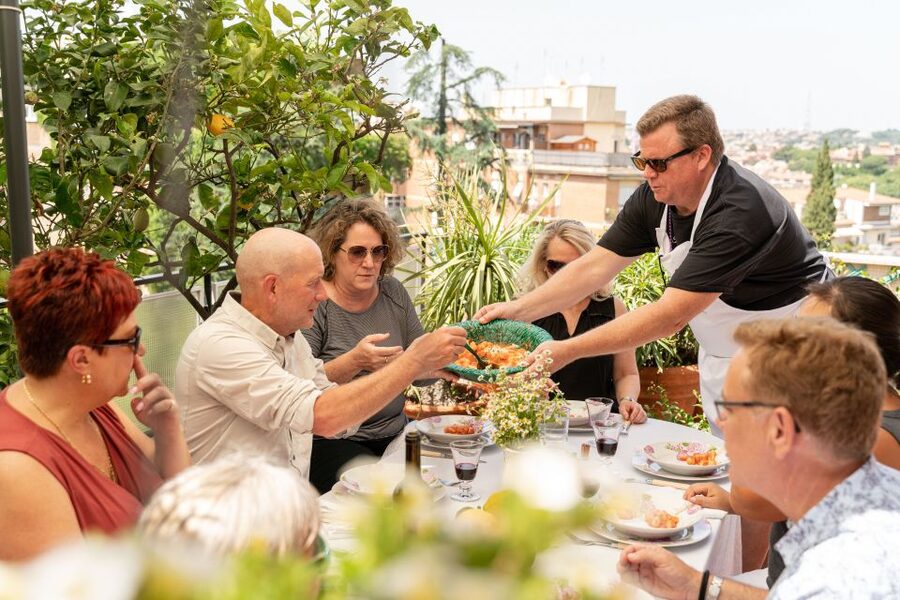
- Small group size (up to 8) so you can talk, ask questions, and connect
- Cesarine hosts and family energy that makes the table feel like you found new friends
A Roman Home Dinner, Served Like Family Time
Rome is full of places to eat. This is different because you are not just buying a meal, you are joining a kitchen moment. The experience is run by Cesarine, Italy’s long-running network of home cooks in 500 cities, and the idea behind it is simple: a home cook shares local specialties and the “how” and “why” behind them.
The best part is the human scale. You arrive at a door you would normally walk past, ring the doorbell, and then you are welcomed in. In the reviews, the warmth keeps coming up: hosts introducing family members, laughing about food, and treating the table like company, not a transaction. People call it unforgettable, and I get why. In a city where you can stand in line for dinner, this is the opposite. You sit, you eat, you watch, and you talk.
I also like that the experience is grounded in real Rome food habits: recipes passed down through families, not “chef trends.” You are there for the starter, the pasta course, and the dessert, but what sticks is the care behind each step.
A few more Rome tours and experiences worth a look



How the 2.5 Hours Flows, From Doorbell to Dessert Plate
The full experience lasts about 2.5 hours, and it typically runs at 12:00PM or 7:00PM (with flexible times if you request in advance). Since it is hosted at a home, there is no big public schedule to chase. You show up, ring the bell, and your Cesarina host brings the evening together.
Here is the natural rhythm you can expect:
Welcome and the Cooking Demo Setup
When you arrive, your host welcomes you and explains what will happen during the meal. Many evenings include an exclusive cooking demonstration where you see how dishes are made and, in many cases, you get involved in small tasks. Reviews mention everything from slicing and helping with pasta to learning key steps and technique. English support is built into the experience, with instruction in English and Italian.
This is where the evening stops feeling like a “dinner with a side lecture.” You are watching someone cook with confidence, then you are trying parts of it. It helps you understand how Italian home cooking works: simple ingredients, careful timing, and a lot of attention to texture.
The Starter Course, Built for Conversation
The meal begins with a starter. The exact dishes are not listed here, so yours will depend on your host and the menu. But the goal is consistent: get you tasting while the kitchen energy settles.
Because drinks are included from the start, conversation is easy. You can ask direct questions about ingredients, how they choose wine, or why a particular step matters for the final taste.
Pasta Course, Where You Learn What Makes It Roman
Next comes the pasta. Multiple reviews talk about hands-on pasta moments, with one dinner specifically highlighting gnocchi made from scratch, plus sauces built with basil and mozzarella. Another review describes helping with pasta prep and then eating together at the table with the host and wine.
Even if your menu is different, the lesson usually lands the same way: homemade pasta is not complicated because it is fussy. It is complicated because it is precise. Texture matters. Timing matters. And your host will usually show you what to look for so you can recreate it later.
A few more Rome tours and experiences worth a look





Dessert Course, Often a Classic Italian Finish
Finally, you reach dessert, and reviews suggest classic Italian choices like tiramisu in at least one experience. Some hosts also include a moment of extra celebration after dinner in the form of small aperitifs, and in one case, limoncello appears at the end.
Since the listed inclusions here are 3 courses plus drinks (water, wine, coffee), treat extras like limoncello as a possible bonus, not a promise. Either way, you get the feeling of finishing the evening the way families do, not the way restaurants rush you out.
Cesarine Hosts and Family Cookbooks That Make It Feel Real
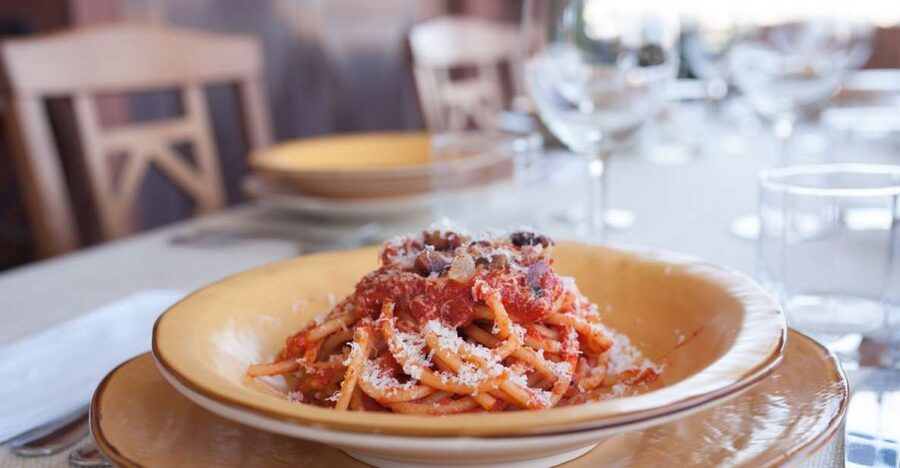
Cesarine is the key name to know. The network is described as Italy’s oldest home cook group, and it operates in hundreds of cities. The “home cook” concept is the point: these hosts serve local specialties from family cookbooks passed down through real Italian “Mammas.”
That matters because it changes how you perceive the food. Instead of treating dishes as recipes you copy online, you learn them as something that lives in someone’s life. Your host can explain what family members do differently, what changes for certain seasons, and how a dish became part of their tradition.
The reviews back up this “family cookbook” feeling. People mention being welcomed like family, and hosts often speak about cooking as a shared activity. One dinner highlights Gianluca and Giorgia opening their home and sharing what cooking and eating together mean as a family. Another praises Marco for explaining what he was making and letting guests help with the main meal. These details are not about showmanship. They are about passing along habits.
Wine, Coffee, and the Social Pace That Restaurants Rarely Offer
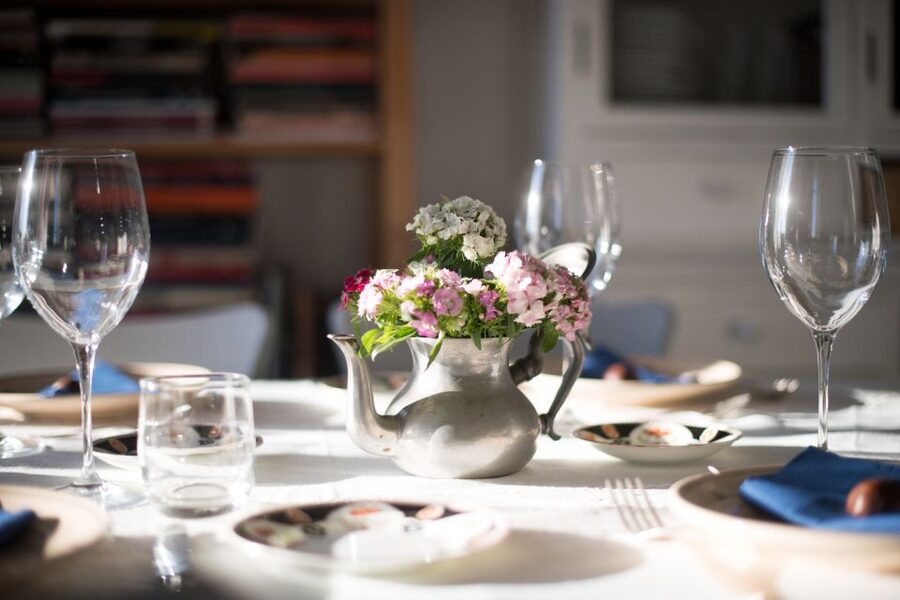
Drinks are part of the experience, not an add-on. You get water, a selection of regional red and white wines from regional cellars, plus coffee at the end.
This turns the table into what Italian dinners often are: a social space. You are not sipping one glass quickly to “complete the experience.” You settle in, eat one course at a time, and let the conversation expand.
In multiple reviews, the wine and the general hospitality are praised, and people also mention extra finishing drinks or aperitifs. Again, those extras can vary by host, but they align with the same idea: a meal at home is not just food, it is pacing.
One practical note: because wine is included, this is not a night where you should plan a strict workout or driving route afterward. If you are relying on public transit, just think ahead and pick a safe plan for getting back.
What the Small Group Really Changes
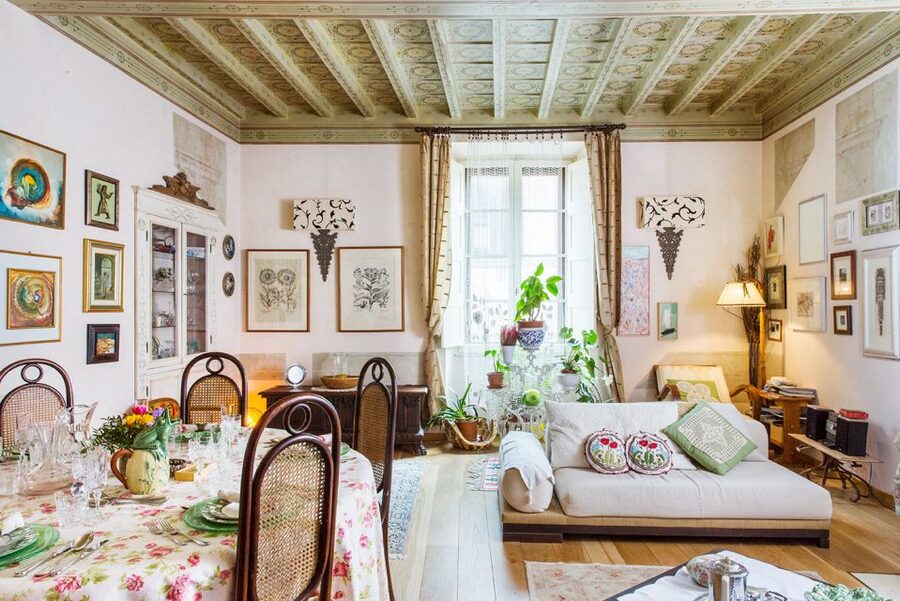
The group is limited to 8 participants. That number matters more than it sounds.
With a small group, you are more likely to:
- Talk directly with your host rather than shout over a crowd
- Ask follow-up questions when something clicks
- Get involved in small cooking steps instead of watching from a distance
In the reviews, people describe feeling like they made friends in Rome, even when they were only one couple at the table. That kind of intimacy is hard to replicate in a busy restaurant.
It also means your host can adapt. Dietary requirements are mentioned as possible, but they need confirmation directly with the organizer after booking. If you have restrictions, handle them early. Don’t wait until the day of the dinner.
Price and Value: Why This Costs More Than a Restaurant Meal
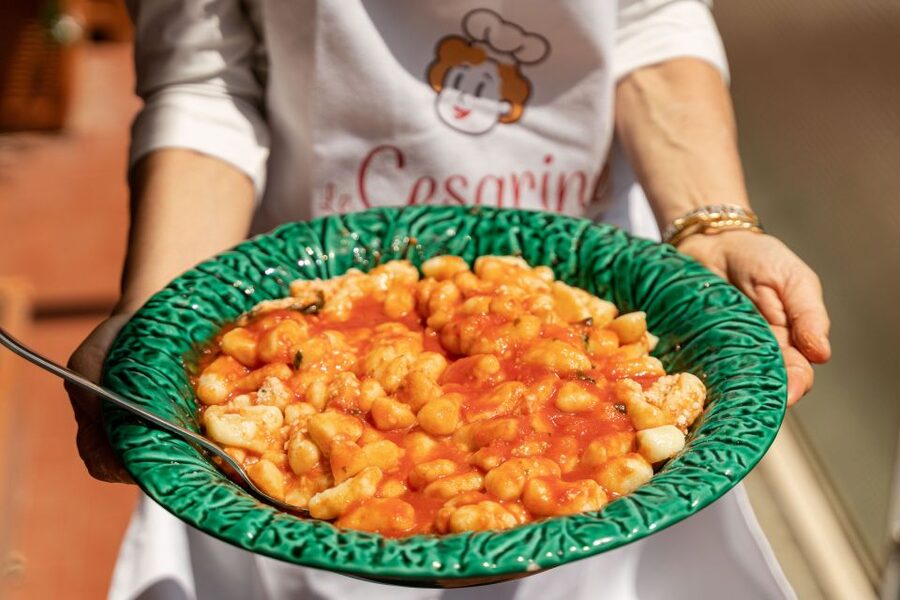
It’s priced at about $100 per person for a 2.5-hour dinner experience. If you compare it to a standard Roman restaurant meal, yes, it can feel steep.
Here is what you are paying for that a restaurant typically does not include:
- Access to a private home and a personal host
- An exclusive cooking demo, often with hands-on participation
- A set 3-course menu
- Drinks included (water, wine, coffee)
So the value is not only the food. It is the experience packaging: you get entertainment without a big performance vibe, you get learning without a classroom feeling, and you get hospitality without the scripted restaurant service.
One review even points out the price can be more than a typical 3-course restaurant, but the takeaway was that the experience is worth it because you are paying for time, attention, and access to Italian family cooking. That logic holds up. If your goal is a quick meal at the lowest possible price, skip. If your goal is a real story you can tell later, this price makes more sense.
Practical Tips to Avoid Stress in Rome (and Enjoy the Evening)
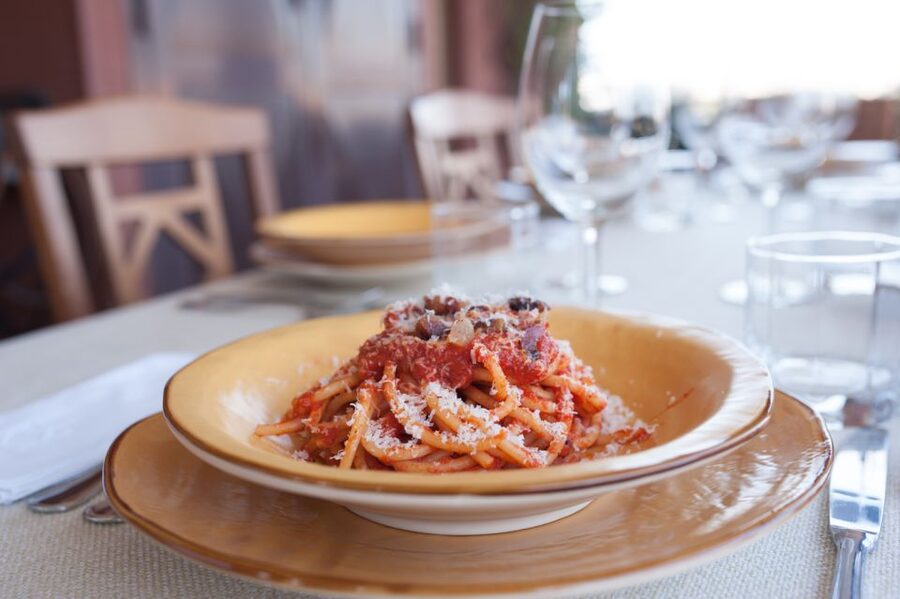
Because the address is shared after reservation, you should plan for a little detective work. You will be contacted after booking with private details including your host full address and mobile number.
Here are smart, low-effort steps:
- Arrive a few minutes early so you are not rushing at someone’s front door
- Save your host’s mobile number so you can reach them if you get turned around
- Wear something comfortable. You might be asked to help with food prep, like chopping, slicing, or pasta handling
- Go in with a mindset of talking. The experience works best when you ask how and why, not just what you are eating
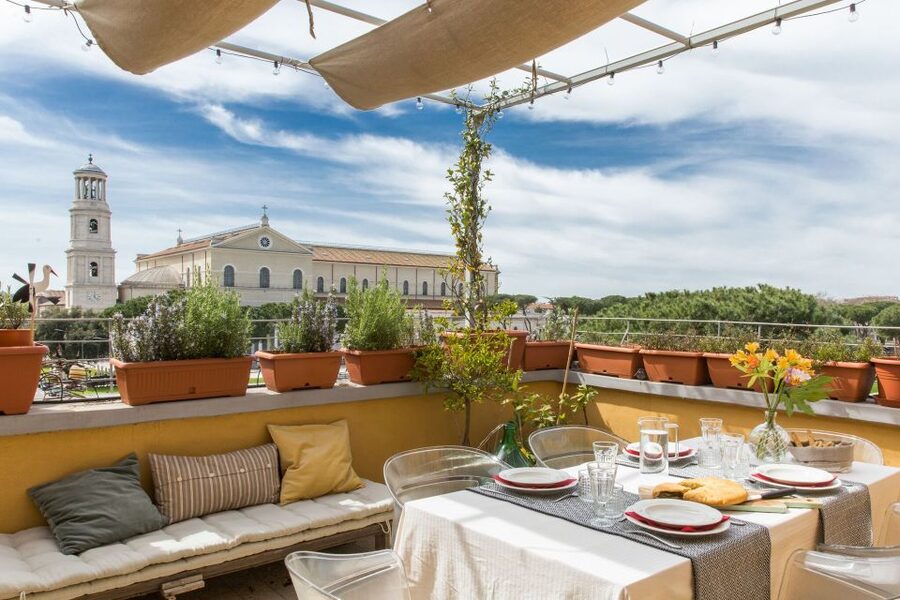
Also, think about expectations. This is not a museum tour. It is a home dinner. That means you might sit at a communal table, you might have a garden or kitchen setup, and the flow is guided by your host. In one review, a guest mentions eating in a garden and a relative helping with translation. Your experience may differ, but the pattern is the same: family adds flexibility.
Who Should Book This Cesarine Dinner, and Who Might Not
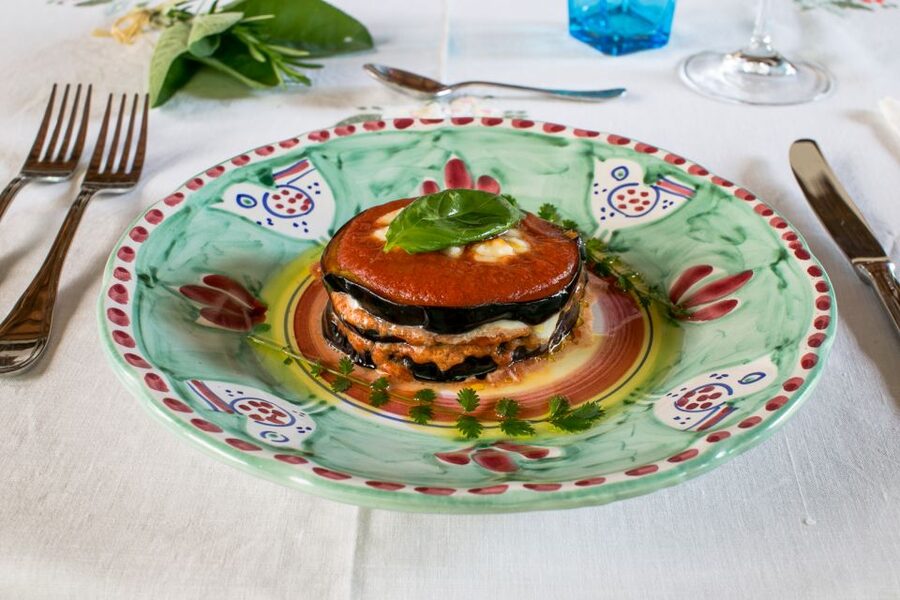
This experience is a great fit if you want:
- Authentic Roman and Lazio home cooking, tied to family tradition
- A hands-on food learning moment, especially around pasta
- A social evening with small-group conversation
- A less-touristy way to understand daily life in Rome
It might be less ideal if you:
- Want a strict restaurant schedule and lots of public signage
- Dislike being in someone’s private home setting
- Have very limited patience for finding an address that is shared only after booking
- Need very specific dietary accommodations but have not confirmed them with the organizer
In other words, if you can be flexible and enjoy talking with people, you will likely have a better time.
Should You Book This Rome Home-Cooked Dinner?
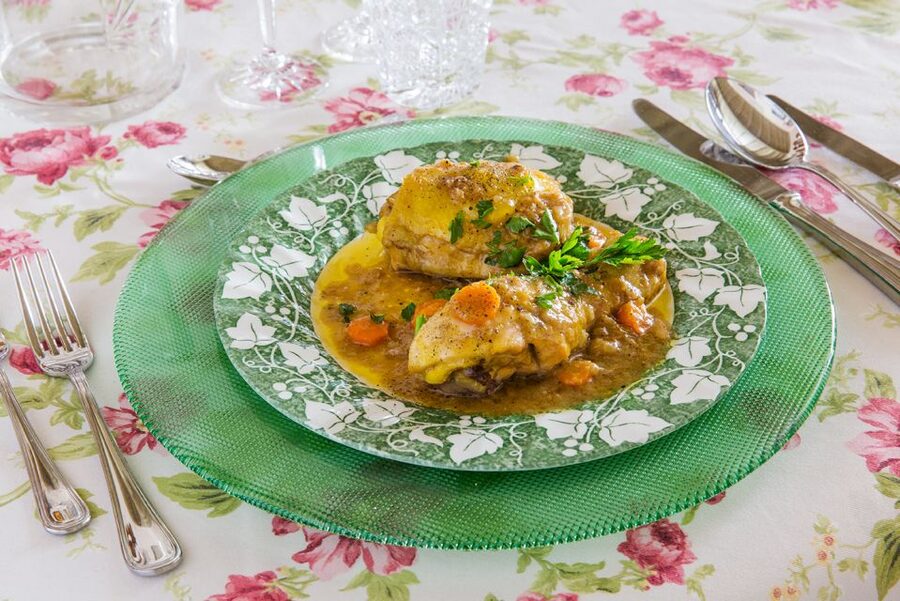
I think you should book it if your trip includes one goal beyond checking off landmarks: you want to understand how Romans feed their people. The combination of a small group, a cooking demo, and the fact that the meal comes from real family recipes makes this feel personal in a way restaurant dinners rarely do.
If your budget is tight, or you want only “food and nothing else,” you might prefer a normal trattoria. But if you like the idea of learning alongside your host, sipping wine, and leaving with a clearer sense of Italian cooking habits, this is a solid choice.
Book it especially if you are traveling with someone you can share the table with and enjoy chatting. The experience is built for that.
FAQ
What exactly is included in the Rome dining experience?
You get a 3-course lunch or dinner, a cooking demonstration, and drinks including water, a selection of regional red and white wines, and coffee.
How long does the experience last?
It lasts about 2.5 hours.
How big is the group?
It is a small group, limited to 8 participants.
When does the dinner usually start?
Dining typically begins at 12:00PM or 7:00PM, but times are flexible if you request in advance.
Who runs the experience?
It is provided by Cesarine, the home cook network in Italy.
What languages will the host use?
Instruction is available in English and Italian.
Is there a cooking demonstration?
Yes. You will enjoy an exclusive show cooking demonstration as part of the experience.
How do I find the meeting point?
The exact meeting point is your host home. After booking, you receive the host’s full address and mobile number by email.
Can the dinner accommodate dietary requirements?
It can cater to different dietary requirements, but you need to confirm directly with the service organizer after booking.
What is the cancellation policy?
Free cancellation is available up to 24 hours in advance for a full refund.
Is there a reserve now and pay later option?
Yes, you can reserve now and pay later. You pay nothing today.
More Dinner Experiences in Rome
More Dining Experiences in Rome


More Tour Reviews in Rome






Not for you? Here's more nearby things to do in Rome we have reviewed











Dinner Experiences, compared.
 ★ 4.9Pasta Making with Wine Tasting and Dinner in FrascatiFrom $35979 reviews
 ★ 4.5Night Tour of Rome with Local Pizza Dinner and Gelato ExperienceFrom $237780 reviews
 ★ 4.8Small Group Trastevere Food Tour with DinnerFrom $132719 reviews
 ★ 4.1Italian Opera Concert and Traditional DinnerFrom $94453 reviews
 ★ 5.0Rome Pantheon: Fine Food & Wine Pairing Dinner with SommelierFrom $145283 reviews
 ★ 4.9Cannondale E-Bike Evening Tour with Optional DinnerFrom $85251 reviews
 ★ 4.0Hard Rock Cafe Rome with Set Lunch or DinnerFrom $34247 reviews
 ★ 5.0Rome in the Evening Cannondale EBike Tour with optional DinnerFrom $87224 reviews
Browse the lists this tour appears in