
Reviewed · COLOSSEUM TOURS
Rome: Colosseum, Roman Forum, and Palatine Hill Experience
Three stops, one Roman power walk. You get priority access to the Colosseum, then a Palatine Hill climb for city-and-Circus Maximus views, all wrapped into a 75 to 80 minute visit. One possible drawback: the audio guide kit, or the audio portion of the guide, can be hit or miss, with reports of units not working or crackling.
I also like that the experience keeps you moving through the places that made Rome run, not just one monument. You’ll start at the upper level of Colosseo metro station near the M metro symbol and the SOS sign by Caffe Roma, look for the Find Rome Tours staff, then end back at the same spot.
Key Things You’ll Notice First
- Priority access helps you beat the ticket line and get onto the grounds faster
- Palatine Hill viewpoints give you a Roman skyline moment without extra travel time
- Roman Forum ruins connect politics, commerce, and everyday public life in one walk
- Digital or printed guidebook supports self-paced exploring during the timed experience
- Not all areas are guaranteed inside the Colosseum, depending on closures and access limits
How Priority Access Works for the Colosseum, Forum, and Palatine
This is a practical “see the big three” ticket: Colosseum first, then Roman Forum, then Palatine Hill. The main value is not the ruins themselves, it’s the way the ticket is structured to save you from Rome’s most stubborn line problems. You’ll see the “priority access” badge in the pitch because that is exactly what it changes at the gate.
The clock matters here. The experience is listed as 75 to 80 minutes, so you should plan to move steadily and make quick photo decisions. If you like to stop for every inscription and every corner detail, you may want to bring your own extra time in the area after the tour window.
Also note a useful distinction: the ticket says skip the ticket line, but it does not include skipping security control. That means you should still expect some checking before you’re inside, even if the line looks shorter.
This setup works best if you want the highlights without turning your day into a slow crawl through crowded queues.
You can also read our reviews of more tours and experiences in Rome.
Finding the Meeting Point at Colosseo Metro (Upper Level by Caffe Roma)
Meet-up location is clear and very specific, and that is a real quality-of-life detail in Rome. You start on the upper level of the Colosseo metro station, right near the M metro symbol and the SOS sign, close to Caffe Roma. Then you look for Find Rome Tours staff.
The end point is the same as the meeting point. So you do not have to stress about transport back to your hotel from a different drop-off location, which can be a headache when you only have a few hours in the city.
One practical tip: arrive a bit early, especially if you’re trying to confirm exactly where you are supposed to stand. Even when directions are good, crowds can make you second-guess yourself. Having the exact landmarks helps a lot here.
If you’re using a phone for navigation, I’d still set your expectation that you’ll physically locate the metro area first, then search for the staff.
Entering the Colosseum: What You Can See in About an Hour
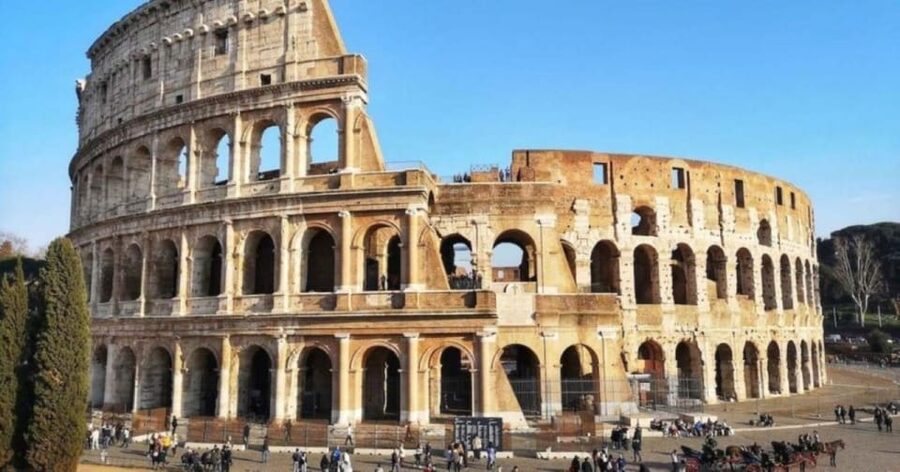
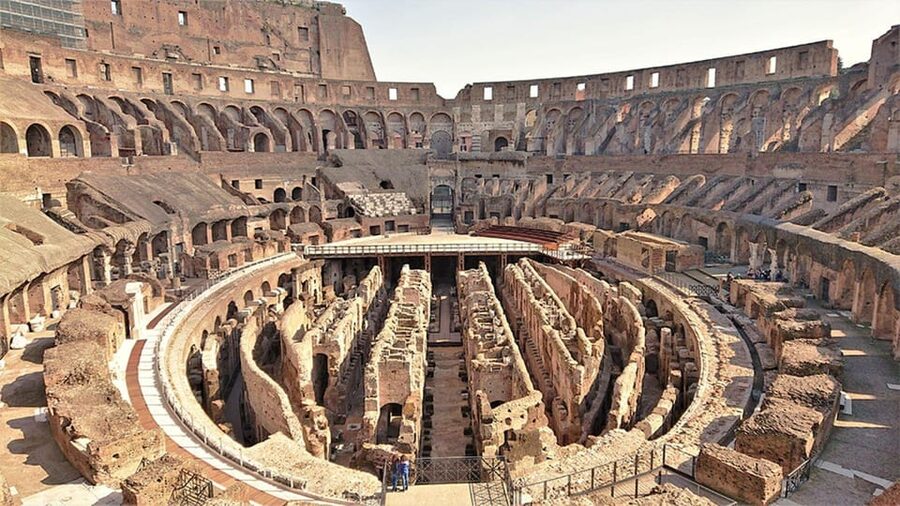
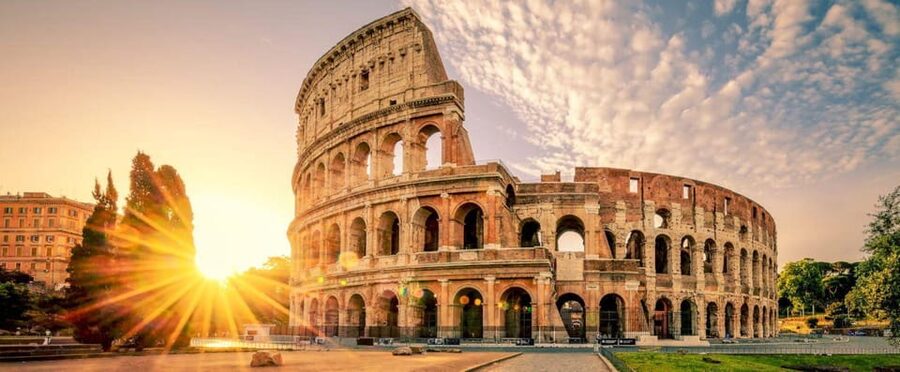
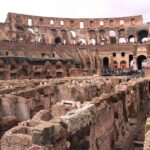
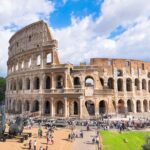
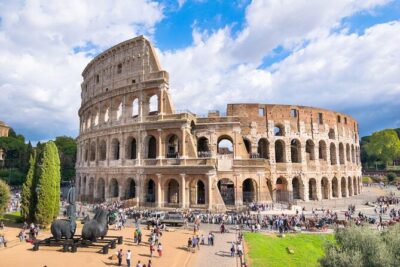
The Colosseum portion is the headline, and it’s easy to see why. Even with crowds, the structure’s scale makes you understand what Roman engineering meant in everyday life. You’ll walk through the areas that are open to ticket holders and get the major views that most people come for.
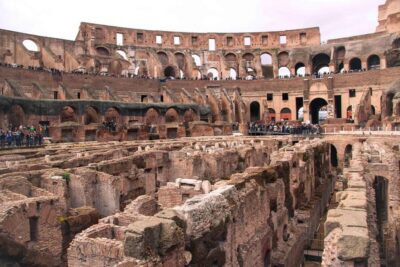
Just remember what the ticket does and does not promise. This experience is built around priority entry and access to the Colosseum, Roman Forum, and Palatine Hill, plus a guidebook. But one comment specifically notes that arena floor access is not necessarily included, so you should not assume you’ll be down where the players once stood unless your exact access level includes it.
Crowds can still be intense. Some visitors describe December as crowded, and others mention the entry being smooth. Either way, priority access is the right move because it reduces your time waiting in the most chaotic parts of the process.
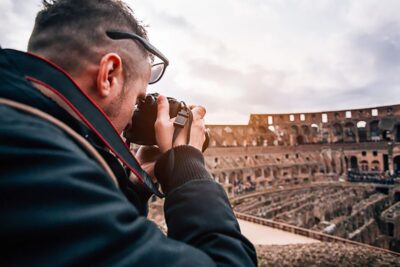
Flash photography is not allowed, so plan on taking photos the normal way, with your camera settings ready. If you’re counting on low-light shots, consider bringing a small travel tripod? The rules here do not mention tripods, but you’ll still want to keep space.
The Colosseum is what you remember, but the surrounding experience is what makes the ticket feel worth paying for.
Roman Forum Footsteps: Temples, Basilicas, and Civic Life
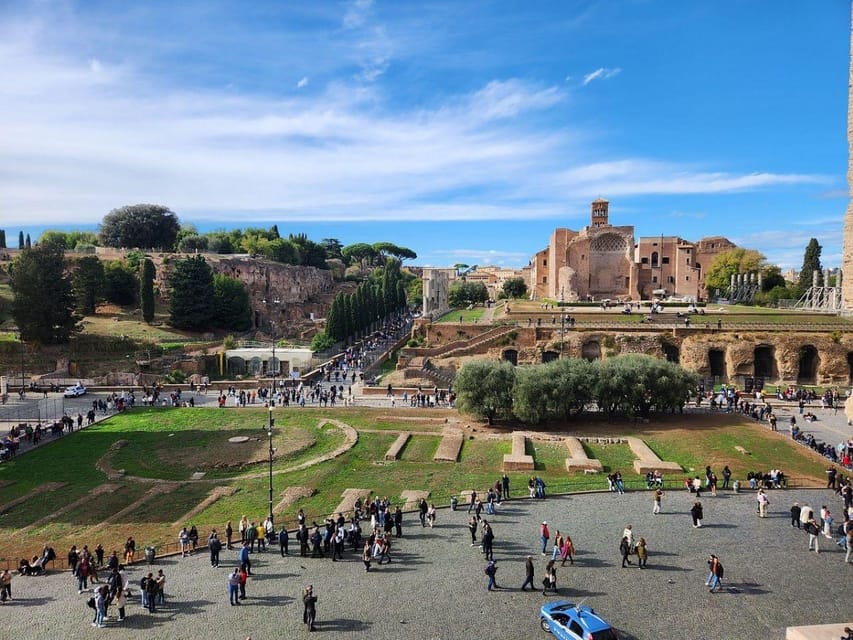
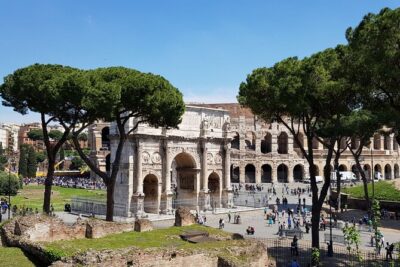
After the Colosseum, you shift from spectacle to government. The Roman Forum was the political and commercial center of ancient Rome, and the walk is about recognizing that the ruins were once busy, not quiet.
You’ll move through temple and basilica ruins that helped shape Roman public life. Instead of treating it like a graveyard of columns, the guidebook framing makes it easier to connect buildings with roles: where people gathered, where officials conducted business, and how power was displayed in stone.
The Forum is also where your time management matters. In 75 to 80 minutes total across three sites, you won’t have time to become a Roman architecture expert. Instead, you want a “best of” strategy: pick a few key viewpoints, read the most important interpretive signs, then keep moving so Palatine Hill does not get rushed.
One practical note: the line situation can change depending on how the day flows. Some entries described the security process as smooth, and others mention rude security staff and poor facilities like toilets. That part is out of anyone’s control, but it’s worth knowing so you come prepared with patience and water.
If you’re the type who wants to understand what you’re looking at, use the guidebook actively during the Forum segment. If you want a simpler experience, you can still enjoy it without reading every plaque, because the layout itself helps you orient fast.
Palatine Hill Climb and Panoramic Views of Circus Maximus
Palatine Hill is the payoff. You climb it for panoramic views, including looking toward Circus Maximus. If you only have one “wow” stop after the Colosseum, Palatine is the one that often feels most like a Rome photo postcard, because you get the city scale in the same frame as ancient ruins.
This hill is also described as the legendary birthplace of Rome, which changes how you interpret what you see. Instead of just seeing elite palaces and gardens, you start asking different questions: Why was this location valued? How did people see themselves as connected to the origin story?
The ticket description promises imperial palaces and lush gardens, and that theme is what helps Palatine feel different from the Forum. Even if access to certain garden areas is limited on a given day, you still get the sense of space and the elevated perspective.
You also want comfortable shoes here. Palatine involves walking and climbing, and the tour is not suitable for people with mobility impairments or wheelchair users. That is not about personal preference, it is about the physical demands of the sites and paths.
If you time it right and keep a steady pace, the Palatine segment is where your Roman puzzle clicks into place.
Digital or Printed Guidebook: Use It Right
You get an electronic guidebook, and it may also be offered as a printed option depending on what you select. This matters because the experience is designed to support self-paced exploring with guided-style context.
In practice, the guide can help you understand what you’re looking at without needing to stop for a live narration every few meters. That flexibility is great if your group moves at different speeds, or if you want to pause for a photo when the light is right.
But here is the caution that shows up in feedback: the audio kit can be unreliable. Some people reported units that did not work at all, and others mentioned crackling audio. If you’re relying on audio, I’d treat it as helpful, not as your only information source. At minimum, download what you can or keep an eye on the printed guide option if that is available.
When audio works, it makes the experience feel organized, and guides also get praise when they point out good picture spots. Names that come up include Sandro, Nefertiti, and Giovanna, with multiple mentions of friendly pacing and taking time so you do not feel rushed.
If you are sensitive to crowds and sound, consider bringing your own music-free focus. Use the guidebook for facts and let the site visuals do the rest.
Price and Value: Why You Pay More Than the Colosseum Ticket
The listed price is $20.50 per person, and the offer is bundled across three major sites with priority access plus a guidebook. It’s helpful that the pricing breakdown is transparent: the adult admission to the Colosseum is €18, and the remaining amount covers the electronic information booklet, plus other services and booking fees.
So what are you actually buying besides entry? You are buying:
- Priority access to reduce your line time
- Roman Forum and Palatine Hill access in the same experience window
- A digital or printed guidebook to make the ruins more meaningful
Is it always the cheapest way? Probably not. But value in Rome is often about time saved and confusion avoided. When you only have a limited window, “priority + context” can beat the effort of piecing together separate tickets and researching your own route.
There is also an argument for people who hate uncertainty. The meeting point is clearly described, and the start and end are the same. That reduces mental load, which is worth money when you are touring all day.
Still, be realistic about site closures. One comment notes that some Colosseum areas were closed. If a portion is closed on the day you go, no ticket bundle can fully fix that. You’ll still get incredible views, but your exact route could vary.
Rules, Comfort, and Timing Tips That Actually Matter
This experience is short, so the best prep is simple and physical.
What to bring:
- Comfortable shoes
- Hat, sunscreen
- Water
- Passport or ID card (a copy is accepted)
What not to bring:
- Luggage or large bags
- Flash photography
- Backpacks
Why these rules matter: you’ll be walking and moving through security and site areas. If you show up with a big bag or something that slows you down, your priority access benefit shrinks fast.
You’ll also want to dress for weather and check the forecast. These sites can be hot and exposed, and a hat plus sunscreen is not just a “nice to have.” It makes the difference between enjoying the views and feeling miserable while waiting for the next shaded break.
Finally, keep an eye on pacing. Some groups mention guides who were great at explaining and kept a good pace, while others mention how timing near the end can feel tight if the group wants to see a few final pieces. In a 75 to 80 minute window, it pays to decide ahead of time what matters most to you, then stick to it.
Who This Colosseum-Forum-Palatine Ticket Fits Best
This is a strong match for you if you:
- Want one ticket that hits the Colosseum, Roman Forum, and Palatine Hill
- Prefer a structured experience with priority access instead of piecing it together yourself
- Like learning through a guidebook while still moving at your own speed
- Are okay with walking at a steady pace for a short visit
It’s not the best fit if you:
- Need wheelchair access or have mobility impairments, since it’s listed as not suitable
- Want arena floor access specifically, because one comment suggests that you might not get that option with this experience
If you’re traveling with teens or adults who like Roman politics as much as architecture, this ticket hits the sweet spot. The Forum segment makes it easier to understand what was happening beyond the stadium roar.
If you only have half a day, this is also one of the least painful ways to cover these three stops without turning into a line-wrangling machine.
Should You Book This Priority Ticket Experience?
Book it if you want the “big three” together and you value saving time at the entrance. The priority access plus guidebook format is built for people who want the highlights without spending the day researching routes. I’d especially recommend it if this is your first trip to Rome and you want a fast, clear overview of what shaped Roman power.
Think twice if audio is essential to how you learn, because the audio kit can be inconsistent. And if you’re expecting full site access like the most restricted zones, keep expectations flexible, since closures and access limits can happen.
My quick decision rule: if you’re short on time and you want less friction, this ticket style is a solid choice.
FAQ
Where do I meet for this experience?
You meet on the upper level of the Colosseo metro station, near the M metro symbol and the SOS sign close to Caffe Roma. Look for the Find Rome Tours staff. The activity ends back at the same meeting point.
How long does the experience last?
The duration is listed as 75 to 80 minutes. Starting times vary, so you should check availability for the specific time you want.
What is included with the ticket?
It includes priority access to the Colosseum plus access to the Roman Forum and Palatine Hill. You also get an electronic or printed guidebook.
Is security control skipped?
No. The ticket includes priority entry and skipping the ticket line, but it does not skip the security control.
What should I bring, and what items are not allowed?
Bring comfortable shoes, a hat, sunscreen, water, and a passport or ID card (a copy is accepted). Flash photography is not allowed, and luggage or large bags and backpacks are not allowed.
Is this experience suitable for wheelchair users?
No. It is listed as not suitable for people with mobility impairments and not suitable for wheelchair users.
How much does it cost, and what does that price cover?
The price is $20.50 per person. The admission to the Colosseum is €18 for adults, and the remaining amount covers the electronic information booklet, plus other services and booking fees.
More Tour Reviews in Rome
Not for you? Here's more nearby things to do in Rome we have reviewed






Colosseum Tours, compared.
 ★ 4.8Colosseum, Palatine Hill and Roman Forum Guided TourFrom $5232,814 reviews
 ★ 4.7Guided Tour of Colosseum, Roman Forum & Palatine HillFrom $5527,897 reviews
 ★ 4.2Colosseum & Forum with Audio Guide App -Optional ArenaFrom $4124,770 reviews
 ★ 4.5Colosseum, Roman Forum and Palatine Hill Guided TourFrom $5923,903 reviews
 ★ 4.4Colosseum, Forum & Palatine Hill Tour & Optional ArenaFrom $5813,839 reviews
 ★ 4.6Colosseum, Palatine Hill & Roman Forum Guided TourFrom $5112,703 reviews
 ★ 4.7Colosseum: Underground and Ancient Rome TourFrom $16012,691 reviews
 ★ 4.6Colosseum Arena, Palatine Hill & Forum Guided TourFrom $7310,584 reviews
Browse the lists this tour appears in