
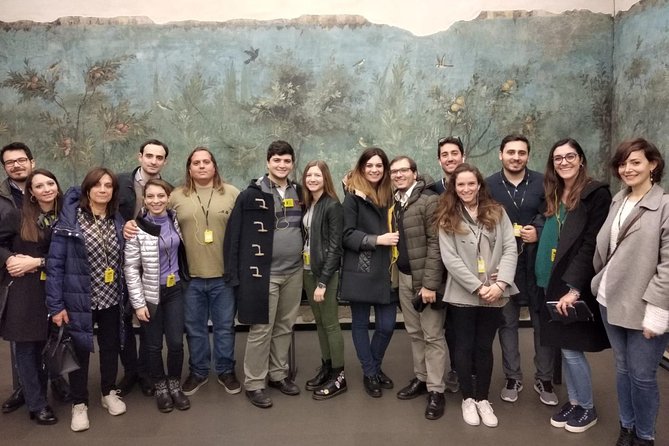
Reviewed · MUSEUMS
Private Tour – National Museum of Palazzo Massimo
A two-hour museum lesson in how Romans lived. This private tour at the National Museum of Palazzo Massimo turns ancient Rome into something you can actually picture, with focus on calendars, ancestor worship, and the way houses were decorated. The experience also includes admission tickets, so you start learning right away.
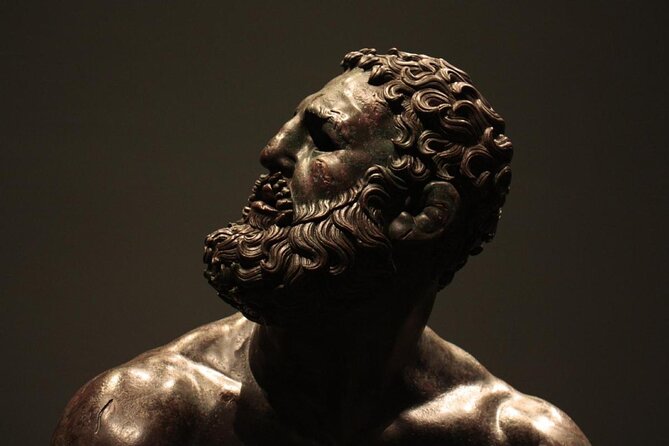
What I like most is the way the guide connects ideas you might read about, like Roman calendars and how they honored heroes, to real objects and spaces. You also get to see standout art highlights such as the Boxer at Rest sculpture and frescoes from the Villa Livia, which makes the learning feel hands-on, not just lecture mode.
One consideration: there is a small risk of a guide no-show, which one recent review flagged. It is rare, but if you are the type who hates surprises, build in a little extra time at the meeting point and have a backup plan if anything seems off.
Key things to know before you go
- Private tour, English speaking: only your group, with a professional guide and a local guide.
- Tickets are included: you pay once, then focus on the museum.
- 2 hours is the sweet spot: enough time to connect themes like religion and art without feeling rushed.
- Roman “how-to” topics: calendars, ancestor worship, and artistic practices, explained in a practical way.
- Great for art + ideas: the Boxer at Rest and Villa Livia frescoes anchor the talk.
- Book early: it is commonly booked around 90 days in advance.
Why Palazzo Massimo fits a private tour so well
I love museums where the guide helps you make mental pictures. Palazzo Massimo does that, because you are not just looking at statues. You are learning about daily life and beliefs, then you see examples right in front of you. This private format matters because you can ask small questions on the spot, like how Roman calendars shaped routines, or why ancestor worship shows up in the way people decorated and organized their world.
At 2 hours, the pace is also realistic. You get time to follow the big ideas, but it is not a half-day commitment that drags your energy. This is especially helpful in Rome, where you will already be walking, climbing, and eating your way across neighborhoods.
The other practical win is the admission ticket included in the price. When tickets are bundled, you avoid the extra step of figuring out lines and entry times on your own. It is one less thing to manage, and it keeps the experience focused on the guide-led learning.
You can also read our reviews of more private tours in Rome

Meeting at Palazzo Massimo: timing, bags, and getting oriented
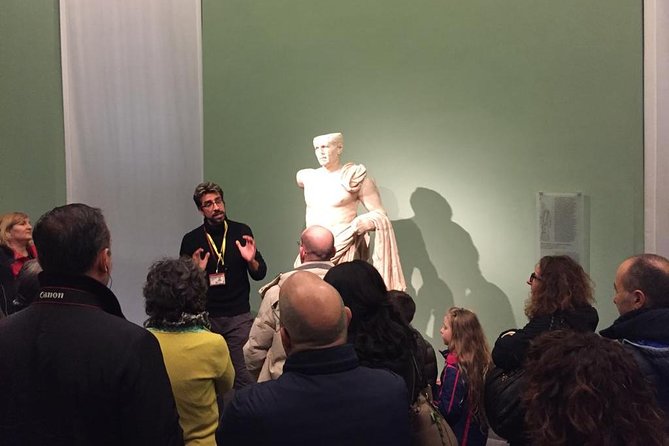
The tour starts at 2:30 pm at Palazzo Massimo alle Terme, Largo di Villa Peretti 2, 00185 Roma RM. You return to the same meeting point at the end. That back-to-start setup is handy because you do not have to figure out a new endpoint or coordinate with transit later.
You will also need to leave bags and backpacks in the checkroom. It is mandatory, so plan to bring only what you need for the visit. If you normally travel with a bigger day bag, consider doing a “museum kit” approach: water, a light layer, camera, and the essentials in a smaller bag.
One more logistics plus: it is near public transportation. So even if you do not build a strict route around the museum, you can still get there without stress. Aim to arrive a bit early. In a private tour, punctuality is part of the deal, and it makes the whole thing smoother.
The museum story you will actually remember: calendars, heroes, and daily life
The heart of this tour is turning ancient Rome from a name you recognize into a place with systems. You start at Museo Nazionale Romano Palazzo Massimo, where the focus is on Roman habits, traditions, and institutions. Instead of treating the artifacts like isolated showpieces, the guide frames them as evidence of how people organized time, celebrated people, and expressed identity.
One theme I think you will appreciate is ancient Roman calendars. Calendars sound boring until someone explains what they controlled. Once you understand how time was tracked, you start noticing how the culture organized public life and private routines. The guide’s goal here is to make the calendar feel like a living tool, not a random historical fact.
Another connection you will make is portrait culture and how Romans presented heroes. It is the kind of detail that changes the way you look at images. If you understand what Romans valued in their portrayals, you will read expressions and styles differently while you walk.
And yes, it is also about houses and decoration. You will learn how Romans decorated their homes and how that connected to taste, status, and beliefs. The payoff is that you leave with a clearer mental model of Roman life, not just names of objects.
Ancestor worship and Roman religious thinking, explained without the fog
Ancient Rome can feel abstract, because the topic is big and the beliefs are layered. What makes this tour useful is the attention to ancestor worship and the religious aspect of ancient Romans. The guide helps you understand why honoring the dead mattered, and how those practices shaped everyday thinking.
This is not only about temples or official rites. You also connect belief to objects and spaces. That matters because it changes what you think you are looking at. A wall painting, a figure, or even the way a household might be organized can start to make sense as part of a broader worldview.
If you are the type who likes your history grounded in human motives, you will likely enjoy this segment. It focuses on how people venerated deceased relatives and how religion worked alongside art and domestic life. You finish with a stronger sense of what belief meant to ordinary Romans, not just elites or mythic figures.
Art highlights that give the tour something to grab onto
The tour is theme-driven, but it has clear visual anchors. Two of the standouts are the Boxer at Rest sculpture and frescoes from the Villa Livia. These are the moments that help you keep your bearings as the guide moves between religion, daily life, and artistic practice.
The Boxer at Rest is memorable because it is not just a generic statue. It gives you something physical to look at, a posture and a mood you can recognize. When a guide ties that kind of sculpture to how Romans valued athletic ideals, heroic imagery, or representation, you stop seeing it as decoration and start seeing it as communication.
Then you hit the frescoes from Villa Livia. Frescoes are perfect for a guided tour because you can actually observe details while someone explains what those artistic practices meant. They are also a great way to understand taste and visual culture in a way that feels immediate. Instead of “ancient painting existed,” you get “this is how decoration worked in a Roman home and why it mattered.”
If you usually struggle to stay engaged in museum tours, this mix helps. You get visual stops that keep the story grounded.
You can also read our reviews of more museum experiences in Rome

How the 150.18 per person price makes sense in Rome
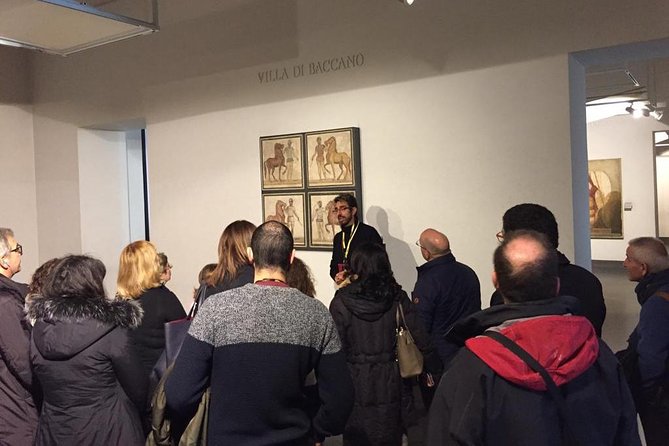
At $150.18 per person for about 2 hours, it is not the cheapest way to see a museum. But it is also not trying to be. This is a private guided experience with both a professional guide and a local guide, plus museum tickets included. In practice, that can add value in three ways.
First, the tickets included part reduces friction. You are not paying extra at the door or spending time sorting out entry details.
Second, the private format helps you get more out of the time. With a smaller group, the guide can shape the pace around your questions and the flow of the rooms. In a museum where you might otherwise wander and miss the connections, that focused attention is the point.
Third, group discounts are listed as part of the setup. If you travel with friends or family, the per-person cost can feel more reasonable than it looks at first glance. Private does not automatically mean overpriced, especially when tickets and guided interpretation are bundled.
Still, be honest with your priorities. If you only want casual browsing and you are fine reading labels on your own, a guided private tour may feel like too much. If you want a guided explanation of Roman calendars, worship practices, and art, then the price can feel fair because you are buying interpretation, not just access.
What this tour is like in real time: pace and learning style
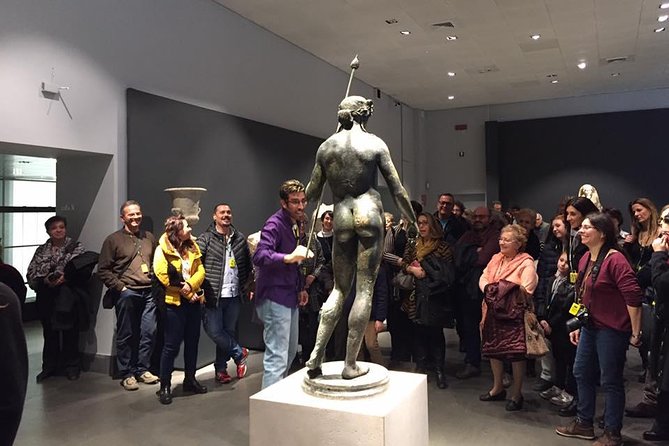
This is a museum visit, so you should expect walking indoors, looking closely, then listening. The learning style is organized around big ideas: institutions, daily life habits, religious meaning, and artistic practices. You will not be stuck listening the entire time. The guide points you toward specific visual elements, then explains what they mean.
Because it is a private tour, the guide can also respond if you show interest in one theme more than another. Maybe you are curious about how calendars shaped Roman routines, or maybe you care more about why ancestor worship showed up in the broader cultural mindset. Either way, the goal is to connect art and life so the collection feels like a system, not a random assortment.
The duration is also a reality check. Two hours in a major museum is enough time to cover the highlights and themes without exhausting you. You will likely finish feeling oriented rather than overwhelmed.
Who should book this private Palazzo Massimo tour
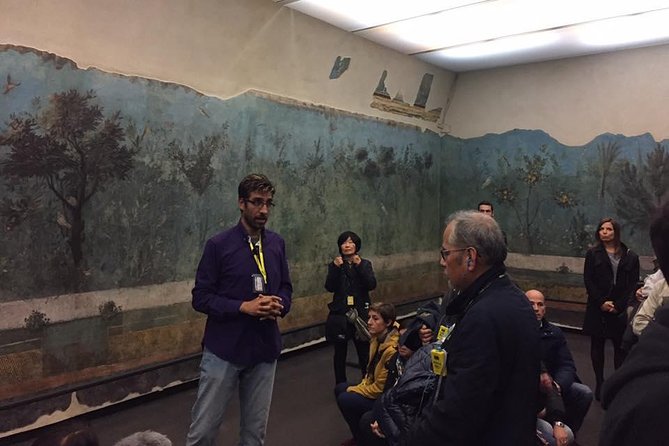
This tour is a strong fit if you want:
- A guided focus on meaning, not just object facts.
- Rome history with clear themes, like religion, calendars, and domestic art.
- A private group experience where you can move at a comfortable pace.
- A museum visit that is short enough to pair with the rest of your Rome day.
It is also a good choice if you like art but want the context that makes art easier to understand. Seeing the Boxer at Rest and Villa Livia frescoes with explanation is more satisfying than seeing them alone, especially if you are not a hardcore art historian.
Most travelers can participate, and it is offered in English, so language should not be a problem. And because it is near public transportation, you can add it to your day without needing a car.
Things to watch out for before you choose
There are two main “make it work” considerations.
First, the bag rule is real: you must leave bags and backpacks in the checkroom. If you have a lot of gear, it can slow you down. Plan to travel light for the museum segment.
Second, while the experience has strong stats (a 4.9 rating with 98% recommended), one review raised the issue of a guide no-show. That is the only downside mentioned in the feedback you provided, and it is worth respecting. If you are nervous about timing, arrive early, double-check the meeting point address, and make sure you have the confirmation details handy.
If you do those two things, you remove most of the friction.
Should you book this tour or skip it?
I would book it if you want a private, English guided introduction to Palazzo Massimo that connects Roman calendars, ancestor worship, and artistic practice to specific works like the Boxer at Rest and the Villa Livia frescoes. The tickets included feature also makes it feel less like a “planning tax.”
I would skip it if you prefer to wander slowly without guidance, or if $150.18 per person feels steep compared to what you plan to get from the museum. In that case, you might be happier building your own visit and reading at your pace.
If you do book, one smart move is timing your visit so you are not rushed. The tour starts at 2:30 pm, so pair it with an earlier meal and leave enough buffer to check in smoothly. Book early too, since this one is often reserved about 90 days in advance.
FAQ
Is this tour private?
Yes. It is a private tour, and only your group will participate.
How long is the tour?
The tour lasts about 2 hours.
What time does it start?
It starts at 2:30 pm.
Where do we meet for the tour?
The meeting point is Palazzo Massimo alle Terme, Largo di Villa Peretti, 2, 00185 Roma RM, Italy.
Does the price include museum admission?
Yes. The price includes the admission ticket.
Is the tour offered in English?
Yes, it is offered in English.
Do I need to leave bags or backpacks anywhere?
Yes. It is mandatory to leave bags and backpacks in the checkroom.
Is hotel pickup included?
No. Private transportation and hotel pickup or drop-off are not included.
Can I cancel and get a full refund?
Yes, you can cancel for free. You must cancel at least 24 hours in advance of the experience start time for a full refund.
More Private Tours in Rome
More Tours in Rome
More Tour Reviews in Rome
Not for you? Here's more nearby things to do in Rome we have reviewed





Museums, compared.
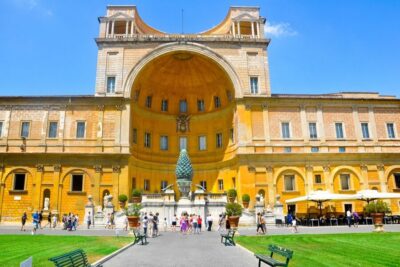 ★ 4.5Vatican: Museums & Sistine Chapel Entrance TicketFrom $38144,003 reviews
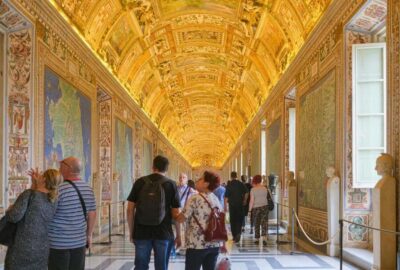 ★ 4.3Vatican Museums & Sistine Chapel Tour with Optional BasilicaFrom $7967,413 reviews
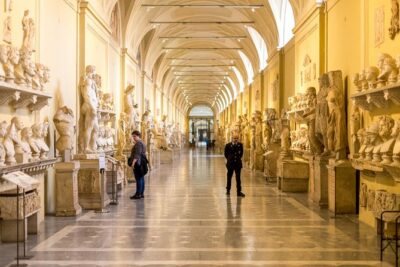 ★ 4.5Vatican Museums, Sistine Chapel & St Peter’s Basilica Guided TourFrom $2239,149 reviews
 ★ 4.3Vatican Museums, Sistine Chapel & Basilica TourFrom $13013,872 reviews
 ★ 4.4Vatican Museums & Sistine Chapel Skip-the-Line Entry TicketFrom $4313,838 reviews
★ 4.7Vatican Museums, Sistine Chapel & Basilica TourFrom $7213,217 reviews
Vatican Museums & Sistine Chapel Guided TourFrom $11812,117 reviews
★ 4.4Vatican Museums & Sistine Chapel Skip-the-Line Entry TicketFrom $4313,838 reviews
★ 4.7Vatican Museums, Sistine Chapel & Basilica TourFrom $7213,217 reviews
Vatican Museums & Sistine Chapel Guided TourFrom $11812,117 reviews
 ★ 4.2Vatican Museums & Sistine Chapel Skip-The-Line TicketFrom $4111,708 reviews