
Reviewed · MUSEUMS
Private Tour – National Etruscan Museum
Etruscans feel human when a guide animates them. This private 2-hour tour at the Museo Nazionale Etrusco di Villa Giulia (Rome’s National Etruscan Museum) is built for real conversation, not just fast viewing.
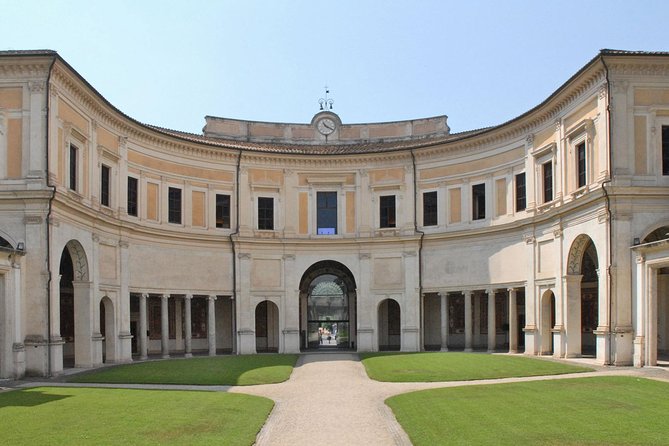
I especially like that your guide can slow down for your questions, so the story of Etruscan life lands, not just the labels. I also love that the museum sits inside Villa Giulia, a place with its own history, designed by Vignola and developed with help from Ammannati and Vasari.
One consideration: this is a single museum stop, so if you want multiple sites in a bigger itinerary, you’ll need a different tour. Also, it starts at the museum entrance, with no hotel pickup, so you should plan your arrival timing.
Key highlights that make this private museum tour worth it
- Unlimited question time that helps you understand Etruscan symbols, rituals, and daily life
- Villa Giulia setting in a Renaissance villa, not a generic museum box
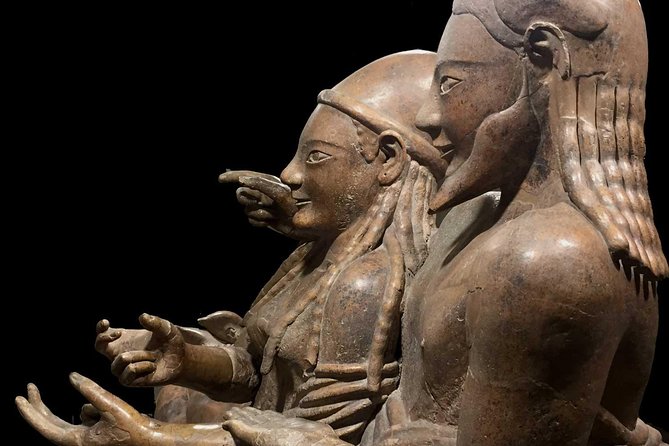
- Standout artifacts like the Sarcophagus of the Spouses and Apollo from Veio
- Flexible scheduling with morning or afternoon tour times
- English-only guide that keeps the conversation flowing
- Private group meaning you are not competing with other voices
Villa Giulia is the setting, and it matters
The Museo Nazionale Etrusco di Villa Giulia is one of the best places in Rome to get oriented on Etruscan civilization, and the building helps you do it. You are visiting the villa known as Villa Giulia, the suburban residence of Pope Julius III, with architectural work linked to Vignola, plus contributions from Ammannati and Vasari.
When you walk through a museum like this, you start understanding why the collection feels coherent. In fact, the museum took its shape as a home for pre-Roman antiquities of Latium in 1889, and later added more wings between 1912 and 1923. That growth shows up in how the galleries connect, letting your guide connect objects to themes instead of treating everything as random treasures.
If you like museums where the building supports the story, you’ll appreciate this. And if you just want the highlights, the private format lets your guide steer you without making you feel rushed.
You can also read our reviews of more private tours in Rome


What you are really paying for: a focused private guide
At $138.18 per person for about 2 hours, this isn’t a cheap add-on. The value comes from what is included and how the tour is structured.
You get admission tickets included, plus a professional guide and a local guide, and it is explicitly private, meaning only your group participates. You also get “choice of morning or afternoon,” which is handy if you are juggling timed tickets elsewhere in Rome.
In plain terms, you are paying for:
- better pacing than a typical group tour
- more time to ask questions
- a guide who can adapt to your interests, whether you care about art, funerary customs, or inscriptions
Also, reviews have been strongly positive about the guide experience. One guide named Vincenzo comes up in feedback as lively and insightful, with a knack for making the Etruscans feel like people, not distant artifacts. That is exactly what you want from a private museum guide, because Etruscan culture can look confusing until someone explains the “why.”
Your 2-hour itinerary: one great stop done properly
This experience has one main stop, the National Etruscan Museum at Villa Giulia. You meet at Piazzale di Villa Giulia 9, 00196 Roma RM, right at the museum, and the tour ends back at the meeting point.
Because there is only one destination, the schedule usually feels less stressful. You will spend your time in the galleries that matter most, with guided context and time to ask follow-up questions. That focus can be a win if you are tired of hopping around town.
What the tour likely feels like in practice:
- You enter with a guide who frames what you will see
- You move through key rooms in a logical flow
- You pause for the objects that benefit most from explanation
- You ask questions as you go, instead of saving them for the end
Inside the National Etruscan Museum at Villa Giulia
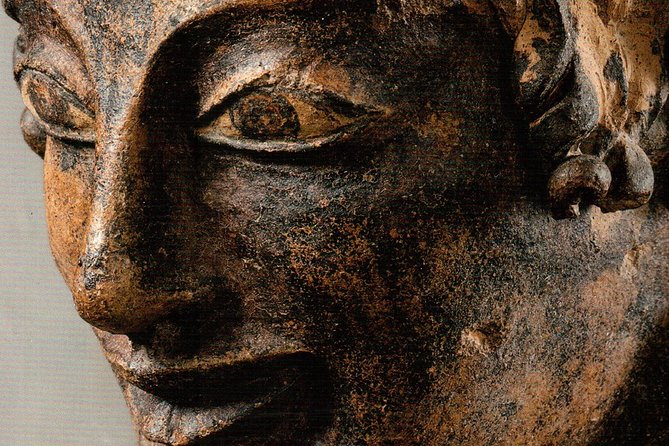
The museum’s structure is built around Etruscan culture, and your guide should help you read it. One reason this place works so well is that it includes dedicated sections for Etruscan epigraphy and for the history of the museum itself, plus context on the Valle Giulia architectural complex. Translation: you get more than pretty objects. You get cultural meaning.
Here are the kinds of themes you can expect to hear about as you tour:
- how Etruscans expressed identity through art and objects
- how funerary practices shaped what ends up in museums
- how inscriptions and visual storytelling connect
- how the villa and its later museum additions affect how collections are presented
This matters because Etruscan civilization often gets summarized in a sentence or two back home. On-site, a good guide helps you see patterns. Private time makes that pattern recognition much easier.
Standout artifacts I would prioritize during your guided visit
Even though your tour runs about 2 hours, the museum is full of major works. A good private guide will steer you toward the pieces that explain the culture best. These are some of the highlights the museum is known for, and they are the kinds of works you should actively look for during your visit:
You can also read our reviews of more museum experiences in Rome




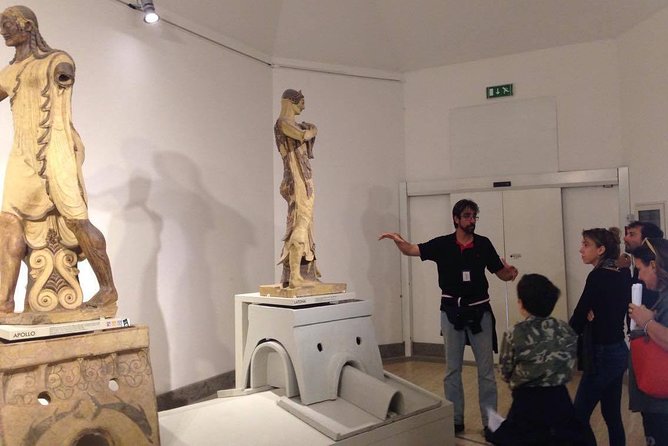
Apollo from Veio (6th century BC)
This is a signature work for understanding Etruscan sculpture and influence in the wider Mediterranean world. Your guide can help you notice how style and function overlap, and what it signals about artistic ambition in the Etruscan context.
Sarcophagus of the Spouses (6th century BC)
This one is famous, and the effect is not subtle. In feedback about the tour, the reclining couple is specifically mentioned as transporting, with a tomb-like scene that feels unusually alive. If you care about how Etruscans pictured relationships and honor, this is your “stop and look longer” object.
Pyrgi high reliefs and the golden thin sheets (5th century BC)
This is a fascinating mix: carved relief plus the thin golden sheets connected to ancient expression. If you like symbolic detail, this combination is where your guide’s ability to explain context pays off. It is not just decorative. It is information in material form.
Apollo dello Scasato (4th century BC)
As time moves forward, you can often see shifts in style and cultural conversation. A guide can help you compare this to earlier representations of Apollo and explain why those changes matter.
Centaur from Vulci (6th century BC)
My advice here: look at how the creature is portrayed, but also ask what it might represent. Etruscan art uses myth-like imagery to say something about power, imagination, or identity. Your question time is perfect for this kind of discussion.
Cista Ficoroni from Palestrina (4th century BC)
A “cista” is a container type, and objects like this tend to combine function with symbolism. This is a great place to ask how everyday or ceremonial items carried meaning, not just how they looked.
Tip: in a private format, you can ask your guide to point out what to notice first. For example, ask what visual feature to focus on, then ask how it connects to Etruscan beliefs. That simple strategy makes a museum visit feel like learning, not scanning.
The guide experience: why Vincenzo-style energy matters
A museum tour can go two ways. Either you hear facts and move on, or you understand the culture behind the facts.
The strongest praise for this experience centers on the guide’s ability to bring Etruscan civilization to life. Vincenzo is highlighted as especially insightful and lively, and more than once feedback says he went above and beyond to explain everything clearly. That kind of energy matters because Etruscan civilization can feel distant, even if you are a history buff.
With a private tour, that advantage multiplies. You are not listening to a one-size-fits-all script for other people. Instead, you can steer the conversation toward what you care about most:
- funerary customs and what the artwork suggests
- what inscriptions might be telling you
- how to read myth imagery and symbolism
- how the museum presentation connects to the objects
If you are the type who likes asking questions as you go, this is a very good match. If you prefer quiet and independent browsing, you might want to budget extra time on your own after the guided portion.
Timing: morning or afternoon, and why it affects the vibe
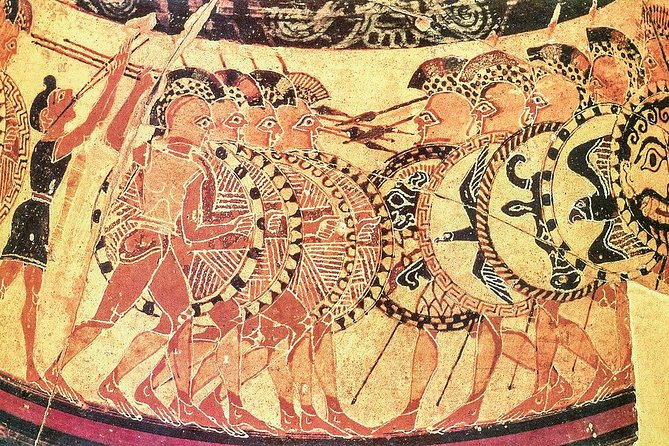
You can choose either morning or afternoon tour time. That matters because museums can feel different depending on light, crowds, and your own energy level.
Morning tends to feel calmer, which can make it easier to concentrate on fine details like inscriptions or small reliefs. Afternoon can work nicely if you plan a Rome day around a slower start, especially if you already have other stops earlier.
Either way, since this tour is about 2 hours in one location, the key is to time it so you are not rushing from another reservation. Give yourself a little buffer to get to Piazzale di Villa Giulia 9 and settle in.
Price and logistics: how to keep it simple
Here’s the practical side.
Included
- Tickets
- Local guide
- Professional guide
- Private tour
Not included
- Hotel pickup and drop-off
- Private transportation
So you will be responsible for getting yourself to the meeting point. The good news is that it is near public transportation, which helps if you want an easy route without complicated planning.
Because there is no pickup, I suggest you treat this like a “show up, learn, and enjoy” museum outing. Plan your transit to arrive a few minutes early. Then let the guide do the work of translating objects into meaning.
On price: $138.18 per person is easier to justify if you value a private guide and want deeper context. If you are only looking for quick highlights and you already know a lot about Etruscans, a less expensive group option could feel more efficient. But if you want the culture to make sense, this private format is the kind of spending that can pay off in real understanding.
Who should book this private Villa Giulia tour
Book it if:
- you want a guided explanation of major Etruscan masterpieces
- you like asking questions and getting direct answers
- you prefer a focused 1-stop plan over a big itinerary
- you want English guidance with time to talk
Consider something else if:
- you want to cover multiple Rome attractions in one afternoon
- you are fine with reading museum labels without much interpretation
- you have a tight schedule and every minute is counted, since you still need transit to reach the meeting point
Should you book the Private Tour of the National Etruscan Museum?
I think it is a smart choice if your goal is to understand Etruscan civilization in a way that sticks. The museum is strong on important works like Apollo from Veio, the Sarcophagus of the Spouses, Pyrgi gold and reliefs, and the Centaur from Vulci. The private structure makes those pieces more meaningful because you are not stuck in a rush.
Also, the guide reputation is a big part of the decision. When a guide like Vincenzo is praised for being lively and for bringing Etruscans to life, that is exactly what you want from a private tour. You are not paying only for access. You are paying for explanation that turns art into story.
My final advice: if you are already planning time around Villa Giulia and you want to get serious value from your visit, book this private slot. If you just want a casual wander, you can always visit on your own. But if you want the culture to click, this is the more satisfying way to do it.
FAQ
How long is the private tour?
It runs for about 2 hours.
Is this tour private?
Yes. It is a private tour/activity, and only your group will participate.
What language is the tour offered in?
The tour is offered in English.
What is included in the price?
The price includes tickets, a local guide, a private tour, and a professional guide.
Where does the tour start, and is hotel pickup included?
The meeting point is the National Etruscan Museum of Villa Giulia at Piazzale di Villa Giulia 9, 00196 Roma RM. Hotel pickup and drop-off is not included.
What is the cancellation policy?
You can cancel for a full refund up to 24 hours in advance of the experience start time.
More Private Tours in Rome

More Tours in Rome



More Tour Reviews in Rome

Not for you? Here's more nearby things to do in Rome we have reviewed












Museums, compared.
 ★ 4.5Vatican: Museums & Sistine Chapel Entrance TicketFrom $38144,003 reviews
 ★ 4.3Vatican Museums & Sistine Chapel Tour with Optional BasilicaFrom $7967,413 reviews
 ★ 4.5Vatican Museums, Sistine Chapel & St Peter’s Basilica Guided TourFrom $2239,149 reviews
 ★ 4.3Vatican Museums, Sistine Chapel & Basilica TourFrom $13013,872 reviews
 ★ 4.4Vatican Museums & Sistine Chapel Skip-the-Line Entry TicketFrom $4313,838 reviews
★ 4.7Vatican Museums, Sistine Chapel & Basilica TourFrom $7213,217 reviews
Vatican Museums & Sistine Chapel Guided TourFrom $11812,117 reviews
 ★ 4.2Vatican Museums & Sistine Chapel Skip-The-Line TicketFrom $4111,708 reviews