
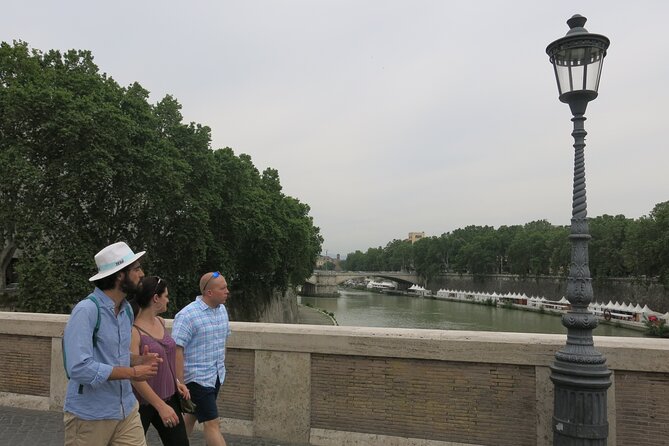
Reviewed · WALKING TOURS
Private Jewish Ghetto Walk and The Influence in Roman Cuisine
Follow Jewish food and Roman streets. This 2-hour private walk connects Rome’s Jewish Ghetto sites to how flavors traveled and became part of Roman cuisine. I like the private guide-led feel and the fact that the tastings are meant to satisfy without you booking a separate meal. I also love the simple logistics, since it starts near public transport at Campo de’ Fiori.
One thing to consider: the meeting point around Campo de’ Fiori can be a little tricky to spot if you are not looking for the right landmark, like a nearby bookstore. I’d arrive early and keep your eyes up for a clear meeting signal.
Key Highlights Worth Your Time
- Private group means only your group joins, so you can ask questions and set the pace.
- Synagogue access with an admission ticket included, not just an outside photo stop.
- Market walking plus Tiber River stories, including how river barriers changed the area plan.
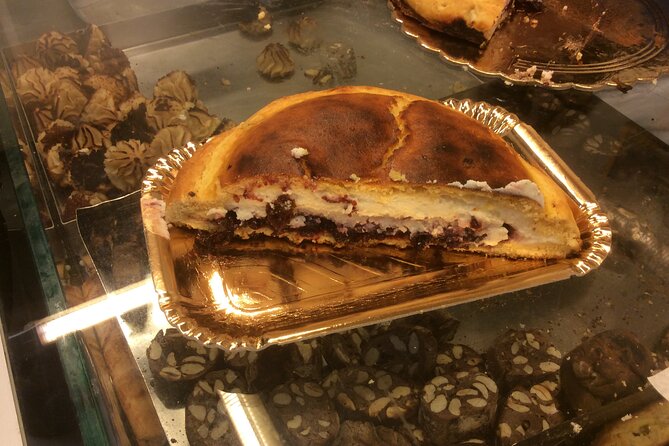
- Roman Jewish tasting lineup like Pizza Rossa, ricotta pie, Jewish-Roma artichokes, and supplì.
- English-guided format, with steady pacing that works even on a crowded day.
Why This Jewish Ghetto Walk Feels Like a Story You Can Eat
Rome can feel like it is all monuments and big-ticket museums. This experience gives you the smaller scale view, the kind that helps you understand neighborhoods, daily life, and why certain foods show up again and again.
You get a focused route through the Jewish quarter, plus a food thread that ties the sights together. The payoff is that you leave with both context and calories, and you do not need to plan a separate dinner right after.
The private setup is a real plus. You are not herded with strangers, and the guide can explain details at the speed that works for you.
You can also read our reviews of more walking tours in Rome

Meeting at Campo de’ Fiori, Then Into Real Streets
The tour starts at P.za Campo de’ Fiori, 00186 Roma RM. That is a good choice because it is a well-known area, and you should find it relatively easy to reach using public transportation.
You will be walking from there to the Jewish quarter sights. In a city like Rome, that matters, because you want your time to go into exploring, not spending it guessing directions.
Practical tip: wear shoes you feel good standing and walking in. Even with a short overall duration, you will be on uneven sidewalks and moving through tighter streets near the market areas.
Jewish Community of Rome: Synagogue Stop and Market Atmosphere
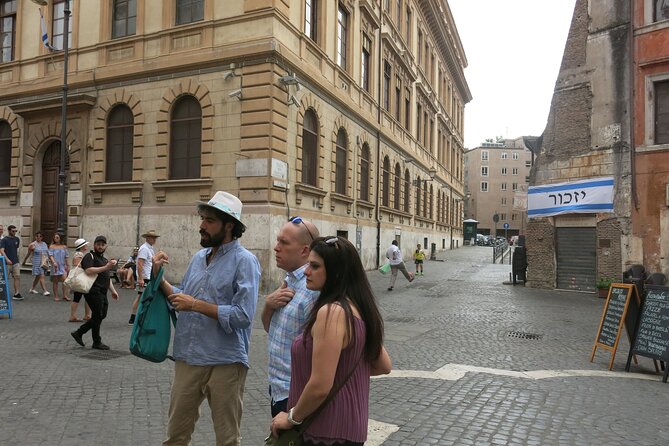
The first big anchor is the Jewish Community of Rome area. You start by wandering around the local market, which is where the neighborhood vibe becomes real fast. Looking around is not just for show, it sets up the food stops later so the tasting feels connected, not random.
Next comes the synagogue visit, described as a magnificent Sinagoga. Since admission is included, you get inside the experience instead of just passing by.
This stop is also where the tour’s theme becomes clear. It is not only about architecture. It is about how a community lived, adapted, and maintained identity in a city that was always changing around it.
What I like about this structure is that you get context early. By the time you reach the food, you are hearing how Roman life and Jewish traditions influenced each other, and you can taste that relationship in a direct, memorable way.
Blonde Tiber River Stories and the Neighborhood Plan
As you walk along the Blonde Tiber River, you get a specific kind of history, the kind that explains why places look the way they do. The tour includes stories about how the master plan changed after building river barriers.
That detail matters more than you might think. River control shaped development along the water, and in many European cities the river is where trade, movement, and risk all meet. When you connect that to food culture, it becomes easier to see why certain ingredients and dishes spread.
You also get a change of scenery as you move from market energy to slower, story-driven streets. If you like your history practical, this part fits well.
Portico d’Ottavia and S.Angelo in Pescheria: A Walk Through Layers
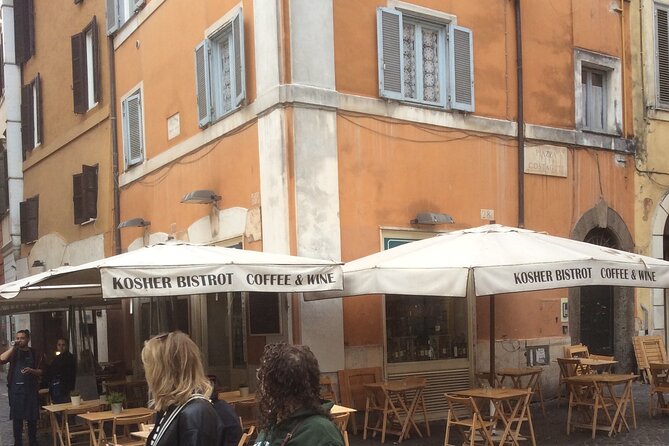
The route continues past Portico d’Ottavia and toward S.Angelo in Pescheria. These are the kind of stops that make you realize Rome is not one era, it is layers stacked on layers.
In this tour format, those architectural pauses work because they are not treated like a checklist. You get anecdotes tied to how the area functioned and how the neighborhood evolved.
A possible drawback here is that if you mainly want long museum-style explanations, you might wish for more time at each site. But the tradeoff is you get more variety in a short 2-hour window, and you still get several food moments.
You can also read our reviews of more private tours in Rome


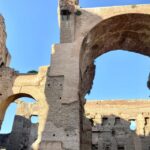


Piazza Mattei: Bankers, Anecdotes, and Why Wealth Matters
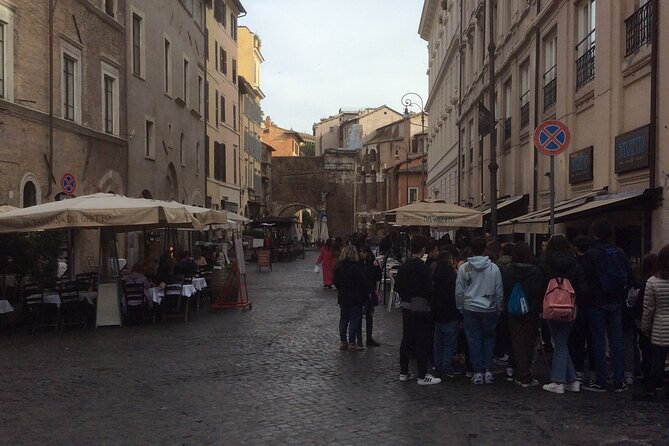
One of the stops is Piazza Mattei, and you get anecdotes about this area’s wealthy bankers. Even if you are not into finance, this kind of story helps you understand how power affected the urban map.
This is also where you start noticing how the neighborhood’s reputation and resources shaped daily life. That connection is often missing in standard sightseeing tours, which can treat the ghetto as a static destination instead of a lived-in part of Rome.
If you like tours that explain why things are where they are, Piazza Mattei delivers. It also gives you a break in rhythm, a moment to catch your breath before the tastings.
Pizza Rossa From a Century-Old Bakery
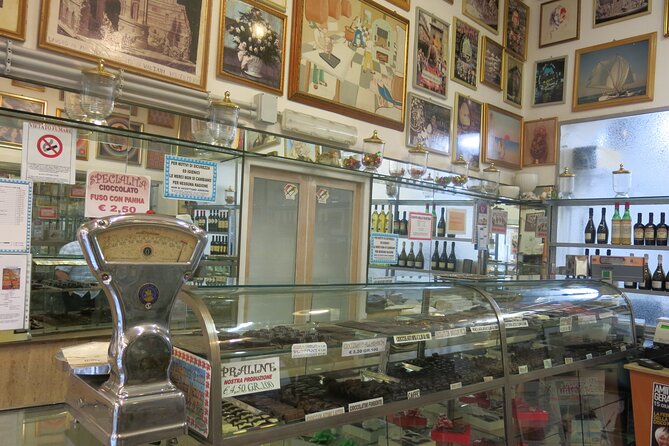
Now for the part that makes this tour easier to recommend for food lovers: you get Roman Pizza Rossa from a century-old bakery. That is a concrete link to tradition, and pizza in Rome is not just dinner, it is culture.
I like that the tasting is tied to the tour’s theme, Roman cuisine influenced by Jewish communities and vice versa. The point is not that one dish is the entire story. The point is that food reflects movement, adaptation, and shared tastes over time.
You also have the advantage that the tour is designed so you do not need to book a meal afterward. When you are visiting Rome and trying to fit everything into limited time, that saves planning stress.
Ricotta Pie, Women Bakers, and Family Traditions
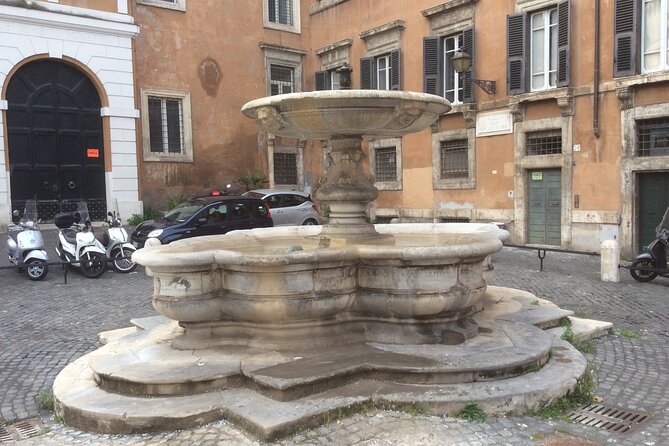
The food stops continue with ricotta pie, described as traditionally run by women of the same family. This is one of the best kinds of detail to hear, because it puts a human face on tradition.
In many places, food history gets told through chefs and famous institutions. Here, the emphasis is on family labor and the passing down of recipes and techniques.
If you have ever wondered why some food traditions feel stubbornly consistent, this kind of detail helps explain it. When a family keeps the practice going, the recipe becomes more than a formula. It becomes routine.
Jewish-Roma Artichokes Along the Old Wall
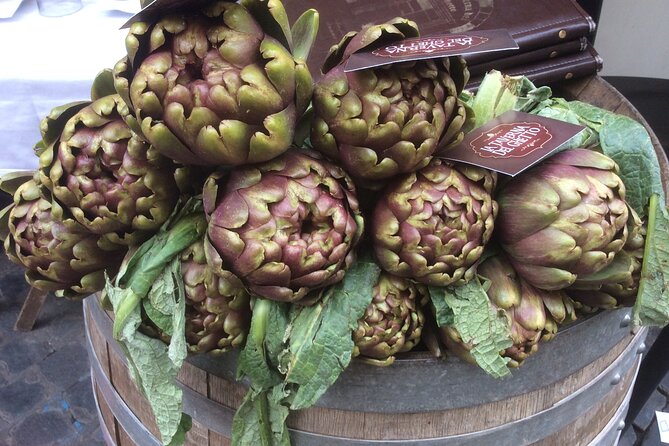
Right along the old wall, you try Jewish-Roma artichokes. This is the kind of tasting that feels local in a way that is hard to fake. Artichokes are a Roman ingredient, but the Jewish-Roma angle signals how communities influence what gets prepared, sold, and passed along.
This is also a great pause point in the walk. You get a small moment to stop, taste, and reset before moving on to something more street-snack style.
Supplì With Middle East Roots
You also try supplì, described as coming from the middle-east. That kind of statement is exactly why a themed tour works. It gives you a lens to notice how cuisines talk to each other through ingredients and cooking styles.
Supplì is already a recognizable Roman snack, so hearing about its broader roots makes the familiar feel fresh. It also helps you see the tour theme as more than nostalgia.
If you care about food origins and cultural contact, you will appreciate how the tour uses tasting as a shortcut to understanding. Instead of only hearing theory, you get a dish in your hand and a story in your head.
Pace, Private Guidance, and the Real Benefit of a Short Tour
The total duration is about 2 hours. That short time is not a limitation here, it is part of the design. You cover major stops without turning your day into a long slog.
The private format helps with pacing. With only your group participating, the guide can adjust when people slow down for photos, pause for curiosity, or ask follow-up questions.
One name to remember here is Angelica. There is clear evidence that the guide experience is a big part of why this works, especially with steady pacing and professional communication even in a busy day setting.
If you are traveling with mixed interests, this is also a smart format. History buffs get the stops. Food lovers get the tastings. You still keep moving, so nobody feels stuck.
Price and Value: What $105.96 Covers
The price is $105.96 per person. For Rome, that is not cheap. The question is what you are buying.
You are paying for a private guided walk with food tastings plus an admission ticket included for the synagogue. You also get a structure where the food is meant to replace a meal, which can offset the cost you would otherwise pay for dinner right after.
That added value matters if you do not want to spend your limited time lining up reservations or finding the right place for a sit-down meal. When a tour serves as a planned meal option, you get time back.
One more point: this tour is booked about 31 days in advance on average. That suggests it is in demand, so if your dates are set, do not wait until the last minute.
Who This Private Jewish Ghetto Walk Suits Best
This is best for you if you like walking tours that connect sights to food. You enjoy small streets, market atmosphere, and learning how local communities shaped what people ate and how spaces developed.
It is also ideal if you want a tour that fits into a busy day. Two hours is short enough to pair with other classic Rome stops later, and the tastings help you avoid hunger gaps.
If you are the type who hates standing around, you might still enjoy it because the pacing is described as steady and not stressful. Just plan for walking in city conditions.
And if you only want big sweeping viewpoints and long indoor time, you may prefer a different kind of tour. This one is built for streets, stories, and snacks.
Should You Book This Private Jewish Ghetto and Roman Cuisine Tour?
Yes, I’d book it if you want a focused Rome experience that mixes cultural context with food you can actually taste. The best part is the combination: a Jewish neighborhood walking route plus a tasting lineup that includes Pizza Rossa, ricotta pie, Jewish-Roma artichokes, and supplì, with a synagogue visit that has admission built in.
I would pass if you dislike food tasting tours or you are trying to avoid any standing and walking in crowded areas. Also consider your taste priorities, because this is not a menu sampling that lets you pick everything. It is a guided tasting sequence, so you should be comfortable trying what is offered.
FAQ
How long is the private Jewish Ghetto walk?
It is about 2 hours.
What is the price per person?
The price is $105.96 per person.
Is this tour private or shared?
It is private, meaning only your group participates.
What language is the tour offered in?
It is offered in English.
Where does the tour start?
The start is P.za Campo de’ Fiori, 00186 Roma RM, Italy.
Is admission included?
Yes, an admission ticket is included.
What is the cancellation policy?
Free cancellation is available. You can cancel up to 24 hours in advance for a full refund.
More Private Tours in Rome
More Walking Tours in Rome



More Tour Reviews in Rome






Not for you? Here's more nearby things to do in Rome we have reviewed












Walking Tours, compared.
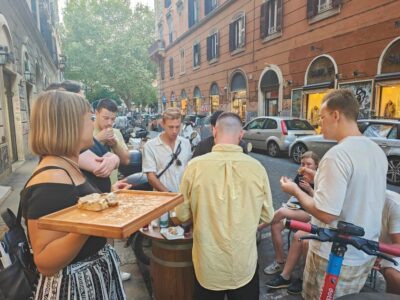 ★ 4.9Trastevere & Campo de Fiori Street Food Walking TourFrom $512,768 reviews
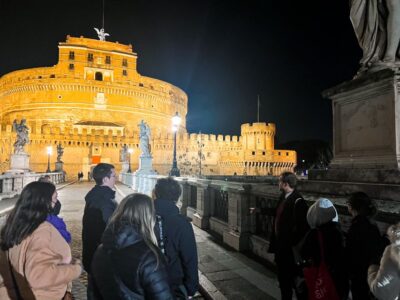 ★ 4.9Paranormal Night Walking Tour & Secret BackstreetsFrom $341,921 reviews
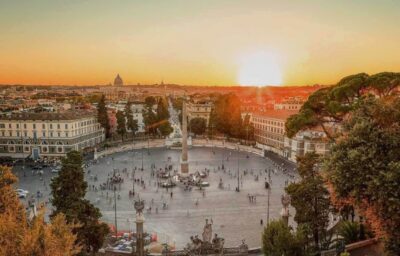 ★ 4.4Guided City Center Evening Sightseeing Walking TourFrom $46953 reviews
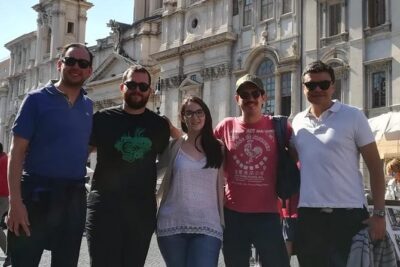 ★ 4.5Best of Rome Walking Tour including Trevi FountainFrom $4923 reviews
 ★ 4.8Under the Moonlight Evening Walking TourFrom $28852 reviews
 ★ 4.9Forbidden History Walking Tour & Pub Crawl with DrinksFrom $61688 reviews
 ★ 5.0Guided Small Group Walking Tour of City HighlightsFrom $30682 reviews
 ★ 4.5Rome Walking Tour with Piazza Navona, Trevi Fountain and PantheonFrom $35676 reviews
Browse the lists this tour appears in