
Reviewed · WALKING TOURS
Fountains and Squares of Rome 2-Hour Walking Tour
Rome’s best photos are also your best lessons in stone. This compact 2-hour walking tour connects the city’s Baroque and Renaissance fountains with piazzas you will recognize fast, plus stories that make the landmarks stick.
Two things I really like: you get a tight route packed with big names (Trevi Fountain, Pantheon, Piazza Navona), and the guides seem to work hard on pacing. Guides like Felice and Federica have been praised for adjusting to real groups, including families with kids and older visitors who need a slower rhythm.
One consideration before you book: at $74 per person for just 2 hours, it’s pricier than some group walks. If you’re the type who wants lots of extra stops or museum time, you may feel the clock moving.
Key takeaways before you go
- Small-group focus means fewer people and more chance to ask questions during the walk.
- Fontana della Barcaccia at Piazza di Spagna gives you a surreal half-sunken ship moment, right where you’ll already be sightseeing.
- Trevi Fountain and a coin-throwing story help you turn a tourist photo into a legend you’ll remember.
- Pantheon’s dome inside is the standout engineering stop, including the world’s largest non-reinforced concrete dome.
- Piazza Navona built on Stadium of Domitian adds an extra layer, because you’re literally standing on the past.
- A natural finish in Campo de’ Fiori connects to Giordano Bruno and the city’s darker history in a way that feels real, not abstract.
Piazza Barberini start, then the fountain-and-square rhythm
The tour begins in Piazza Barberini, with your guide waiting by the fountain. That matters because you immediately drop into Rome at walking pace, rather than losing time at a faraway pickup point. You’ll start in a central area where the streets feel walkable, and your guide can set context quickly, before the landmarks blur together.
The vibe here is simple: follow your guide from one famous square to the next, with each stop building a bigger picture of how Rome got its look. Fountains are not just decoration. They’re a way the city shows off power, wealth, and taste, and they often sit at the heart of social life. Even in a short 2 hours, you’ll feel that “Rome is a series of outdoor rooms” idea.
Also, plan for walking on uneven stone. Comfortable shoes are a must, and if you have any mobility concerns, it’s worth choosing the right time of day when you can move steadily.
You can also read our reviews of more walking tours in Rome


Piazza di Spagna and Fontana della Barcaccia: Baroque whimsy at street level
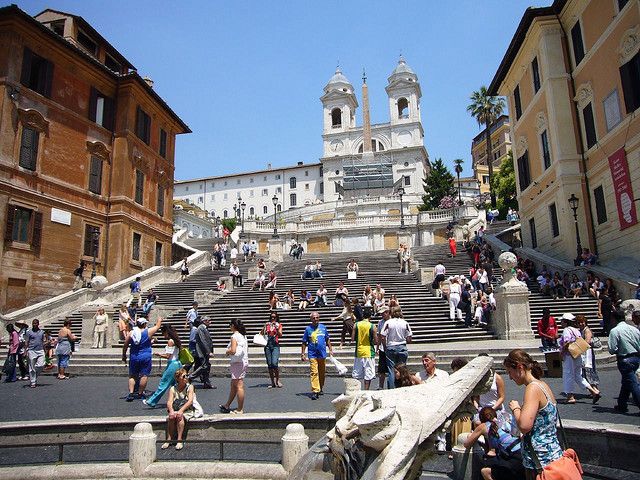
Next comes Piazza di Spagna at the base of the Spanish Steps. The real reason this square works on a short tour is that it’s both iconic and compact. You’re already in a well-known zone, so the guide can focus on why the space looks the way it does.
Your stop includes the 135 steps linking the historic Bourbon Spanish Embassy and the Trinità dei Monti church. That detail sounds like trivia until your brain starts using it as a map. Suddenly, you’re not just looking at stairs, you understand what they connect.
Then you get one of the tour’s most distinctive fountain moments: Fontana della Barcaccia, a Baroque fountain in the shape of a half-sunken ship. This is the kind of design that makes you pause, because the form looks like a scene frozen in time. It also gives you an easy contrast with the next stops: Rome’s fountains can be theatrical, religious, celebratory, and sometimes oddly playful.
Trevi Fountain: legend plus a perfect photo setup
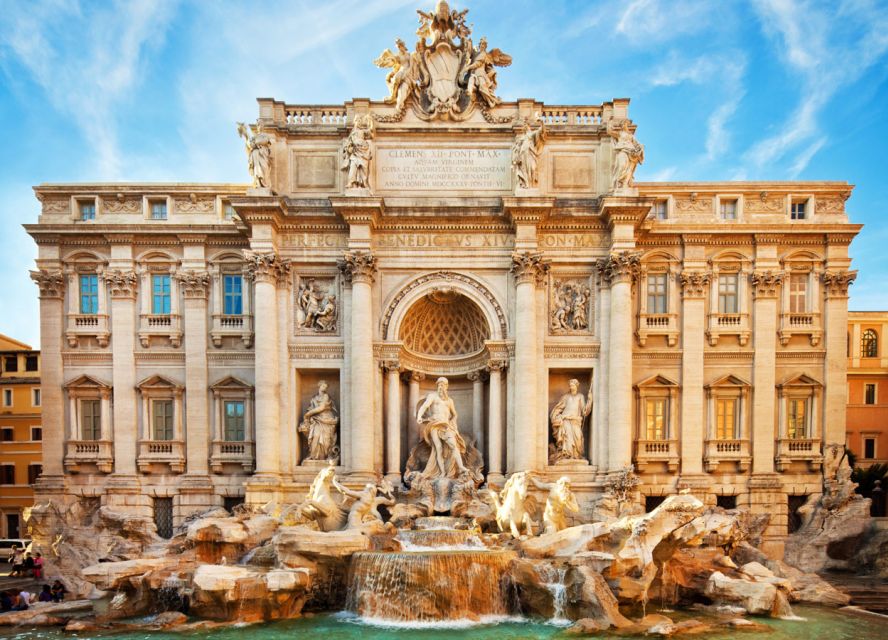
From there you head toward the Trevi district for Rome’s most famous fountain. Trevi is the stop people plan around, but a guided approach changes the experience. Instead of only grabbing your photo, you get the legend that pilgrims toss a coin into the water to ensure they return to Rome.
The background also helps. The Trevi Fountain sits set against the Palazzo Poli, so your guide can explain how this fountain lives inside the city fabric, not off by itself. That makes the area feel less like a theme park and more like part of a functioning neighborhood.
Practical tip: if you want your coin-throwing moment to feel less chaotic, keep your movements calm and follow your guide’s cues for where to stand. The fountain is famous for a reason, so you will likely see crowds. A guide helps you get your moment without turning it into a sprint.
Pantheon inside: the non-reinforced concrete dome moment
After the fountain stops, you walk to the Pantheon. Even if you’ve seen pictures, this is one of those places where reality hits hard. The Pantheon is dedicated to the Olympian gods, and it is also one of the best preserved monuments of Ancient Rome.
Here’s why the tour is worth it for this leg: once you’re inside, you can marvel at the world’s largest non-reinforced concrete dome. That phrase sounds technical, but what you’ll feel is space. The dome’s scale and the way light plays across the interior make it feel engineered yet almost weightless.
You will also learn how this stop ties the city together across centuries. The fountains and piazzas show you Rome’s later showmanship. The Pantheon shows you the older foundation still shaping what you see today.
One thing to keep in mind: the Pantheon is a major destination. Plan to take your time where you can stand comfortably, and don’t force it if the crowd flow gets tight. The guide’s pacing matters here.
Piazza Navona on Stadium of Domitian: the past under your feet
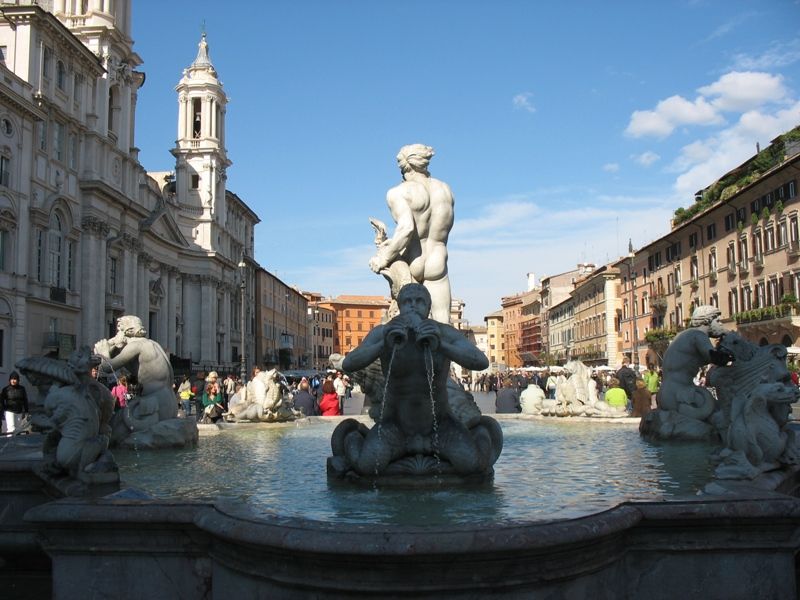
Next is Piazza Navona, a Baroque-era showpiece built on the site of the Stadium of Domitian. This is one of the most satisfying ideas to absorb on a walking tour, because it turns your “wow” moment into a historical connection.
Piazza Navona is known for being elaborate, and it earns that reputation. You’ll look at the square as a whole, then the guide points out specific features that help you read it. One highlight is Bernini’s Fontana dei Quattro Fiumi, the Fountain of the Four Rivers.
The Four Rivers fountain gives you both art and symbolism in one visual. Even if you don’t memorize every detail, you’ll leave understanding that these fountains were designed to say something, not just to decorate. They’re political, cultural, and religious signals made visible.
And don’t skip the “stand and look around” part. Navona is the kind of place where the space matters as much as the objects. If you only glance and move on, you miss what makes it feel like Rome rehearsed for centuries.
A few more Rome tours and experiences worth a look




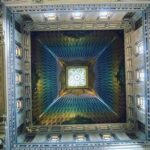

Campo de’ Fiori finish: Giordano Bruno and the city’s sharper edge
The tour ends in Campo de’ Fiori, the Field of Flowers. The name has a gentle sound, but the reality of the square’s past is tougher. It was once a medieval market and later used for public executions.
Center stage is the bronze statue of Giordano Bruno, a Dominican friar and philosopher who was burnt at the stake for heresy in 1600. This ending point changes the tone in a good way. Rome’s beauty can sometimes feel too smooth, too photo-ready. Campo de’ Fiori grounds you, reminding you that this city held judgment as well as celebration.
If you want a practical next step after the tour, Campo de’ Fiori also makes sense because you can keep exploring nearby at your own pace. You’re finishing somewhere with atmosphere, not somewhere remote.
Guides, pacing, and the family-friendly factor that matters
What separates a great walking tour from an okay one is not just what you see. It’s how the walk feels.
The strongest praise for this experience centers on the guide’s flexibility. Felice has been noted for tailoring the tour to kids and family interests. Federica gets credit for being friendly, kind, and patient, especially with older groups that couldn’t walk much. Another guide, Luisa, was praised for turning dense historical material into “easy to carry” bits, including helpful extra facts that lighten the mental load.
Even if you don’t have kids or mobility needs, these guide skills matter because Rome can be intense. A smart guide keeps the route moving at the right speed, explains what you’re looking at without drowning you in details, and helps your group feel included.
If it starts raining, that’s another place where a good guide earns trust. One guide was praised for finding a cab back to the hotel for a group when rain hit right after the tour ended. That kind of practical care is not guaranteed, but it’s a strong signal about how the operator treats guests.
Is $74 for 2 hours good value?
At $74 per person for a 2-hour walk, you’re paying for three things: a live guide, a small group format, and a route that stitches together major landmarks efficiently.
Here’s how I’d think about value:
- If you want the essentials, plus context, this price can feel fair. You’re covering Piazza di Spagna, Trevi, Pantheon, Piazza Navona, and Campo de’ Fiori without doing the route planning yourself.
- If you mainly care about wandering freely, you might spend less by just mapping the stops and going at your own pace.
- If you hate wasting time in long lines or you prefer a guided route that explains what you’re seeing, the guide time is the real “product” you’re buying.
Also note what’s not included: there’s no hotel pickup or drop-off. That can affect value if your hotel is far from the meeting point. In that case, build in the cost and time of getting yourself to Piazza Barberini.
Who should book this tour?
This is a good fit if you:
- Want a high-impact Rome walk without committing a full day.
- Like fountains, piazzas, and architecture with legends attached.
- Prefer small groups and clear pacing over big-bus crowd energy.
- Have a mixed-age group, including kids or older relatives, and want a guide who can adjust.
It might not be the best fit if you:
- Want long stays inside major sites or lots of museum-style time.
- Are comfortable doing self-guided walking with limited explanation and a tighter budget.
Should you book Fountains and Squares of Rome?
Yes, if you want a focused taste of Rome’s fountain and piazza culture in just 2 hours, with a guide to connect the dots between Baroque playfulness and Ancient engineering. The route is efficient, and the best feedback points to guides who manage pacing well and tailor the experience when groups need flexibility.
If $74 feels steep, compare it against what you’d spend on transport plus the value of guided interpretation. This tour is at its strongest when you want to understand what you’re looking at, not just pass it in the background.
FAQ
Where does the tour meet?
The guide waits in front of the fountain in Piazza Barberini.
How long is the walking tour?
It lasts 2 hours.
What is included in the price?
The tour includes a guide and a small group tour.
Is hotel pickup or drop-off included?
No, hotel pickup and drop-off are not included.
What languages are available?
The tour is offered with live guides in English and Italian.
What should I bring?
Comfortable shoes.
Can I cancel for a refund?
Yes, you can cancel up to 24 hours in advance for a full refund.
More Walking Tours in Rome



More Tours in Rome






More Tour Reviews in Rome

Not for you? Here's more nearby things to do in Rome we have reviewed












Walking Tours, compared.
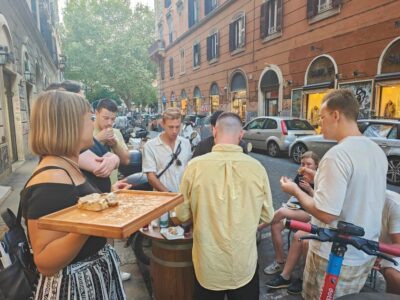 ★ 4.9Trastevere & Campo de Fiori Street Food Walking TourFrom $512,768 reviews
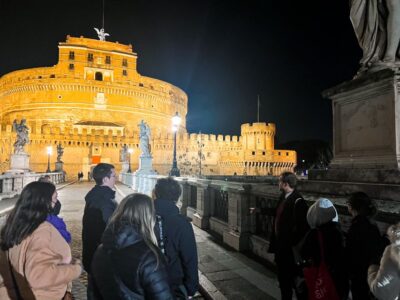 ★ 4.9Paranormal Night Walking Tour & Secret BackstreetsFrom $341,921 reviews
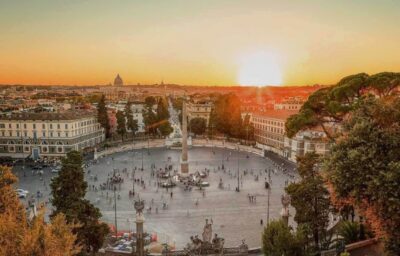 ★ 4.4Guided City Center Evening Sightseeing Walking TourFrom $46953 reviews
 ★ 4.5Best of Rome Walking Tour including Trevi FountainFrom $4923 reviews
 ★ 4.8Under the Moonlight Evening Walking TourFrom $28852 reviews
 ★ 4.9Forbidden History Walking Tour & Pub Crawl with DrinksFrom $61688 reviews
 ★ 5.0Guided Small Group Walking Tour of City HighlightsFrom $30682 reviews
 ★ 4.5Rome Walking Tour with Piazza Navona, Trevi Fountain and PantheonFrom $35676 reviews
Browse the lists this tour appears in