Reviewed · ROME
The Marvels of Rome: A Journey through Time and Landmarks
Rome in two hours, without the wandering. This walk-and-talk tour strings together the big-name squares, starting at Piazza del Popolo, then moving to Piazza di Spagna, the Trevi area, the Pantheon, and finally Piazza Navona. I love how the guide keeps the sights readable, not just pretty, including the fun part at the Fontana di Trevi with the coin toss. The main drawback is simple: it is not set up for limited mobility, and you will be doing steady walking.
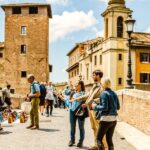
What I also like is the human factor. You get a licensed guide, and the tour runs in English, plus Spanish and French, so you can match your comfort level. In past departures, guides like Celia, Estefani, and Sarah have been praised for being patient and for bringing the past to life in a way that actually sticks.
Key highlights to look forward to
- Tight 2-hour loop through five must-see areas, so you do not spend the day “finding the next thing”
- Meet right at Piazza del Popolo, in front of Santa Maria del Popolo, so the start is straightforward
- Spanish Steps to Trevi in one flow, with guided context as you walk between stops
- Trevi coin toss tradition included, so you know what to do and why people do it
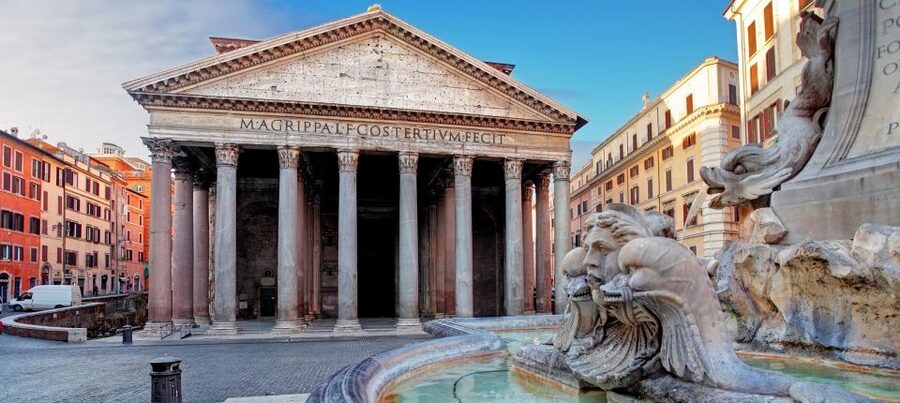
- Pantheon focus on Roman engineering, not just a quick exterior glance
- Piazza Navona ends the tour with Bernini-style fountains and a great people-watching zone
A 2-hour Rome loop that hits the big landmarks fast
If you want Rome’s greatest hits with guidance, this tour is built for you. It is only 2 hours, yet it covers a practical circuit of famous squares: Piazza del Popolo, Piazza di Spagna, the Trevi district, the Pantheon, and Piazza Navona.
For many visitors, the value is not just the route. It is the way a good guide helps you see what you would otherwise breeze past. A fountain becomes a story. A façade becomes a clue. Even the flow between stops matters, because you are walking in a logical line instead of circling around trying to connect “the map” to the street.
Price-wise, $35 per person is reasonable for what you get: a licensed live guide, multiple major landmarks, and organized timing so you are not piecing it together yourself. It is not the kind of tour where you linger for hours at one site, so it fits best if you want a guided sampler and then want to come back on your own for a second look.
One more practical note before you book: this is a walking tour and it is not recommended for people with limited mobility. If that is your situation, I would plan a different format.
You can also read our reviews of more tours and experiences in Rome.
Starting at Santa Maria del Popolo in Piazza del Popolo
The tour begins at Basilica Parrocchiale Santa Maria del Popolo, in Piazza del Popolo. Your guide waits in front of the church, holding a sign with the company name.
Why I like this start: Piazza del Popolo is a natural “hub.” You can orient yourself quickly, and the guide’s first stop sets the tone. The schedule calls for about 20 minutes at Piazza del Popolo for guided sightseeing, so you get the basics without a long preamble.
This is also where you learn how the guide will work. Past guides have been praised for clear, patient delivery, including Celia’s thoughtful pace and Estefani’s use of supporting visuals, like before-and-after material. That matters, because the rest of the tour goes faster once you understand what you should be noticing.
If you are hoping for a strict “lecture,” you may find it more like walking plus explanation. That is often the best way to enjoy Rome because you are seeing the buildings for real while the context is still fresh.
Piazza di Spagna and the Spanish Steps, explained on the move
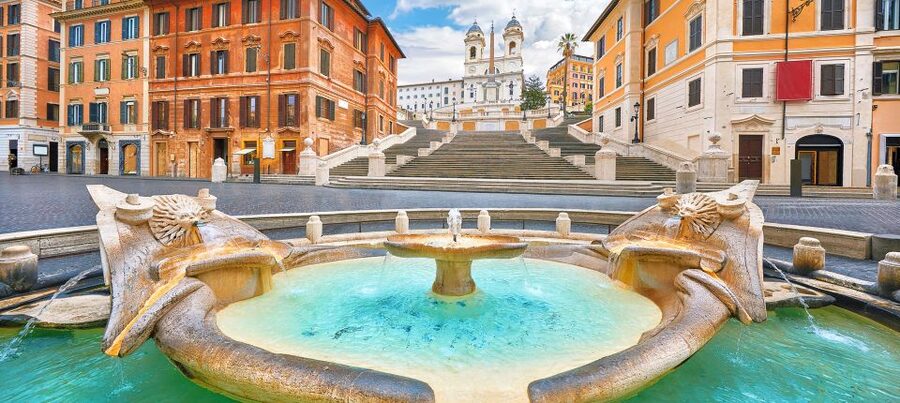
Next up is Piazza di Spagna, the area around the Spanish Steps. Plan for another 20-minute guided walk and sightseeing here.
This stop works well because the Spanish Steps area is both landmark and viewpoint. You are not just standing in one place. You are taking in how the square sits in the city fabric, and how the building lines and steps create movement.
The practical benefit of guided commentary here is that it turns the steps from a postcard into something you can read. Without guidance, it is easy to treat it like a photo stop and move on. With a guide, you understand what people have been drawing themselves to for centuries, and what the street-level setting contributes to the scene.
One small tip for you: wear shoes you can trust. Even if the schedule is short, you will be on uneven pavement and you will want foot comfort so you can actually pay attention.
Fontana di Trevi: Baroque spectacle and the coin toss ritual
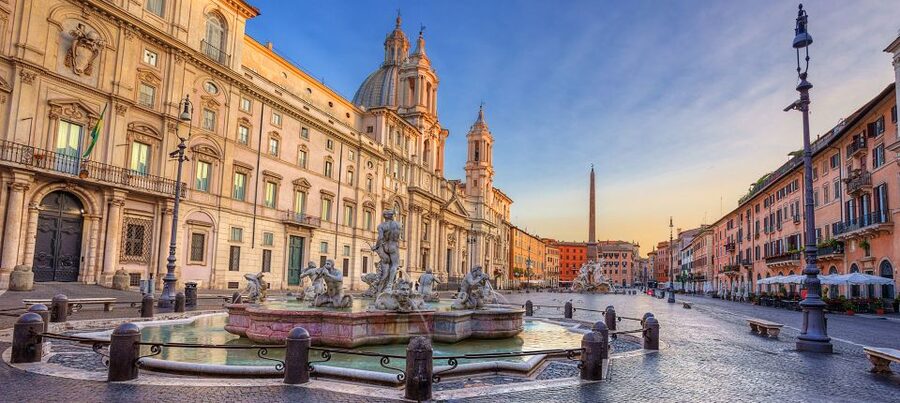
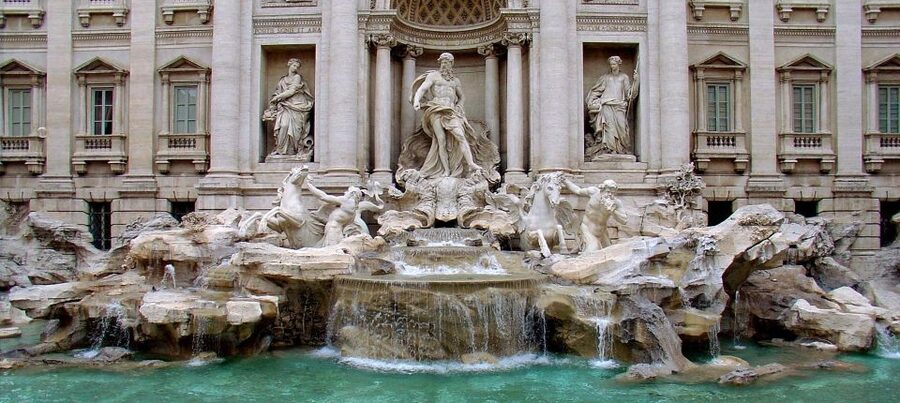
Then comes the big star stop, Trevi Fountain. The time allocation here is about 30 minutes, which is longer than most other segments. That extra time is smart, because Trevi is famous for a reason, and you want a moment to take it in before you feel rushed.
What you should expect: guided sightseeing plus the chance to join the famous tradition of tossing a coin into the fountain. The guide does not just point and leave. You get instructions for participating in a way that makes sense, so it feels like part of the experience instead of a chaotic tourist ritual.
I also like that the tour treats Trevi as more than a photo. It is a Baroque masterpiece, and a good guide helps you notice the storytelling details that are easy to miss if you only look for the big moment.
Balanced reality check: Trevi tends to be crowded, and that can limit how long you can stand in the perfect spot. The tour’s structure helps you get meaning in the moment, even if you cannot control where the best viewing angle lands for your exact time.
If you are into photography, plan to take shots in quick bursts, then listen. The guide’s context will make your photos better later, even if the “perfect angle” is not in your hands.
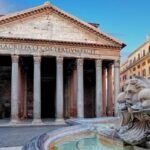
Pantheon: seeing Roman engineering up close
After Trevi, you head toward the Pantheon. The tour allows around 20 minutes for guided sightseeing here.
This is one of Rome’s most rewarding stops because the Pantheon is not only beautiful, it is practical in its brilliance. You are looking at Roman engineering you can feel in the structure. A good guide helps you connect what you see to how it works, so it is not just an impressive shell.
For your experience, the key value is orientation. The Pantheon is so well known that many people skim it. With guided time, you will focus on the features that give it its strength and atmosphere, so you leave feeling like you understand the building instead of just recognizing it.
Also, this stop benefits from your energy level. By the time you reach the Pantheon, you have already visited major squares, so your brain is warmed up and ready to notice details instead of just absorbing the next headline landmark.
Piazza Navona: Bernini fountains with cafes and street energy
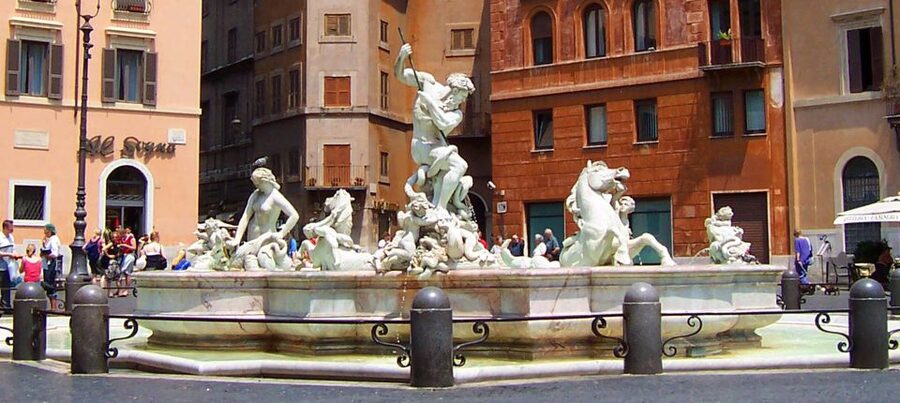
The final stop is Piazza Navona, with guided sightseeing and about 20 minutes on site. This is a great ending because Piazza Navona is a stage. You will see the fountain area tied to Bernini’s influence, and you will be surrounded by cafes and street performers.
What works about ending here: you naturally shift from “guided sightseeing” mode into “wandering at your own pace” mode. You get a last burst of Roman spectacle, and then you can decide how long to stay for snacks, people-watching, and photos.
The guide’s wrap-up also matters. In short walking tours, the last stop is where you either feel like you got something memorable, or like it was just a checklist. Ending at Piazza Navona gives you a satisfying payoff, because the space itself is designed for lingering.
If you plan to eat afterward, this is an ideal spot to do it. You are already in a lively area, and you can keep your momentum without needing a separate trek.
Price and pacing: is $35 worth it?
Let’s talk value. At $35 per person for a 2-hour guided walk, you are paying for three things: a licensed guide, structured time at major landmarks, and a route that keeps you from wasting effort.
If you tried to do this yourself, you would spend time figuring out where to go, translating what you see, and then re-checking the route between stops. With a guide, you get a human shortcut. You also get the benefit of a clear order that makes the city feel connected instead of like separate highlights.
Guide quality is where this tour can really shine. In past tours, guides were praised by name. Celia stood out for kindness, consideration, and patience. Estefani was singled out for knowing lots of historical details and using a book with before-and-after views to show change over time. Sarah was also praised for being excellent with the language. That sort of approach usually makes a short tour feel longer in a good way, because you understand what you’re seeing.
Now the balanced part. Not every visitor wants the same level of detail. If you are looking for heavy, deep academic history, you might wish you had more time at each site. This tour is built as a highlights circuit, and that is the tradeoff for seeing five major areas in one go.
For most people, the bargain is fair: you get guidance plus key sights in a tight window, which is exactly what you want when you have limited time in Rome.
Meeting point clarity, dress code, and what to bring
This tour is simple logistically, which matters when you are already juggling a busy Rome schedule.
Bring:
- Comfortable shoes (you will be walking)
- Water (you are outside in the city)
Dress note:
- No sleeveless shirts
Baggage limits:
- No luggage or large bags
Also remember: hotel pickup and drop-off are not included. You are on your own for getting to Piazza del Popolo. The good news is the meeting spot is specific and easy to find, right in front of Santa Maria del Popolo with the guide holding a sign.
And if you are wondering about pace and comfort: this tour is not recommended for people with limited mobility. Even though some guides have been praised for patience with certain needs, the official guidance still flags this as a walking-focused experience.
Who this tour suits best
I think this tour is a strong match if:
- You want Rome’s top squares in one guided circuit
- You prefer short stops with explanations rather than long lectures
- You enjoy the famous sights, but you also want the “why,” not just the what
- You want a plan that ends near a lively area like Piazza Navona, so you can keep the day going
I would be less enthusiastic if:
- You have trouble with sustained walking or you need accessibility accommodations
- You want a slower, deeper dive at just one site
Should you book this Rome landmarks walking tour?
Book it if you want a 2-hour guided sampler that connects the major sights in a logical route, starting at Piazza del Popolo and ending at Piazza Navona. At $35, the price feels fair for the time you save, the licensed guide, and the fact that Trevi includes the coin toss tradition with real guidance.
Skip it or look for another option if mobility is an issue for you, since this tour is not recommended for limited mobility and it is not built for that kind of pace.
If you do book, plan your footwear like it is the main attraction. Then show up at the meeting point in Piazza del Popolo, and let the guide do what they are trained to do, turn landmarks into places you actually understand.