
Reviewed · WALKING TOURS
Rome: Fountains and Fallen Angels Small Group Walking Tour
Rome turns into a giant open air museum fast. This 3 to 4 hour walking tour threads fountains and baroque churches together, with a guide who connects art, place, and belief so the stops feel like one story, not a checklist. You also get a genuine small-group vibe, so you can ask questions without feeling rushed.
I especially like the pacing for a half day, plus the way the tour focuses on more than the obvious postcard spots. One consideration: church stops require dress code compliance (shoulders, back, and knees covered), and the walk is active, so comfy shoes matter.
Key highlights and what makes them special
- Small group, maximum 5 people, which makes questions easy and conversations less chaotic
- Baroque church focus, including major works tied to Bernini and Borromini
- Fountain stops beyond Trevi, like Fountain of Moses and Quattro Fontane crossroads
- A spiritual theme with an art lens, so you understand why these buildings matter
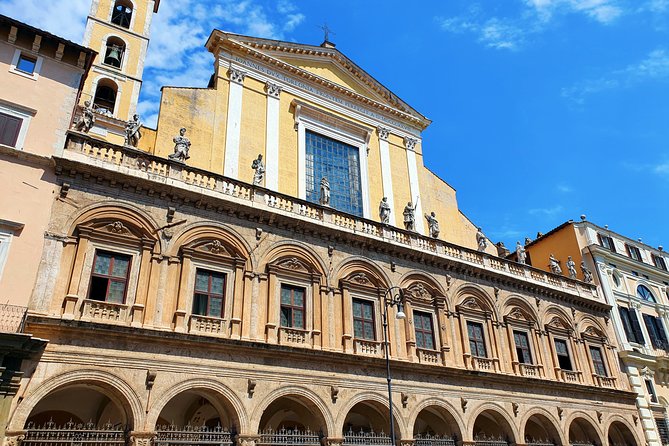
- Finale at Chiesa del Gesù, a standout baroque landmark for many people
Why Fountains and Fallen Angels makes sense in Rome
Rome loves to throw you a lot at once. You see a fountain, take a photo, move on, repeat. This tour tries to fix that problem by giving you a theme to hold onto.
The title points to the spiritual side of the city, and the itinerary follows it through churches and sacred art. That matters because in Rome, architecture is not just scenery. Churches often act like time capsules, showing you how faith, politics, and artists worked together. When you understand that context, even familiar places like Trevi hit differently, because you notice details you would miss on your own.
I also like how the tour is built for learning without turning into a lecture. It is structured stops plus guide storytelling, and you get time to ask questions rather than sprinting to the next corner.
You can also read our reviews of more walking tours in Rome

Price, time, and group size: what you are really paying for
The price is $60.07 per person for about 3 to 4 hours. That is not cheap if you only compare it to ticketed attractions, because many stops here are free to enter. The value comes from the guide work.
You are paying for:
- A route that links famous and lesser known fountains and churches in a way that feels logical
- Explanations that help you see symbolism, not just style
- A small group limit (up to 5), which usually means more back and forth
If you have already spent time in Rome self guided, you probably noticed the hard truth: the city is big, but time is not. A guided walk can help you build a mental map fast, especially when the focus is not the usual greatest hits only.
Meeting near San Giovanni Paolo I and finishing at Piazza Venezia
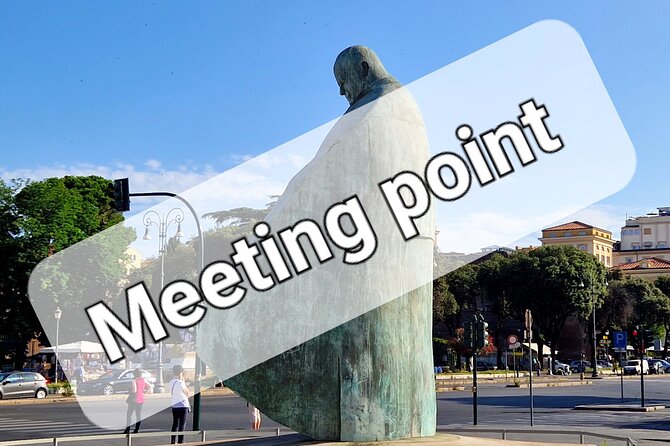
You start at Statua di San Giovanni Paolo I, Esquilino, Rome, and the tour ends at Piazza Venezia (near the bus station there). This is helpful because Piazza Venezia is a natural anchor point. It is easy to continue exploring after the tour, grab coffee nearby, or connect to other sights.
A practical tip: show up early and use the map and photo for the statue meeting point. In one unhappy moment people sometimes struggle with finding an individual at a large station area. So, give yourself buffer time, and if you arrive early, wait where you can spot the landmark clearly rather than wandering.
Also, your day will run on foot. Expect an active walk. That is part of the charm, but it also means you should plan your shoes and hydration accordingly.
Stop-by-stop: fountains that set the tone early
Piazza della Repubblica, also known as Piazza Esedra
This is a good opening anchor. It gives you a wide urban feel, and it helps you orient yourself before you step into the more intimate corners of baroque Rome. Think of it as the warm up point, where the guide can set the theme and point out how Rome designed public space.
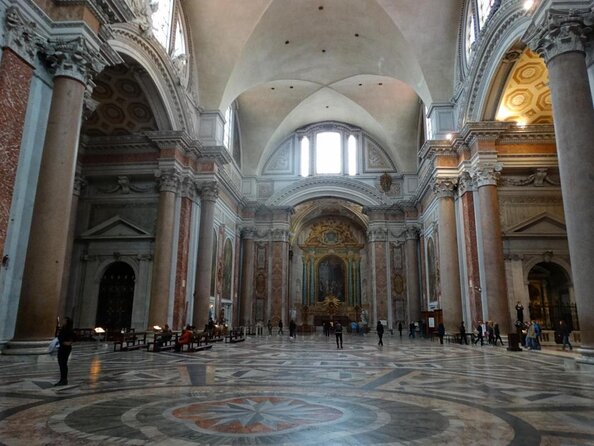
Basilica di Santa Maria degli Angeli e dei Martiri
Next comes an arresting contrast. The church looks like it belongs because it was designed to fit into existing remains of ancient Baths. That blend is key for this tour’s vibe: Rome keeps reusing the same ground and reshaping meaning over centuries.
Also, you stay only about 20 minutes here. You will not get a long museum style visit, but you should be able to understand the big idea of the architecture and why this space works.
Fountain of Moses
Then the tour turns toward a specific fountain with a clear artistic name behind it: Domenico Fontana. A quick stop can still be satisfying here because you will know what to look for instead of just staring at water.
This is one of the tour’s strengths. It uses short visits to keep momentum while still giving context.
Michelangelo meets Bernini: Santa Maria degli Angeli to Santa Maria della Vittoria
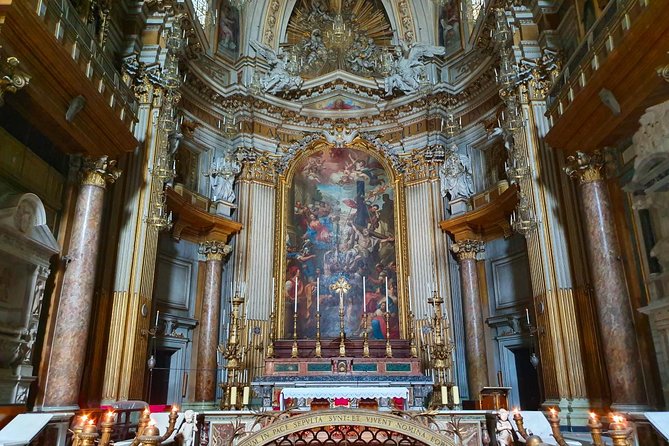
Santa Maria della Vittoria and Bernini’s Ecstasy of Saint Teresa
This stop is about transformation. The church is dedicated to victories granted by Saint Mary, and the star attraction is one of Bernini’s most famous works, Ecstasy of Saint Teresa. The guide focus matters because the piece is dramatic, but it also has a purpose. You are not just seeing an artwork, you are seeing how baroque art aimed to move the viewer.
Expect about 20 minutes. That usually means you get enough time to look, listen, and ask one or two questions without the pressure of a long line or a rushed exit.
Quattro Fontane and San Carlo: baroque at street level
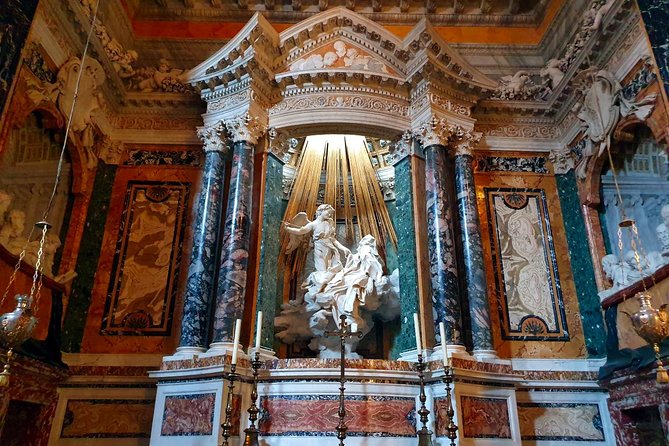
Quattro Fontane crossroads
Four fountains at one crossroads sounds simple, but it changes how you experience the street grid. This is a moment where a guide can explain the logic of the design and why the area earned its fame. It also works visually, because you can stand at a point and understand how the fountains relate.
The stop is brief, around 5 minutes. Use that time to look in multiple directions and not just take one quick photo.
San Carlo Alle Quattro Fontane, designed by Borromini
Then you hit the contrast to Bernini style. San Carlo, designed by Borromini, brings a different kind of baroque energy. Even if you have seen other churches, Borromini’s approach has a distinct feel, and having someone point out what makes the design unusual saves you a lot of guesswork.
This stop runs about 15 minutes. It is enough time to grasp the main features and still keep your day moving.
Sant’Andrea al Quirinale and Quirinale: oval geometry and political power
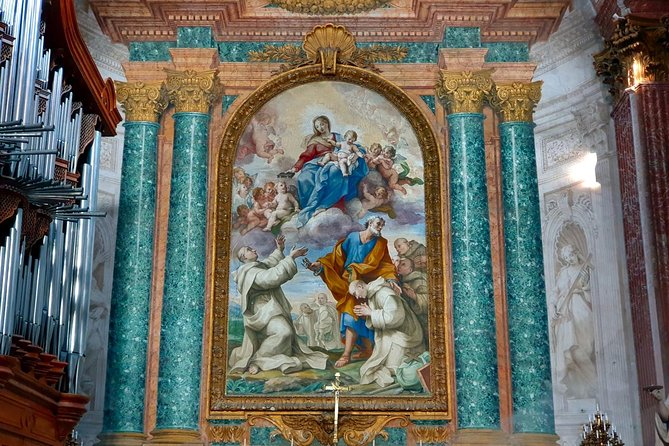
Chiesa di Sant’Andrea al Quirinale, designed by Bernini
This church is famous for its oval shape and Bernini authorship. An oval space changes how you perceive scale and movement. When you step inside, you will likely notice light and layout differently than in a more standard church plan.
Plan for about 20 minutes, which typically means you can get a guided orientation plus time for your own looking.
Palazzo del Quirinale (you view from outside)
You also stop by Palazzo Del Quirinale, the residence of the President of the Italian Republic. It cannot be entered during the tour, so treat this as a “see and place it” moment.
This is one of those Rome lessons: you do not always get interior access, but seeing the location helps you connect modern Italy to the urban fabric around it.
Trevi Fountain without losing your context
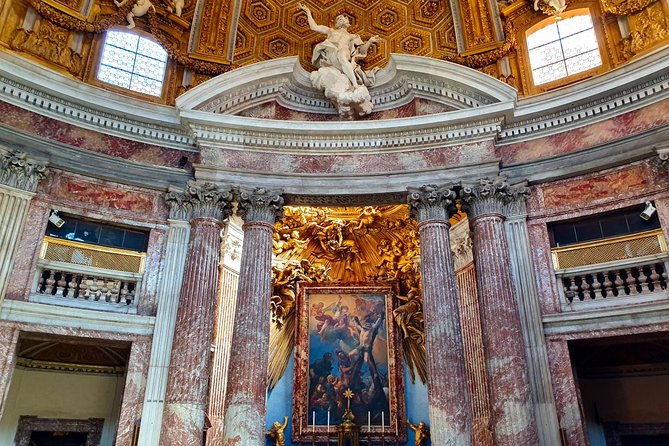
Trevi Fountain
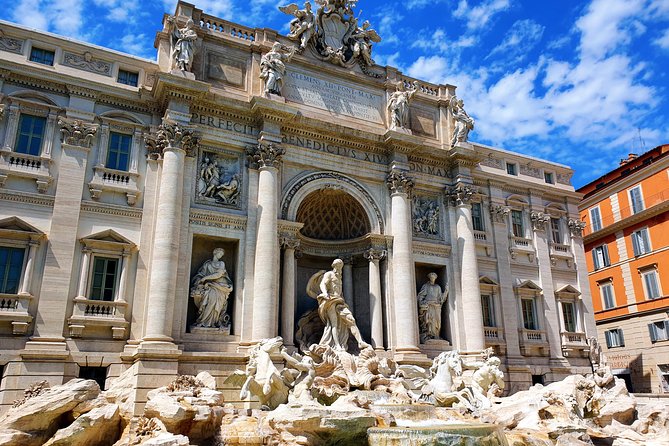
Of course you end up at Trevi Fountain. This is the world’s most famous fountain, and it draws crowds for a reason. What changes with a guided walk is that you do not treat it like a photo stop only.
You will have around 20 minutes. Use that time to look for the sculptural storytelling and the way the fountain functions as a grand visual centerpiece. If you have already seen it once from afar, this is your chance to see it with a plan.
Santi Apostoli, Palazzo Venezia, and a rare calm moment
Santi Apostoli
This church brings paintings and the tombs of two apostles. That is the kind of detail you would probably skip without a guide, because you might not know what you are looking for or why the church matters.
The stop is about 20 minutes, so you should be able to understand the theme and get your bearings inside.
Museo Nazionale del Palazzo di Venezia
Then comes a breather. Palazzo Venezia is described as an idyllic oasis, and the point of this stop is not just what is inside, but how it feels. You get around 20 minutes to relax and reset during the walk.
That kind of pause is smart on a half day. It keeps the experience from turning into pure sprinting.
Chiesa del Gesù: the baroque model church finale
Chiesa del Gesù
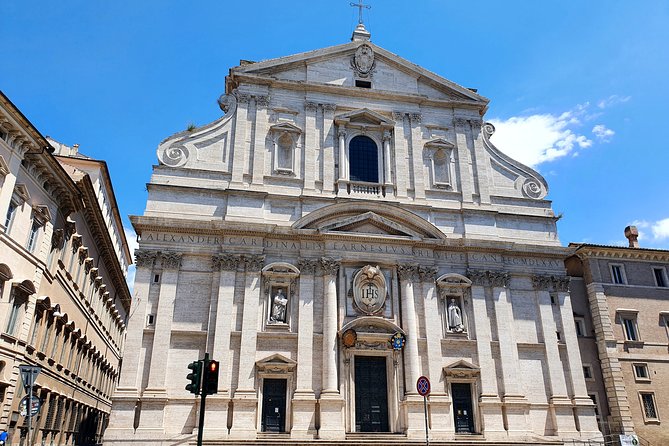
The tour ends with Chiesa del Gesù, described as the mother church of the Jesuits and a model building of baroque. This finale matters because Jesuit architecture helped shape how baroque spaces guided attention and emotion.
Many people remember this stop because it ties the theme together. You have already seen fountains, crossroad design, and major baroque art. Now you see how a church becomes a statement about belief and mission, not just decoration.
You will have about 20 minutes here, which gives enough time to take in the space and let the story land.
What to wear and bring for a smooth church day
This tour includes several churches, and the dress code is not optional in practice. Shoulders, back, and knees need to be covered. That means:
- Plan on long pants or knee-covering bottoms
- Bring a light layer if you are wearing a short-sleeve top
Also, it is a walking tour. Good shoes are the real souvenir.
For the best experience, arrive with one question ready. A small group plus time to ask questions is where tours like this pay off. Instead of just collecting names, you can ask what the guide is noticing and why the design is important.
One more practical note: the guide keeps the itinerary moving and checks time to stay on schedule. That is normal for a route with multiple church stops, and it helps you avoid arriving at the wrong moment or losing the flow.
Should you book this Rome walking tour?
Book it if you want Rome in a themed, story-led way, especially if you are tired of bouncing between famous sites with no context. The small group limit is a big reason to choose it, because it makes the experience feel more like a conversation and less like a crowded walking lecture.
Also book it if you care about baroque churches and want practical pointers for what to notice. Stops like Bernini’s work in Santa Maria della Vittoria, Borromini’s San Carlo, and the final impact at Chiesa del Gesù are the kind of places that feel bigger when you understand the why.
Skip it if you do not want an active half day on your feet, or if you are not willing to follow the church dress requirements. In that case, you might prefer a more flexible self-guided fountain walk where you can pace yourself.
If you are aiming for one guided walk that connects art, faith, and street-level Rome, this is a strong match. Just plan your outfit for churches, show up at the right statue on time, and bring curiosity.
More Walking Tours in Rome


More Tours in Rome
More Tour Reviews in Rome
Not for you? Here's more nearby things to do in Rome we have reviewed




Walking Tours, compared.
 ★ 4.9Trastevere & Campo de Fiori Street Food Walking TourFrom $512,768 reviews
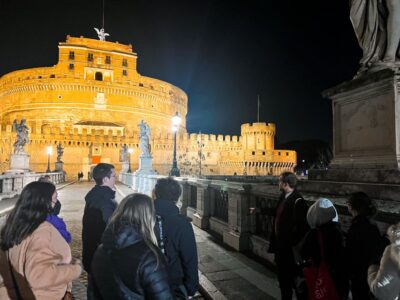 ★ 4.9Paranormal Night Walking Tour & Secret BackstreetsFrom $341,921 reviews
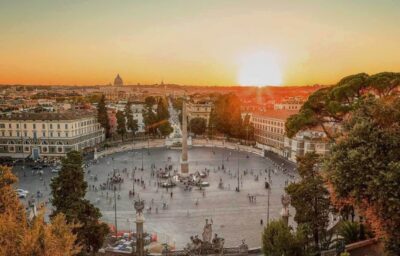 ★ 4.4Guided City Center Evening Sightseeing Walking TourFrom $46953 reviews
 ★ 4.5Best of Rome Walking Tour including Trevi FountainFrom $4923 reviews
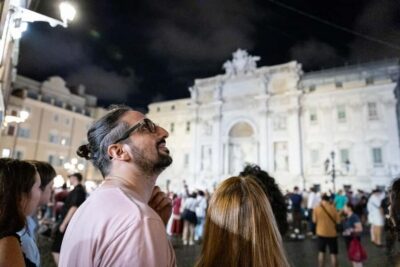 ★ 4.8Under the Moonlight Evening Walking TourFrom $28852 reviews
 ★ 4.9Forbidden History Walking Tour & Pub Crawl with DrinksFrom $61688 reviews
 ★ 5.0Guided Small Group Walking Tour of City HighlightsFrom $30682 reviews
 ★ 4.5Rome Walking Tour with Piazza Navona, Trevi Fountain and PantheonFrom $35676 reviews
Browse the lists this tour appears in