
Reviewed · ANCIENT ROME TOURS
Ancient Appian Way and Roman Countryside E-Bike Tour
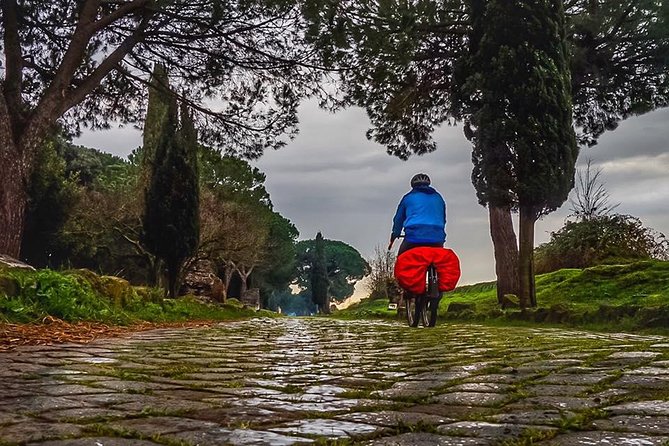
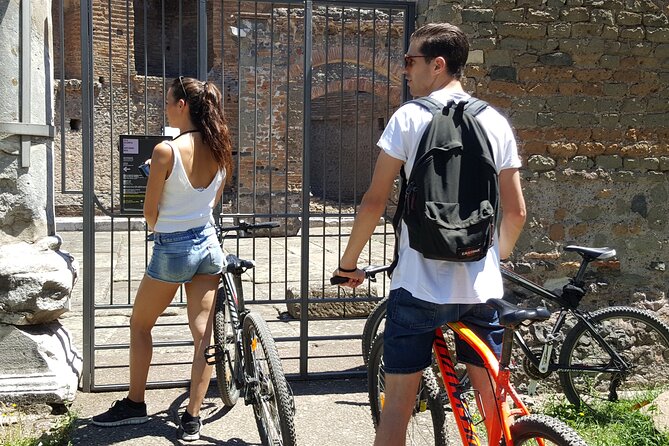
You pedal into one of Rome’s most storied roads. I like how this tour strings together key Roman sights with a real Roman countryside ride on an e-bike. The one thing to keep in mind is that the ground can be rough, so control and bike setup matter.
What makes this half-day special is the mix of big monuments and quieter stretches. You get guided stops at Circo Massimo, Palatine Hill, and the Appia Antica Archaeological Park, then you roll out along the ancient route toward the aqueduct landscape of Parco degli Acquedotti. If you are expecting a soft, flat sightseeing cruise, you might feel a bit underprepared once the trail gets stony.
Key highlights you will actually feel on this tour
- Ancient Appian Way riding time: You do more than just stop, you ride the road and learn as you move.
- Small group limit (max 10): Easier pacing, clearer instructions, less chaos at stops.
- Stop variety, not one-note history: Roman landmarks like Circo Massimo and Palatine Hill, plus Appia Antica park stops.
- Helmets and bike use included: Practical gear is part of the package.
- Not all food is included: Plan on bringing a snack so energy stays steady during longer stretches.
Ancient Appian Way by e-bike, the best kind of Rome day trip
If you want a Rome tour that feels like you escaped, this one fits. Instead of spending four hours squeezed into sidewalks and museum lines, you move through space. The Appian Way has that effect immediately. You feel how far you are from traffic, while still being in the same ancient world that built the city around you.
This tour also makes sense for a lot of travelers because it is active without asking you to be a road-racing cyclist. A local guide leads you at each stop, so you are not wandering with a phone map and a vague sense of where you are. And because the route uses an e-bike option, you can keep momentum even when the surface is not ideal.
You can also read our reviews of more cycling tours in Rome


What you should love about it
First, you get multiple layers of Rome in one run. You start with major landmarks in the city, then shift into the Appian Way Archaeological Park. Second, the ride gives you context you cannot get from a photo. The road width, the way the route runs through parkland, and the slow reveal of aqueduct structures all help the history click.
A drawback worth planning for
The big consideration is terrain. The route is not described as extremely hilly, but it can be rough, and some stretches can feel tricky to steer and pedal at the same time. If you are new to riding, take it slow, keep a relaxed grip, and make sure you are comfortable with the bike before you roll out fast.
Your stop-by-stop plan from Circo Massimo to the Aqueduct Parks
This tour runs about four hours and uses a guided, stop-and-ride format. Most stops list free admission tickets, and the guide stays with you so you do not waste time guessing what you are looking at.
Stop 1: Circo Massimo (10 minutes)
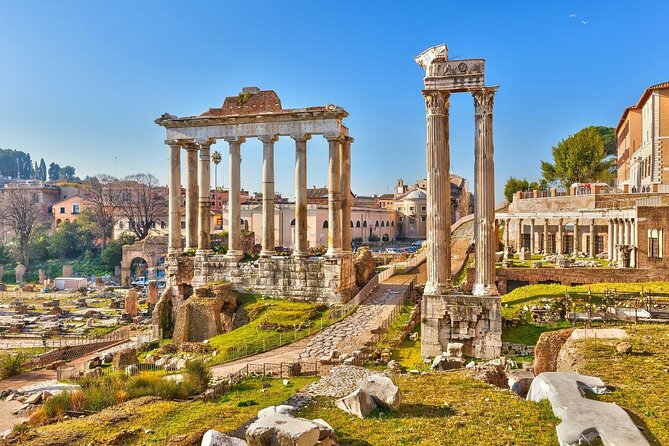
You meet up and start at Circo Massimo, the great chariot-racing stadium area. Your guide leads you in front of the monument and explains what you will see. Even if you have seen photos, it helps to stand in the right viewpoint and get oriented to the scale. It is one of those places where history feels more real once you understand what the space was for.
Tip for your photos: Look for angles that show the shape of the area, not just a single statue or wall. The “feel” of the stadium comes from the layout.
A few more Rome tours and experiences worth a look




Stop 2: Palatine Hill (10 minutes)
Next is Palatine Hill, another anchor of the Roman elite. Again, your guide leads from the front and talks through what you are looking at. Palatine is where you can sense Rome’s power story, because it is tied to the idea of who lived where and why.
This stop is short, so do not expect a full-site walkthrough. Instead, think of it as a guided orientation that helps you connect later Roman sights you might see on your own.
Stop 3: Mausoleo di Cecilia Metella and Castrum Caetani (15 minutes)
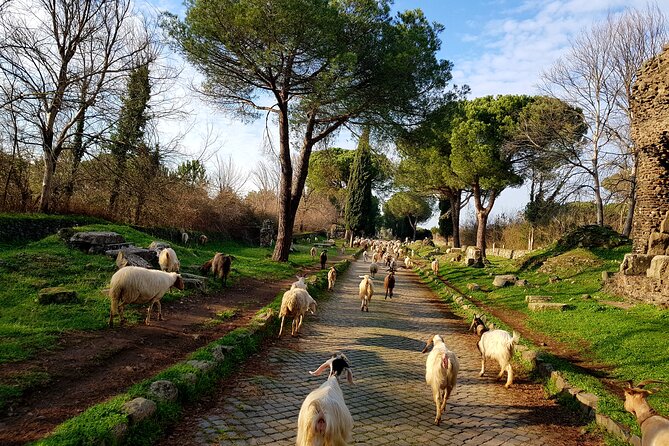
You then head into the Appia Antica Archaeological Park area, with a stop at the Mausoleo di Cecilia Metella and the Castrum Caetani zone. This is one of the best parts of the tour for atmosphere. The setting shifts from dense city energy into park space, and the old road starts to feel like a living route rather than an exhibit.
Here the guide explains what you will see while you take in the structures along the way. This is also the type of stop where your brain starts to connect the names to the physical environment, because the road you will ride next runs right through the same ancient system.
Stop 4: Catacombs of Saint Callixtus, outside viewing (15 minutes)
You get to the Catacombs of Saint Callixtus, but the visit is described as viewing from outside. Your guide leads you in front of the area and explains what you will see.
So, if you were hoping for an inside catacomb walkthrough, plan expectations accordingly. From outside, the value is context and orientation. You learn what these sites were and why they mattered, without losing time or pace to a deeper underground visit.
Stop 5: Parco degli Acquedotti in Appia Antica (20 minutes)
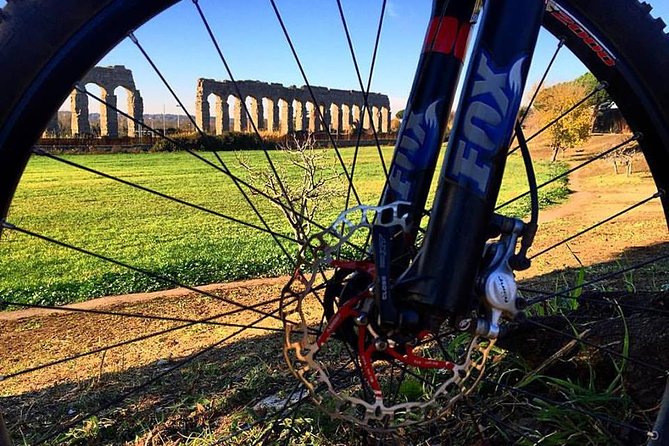
After that comes Parco degli Acquedotti, the park area tied to Rome’s aqueduct systems. This is a smart stop late in the route because it matches the mood of the day. You have been learning and riding, and the aqueduct zone gives you that “how did they build this?” reaction.
Your guide leads you in the park and explains what you will see. One detail I would watch for is any mention of how water still matters in the area. Some routes include pointing out water sources, and it makes the aqueduct story more tangible.
Final stretch: cycling along the ancient Appian Way
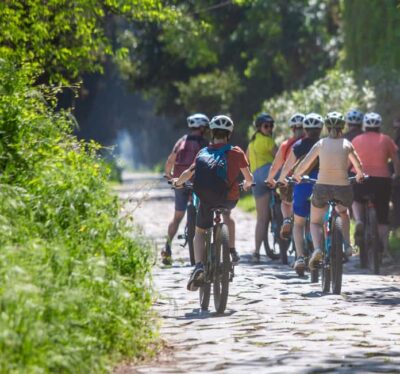
The tour ends with biking along the ancient Appian Way while your guide explains what you are seeing along the road. This is where the experience becomes more than a checklist.
If you like active travel, you will appreciate the rhythm: stop for guidance, ride for momentum, stop again to connect the story to the scenery.
E-bikes, helmets, and the real feel of the ancient road
This is the part that can make or break your day, even if you love history.
What is included (and what to confirm)
The tour includes use of an e-bike and use of a helmet, plus a local guide. That is great news because it removes a big decision from your planning.
That said, there is a practical note to keep in mind: electric bike details have been reported as confusing on the day for at least some departures. So if e-assist is a priority, I suggest you confirm at pickup that you have the electric version you expect, before you start riding. Bring your booking confirmation and be ready to ask direct questions.
Terrain reality check
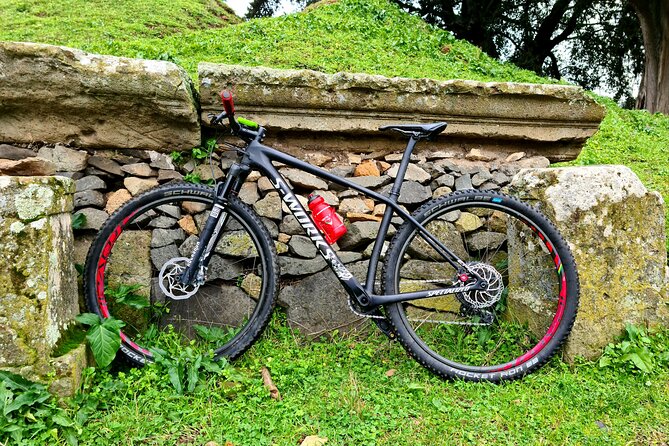
The terrain is not necessarily a mountain climb, but it can be rough. Think uneven ground and sections that can be harder to steer on than smooth asphalt.
One common theme is that the e-bike helps maintain forward momentum when the surface demands more effort. If you are not an experienced cyclist, the electric assist can reduce fatigue a lot.
Still, do not treat this as a pure beginner pedal party. Some narrow or busier road segments can require steady control. The best approach is to ride conservatively, follow the guide, and avoid trying to sprint between stops.
Helmets and safety mindset
Helmets are included, which I love because it is one less thing to worry about. Keep them on for the whole ride, not just when you feel uneasy. Safety here is mostly about staying predictable and not forcing tight turns while you are braking.
What you learn, and how it sticks
A good Rome guide does two things. They explain what you are seeing, and they help you understand why those objects were placed where they were.
This tour is built for that. It moves from major civic power spaces in central Rome into Appia Antica, then into the aqueduct park system. That arc matters. It shows Rome as both a city of spectacle and a city of infrastructure.
How the guide timing helps
Each stop is short, usually 10 to 20 minutes. That structure pushes you to listen for the “main points” instead of getting lost in details. You leave with a mental map: racing and politics early on, then ancient roadside life and engineering as you ride out.
A note on guide conduct
A word of caution, because it came up in the provided feedback. One instance described the guide’s commentary drifting into antisemitic territory, which is not acceptable. If respectful, inclusive storytelling is important to you, trust your instincts. If anything like that comes up, speak up right away or consider stepping back from the group until the tone changes.
Price and value for a 4-hour active Roman history fix
At $90.22 per person for about four hours, you are paying for several things at once: a local guide, bike use, and helmet use. You are also paying for convenience, because the tour format is structured and ends back at the start.
The value question is really about your comfort level with cycling and your interest in the specific set of sights:
- If you want to cover Circo Massimo, Palatine Hill, and Appia Antica-style stops in one compact window, this is efficient.
- If you care about the active component, biking along the Appian Way is the main reason to book.
- If you are worried about e-bike details, clarify them early so there are no surprises.
Also, group discounts are mentioned, and the tour is usually booked about 30 days in advance on average. That signals solid demand, but it also means you can plan ahead if you want the best chance at your preferred departure time.
Food is not included, so budget for it
Food and drinks are not included. That matters because a longer ride without a snack can turn a great day into an energy-management task.
My practical suggestion: carry a small snack that you can eat in under five minutes, plus water. Even with breaks, you will feel better if you are not relying only on the timing of rest stops.
Meeting point, timing, and how to avoid a shaky start
The tour meets at BigaBike – Rent Scooter Rome, Via di S. Calisto, 9, 00153 Roma RM, Italy. It ends back at the same meeting point.
It is near public transportation, which helps if you are mixing this with other Rome plans. Dress code is smart casual, and the tour operates in all weather conditions, so you should dress for rain or heat as needed.
What can go wrong (and how to protect yourself)
A couple of operational issues have been described, including late guide timing and confusion about bike availability at the starting shop. You cannot control that fully, but you can reduce the impact by doing two things:
- Arrive a bit early, so you have buffer time for bike fitting and instructions.
- Confirm e-bike setup at the start, so you are not troubleshooting while the group is ready to leave.
If you are sensitive to delays, plan a flexible half-day around it.
Who this tour is for, and who should skip it
Book it if you want…
- A Rome tour with movement, not just standing around.
- A guided path through Circo Massimo, Palatine Hill, and the Appia Antica area.
- An active option that can feel peaceful once you leave the core city.
Think twice if…
- You want a fully leisurely ride on smooth paths only.
- You are very new to bike handling and do not feel comfortable on rougher ground.
- You want guaranteed inside catacomb access, because this stop is described as viewing from outside.
Age and group fit
Minimum age is 8, and children must be accompanied by an adult. The maximum group size is 10, so it tends to be more manageable than big-van tours.
Should you book the Ancient Appian Way e-bike tour?
I would book it if you want the kind of Rome day that changes pace. The Appian Way segment is the big payoff, especially if you like active travel and you enjoy learning as you move. The combination of major city landmarks, Appia Antica parks, and aqueduct area stops gives you a strong hit of Roman story in one afternoon.
I would pause and do one extra check before booking if any of these apply to you: you rely on e-bike assist, you are a nervous rider, or you care a lot about inclusive, respectful narration. Confirm your bike setup at pickup, arrive early, and bring a snack so your energy stays steady.
If those boxes look good, this is a smart way to get out of the hustle and feel Rome’s ancient infrastructure up close.
FAQ
How long is the Ancient Appian Way and Roman Countryside E-bike tour?
The tour lasts about 4 hours.
How much does the tour cost?
The price is $90.22 per person.
Where does the tour start and where does it end?
It starts at BigaBike – Rent Scooter Rome, Via di S. Calisto, 9, 00153 Roma RM, Italy, and it ends back at the meeting point.
What is included in the tour price?
Included are a local guide, use of an e-bike, and use of a helmet.
Is food provided?
No. Food and drinks are not included.
What sights do you stop at during the ride?
You stop at Circo Massimo, Palatine Hill, Mausoleo di Cecilia Metella and Castrum Caetani in the Appia Antica Archaeological Park, view the Catacombs of Saint Callixtus from outside, and visit Parco degli Acquedotti in the Appia Antica area.
Are catacombs visited inside?
The catacombs stop is described as an outside view with the guide explaining what you will see.
What should I wear and what weather should I plan for?
Dress code is smart casual. The tour operates in all weather conditions, so dress appropriately for the conditions.
What is the minimum age and are children allowed?
The minimum age is 8, and children must be accompanied by an adult.
What is the cancellation policy if weather changes?
There is free cancellation, and if the experience is canceled due to poor weather, you will be offered a different date or a full refund.
More Cycling Tours in Rome
More Tours in Rome






More Tour Reviews in Rome

Not for you? Here's more nearby things to do in Rome we have reviewed












Ancient Rome Tours, compared.
 ★ 4.7Colosseum: Underground and Ancient Rome TourFrom $16012,691 reviews
 ★ 4.4Colosseum, Ancient Rome Tour or Self AudioGuided TourFrom $392,866 reviews
 ★ 4.9Appian Way, Catacombs, & Roman Aqueducts E-bike TourFrom $851,421 reviews
 ★ 4.9Appian Way E-bike Tour with Catacombs, Aqueducts & FoodFrom $961,210 reviews
 ★ 5.0Appian Way Aqueducts Bike Tour (Catacombs & Lunch Option)From $78975 reviews
 ★ 4.7Appian Way, Aqueducts, and Catacombs TourFrom $64942 reviews
 ★ 4.7Caracalla Baths & Circus Maximus — Private or SharedFrom $77835 reviews
 ★ 4.7Colosseum Arena Access and Ancient Rome Guided TourFrom $94774 reviews
Browse the lists this tour appears in