
Reviewed · SKIP THE LINE
Rome Skip-the-Line Shared or Private Tour Castel Sant’Angelo
A tomb, a fortress, and a view. Castel Sant’Angelo is one of Rome’s best “spot the story” places, and this 75-minute tour helps you connect the dots fast. You’ll see Hadrian’s Mausoleum evolve into a papal stronghold, with guided stops that also cover what’s going on outside on the Ponte Sant’Angelo statues and bridge setting.
What I like here is how much you get for the time: you get skip-the-line entry so you do not waste your morning in a queue, and you end on the upper terrace viewpoint with fresh air and big panoramas. Inside, the guide points out the kinds of details most self-guided visits miss, including papal rooms, corridors, and the Gran Loggia of Paul III.
One heads-up: the tour focuses on the castle and its links to the Vatican, but access to the Passetto di Borgo is not included, so you will not do that specific walkway. If you were hoping for the full Vatican-connected passage experience, you’ll need a different option for that.
Key highlights to expect
- Skip-the-line entry so you spend your time inside, not in lines
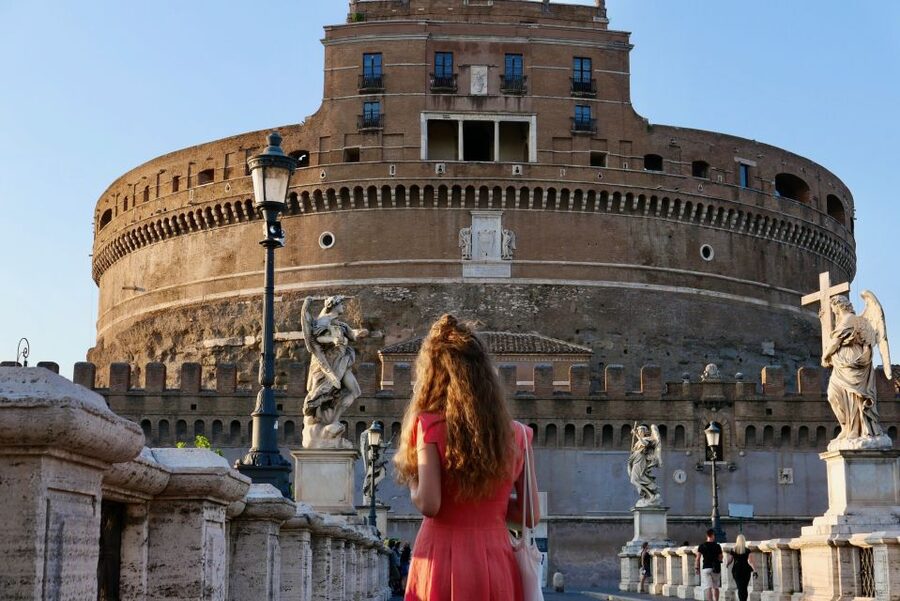
- Ponte Sant’Angelo context for the bridge statues and what they mean
- Hadrian’s tomb plus papal corridors and rooms, explained clearly
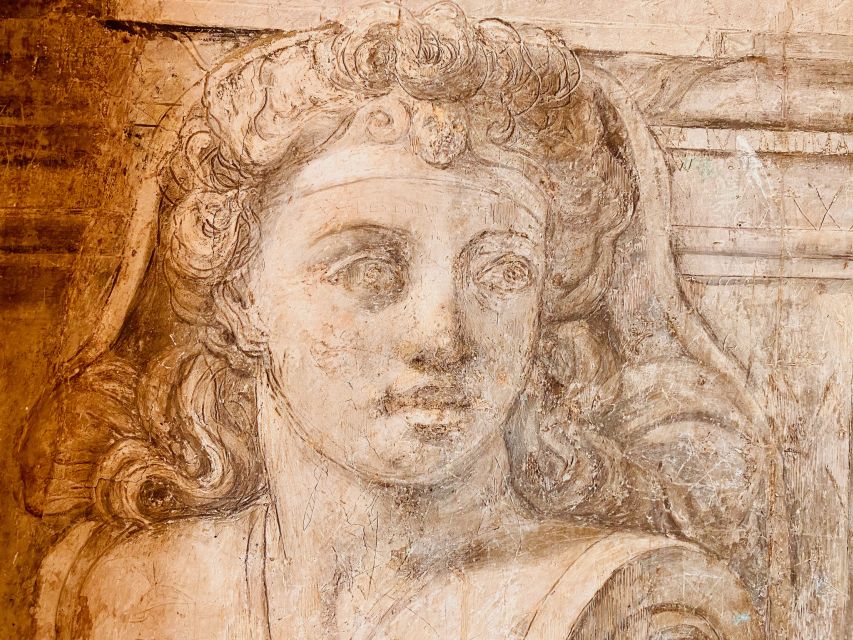
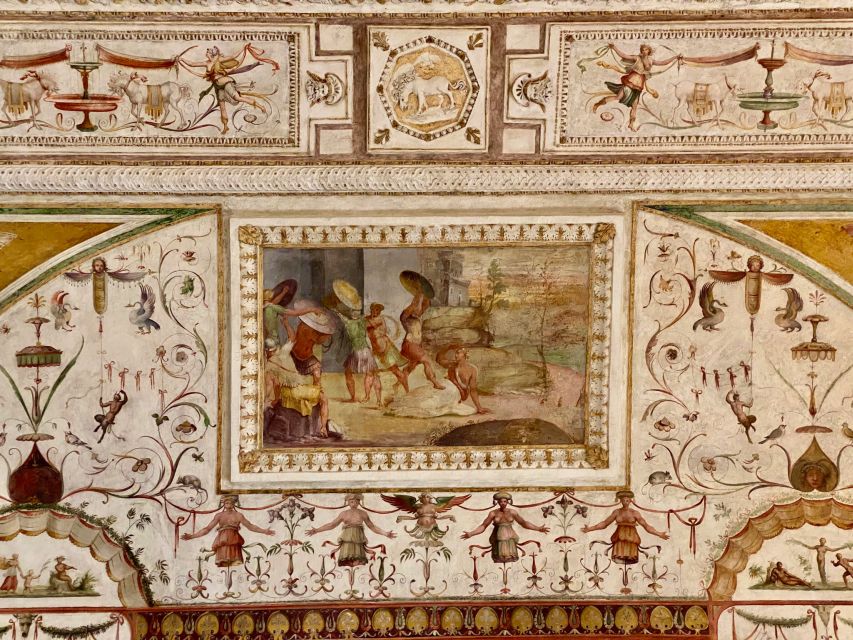
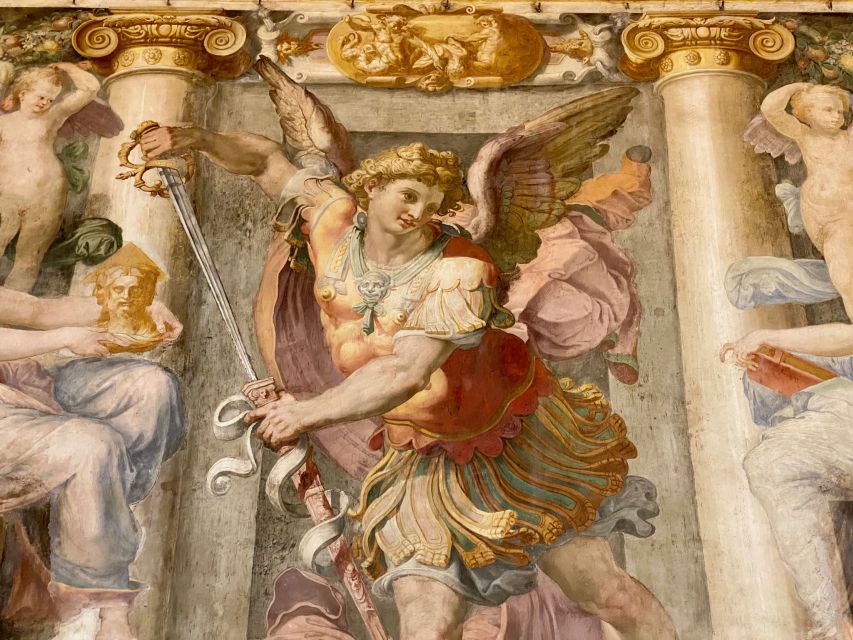
- Fresco details like grotesque motifs and illusion-style trompe-l’oeil painting
- Gran Loggia of Paul III and the castle spaces tied to later Roman power
- Upper terrace finish for one of Rome’s standout views
Why Castel Sant’Angelo feels different from most Roman sites
Castel Sant’Angelo is not just another ancient ruin you circle and move on from. It’s a building that kept changing jobs, and the tour is built to make those shifts make sense. You start with its identity as Hadrian’s Mausoleum, the dynastic resting place for an emperor, and you carry that story forward into its later role as a papal fortress. When you hear that timeline out loud, the interior stops feel connected instead of random room-hopping.
The best part is that the tour doesn’t treat the castle like a museum display. It treats it like a working system: entrances, corridors, rooms, and the way power moved through space. You’ll also learn how the city and the Vatican tie into the castle’s design, including the idea of a passage linking the two. Just remember, the walking access to Passetto di Borgo is not part of this tour.
If you like Rome when it’s a little darker and more symbolic, this is a strong fit. You’ll spend less time on generic background and more time on specific visual clues, like frescoes and statues, and how they were used to communicate authority, fear, and faith.
You can also read our reviews of more private tours in Rome


Ponte Sant’Angelo stop: the bridge setting you should not ignore
The itinerary begins at the castle and then includes a quick, guided stop at Ponte Sant’Angelo for about 15 minutes. That matters more than you might think. The bridge statues and their relationship to the castle create the right first impression, so Castel Sant’Angelo does not feel like it appears out of nowhere.
Even in a short stop, this is a good way to get bearings. You learn what to notice as you look from the bridge toward the fortress walls, and you get a sense of why this route mattered when travel between the city and the Vatican was more about controlled access than casual wandering. This is also where the tour helps you build a mental map for the castle interior, since you are about to move from the exterior story into the interior one.
The drawback? Because it’s only about 15 minutes, you won’t get a long, art-history style explanation of every bridge element. But you’re not paying for a bridge-only tour. You’re paying to use the bridge as a fast entry point into the castle’s bigger meaning.
Meeting at the entrance by the bridge, and how the tour keeps you on track
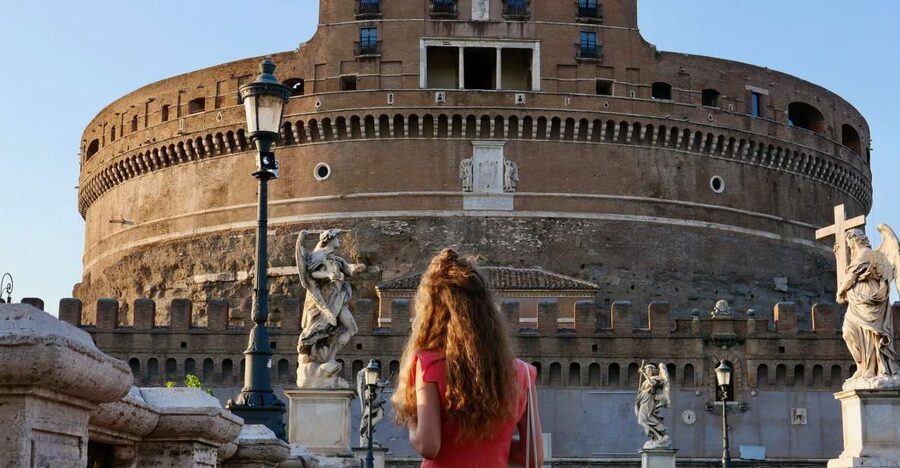
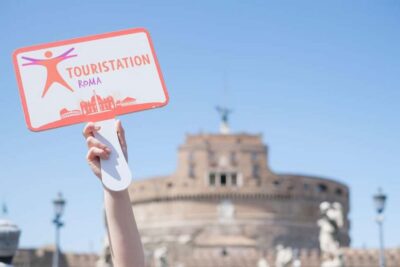
You meet your guide in front of the entrance of Castel Sant’Angelo by the bridge. Look for a staff member holding a yellow Touriks sign. It’s a practical setup, because the meeting spot is obvious once you know the cue, and you are already standing where you need to be.
Once you’re grouped up, the tour uses sterilized headsets. In busy Rome, that’s huge. You do not have to lean in close to hear the guide when you’re surrounded by other visitors, and your brain stays focused on the visuals instead of hunting for volume. It also helps if you’re traveling with friends who want different paces, because the guide’s narrative stays clear even when you pause to look.
The tour runs about 75 minutes total, so you’re moving through the experience with momentum. This is not a long crawl through every corner of the fortress. It’s a guided “greatest hits with context” plan, which is exactly what you want if your schedule is tight.
Inside Hadrian’s mausoleum: where the first story clicks
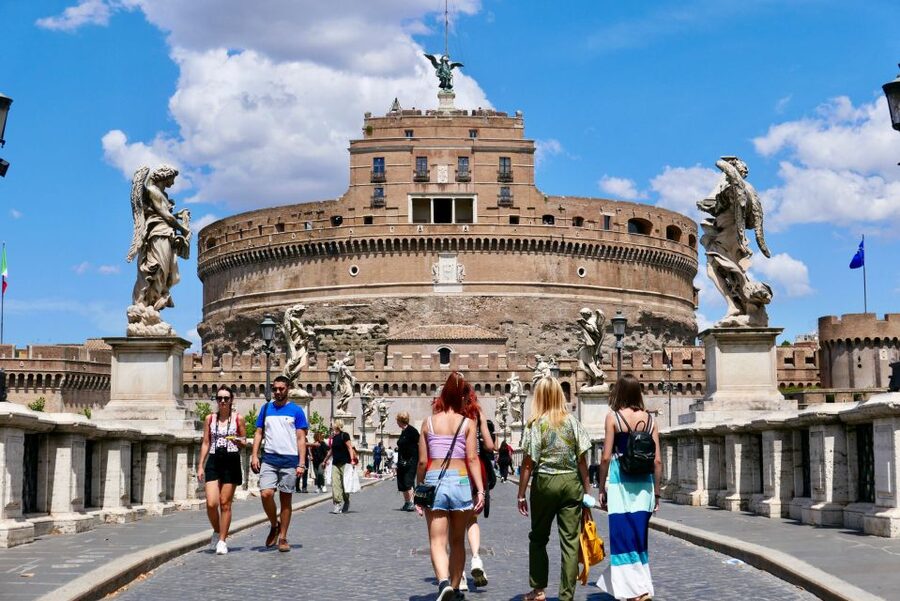
After the bridge context, you go into Castel Sant’Angelo for about an hour of guided time. The core start point is the mausoleum layer tied to Emperor Hadrian. The castle may look like a fortress from the outside, but inside you get the earlier identity as a dynastic tomb, and the guide helps you understand how that original function shaped the spaces.
This is where you’ll likely appreciate the structure of the tour most. You’re not just walking past walls. You’re being told what the building used to be, what it later became, and how you can spot those different purposes as you move. That turns a maze-like interior into something you can follow.
One practical tip: wear comfortable shoes and plan for uneven surfaces and stairs in parts. The tour is described as partially wheelchair-accessible, which means some areas may work better than others. Even without a mobility limitation, comfortable footwear will make the pacing feel easier, since the tour is tight in time.
Papal corridors and rooms: the castle as a power machine
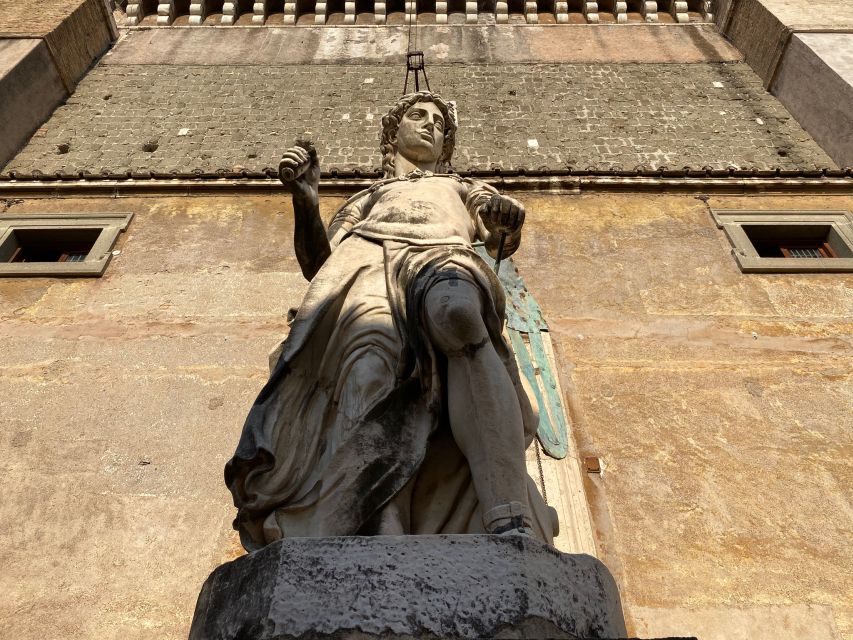
Once you’re past the mausoleum foundation, the tour shifts into the papal era. You walk through papal corridors and rooms, with the guide explaining what these spaces were for and why they were important when the castle became more than a tomb.
This section is where Castel Sant’Angelo stops being “ancient” in your head and becomes “Rome in layers.” You see how later rulers used the existing bones of the building, then shaped movement and symbolism. The guide also brings attention to key areas like the Gran Loggia of Paul III, a specific highlight inside this papal complex.
If you like art and architecture but do not want to study every term yourself, this tour style helps. You’ll get a human explanation of the spaces, what to notice, and how the visuals tie to the story being told. And because the tour has a short total runtime, you’re less likely to get exhausted by decision-making about where to go next.
A few more Rome tours and experiences worth a look
- Skip-the-Line Group Tour of the Vatican, Sistine Chapel & St. Peter’s Basilica
★ 4.5 · 12,779 reviews

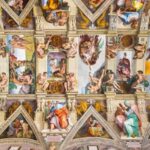



Frescoes, grotesques, and trompe-l’oeil tricks
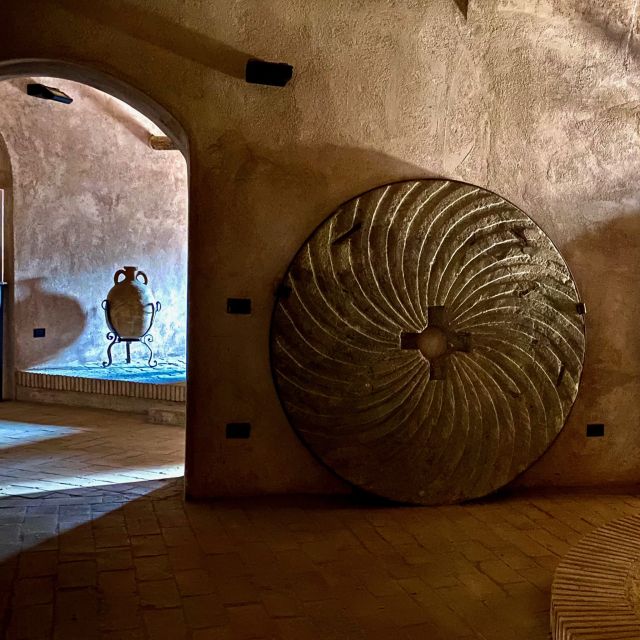
One of the most fun parts is the way the guide handles the more visual, eerie side of the castle. You’ll hear about grotesque motifs and illusion-style trompe-l’oeil painting. Even if you’re not a trained art person, these are the kinds of details that become memorable once someone points them out clearly.
Trompe-l’oeil matters because it makes the space feel like it’s playing with your expectations. You look at a surface and suddenly the guide gives you the reason it was designed that way, what it would communicate, and why it would work on people in the time when you could not scroll past imagery. The grotesques add a darker layer, which fits Castel Sant’Angelo’s reputation for symbolism and drama.
It’s also a reminder that Rome isn’t just marble and sunlight. It’s corridors, images meant to influence emotion, and stories about authority that show up in paint as well as stone.
The Vatican link: what you learn about Passetto di Borgo
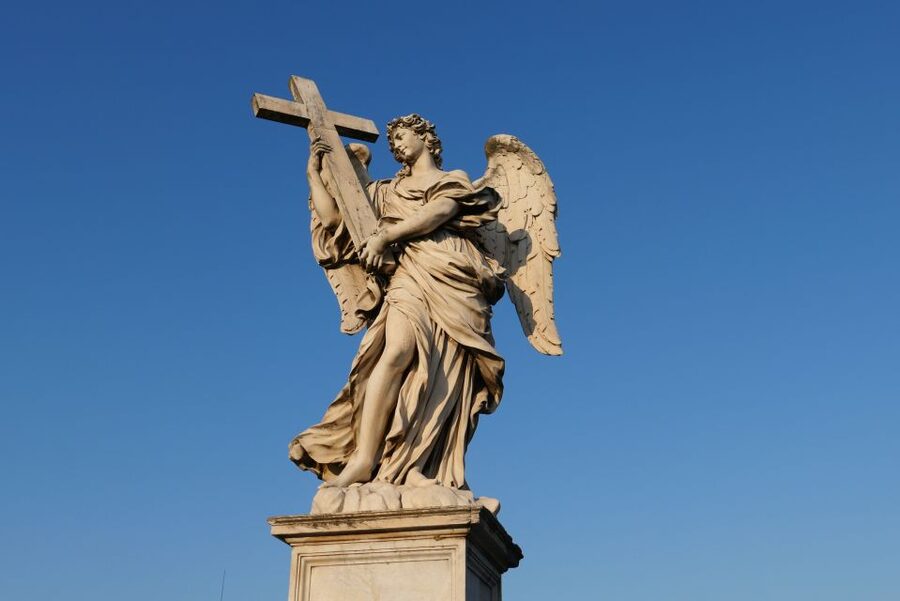
This tour includes the story and symbolism behind the connection to the Vatican, including the idea of a secret passage. But here’s the clear boundary: access to the Passetto di Borgo is not included. That means you should not plan for a walk through that specific passage.
Still, the way the guide explains the link can be valuable even without walking it. It helps you understand why the castle’s location and internal planning mattered, and why a passage concept exists at all. You’ll come away knowing what the Passetto di Borgo is and why people talk about it in relation to Castel Sant’Angelo, even though you are not taking that route physically on this tour.
So if you only have one chance for this area and you want the castle itself, this option works well. If your priority is explicitly the passage walk, you’ll want to choose a tour that includes that access.
Ending on the upper terrace: your payoff for the climb
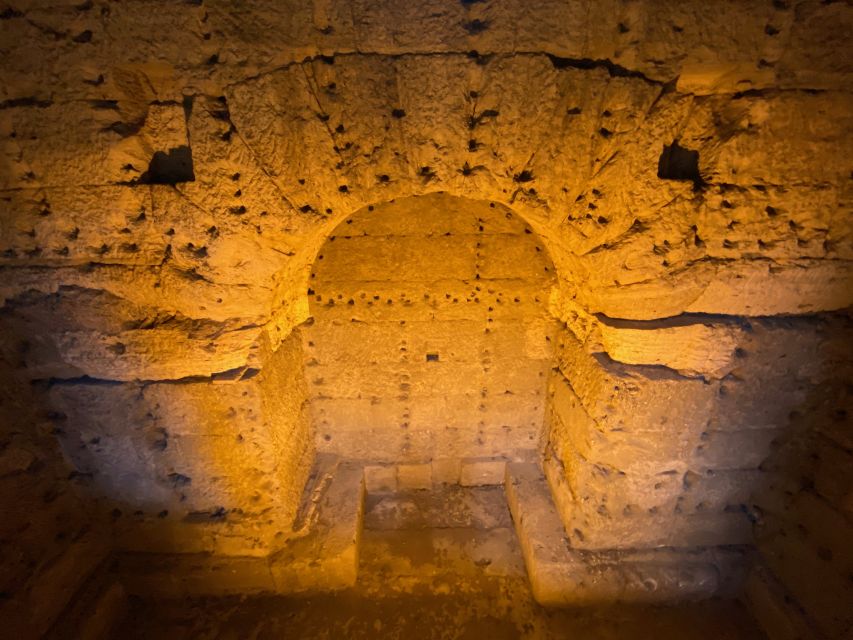
The tour finishes at the upper terrace, and that’s a smart move. After walking through corridors and rooms, the terrace gives you fresh air and a change of pace, plus some of the best panoramic views of Rome from this area.
This finish also helps the narrative stick. Looking out over the city makes the castle’s position feel real. It stops the tour from feeling like you only experienced rooms. Instead, you get the outdoor context that explains why this spot mattered for centuries.
If you time your viewing well, you’ll get a calmer moment to look around before you blend back into the crowd flow. Bring your camera and plan for a few minutes of slow looking, not just quick snaps.
Tour pace and guide quality: what makes it worth the ticket
The tour is rated highly, and the guide quality is a big part of why. On this type of small-group experience, the guide makes the difference between seeing walls and understanding what you’re looking at. Names that have stood out include Sara, Rosy, and Stephanie, and the common thread in their feedback is clarity, friendly pacing, and keeping the tour interesting without rushing.
What you should expect from a guide here is more than facts. You want someone who can point out why the castle changed roles, how visual themes tie to power, and what to notice in the corridors and frescoed spaces. The included sterilized headsets support that, since you can actually hear the narration while you look.
As for timing, the total duration is about 75 minutes. That’s a practical sweet spot for Castel Sant’Angelo: enough time to feel the building’s layers, not so much time that you feel trapped inside.
Price and value: is $78.17 per person a smart use of time?
At about $78.17 per person, you’re paying for three things: an expert guide, a skip-the-line entry ticket, and a tour structure that guides you through the highlights without you having to plan every turn. That can be great value if you hate lines and you want a clear route.
If you’re traveling on a tight schedule, skip-the-line entry is often the deciding factor. Rome sites can eat time fast. A guided plan that starts promptly and keeps you moving tends to feel worth the cost, even when you could technically buy tickets and walk in alone.
The tour also includes full on-site assistance and headsets, which can matter in a place where noise and crowding make it hard to hear explanations. If you’re someone who enjoys art and symbolism but does not want to spend your energy figuring out what to read, this price can be fair.
One caution: this is not a long, all-day deep study. If you want to read every plaque, linger for an hour in one room, and explore off-route, you may feel constrained. But for many visitors, that constraint is the point, because it turns a fortress into a focused experience instead of an overwhelming to-do list.
Who should book this Castel Sant’Angelo tour?
This is a strong choice for:
- First-time Rome visitors who want a guided plan that covers major interior sections quickly
- People who care about symbolism and storytelling, not just photos
- Travelers who value skip-the-line time savings and clear narration
- Couples and small groups who prefer a calmer pace than wandering without guidance
You might look elsewhere if:
- You specifically want Passetto di Borgo access and the chance to walk it
- You need a fully accessible route without any stairs or uneven areas, since access is only described as partially wheelchair-accessible
- You want a very long visit at your own pace without a timed itinerary
Should you book this Castel Sant’Angelo tour?
I think you should book it if you want the castle’s “tomb to fortress” story explained clearly, and you want to finish with real views rather than ending mid-walk. The combination of skip-the-line entry, headsets, and guided stops like Ponte Sant’Angelo, papal corridors, and the upper terrace makes it a practical use of time.
But if Passetto di Borgo is your must-do, treat this as the plan for Castel Sant’Angelo itself, not the Vatican passage experience. Pick this tour for the castle layers. Pick a different option for the passage.
FAQ
How long is the Rome Skip-the-Line Shared or Private Tour Castel Sant’Angelo?
The tour duration is 75 minutes.
Where do we meet the guide?
Meet your guide in front of the entrance of Castel Sant’Angelo by the bridge. Look for a member of staff holding a yellow Touriks sign.
Is skip-the-line entry included?
Yes. The tour includes skip-the-line entry ticket access to Castel Sant’Angelo.
Which languages are offered for the live guide?
The live tour guide is offered in German, French, English, Italian, Portuguese, and Spanish.
Does the tour include access to Passetto di Borgo?
No. Access to the Passetto di Borgo, the passage connecting Vatican City to Castel Sant’Angelo, is not included in this tour.
What are the main stops during the itinerary?
You’ll have a guided stop at Ponte Sant’Angelo (about 15 minutes), then a guided tour inside Castel Sant’Angelo (about 1 hour), and the tour ends back at the meeting point.
What is included in the ticket price?
Included are a live expert guide, skip-the-line entry ticket, sterilized headsets to hear the guide clearly, and full on-site assistance.
Is food and hotel pickup included?
No. Food and drinks are not included, and hotel pickup and drop-off are not included.
What should I bring, and what is not allowed?
Bring a passport or ID card and comfortable shoes. Weapons or sharp objects, food and drinks, and alcohol and drugs are not allowed.
More Private Tours in Rome

More Tours in Rome


More Tour Reviews in Rome
Not for you? Here's more nearby things to do in Rome we have reviewed







Skip the Line, compared.
 ★ 4.4Vatican Museums & Sistine Chapel Skip-the-Line Entry TicketFrom $4313,838 reviews
 ★ 4.5Skip-the-Line Group Tour of the Vatican, Sistine Chapel & St. Peter’s BasilicaFrom $3012,779 reviews
 ★ 4.2Vatican Museums & Sistine Chapel Skip-The-Line TicketFrom $4111,708 reviews
 ★ 4.5Vatican, Sistine Chapel & St. Peter’s Skip-the-Line TourFrom $587,770 reviews
 ★ 4.2Vatican: Vatican Museums Sistine Chapel Skip-the-Line TicketFrom $716,682 reviews
 ★ 4.4Castel Sant’Angelo Skip-the-Line Ticket & Audio GuideFrom $203,500 reviews
 ★ 4.4Castel Sant’Angelo Skip-the-Line TicketFrom $343,040 reviews
 ★ 4.8Borghese Gallery Guided Tour with Skip-the-Line EntryFrom $842,649 reviews