
Reviewed · MUSEUMS
Rome: Private Capitoline Museums Tour
Rome clicks into place fast. In a private 2.5-hour tour, you start in Capitoline Square designed by Michelangelo, then enter the city’s oldest European public antiquities collection, stopping for the She Wolf and the famous Marcus Aurelius before you enjoy the Roman Forum views from inside the museum.
The only real downside is logistics: this is not ideal for limited mobility, and the museum has one elevator that does not serve every level.
Highlights That Make This Capitoline Tour Worth Your Time
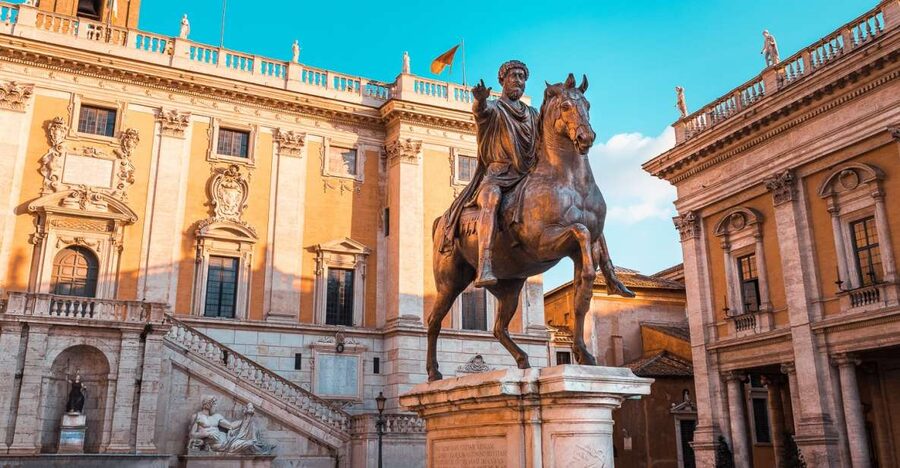
- Michelangelo’s Capitoline Square sets the mood before you even step into the museum
- Europe’s oldest public antiquities collection traces how Rome chose to display its past
- The She Wolf gives you the symbol of Rome in one unforgettable stop
- Marcus Aurelius Exedra plus the 2nd-century bronze helps you connect art to empire
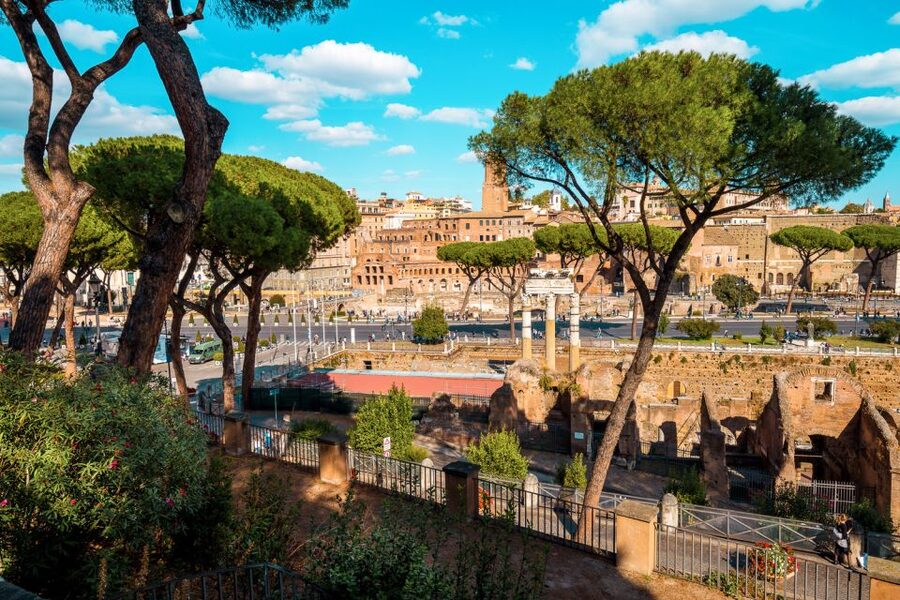
- Forum viewpoints inside the museum turn your last minutes into a big payoff
Meet Your Guide at Marcus Aurelius, Then Start in Michelangelo’s Square
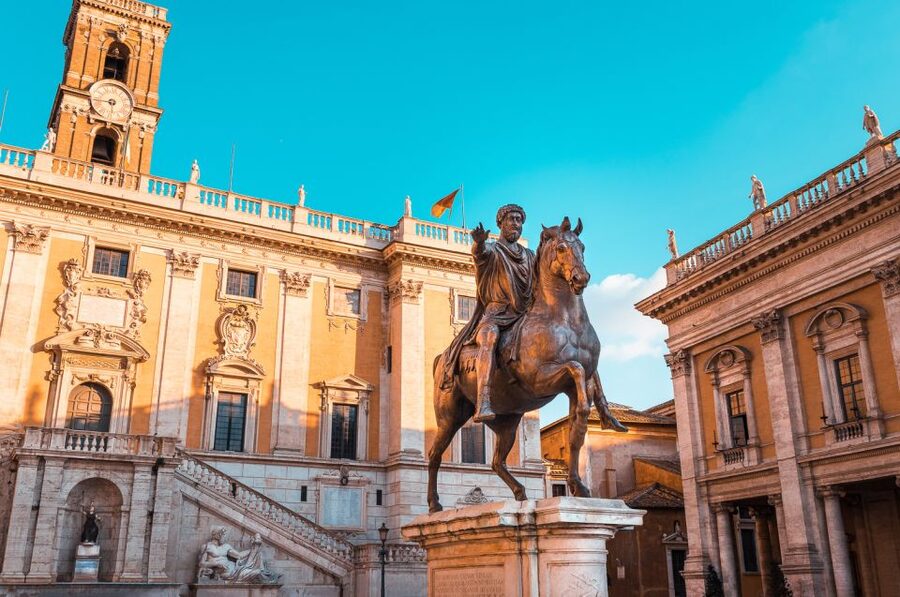
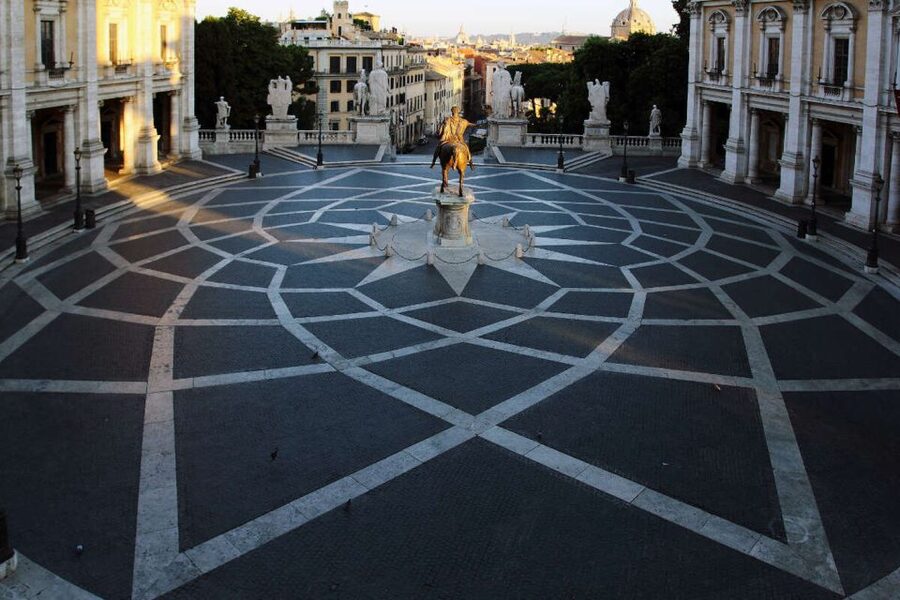
Your tour begins in the middle of Capitoline Square, right in front of the statue of Marcus Aurelius. Your guide meets you there holding a sign with your name and then issues your tickets. It is a simple setup, but it matters, because in Rome the trick is always finding the right entry point and not wasting the first 15 minutes.
From the start, you get to see why Capitoline Square is such a smart introduction. Designed by Michelangelo, it is more than just a pretty backdrop. The layout funnels your eyes toward key spaces and gives you a quick “map” of what Rome wants you to notice. Even if you know Rome only from photos, you’ll feel like your bearings click into place faster with a human guide pointing and explaining as you go.
And since this is a private tour, you can move at your pace. You are not stuck listening to a guide on the other side of a crowd while you try to read placards. You get the time and attention that help you see the details that make the collection feel alive.
You can also read our reviews of more private tours in Rome


Capitoline Museums: Europe’s Oldest Public Antiquities, in Plain English
Once you enter the museum, the tone shifts from street-level Rome to museum Rome. This collection is the oldest European public collection of antiquities, created at the end of the 15th century by Pope Sixtus IV. That is the headline. The practical value is what your guide does with it.
You’ll learn how the museum is meant to help the pieces of Roman history feel like they fit together. Instead of treating every statue as a random artifact, the tour links themes: Rome’s self-image, the meaning of emperors, and how later generations curated the past. That helps you stop asking, Now what am I looking at? You start understanding why these objects were kept, displayed, and placed where they are.
If you have only one museum day in central Rome, this is a strong pick because it is compact. In about 2.5 hours you hit the core highlights, while still getting enough context that you remember what you saw.
Capitoline Square to the She Wolf: The Symbol Stop You Shouldn’t Skip
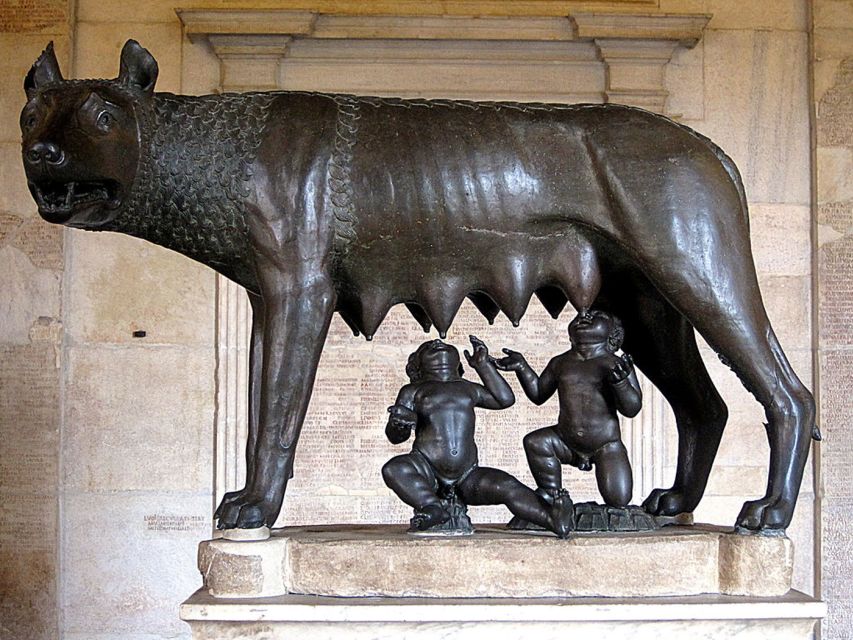
One of the biggest crowd magnets in the museum is the She Wolf. It is the symbol of Rome, and it works on two levels at once. First, it’s visually iconic, so you recognize it immediately. Second, your guide helps you understand why a wolf matters as an image, not just as a statue.
This is one of those stops where a guide really earns their fee. Without help, you might read the basic labels and move on. With help, you start connecting the symbol to the broader idea of Rome building an identity around its origins. The tour’s flow makes the She Wolf feel like the first page in a story, not an isolated object.
I especially like how the tour doesn’t rush you through it. The guide’s job here is to slow your brain down, so you notice how art, myth, and civic pride are braided together.
Marcus Aurelius Exedra: Why This Room Feels Like an Answer
After the She Wolf, the route brings you to the Marcus Aurelius Exedra. The exedra is a key stop because it anchors the tour around Marcus Aurelius as both an emperor and a symbol. You’ll see the bronze statue of Marcus Aurelius, and the timing is great because your brain is already primed to see connections, not just objects.
That bronze statue dates back to the 2nd century A.D. And yes, that matters. A lot of what you see in Rome is old, but this one becomes a kind of reference point. With your guide’s explanations, you start noticing how the museum uses placement and grouping to teach you how Romans wanted to remember their rulers.
This is also where the tour’s “private” format pays off. You can stand where you want, look longer, and ask simple questions without feeling like you are holding up a big group. In the reviews, guides like Vincenzo (Vincent) are praised for steering people to the real highlights, and that focus is exactly what you feel when the route keeps moving but still makes time for key stops.
The Ancient Temple of Jupiter Ruins, and the Museum-to-Street Shift
Next you’ll be shown the archaeological ruins of the ancient Capitoline Temple of Jupiter. This stop is important because it shifts you from statues and marble to something more architectural and grounded.
Ruins can feel like a side note if you only look quickly. In this tour, the guide helps you understand why it is included: it connects the museum’s collection back to the place and the civic space where power was acted out in real life. You’re not just looking at Rome, you’re tracing Rome.
If you like when a tour changes gears, this is a good moment. It breaks the museum rhythm and adds a sense of depth, like you’re finally stepping onto the original stage.
You can also read our reviews of more museum experiences in Rome




End With Roman Forum Views From Inside the Museum
The finale is one of the most practical and satisfying parts. You get incredible views over the Roman Forum from the museum. That matters because the Forum is one of those places that feels chaotic from street level. From above, it becomes readable.
Even if you’ve walked past the Forum before, these museum viewpoints give you a cleaner “big picture.” You can see why the Roman Forum is laid out the way it is, and you start spotting spaces you’ve heard about. Your guide’s context helps, but the view does the heavy lifting too.
This is a great ending because it turns the time investment into a memory with visual punch. It is not just, You saw statues. It is, You walked through Rome’s storyline and then got the panoramic payoff.
Why the Guide Makes a Bigger Difference Here Than in Some Museums
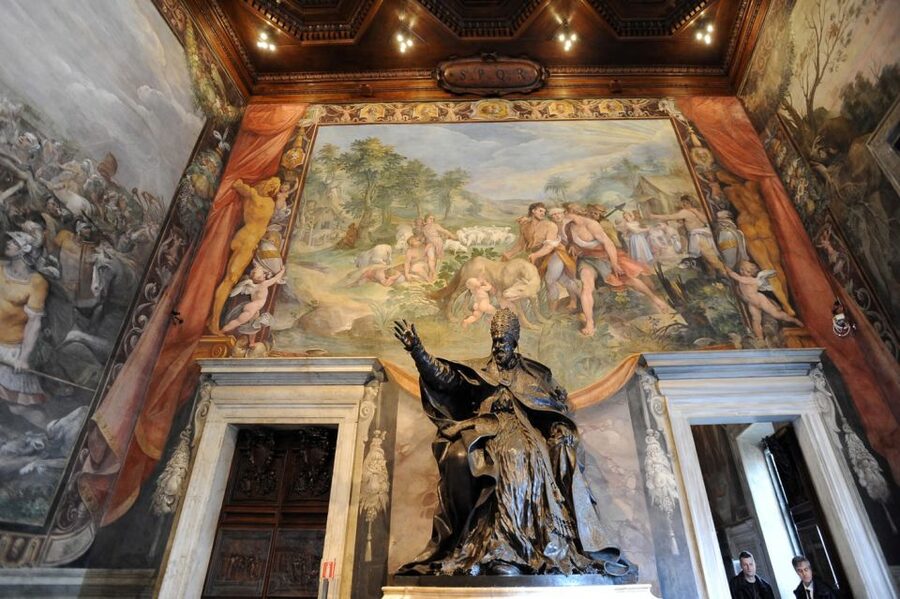
In a place like the Capitoline Museums, a guide is not just extra commentary. It is the difference between collecting facts and understanding why the collection is arranged and themed the way it is.
The reviews highlight that guides such as Martina and Vincenzo (Vincent) bring high energy and enthusiasm, with explanations that add context fast. You’ll feel that in how they connect stops. Instead of repeating generic museum talking points, the tour emphasizes the standout pieces and tells you what each one contributes to the overall picture.
It is also a relief that the tour is private. You can focus. You can ask follow-up questions without the “hurry up” pressure. And your guide can tailor the pacing so you do not spend the middle of the tour feeling tired and stuck.
What a Typical 2.5-Hour Route Feels Like
Here is the rhythm you can expect:
You start outside on Capitoline Square, walk into the museum, and move through the highlights in a logical order. You’ll hit the symbol of Rome (the She Wolf), then move to the Marcus Aurelius area, including the exedra and the famous bronze. After that, you shift to the temple ruins, and you finish with the Roman Forum viewpoints inside the museum.
The tour duration is 2.5 hours. That is long enough to feel like you covered the essentials without being a full day commitment. It is also short enough that you can pair it with other central sights after, instead of planning your whole schedule around museum time.
And it runs rain or shine. So you can plan with confidence that your day does not fall apart if the weather shifts.
Price and Value: Getting Tickets and a Private Guide for $135.94
At $135.94 per person, this is not a budget experience. The value question is straightforward: what do you get for that money?
You get:
- Tickets
- A professional local guide
- A private tour
You do not get:
- Hotel pickup and drop-off
- Private transportation
- Food and drinks
For me, the value comes from avoiding the two biggest Rome museum headaches. First, you avoid wasting time figuring out the best route through a dense collection. Second, you avoid standing in front of major objects with only a label to guide you.
If you are the type of traveler who likes to look first, read second, and ask questions when something catches your eye, this tour is a good fit. If you prefer self-guided visits and you already know exactly what you want to see, you might be able to do it for less. But then you lose the story glue that makes the museum feel like one connected experience.
Practical Stuff to Know Before You Go
A few details will make your visit smoother.
- The tour is private and the guide leads in English or Italian.
- Luggage or large bags are not allowed.
- Video recording is not allowed.
- Mobility note: this tour is not recommended for people with limited mobility or wheelchair users. The museum has one elevator, but it does not serve all levels.
Meeting logistics are also simple. You start at the statue of Marcus Aurelius in the middle of the square. The guide holds a sign with your name, and you get your tickets on the spot. The tour ends back at the meeting point.
If you carry a small day bag, you’ll likely be fine, but keep it lean to avoid problems with museum rules. And if you need time to rest, plan it into your day because this is still a museum visit with walking and indoor stairs.
Who This Tour Suits Best
This tour fits best if you want a guided highlights route that still feels meaningful. It’s especially good for:
- First-time visitors who want the “why” behind the artifacts
- People who want a museum route that does not turn into a maze
- Travelers who like emperors and Roman symbolism, from the She Wolf to Marcus Aurelius
- Anyone who wants the Forum viewpoint payoff without spending half the day hunting viewpoints
It is less ideal if you use a wheelchair or have limited mobility, since the tour is not recommended for those situations and not all levels are served by the elevator.
Should You Book the Rome Private Capitoline Museums Tour?
Book it if you want to see the top pieces, understand how they connect, and finish with Roman Forum views in a short, focused 2.5-hour window. The private format and ticket inclusion make it efficient, and the strong guide quality, with standout names like Vincenzo (Vincent) and Martina in the mix, is exactly what turns this museum into more than a checklist.
Skip or reconsider if mobility is an issue for you, or if you strongly prefer self-guided museum time. In that case, you might not enjoy the route and layout constraints.
If your goal is a smart first Capitoline visit with real context and a satisfying view at the end, this one is a solid yes.
FAQ
How long is the Rome Private Capitoline Museums Tour?
The tour lasts 2.5 hours.
Where do we meet the guide?
Meet your guide in front of the statue of Marcus Aurelius in the middle of Capitoline Square. The guide will hold a sign with your name and issue your tickets.
What is the tour actually included?
It includes tickets, a professional local guide, and a private tour.
What is not included?
Hotel pickup and drop-off, private transportation, and food and drinks are not included.
What languages is the guide available in?
The live tour guide is available in English and Italian.
Is video recording allowed?
No, video recording is not allowed.
Is there a place to store luggage or large bags?
No, luggage or large bags are not allowed.
What accessibility limitations should I know about?
This tour is not recommended for people with limited mobility, and it is not suitable for wheelchair users. The museum has one elevator, but it does not serve all levels.
Does the tour run in bad weather?
Yes, it takes place rain or shine.
How do starting times work?
Starting times depend on availability, so you’ll need to check what’s offered for your preferred day.
More Private Tours in Rome

More Tours in Rome



More Tour Reviews in Rome

Not for you? Here's more nearby things to do in Rome we have reviewed












Museums, compared.
 ★ 4.5Vatican: Museums & Sistine Chapel Entrance TicketFrom $38144,003 reviews
 ★ 4.3Vatican Museums & Sistine Chapel Tour with Optional BasilicaFrom $7967,413 reviews
 ★ 4.5Vatican Museums, Sistine Chapel & St Peter’s Basilica Guided TourFrom $2239,149 reviews
 ★ 4.3Vatican Museums, Sistine Chapel & Basilica TourFrom $13013,872 reviews
 ★ 4.4Vatican Museums & Sistine Chapel Skip-the-Line Entry TicketFrom $4313,838 reviews
★ 4.7Vatican Museums, Sistine Chapel & Basilica TourFrom $7213,217 reviews
Vatican Museums & Sistine Chapel Guided TourFrom $11812,117 reviews
 ★ 4.2Vatican Museums & Sistine Chapel Skip-The-Line TicketFrom $4111,708 reviews