
Reviewed · DINNER EXPERIENCES
Rome: Lunch or Dinner with typical Roman Dishes
A Roman dinner with real choices starts fast. This 2-hour meal in the old Jewish Quarter pairs Jewish-style artichoke flavors with classic Roman pasta, served with a small-group setup (up to 10 people) so the vibe stays personal. It is not a long walking tour, but it is a focused, easy way to taste the city.
The main possible catch is that this experience centers on food more than guiding. If you want a lot of roaming explanation, big group energy, or constant interaction with a host, you may find it more of a straightforward meal than a true social tour.
Key things to know before you book
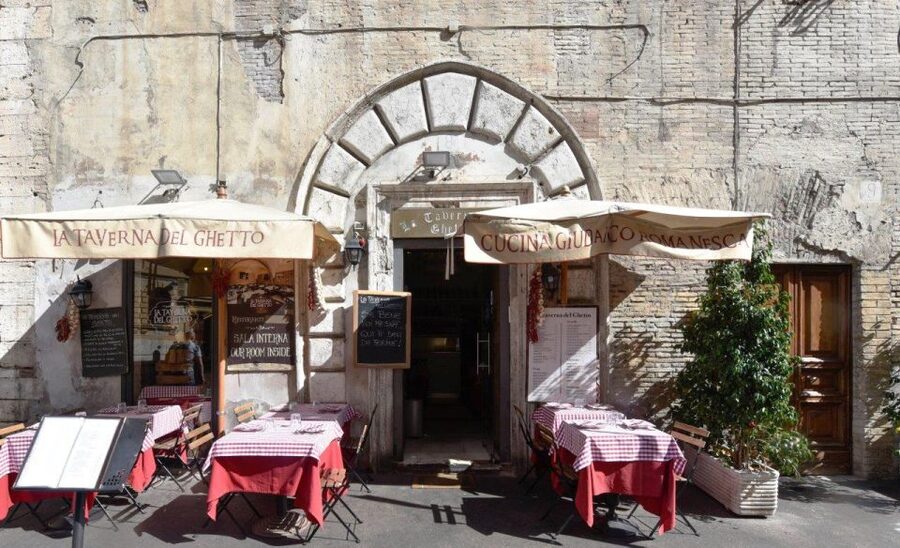
- La Taverna del Ghetto is the meeting point, inside the old Jewish Quarter area.
- 3 courses in 2 hours means you eat, choose, and finish without a slow pace.
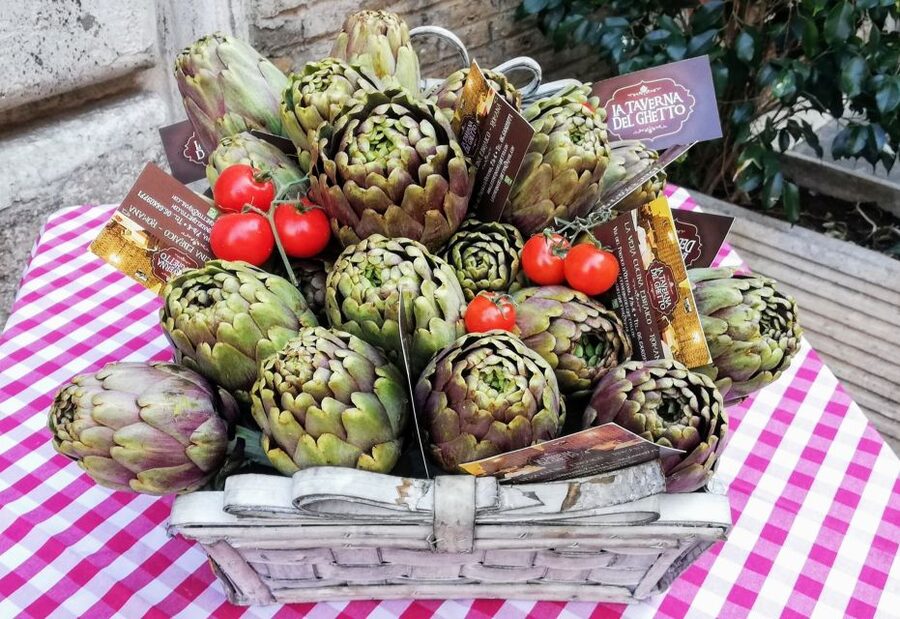
- Jewish-style artichoke shows up more than once, including as an appetizer option.
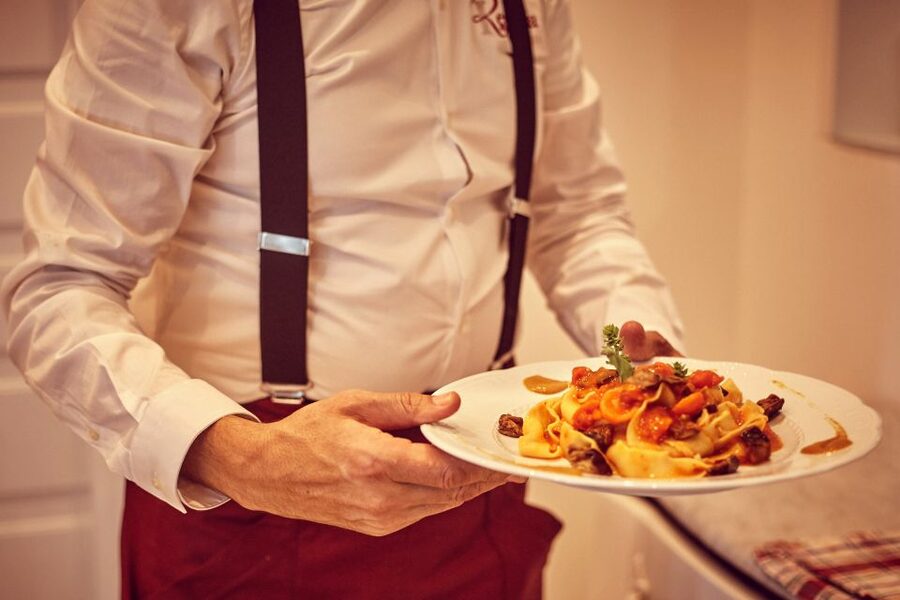
- Your pasta choice can be Tagliolino al ragù, all’Amatriciana, or Spaghettone alla Carbonara.
- Drinks are measured: 250 ml red wine, 500 ml mineral water, plus one espresso.
A 2-hour Roman feast in the old Ghetto alleys
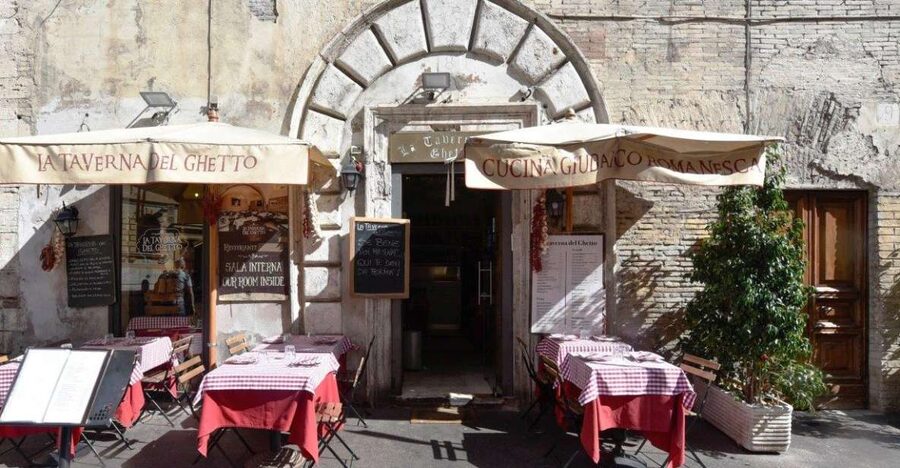
This is the kind of Rome meal you book when you want flavor, not forms. You show up at La Taverna del Ghetto and settle in for a 3-course lunch or dinner that lasts about 2 hours. That time window matters in Rome. You get the full sit-down experience without losing half a day to logistics.
What I like most is the way the menu mixes Roman dishes with Jewish-style influences. The start includes Jewish-style artichoke in multiple forms, and the pasta choices point you straight to classic Roman comfort food: ragù, Amatriciana, or Carbonara. If you want a practical food-first introduction, this hits the target.
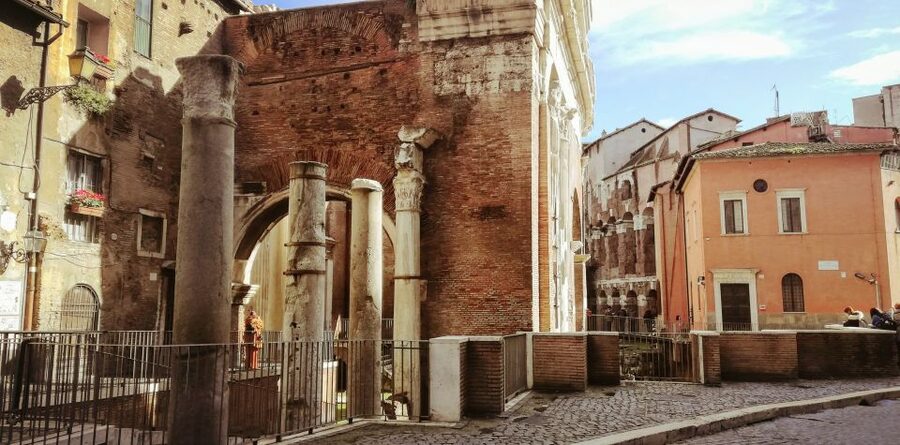
You are also eating in an area tied to Rome’s historical Jewish Quarter. Even if your time is mainly at the table, the setting is part of the point. You get surrounded by the mood of old streets and archaeological layers, the kind of backdrop that makes a meal feel more grounded than a generic restaurant stop.
One more detail that improves the meal experience: the group is small, capped at 10 participants. In a crowded setting, ordering wine, choosing courses, and asking questions can get rushed. Here, it tends to feel calmer.
A few more Rome tours and experiences worth a look


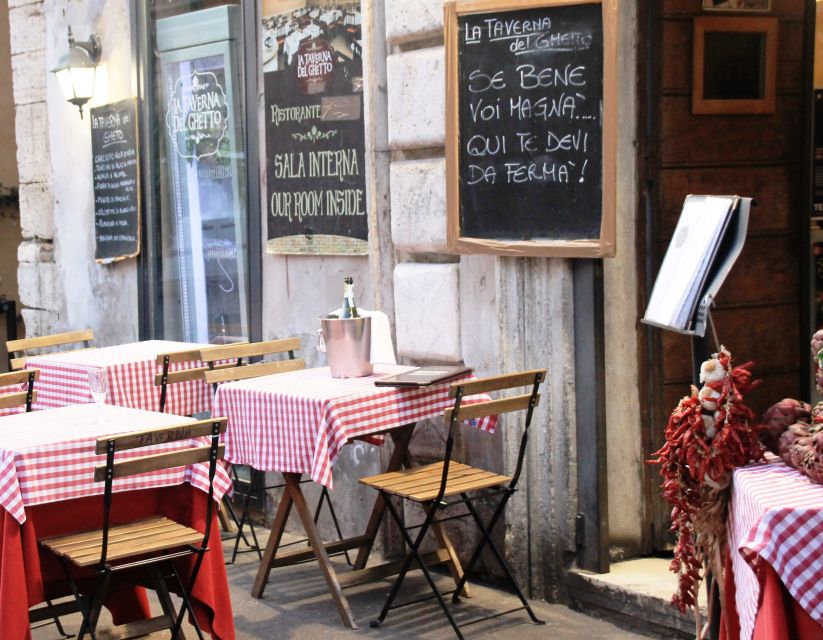
La Taverna del Ghetto: what the meeting point means for your timing
The meeting point is simply La Taverna del Ghetto, as indicated on the map. That sounds obvious, but it affects how smoothly your evening goes. Plan to arrive a bit early so you can check in and make your first course choice without feeling time-pressure.
This experience runs rain or shine, so you do not need to build in weather flexibility. The real scheduling variable is the start time. The duration is listed as 2 hours, and starting times depend on availability, so pick a slot that matches your energy. If you are doing sightseeing earlier, choose a dinner time that does not cut too close to your last bus or train.
You also get a host or greeter who speaks Italian and English. That matters because the menu has choices, not just a fixed plate. A little help with ordering keeps you from second-guessing yourself while hungry.
One caution from practical experience in Rome: these neighborhood streets can be easy to miss if you wander in without a plan. Bring the map pin with you, and trust it. Once you’re inside, the meal becomes the main event.
Finally, a quick note on fit: this activity is not suitable for people with mobility impairments, so you will want to consider that before booking.
How the 3-course menu works, from Jewish-style artichokes to antipasti
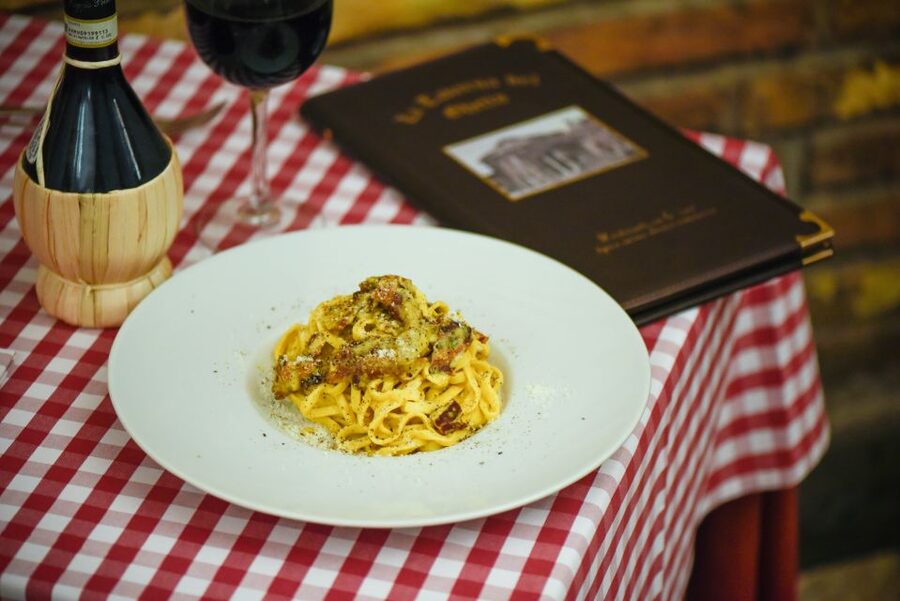
Your meal is set up as a standard Roman-style sequence: starter, pasta main, then dessert. The difference here is that the starter and pasta are not random. You get options that actually map to different flavors and textures.
Starter course: pick from Roman and Jewish-influenced classics
For the first course, you choose from several menu starters, such as:
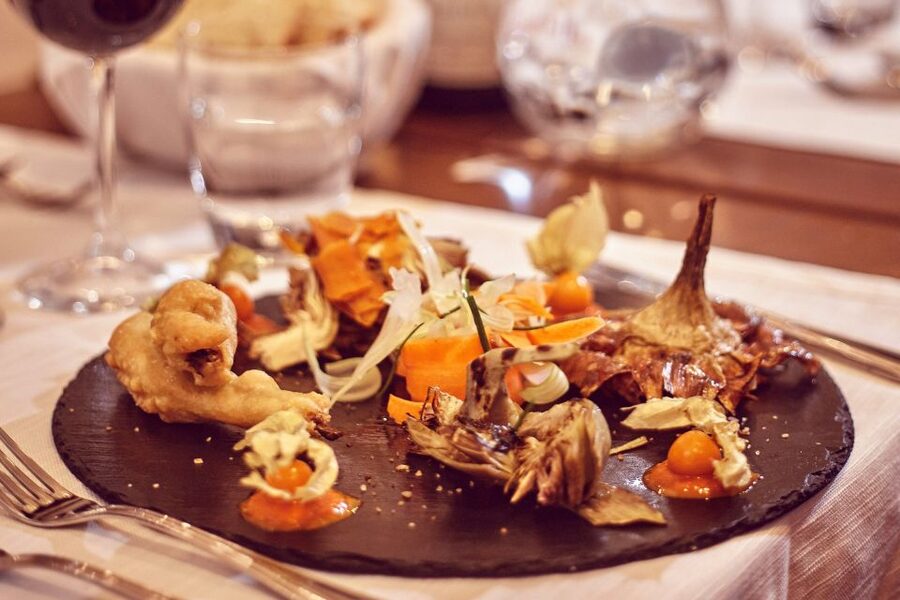
- Roman appetizer with Jewish-style artichoke
- Pumpkin flowers with anchovies and mozzarella
- Fried codfish
- Jewish-style artichoke again, plus an antipasti platter of cold cuts and cheese
This is a smart structure for a first-time Rome diner. Starters tell you what the kitchen wants you to taste: vegetables and seasonal notes, plus salt-forward cured items. The Jewish-style artichoke options are the headline, and they show up even if you do not pick the most obviously named dish. If artichokes are your thing, you can build your whole meal around that theme.
If you prefer something less vegetable-focused, the fried codfish can be a good counterbalance. And if you like sampling, the antipasti platter is your shortcut to variety without ordering extra dishes.
One practical tip: decide what you want your texture contrast to be. If your main pasta is rich, creamy, or meaty, choose a starter that gives you brightness (like the pumpkin flower option) or crisp fried texture (like codfish). If your pasta is lighter for you, a cold-cuts-and-cheese antipasto can keep the meal from feeling too soft.
How choice affects the meal
You are not stuck with a single option. That matters because Roman cuisine has regional personalities. Amatriciana tends to feel bold and savory, while Carbonara leans creamy and eggy. Ragù can feel hearty and slower-cooked. Your starter choice sets the emotional tone for the whole sequence.
The menu also keeps you from decision fatigue. You’re choosing between a handful of clearly Roman or Roman-neighbor dishes. That is usually better than a massive carte where you end up hungry and overwhelmed.
A few more Rome tours and experiences worth a look





Pasta choices that taste like Rome: ragù, Amatriciana, and Carbonara
Your pasta course is the big moment, and you get to pick. The listed options include:
- Tagliolino al ragù
- All’Amatriciana
- Spaghettone alla Carbonara
This is where the value of the experience shows. Many set menus in tourist zones offer decent pasta, but the quality is often generic. Here, the pasta options are specific and recognizable Roman staples. You are not just paying for a warm plate. You are paying to land on one of the city’s signature flavors.
If you want classic Roman punch, choose all’Amatriciana
Amatriciana usually means tomato-forward sauce with a smoky, savory backbone. If you like bold flavors that stand up on their own, this is a strong bet. It also pairs well with starters that are not too heavy, because the acidity and richness can balance each other.
If you want creamy comfort, choose Carbonara
Carbonara is all about the sauce texture. Think eggs and cheese binding into a creamy coating, with salty accents. It’s richer than many first-time diners expect, so if you are sensitive to heavier meals, pick it knowing it will feel indulgent.
If you want slow-cooked heartiness, choose Tagliolino al ragù
Ragù is the comfort choice. It often feels deeper and meatier, with a sauce that clings. This can be ideal if your day has been active and you want something steady and filling without second-guessing.
A big practical point: the menu gives you one main pasta course. That means your selection is your “main identity” for the meal. Pick based on how you want your stomach to feel at the end of the evening. None of the choices are wrong, but your preference will decide whether the meal feels effortless or overly heavy.
Dessert and espresso: the Roman finish you should plan for
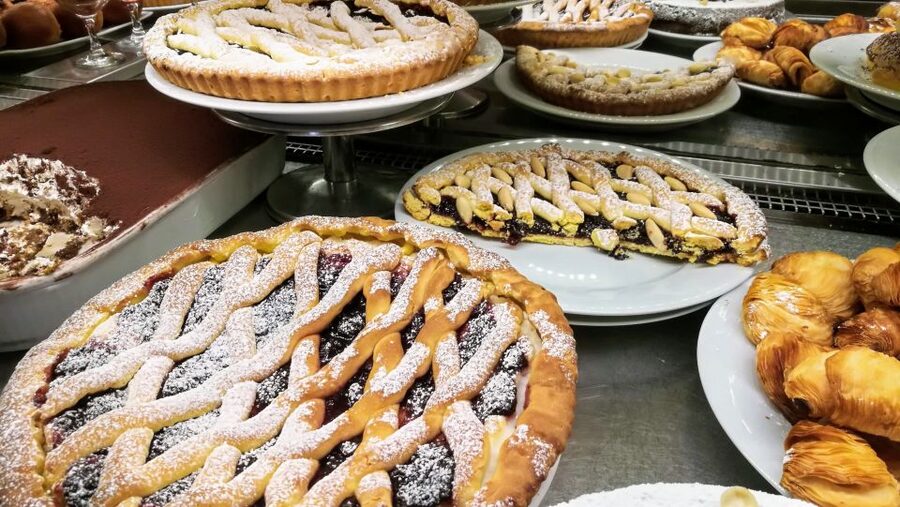
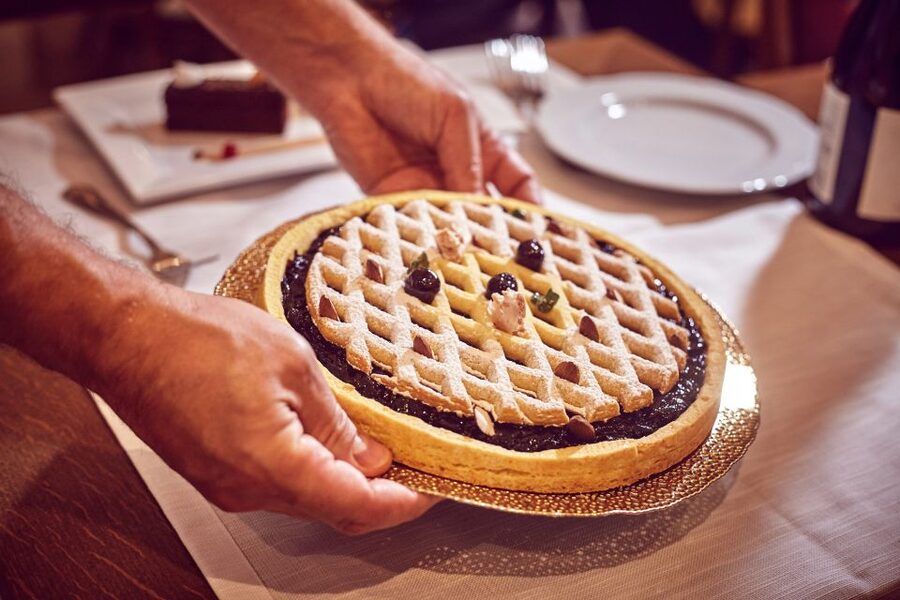
After the pasta course, you end with a homemade dessert. The listed example is Crostata di ricotta e visciole. That combination is a very Roman way to close: creamy ricotta plus a fruity note.
Then you get one espresso. This is practical, not symbolic. Espresso after dessert is a classic Italian rhythm, and it helps you digest the richer courses without needing a long walk to “work it off.”
If you’re the type who skips dessert because you think you’ll feel too full, this menu design is why you might rethink it. Dessert is part of the set, and the meal is paced for a 2-hour slot. That usually means the kitchen keeps timing tight enough that you do not feel forced into a sugar mountain.
One more small reality check: you should still listen to your appetite. If you pick a very rich pasta and a filling starter, you may want to pace yourself with the wine and bread so the final course feels like a reward instead of a chore.
Wine, water, and value: is the $45 price fair in Rome?
The price is listed as $45 per person, and the inclusions are what make or break the value. You get:
- a 3-course lunch or dinner (as indicated)
- 250 ml of red wine
- 500 ml of mineral water
- 1 espresso
In Rome, set menus can range from “okay but overpriced” to “good deal if you care about food.” This one sits closer to the good-deal side because the drink portion is not vague. You are getting measured amounts, including wine and a full half-liter bottle of water.
Also, note the framing. This is not priced like a wine tasting. It’s priced like a meal that includes the basic pairing. If you were planning to order wine and espresso anyway, a lot of that cost is baked in.
What you should watch for is your expectations about the experience beyond the plate. At least one past diner felt the atmosphere was too touristy and that guidance or interaction was limited. That kind of mismatch usually comes from wanting something beyond dinner: lots of explanation, strong group mingling, or a more curated social experience.
So, the math is simple: if your main goal is a specific Roman menu with included wine and dessert, this price can feel reasonable. If your main goal is a guided, social experience with lots of context and group energy, you might end up feeling like you paid for dinner in a setting that is more commercial than you expected.
Service and atmosphere: where the meal can shine or feel generic
The strongest positive signal from past dinners is service. One standout is Massimo, described as cheerful and authentic. In at least one case, the service even included a birthday serenade, with other diners joining in claps and singing. That kind of spontaneous warmth is not something you can demand, but it’s a sign that the team can lean into hospitality.
That said, service style can swing depending on the night. Some people have found the room to feel more like a regular tourist restaurant, with staff outside trying to pull in passersby and mostly English-speaking diners at surrounding tables. I would treat that as a caution about atmosphere, not food quality. The menu can still be good, but the vibe might not feel like a locals-only secret.
Here’s how to protect yourself from a mismatch. Think of this as a menu experience first. If you want to learn while eating, you may get friendly guidance from the host or greeter in Italian or English, but you should not plan on a deep lecture. If you want authenticity, focus on what is controllable: your pasta choice, your starter pick, and pacing your wine so you enjoy each course.
Also, because the group is capped at 10, the meal can still feel comfortable even if the restaurant is popular. The key is whether your expectations for social touring align with an experience that is mostly about eating together.
Who should book this Roman food experience
This works best for you if:
- you want a structured 3-course meal with Roman and Jewish-style options
- you are short on time and want to eat in the center of the city without hunting for a menu
- you like having drink inclusions so you can control total spending
- you prefer a calm, small group setting over a big party dinner
It might not be ideal if:
- you want a true guided walkthrough of food sites, not just a host at the table
- you are very picky about atmosphere and only want a quiet, local feel
- you need access accommodations, since it is listed as not suitable for mobility impairments
If you are traveling solo, this can still be a good pick because the meal sequence and small group setup give you natural conversation moments without pressure. If you’re on a couples trip, it can be a nice “one good dinner” anchor, especially if you plan your sightseeing around a clean 2-hour block.
And if you are celebrating something, ask about dessert and singing-style surprises. You cannot promise it, but the past example shows it can happen when the mood fits.
Should you book Lunch or Dinner with typical Roman dishes?
Book it if your goal is simple and you want value that is easy to understand: 3 courses, measured wine and water, dessert, and espresso in about 2 hours. The menu choices are classic enough to feel like you made a smart food decision in Rome, and the small-group limit helps keep the experience from feeling like a factory line.
Skip or rethink it if what you want most is a guided, high-interaction cultural program with strong group social energy. This is a dinner, first. If your heart is set on a roaming food story, plan a different type of experience.
If you do book, do it with confidence in what you can control. Pick your pasta based on your taste for richness, start with the artichoke if you want the signature flavor, and save room for the espresso finish. That is the part of Rome you will feel after the last bite.
FAQ
Where is the meeting point for this experience?
You meet at the restaurant La Taverna del Ghetto, as indicated on the map.
How long does the Rome lunch or dinner last?
The experience duration is 2 hours.
What is included in the price?
The price includes a 3-course meal (lunch or dinner as indicated), 250 ml of red wine, 500 ml of mineral water, and 1 espresso.
What food choices do I have?
For the starter, you can choose one of the options listed on the menu, including Roman appetizer with Jewish-style artichoke, pumpkin flowers with anchovies and mozzarella, fried codfish, or Jewish-style artichoke and an antipasti platter. For pasta, you choose one of Tagliolino al ragù, all’Amatriciana, or Spaghettone alla Carbonara. Dessert is listed as Crostata di ricotta e visciole.
What languages will the host or greeter speak?
The host or greeter speaks Italian and English.
What is the group size?
The group is limited to 10 participants.
Is this experience affected by weather?
It runs rain or shine.
More Lunch Experiences in Rome
More Dining Experiences in Rome



More Tour Reviews in Rome






Not for you? Here's more nearby things to do in Rome we have reviewed












Dinner Experiences, compared.
 ★ 4.9Pasta Making with Wine Tasting and Dinner in FrascatiFrom $35979 reviews
 ★ 4.5Night Tour of Rome with Local Pizza Dinner and Gelato ExperienceFrom $237780 reviews
 ★ 4.8Small Group Trastevere Food Tour with DinnerFrom $132719 reviews
 ★ 4.1Italian Opera Concert and Traditional DinnerFrom $94453 reviews
 ★ 5.0Rome Pantheon: Fine Food & Wine Pairing Dinner with SommelierFrom $145283 reviews
 ★ 4.9Cannondale E-Bike Evening Tour with Optional DinnerFrom $85251 reviews
 ★ 4.0Hard Rock Cafe Rome with Set Lunch or DinnerFrom $34247 reviews
 ★ 5.0Rome in the Evening Cannondale EBike Tour with optional DinnerFrom $87224 reviews
Browse the lists this tour appears in